How Long Does It Take to See All Big Five Animals?
February 24, 2026
How Many People Are Allowed in a Habituation Group?
February 25, 2026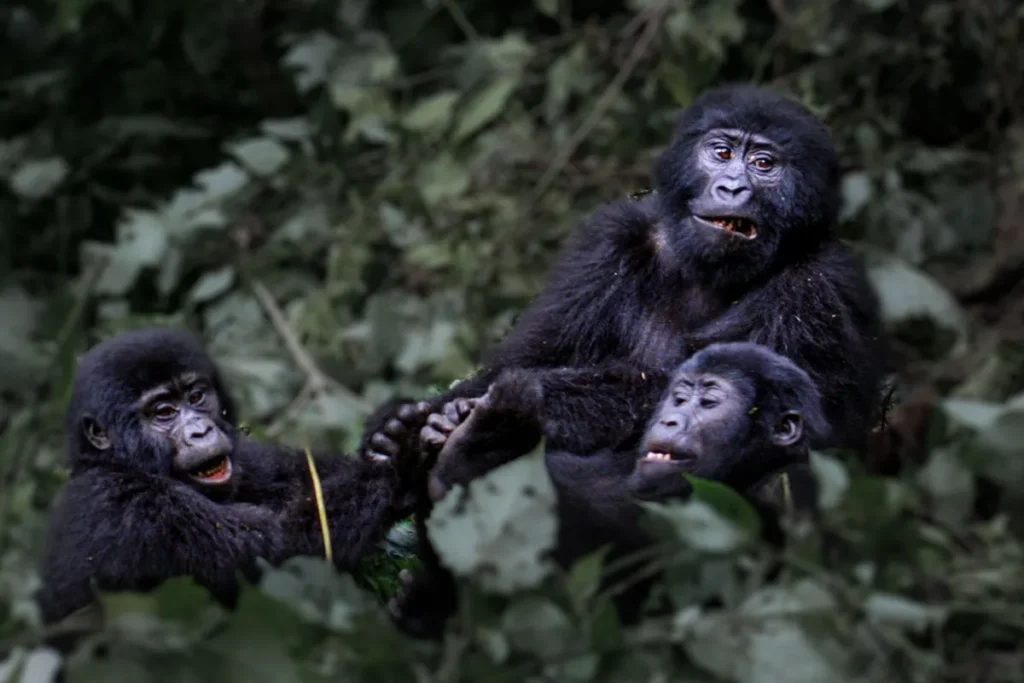
How Many Mountain Gorillas Exist in Uganda and Rwanda?
Experiencing a Uganda Gorilla Safaris or Rwanda Gorilla Trekking Safaris journey provides travelers with a unique window into one of the most captivating wildlife encounters on the planet. Mountain gorillas, with their expressive eyes and intricate social structures, reside exclusively in the misty forests of Uganda and Rwanda, making these destinations central to any meaningful African safari adventure. For tourists seeking a blend of wildlife, cultural immersion, and conservation impact, knowing how many mountain gorillas exist in Uganda and Rwanda underscores the rarity and significance of this experience. Currently, the global population of mountain gorillas stands at approximately 1,063 individuals, with a considerable portion found in Bwindi Impenetrable National Park, Mgahinga Gorilla National Park, and Volcanoes National Park. This conservation success story reflects decades of dedicated habitat protection, anti-poaching initiatives, and community engagement.
Why Explore Uganda and Rwanda Gorilla Safaris?
Travelers embarking on these safaris not only witness gorillas but also enjoy the full spectrum of Uganda Birding Safaris and Rwanda Birding Safaris, revealing an impressive array of endemic and migratory bird species. Visitors can integrate Rwanda Cultural Safaris or Uganda Cultural Safaris, interacting with indigenous Batwa communities to understand how conservation and cultural heritage coexist. Combining gorilla trekking with birding, cultural tours, and other wildlife adventures, including Big Five Safaris in Uganda, creates a holistic and unforgettable East African journey. For global audiences, this experience emphasizes both adventure and responsibility, making it a must on the world’s safari map.
Which Destinations Are Home to Mountain Gorillas in Uganda and Rwanda?
Where Can You See Mountain Gorillas in Their Natural Habitat?
Mountain gorillas are strictly limited to a few protected areas within the Albertine Rift, a region renowned for its biodiversity. Uganda Safaris highlight two primary gorilla habitats: Bwindi Impenetrable National Park and Mgahinga Gorilla National Park. Bwindi, a UNESCO World Heritage Site, shelters approximately 459 gorillas, representing nearly half of the global population. Its dense forests and rugged terrain allow travelers on Uganda Gorilla Safaris to experience intimate, guided encounters with habituated gorilla families. Mgahinga, part of the Virunga Massif, offers access to a smaller but equally enriching gorilla family, providing trekkers a more exclusive and tranquil experience.
Meanwhile, Rwanda Gorilla Trekking Safaris focus on Volcanoes National Park, where several habituated gorilla groups roam volcanic slopes surrounded by bamboo forests. Visitors to Rwanda experience not only thrilling wildlife encounters but also opportunities for cultural immersion, including traditional dance performances and village visits. Combining Uganda and Rwanda gorilla treks in a single itinerary allows travelers to see gorillas across two distinct ecological zones, each with unique landscapes and forest compositions. Integrating Uganda Birding Safaris and Rwanda Birding Safaris enhances the adventure, allowing guests to witness rare birds such as the Grauer’s broadbill, Rwenzori turaco, and African green broadbill while supporting biodiversity conservation.
What Should You Expect on a Mountain Gorilla Safari?
How Does a Gorilla Trekking Experience Unfold?
Gorilla trekking during a How Many Mountain Gorillas Exist in Uganda and Rwanda? safari involves guided hikes through misty, mountainous forests. Travelers can anticipate walking through steep, often slippery terrain, with expert rangers pointing out flora, fauna, and signs of gorilla activity. Once the gorilla family is located, visitors spend up to one hour observing the gorillas, witnessing silverbacks assert dominance, mothers nurturing infants, and playful juveniles exploring their surroundings. This rare interaction creates memories that last a lifetime.
Complementary experiences enhance the safari’s value. For example, Uganda Birding Safaris reveal over 1,000 bird species across Uganda’s forests and savannahs, while Rwanda Birding Safaris showcase endemic and migratory species along the Virunga slopes. Additionally, Uganda Cultural Safaris and Rwanda Cultural Safaris provide insights into local traditions, including drumming ceremonies, handicraft workshops, and Batwa storytelling sessions. Combining gorilla trekking with birding and cultural immersion not only deepens visitor engagement but also supports conservation initiatives and community livelihoods, ensuring that tourism directly benefits both wildlife and people.
How Can You Reach Gorilla Safari Destinations?
What Is the Best Way to Access Uganda and Rwanda Gorilla Parks?
Travelers embarking on Uganda Gorilla Safaris typically start at Entebbe International Airport, which connects to major global hubs. From Entebbe, domestic flights to Kihihi or Kisoro Airfields shorten travel time to Bwindi and Mgahinga, followed by scenic drives through lush highlands. Rwanda-bound visitors arrive at Kigali International Airport, with Volcanoes National Park located just a 2-3 hour drive northwest. This accessibility makes Rwanda Safaris and combined Uganda-Rwanda itineraries practical for international tourists.
Planning must account for limited gorilla trekking permits, which are allocated in advance to manage ecological impact. Choosing a combined itinerary across Uganda and Rwanda increases the chance of securing permits while offering travelers the full spectrum of gorilla experiences. Visitors can also extend their adventure by integrating Big Five Safaris in Uganda or cultural visits in Rwanda, ensuring a comprehensive East African journey.
How Much Does a Gorilla Safari Cost?
What Are the Typical Costs for Uganda and Rwanda Gorilla Trekking Safaris?
Gorilla trekking permits are a significant portion of safari budgets, with Uganda permits priced around $800 per person and Rwanda permits slightly higher. These fees support conservation and local communities directly, ensuring tourism contributes to gorilla protection. Package safaris that combine Uganda Gorilla Safaris and Rwanda Gorilla Trekking Safaris often include accommodation, expert guides, park transfers, and additional activities such as birding and cultural experiences, offering excellent value while maximizing exposure to wildlife and culture.
Additional experiences, such as guided Uganda Birding Safaris or village visits, may add to costs but enrich the safari with educational, cultural, and conservation insights. Travelers leave not only with unforgettable memories but with the satisfaction of contributing to sustainable tourism and long-term conservation efforts.
When Is the Best Time for Mountain Gorilla Safaris?
Which Months Offer Optimal Weather and Wildlife Viewing?
For a How Many Mountain Gorillas Exist in Uganda and Rwanda? safari, the dry seasons—typically June to September and December to early February—are ideal. Trails are less muddy, hiking is safer, and photographic conditions are favorable. However, gorilla trekking is possible year-round, with rainy season visits providing lush, green forest scenery and fewer crowds. Choosing the right season enhances the experience and ensures a comfortable, rewarding adventure in both Uganda and Rwanda.
Why Choose Renai Safaris for Your Adventure?
What Makes Us the Trusted Choice for Gorilla Safaris?
Renai Safaris delivers unparalleled expertise in Uganda Safaris, Rwanda Safaris, Uganda Cultural Safaris, Rwanda Cultural Safaris, Uganda Gorilla Safaris, and Rwanda Gorilla Trekking Safaris. Our professional guides, curated itineraries, and ethical practices guarantee authentic, responsible, and unforgettable experiences. Travelers not only witness gorillas but engage with vibrant cultures, endemic bird species, and breathtaking landscapes. Choosing us ensures that every safari is meticulously planned, conservation-conscious, and tailored to exceed expectations. Combining Uganda and Rwanda gorilla trekking elevates your journey, positioning Renai Safaris as a leader in East African wildlife tourism.