East Africa Safari Packages | Multi Country Tour Packages
Discover expertly crafted East Africa safari packages with Renai. Explore thrilling Kenya safaris, Masai Mara adventures, and Uganda gorilla trekking in one seamless, life-changing journey. When you think of an African adventure, East Africa Safari Packages naturally come to mind as the perfect starting point. They are not just tours—they are immersive experiences that invite you to explore some of the most iconic landscapes and wildlife destinations on Earth. With Renai Venture Safaris, travelers from all over the world can unlock the unparalleled beauty and rich cultural heritage that East Africa offers. But what makes these East Africa Safari Packages so unique, and why are they the top choice for global safari
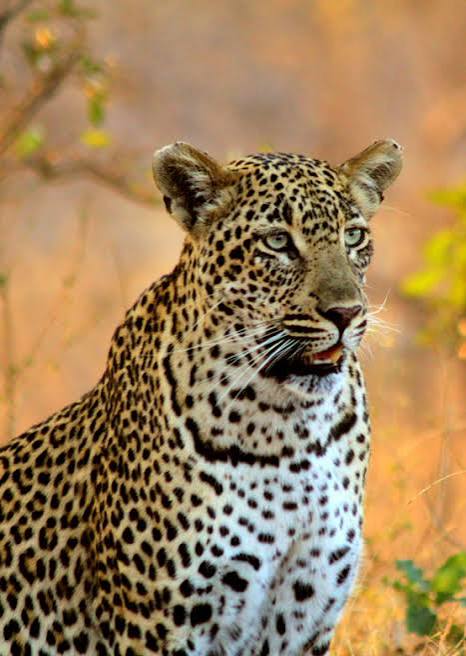
10 Days Tanzania & Uganda Safari
10 Days Tanzania & Uganda Safari This 10 Days Tanzania & Uganda Safari links two
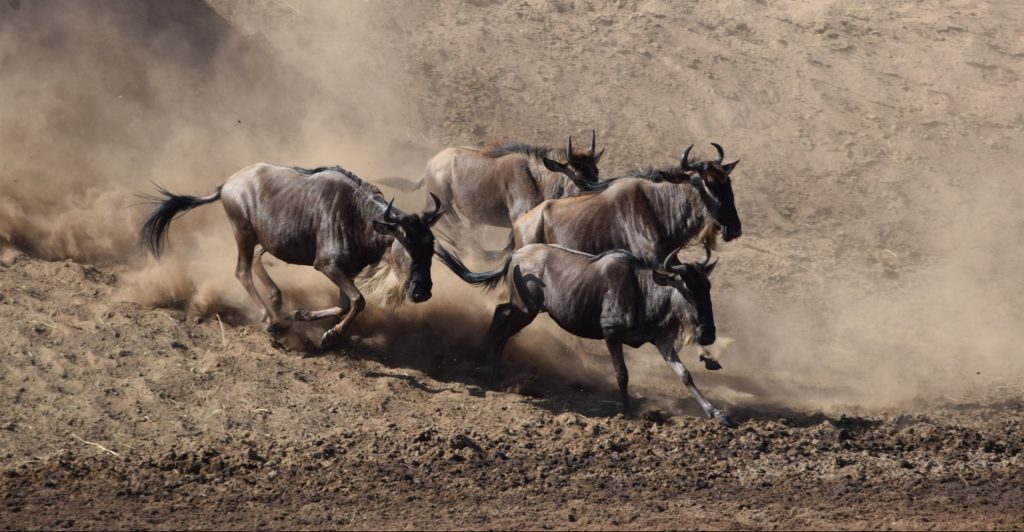
6 Days Rwanda Gorillas & Serengeti Safari
6 Days Rwanda Gorillas & Serengeti Safari | Wildlife & Gorilla Tour This 6 Days
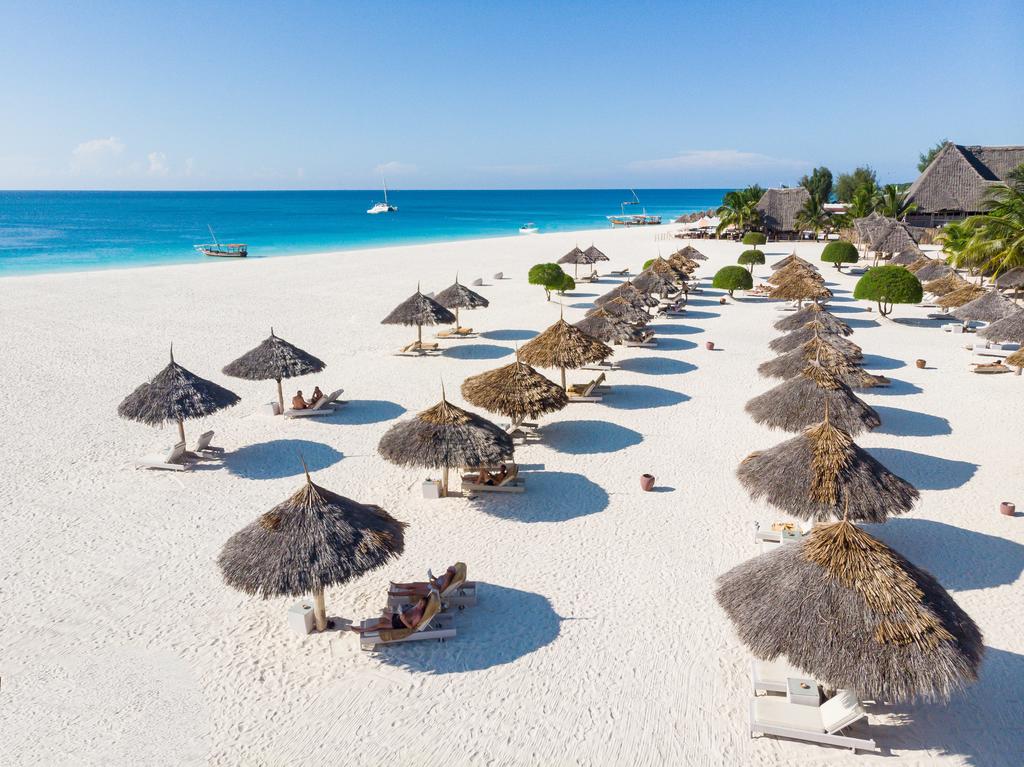
21 Days Rwanda, Kenya, Tanzania Safari & Zanzibar Holiday
21 Days Rwanda, Kenya, Tanzania Safari & Zanzibar Holiday For travelers who want to see
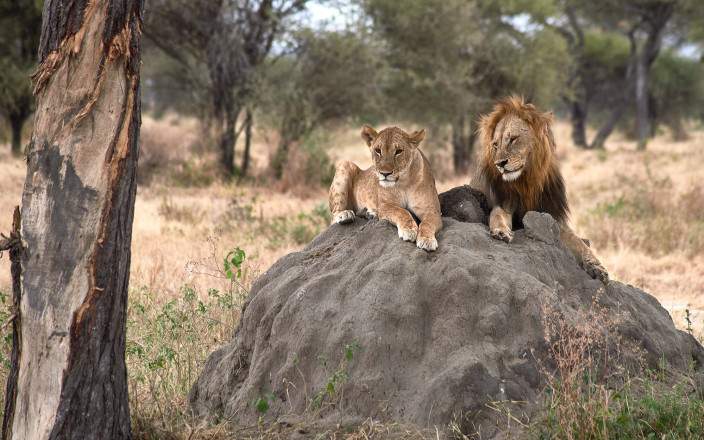
11 Days Kenya & Tanzania Safari
11 Days Kenya & Tanzania Safari This 11 Days Kenya & Tanzania Safari opens with
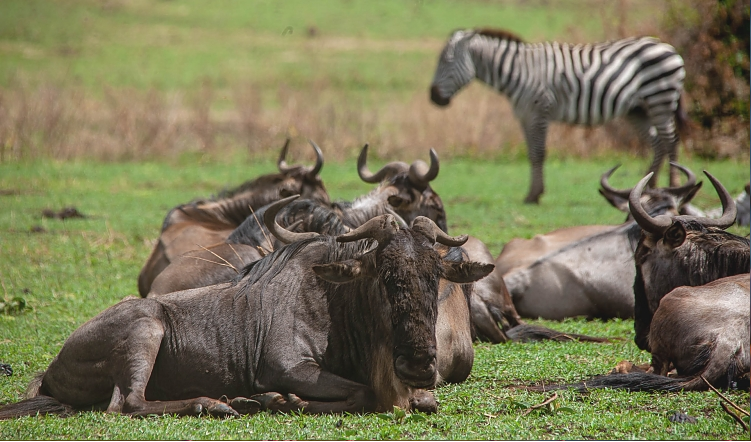
8 Days Kenya & Tanzania Safari
8 Days Kenya & Tanzania Safari | Masai Mara, Serengeti, & Ngorongoro Crater Crossing from
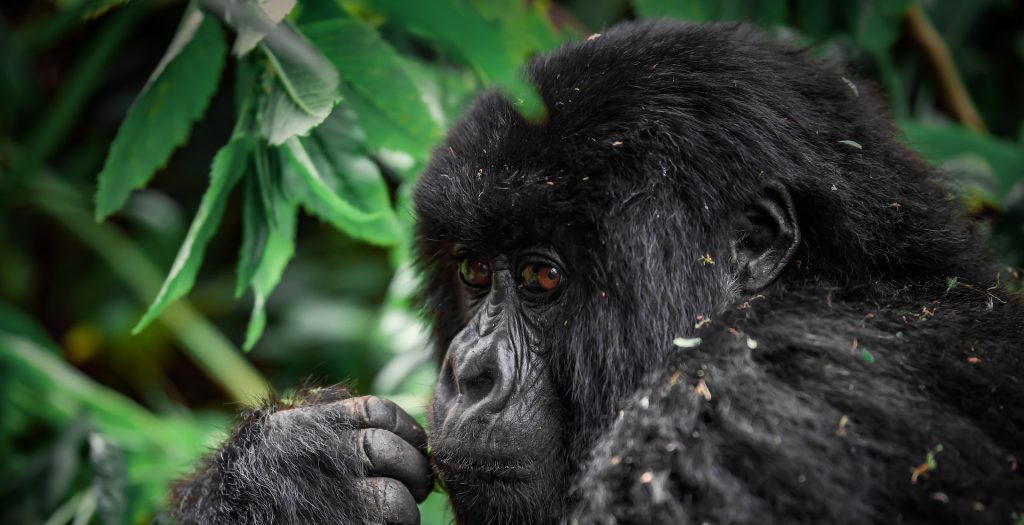
7 Days Kilimanjaro Day Hike, Serengeti & Gorillas Safari
7 Days Kilimanjaro Day Hike, Serengeti & Gorillas Safari Few trips let you touch Africa’s
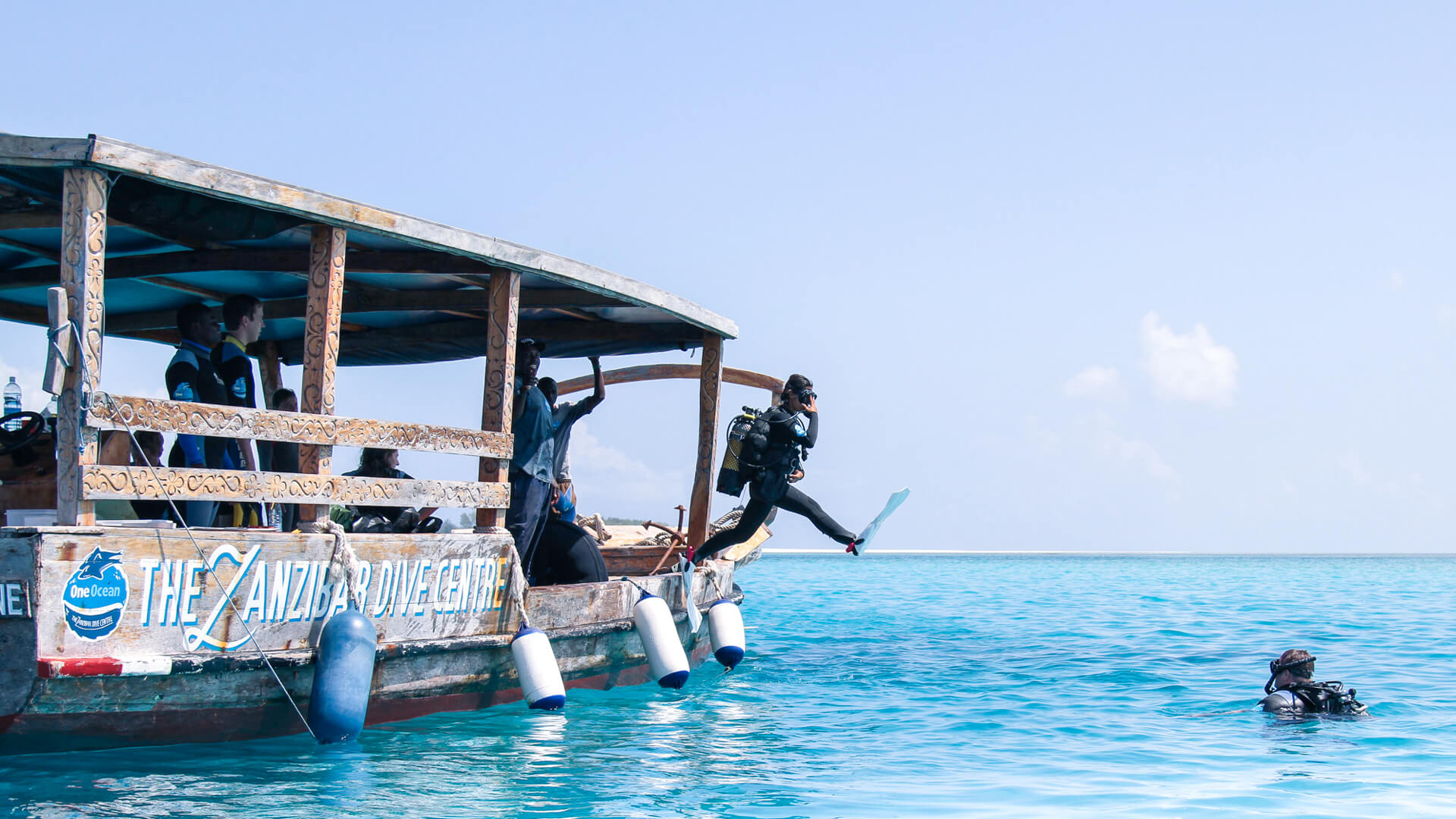
7 Days Bwindi Gorillas & Zanzibar Holiday
7 Days Bwindi Gorillas & Zanzibar Holiday There is a natural logic to pairing gorilla
6 Days Rwanda & Tanzania Safari
6 Days Rwanda & Tanzania Safari | Gorilla Trekking & the Great Migration This 6 Days
“Package” covers a lot of ground in the safari industry. It can mean a rigid seven-night group tour with a fixed itinerary, or a fully bespoke, privately guided journey built entirely around what you want to see. Both get called safari packages, so understanding the difference between them, and what actually sits in the middle, is the key to picking the right structure for your trip rather than the right-sounding marketing term.
This guide walks through the main package formats available across East Africa, what each genuinely suits, and how to think about structuring your own trip, whether you end up booking something fixed, fully custom, or somewhere in between.
Should You Book Fixed or Go Custom?
Fixed, pre-set packages make sense if your dates are flexible, your budget is a firm priority, and you’re comfortable following a set itinerary alongside other travelers. They’re efficient to book and often represent strong value, since operators can plan logistics at scale.
Custom itineraries make more sense if you have specific priorities, particular parks, particular activities, a milestone occasion, a specific accommodation style, or fixed travel dates that don’t align with a set departure calendar. Most of the clients we work with land here, because East Africa rewards a tailored approach: the “best” itinerary genuinely differs depending on whether you’re chasing the migration, prioritizing gorilla trekking, traveling with young children, or celebrating an anniversary.
There’s also a middle ground worth knowing about: semi-custom packages, built from a flexible template of core parks and camps that can be adjusted in accommodation tier, length, and specific add-ons without designing entirely from scratch. This is often the sweet spot for travelers who want some structure but also some personalization.
Why the Structure Matters More Than It Seems
The structure of your package determines far more than just price. It shapes your pace, your privacy, and how much of the trip is actually built around your preferences versus a pre-built template. A rigid group package moves through a set schedule with a set group of fellow travelers, which suits some people well and frustrates others who wanted more flexibility or privacy. A fully custom itinerary gives you total control but requires more upfront planning conversation to get right. Neither structure wins in the abstract. It depends entirely on what kind of traveler you are.
The Package Types Available
Scheduled Group Departures
Fixed-date, fixed-itinerary trips that combine you with other travelers, typically in vehicles carrying six to seven guests. These tend to be the most budget-friendly option, since costs are shared across a full vehicle and pre-negotiated group rates apply. The trade-off is less flexibility: set departure dates, a fixed pace, and less ability to linger somewhere that particularly captures you, or skip something that doesn’t.
Private Custom Safaris
Built entirely around your dates, priorities, and budget, with a private vehicle and guide throughout, or a series of specialist guides at different camps. This is the most flexible and personal structure, allowing real-time adjustments: extending a stay somewhere the wildlife viewing is exceptional, or altering the route based on current migration positioning. It typically costs more than a group departure but delivers considerably more control and privacy in return.
Semi-Custom Template Packages
A curated route through proven parks and camps, adjustable in length, accommodation tier, and specific inclusions, but built on a tested framework rather than designed from a blank page. This suits travelers who want the reliability of an itinerary refined over many past trips, with room to personalize the details that matter most to them.
Fly-In Safaris
Packages structured around short domestic flights between parks rather than long road transfers, common on itineraries covering the Masai Mara and Serengeti’s more remote areas. These trade a higher cost for significantly more time actually spent on activities rather than in transit, which matters most on shorter trips.
Road-Based Overland Safaris
Structured around ground transfers between parks, often more affordable than fly-in equivalents and offering a different kind of value: the drive itself passes through changing landscapes and local towns that flying over skips entirely. These suit travelers with more time available and a genuine interest in the country beyond the parks themselves.
Comparing Package Types
Package Type | Best For | Typical Length | Flexibility |
Scheduled group departure | Budget-conscious solo or couple travelers comfortable sharing | 7–10 days | Low |
Private custom safari | Travelers with specific priorities, milestones, or fixed dates | 7–14+ days | High |
Semi-custom template | Travelers wanting proven routes with some personalization | 8–12 days | Medium |
Fly-in safari | Shorter trips prioritizing time in-park over transit | 6–9 days | Medium–High |
Road-based overland | Travelers with more time who enjoy the journey itself | 10–16 days | Medium |
Where Packages Typically Take You
Most East Africa packages, regardless of structure, center on a core rotation of destinations: Kenya’s Masai Mara, often paired with Amboseli or Lake Nakuru; Tanzania’s Serengeti, Ngorongoro Crater, and sometimes Tarangire; and, increasingly, cross-border itineraries combining Kenya and Tanzania into a single trip via light aircraft. Uganda and Rwanda packages typically center on gorilla and chimpanzee trekking, often combined with Queen Elizabeth or Akagera National Parks for broader wildlife viewing, and sometimes paired with a Kenya or Tanzania leg for travelers who want both primates and classic savanna game viewing in one trip.
When to Book Each Package Type
Scheduled group departures typically need booking further ahead to secure a seat on a specific date, particularly during peak season, since space is limited and fixed. Private custom safaris offer more last-minute flexibility in theory, but the best camps still book out six to nine months ahead during July through September and the December holidays, so “custom” doesn’t mean “spontaneous” if you want top-tier properties during peak windows. Shoulder and green season generally offer more flexibility across all package types, with availability opening up closer to departure.
Budget Considerations Across Package Types
Group departures generally offer the lowest per-person cost, because expenses are shared across a full vehicle and negotiated at volume. Private custom safaris cost more, reflecting the private vehicle and guide alongside the flexibility to adjust pace and route. Fly-in safaris add domestic flight costs but save time, which matters most on trips of a week or less, where road transfers can eat meaningfully into your actual time in the parks. It’s worth weighing cost against how you actually want to spend your limited vacation days. A cheaper overland package that spends two extra days in transit isn’t necessarily better value than a slightly pricier fly-in package that maximizes time on activities.
What’s Usually Included in a Package Quote
Regardless of structure, most East Africa safari packages include accommodation, meals, ground transport or domestic flights between destinations as specified, park and conservancy fees, and a guide throughout. What’s typically excluded, international flights, visas, gratuities, travel insurance, and specialty activities like hot air balloon rides or gorilla permits, tends to be consistent across package types, so this isn’t usually where the real differences lie. The differences that matter are vehicle privacy, shared versus private, accommodation tier, and how much built-in flexibility the itinerary allows for adjusting pace or extending time somewhere unexpectedly rewarding.
Red Flags Worth Watching For
A handful of warning signs are worth knowing before you commit. Be cautious of packages that promise guaranteed sightings of specific animals or events like river crossings. Reputable operators are honest that wildlife behavior can’t be guaranteed, however well-timed the trip. Watch for itineraries that pack too many parks into too few days, since East Africa’s distances are larger than they appear on a map and a rushed circuit often means more time in transit than actually on safari. And ask specifically what accommodation you’ll be assigned rather than accepting a vague “similar standard” property category, since standards vary considerably even within the same star rating, and the specific camp matters as much as the general tier.
Group Size Considerations
Even within a “shared” package, group size matters. A vehicle capped at four to five guests offers a noticeably better experience than one filled to a maximum of seven, with more space, easier photography angles, and a guide who can reasonably tailor pacing to shared interests. When comparing group departures, ask about maximum vehicle occupancy specifically rather than assuming all shared packages operate the same way, since this detail rarely appears prominently in marketing but affects your day-to-day experience significantly.
How We’d Plan This
We’d encourage you not to fixate on the word “package” itself, and instead focus on what you actually want from the trip: your dates, your budget ceiling, your appetite for group travel versus privacy, and your must-see priorities. From there, the right structure tends to become obvious. A couple with flexible dates and a firm budget might do best with a scheduled group departure. A family celebrating a milestone with specific accommodation preferences almost always benefits from a private custom build. A repeat safari traveler chasing a particular experience, gorilla trekking combined with a specific migration window, for instance, usually needs a semi-custom or fully custom approach to align the timing correctly.
One thing we’d caution against: comparing a rock-bottom group package price directly against a private custom quote without accounting for what’s genuinely different beyond the vehicle. Inclusions, camp quality, and flexibility often vary as much as the headline price does, and the cheapest option on paper isn’t always the best value once you account for what’s actually included.
Recommendations by Traveler Type
First-time travelers on a firm budget: a scheduled group departure covering Kenya’s classic circuit, seven to eight days.
Couples celebrating a milestone: a private custom safari with luxury conservancy camps, eight to ten days.
Families: a semi-custom template adjusted for family-friendly camps and a slightly slower pace.
Repeat travelers with specific goals: a fully custom itinerary built around a particular migration window, park, or activity combination.
Travelers who enjoy road trips: an overland package through Tanzania’s northern circuit, taking in local towns along the way.
Frequently Asked Questions
Is a custom safari always more expensive than a package tour?
Usually, yes, because you’re paying for a private vehicle and guide plus the flexibility of a tailored route, but the gap varies. A well-built semi-custom package can land closer to group-tour pricing while still offering meaningful personalization.
Can I combine Kenya and Tanzania in one package?
Yes, this is a very popular structure, typically connected by a short flight between Nairobi or the Mara and the Serengeti area, though ground border crossings are also possible with more travel time.
How far in advance should I book a package?
Nine to twelve months for peak season (July–September, December holidays) at the best camps, particularly for group departures with limited seats. Shoulder season allows more last-minute booking.
Can I customize a package after booking if my priorities change?
It depends on the package type. Fully custom itineraries can usually be adjusted up until final payment, though changes closer to departure may be limited by camp availability. Scheduled group departures are far more fixed, since they’re built around a shared group itinerary and a pre-negotiated set of accommodations that can’t easily be swapped once confirmed.
Let Us Build the Right Package for You
Whether that means a proven template with light personalization or a fully bespoke itinerary built from scratch, we’ll help you land on the structure that actually fits your dates, budget, and priorities. Reach out and we’ll talk through the options.