Why Choose Kenya for Your African Safari?
With so many wonderful safari destinations across the African continent, understanding what makes Kenya distinctive helps clarify why this legendary country remains, for countless travellers, the definitive choice for a first African safari. Several compelling factors set Kenya apart.
- The Maasai Mara, one of the finest big cat destinations on earth and the stage for the dramatic Mara River crossings of the Great Migration.
- A network of exclusive private conservancies bordering the main reserves, offering off-road access, night drives, and a more intimate, uncrowded safari experience.
- Excellent value and variety, with accommodation and safari styles ranging from affordable camping to some of Africa’s most celebrated luxury camps.
- The ability to easily combine a classic savannah safari with a relaxing beach holiday on the Indian Ocean coast within a single country.
- Nairobi’s excellent international connectivity, serving as a major regional hub with easy onward connections throughout East Africa.
- A remarkable diversity of landscapes and wildlife experiences, from the elephants of Amboseli to the reticulated giraffes and rare species of the northern Samburu region.
The Maasai Mara:
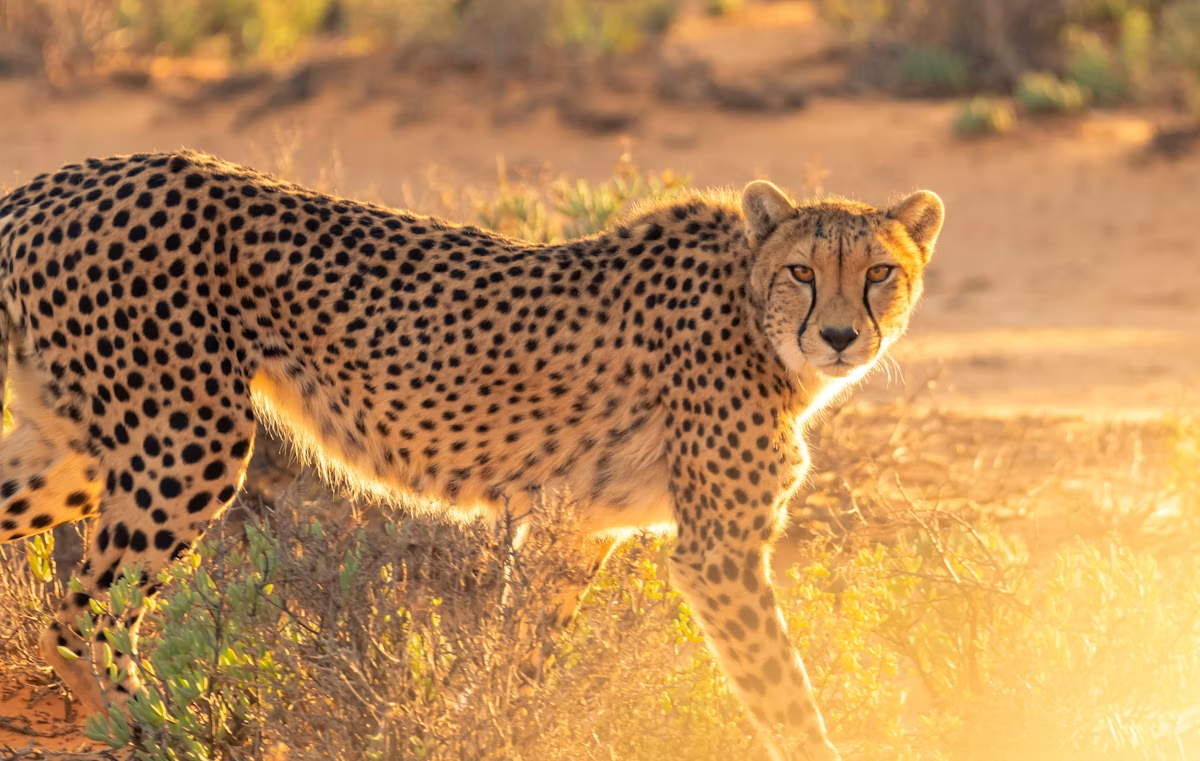
The Maasai Mara National Reserve, the northern extension of Tanzania’s Serengeti ecosystem, stands as Kenya’s most celebrated wildlife destination and arguably the finest big cat viewing location anywhere in Africa, its rolling grasslands supporting an exceptional density of lions, leopards, and cheetahs alongside vast resident and migratory herds of wildebeest and zebra.
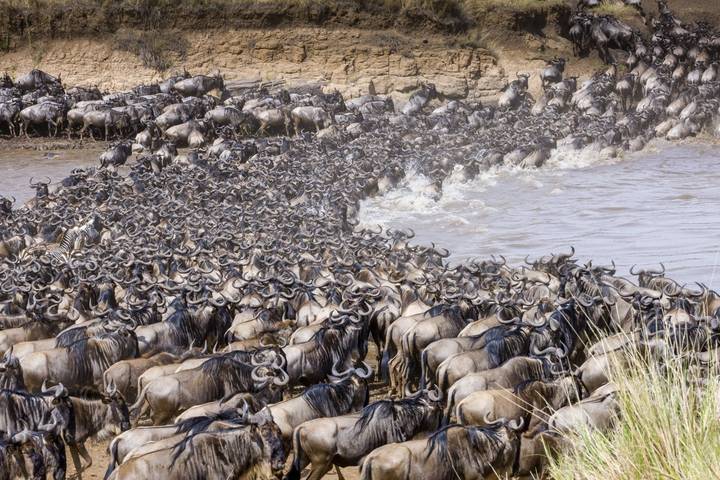
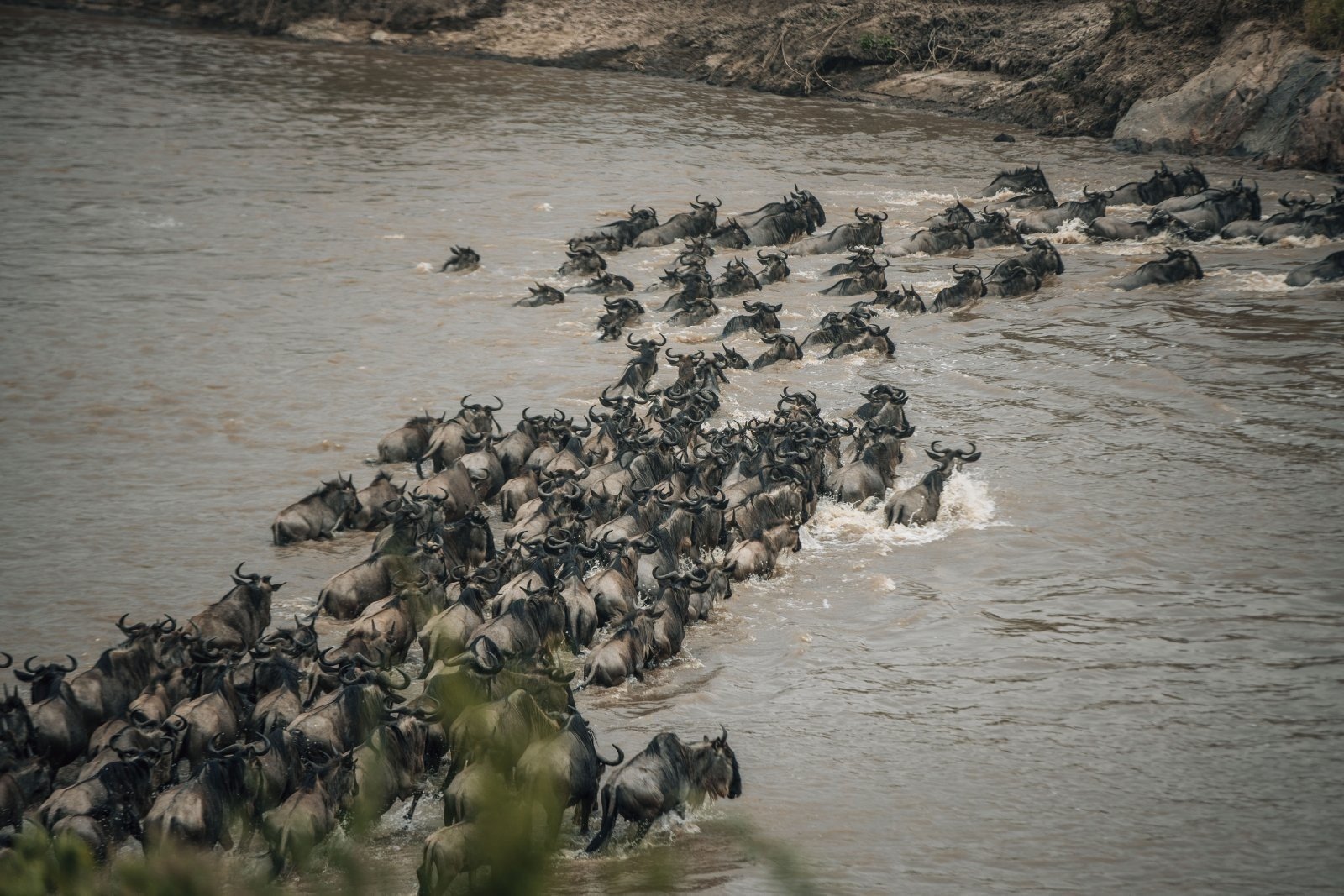
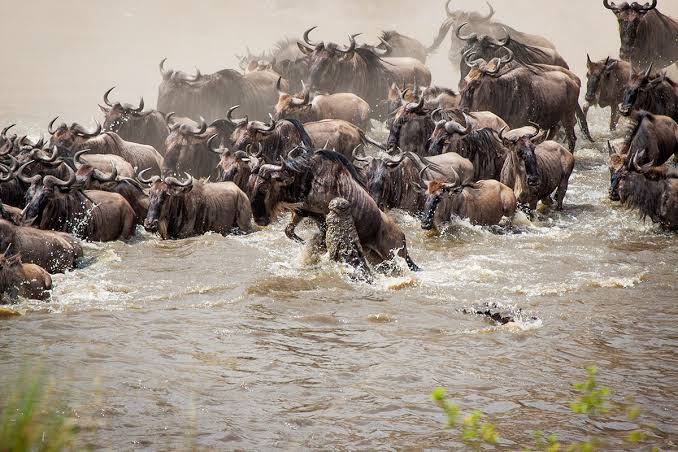
The Mara is world famous for hosting the dramatic river crossings of the Great Migration, typically occurring between July and October, as the herds brave crocodile-infested waters in one of nature’s most thrilling spectacles. Beyond the main reserve, private conservancies including Mara North, Naboisho, and Olare Motorogi offer an exclusive, less crowded alternative with excellent game viewing and the added benefits of walking safaris and night drives, unavailable within the reserve itself.
Amboseli National Park:
Amboseli National Park, set against the breathtaking backdrop of Mount Kilimanjaro rising across the border in Tanzania, offers one of Africa’s most iconic and photographed safari settings, its open plains supporting some of the continent’s largest and best studied elephant herds, often photographed in dramatic silhouette against the snow-capped peak.
Beyond its famous elephants, Amboseli’s surrounding conservancies, including Selenkay and Kimana, offer excellent additional game viewing and community based tourism experiences, while the park’s swamps and seasonal wetlands support a rich diversity of further wildlife and birdlife, making Amboseli an essential and visually spectacular addition to any Kenyan safari itinerary.
Samburu and Northern Kenya
The rugged, semi-arid landscapes of Samburu National Reserve and the wider northern Kenya region offer a distinctly different safari experience, home to a unique collection of species adapted to this drier environment and rarely found in Kenya’s more southern parks, including the reticulated giraffe, Grevy’s zebra, and the striking long-necked gerenuk antelope, sometimes referred to collectively as the Samburu Special Five.
This remote, less visited region also offers rich cultural encounters with the proud Samburu people, whose traditions and dress share much in common with their Maasai relatives further south, adding valuable cultural depth to a safari focused primarily on this region’s distinctive wildlife and dramatic, rugged scenery.
Tsavo:
Tsavo National Park, divided into Tsavo East and Tsavo West, ranks among the largest protected wilderness areas in the world, its vast, red-earthed landscape famous for its distinctive red elephants, whose colouring comes from dust bathing in the park’s characteristic soil, alongside substantial lion and other predator populations.
Tsavo’s sheer scale ensures a genuinely wild, uncrowded safari experience compared with Kenya’s more visited parks, and its convenient location between Nairobi and the coast makes it an easy and rewarding addition to an itinerary combining classic safari with a beach extension along the nearby Indian Ocean shoreline.
The Kenyan Coast:
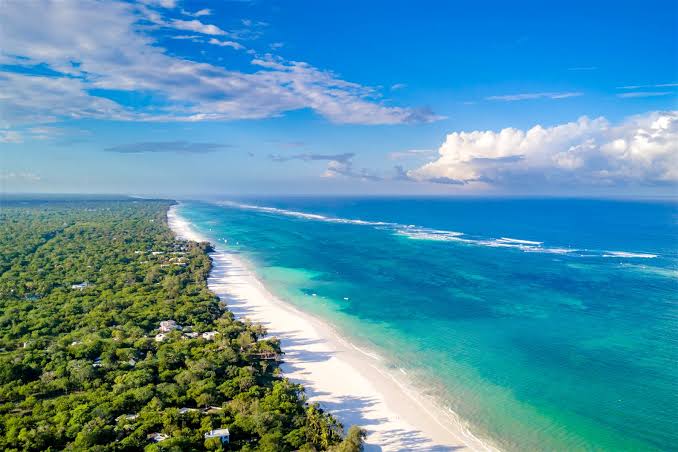
Kenya’s stunning Indian Ocean coastline offers the perfect complement to a classic savannah safari, with beautiful beaches including Diani, Watamu, and the historic, UNESCO listed island of Lamu providing a relaxing, easily accessible finale reachable by short flight from Nairobi or the safari parks.
Beyond simple beach relaxation, the coast offers rich Swahili culture, historic sites including Fort Jesus in Mombasa, excellent diving and snorkelling among coral reefs, and the atmospheric, car-free streets of Lamu’s old town, making a coastal extension a rewarding and easily combined addition to almost any Kenyan safari itinerary.
Sample Comprehensive Kenya Safari Itineraries
Duration | Suggested Focus |
5 to 7 days | Classic circuit: Maasai Mara and Amboseli |
8 to 10 days | Add Samburu or Lake Nakuru for further diversity |
10 to 14 days | A comprehensive circuit including Tsavo and a coastal extension |
14 days or more | The full Kenyan circuit plus a Tanzania or Uganda extension |
These durations can be adjusted according to your available time, budget, and interests, and Kenya’s excellent internal flight network makes it straightforward to combine several parks and the coast within a single, efficient itinerary.
Best Time to Visit Kenya
Kenya’s safari appeal varies somewhat with the seasons, particularly regarding the Great Migration’s presence in the Maasai Mara, and understanding this pattern helps in timing your visit around your specific priorities. The dry seasons, from June to October and briefly around January to February, generally offer the best game viewing and most comfortable travelling conditions.
For the famous Mara River crossings specifically, July to October typically offers the best chances of witnessing this dramatic spectacle, while the calving season, associated primarily with the southern Serengeti in neighbouring Tanzania, falls outside the main Mara migration season. The coast is enjoyable year round, with the driest, sunniest conditions generally found from December to March and July to October.
Planning Your Kenya Safari
- Decide your circuit: the classic Mara and Amboseli combination, the more remote north, or a comprehensive tour shapes your entire itinerary.
- Consider a private conservancy: for a more exclusive, less crowded experience with off-road driving and night drives, conservancies bordering the Mara are excellent value.
- Time your visit around the Mara crossings if desired: July to October offers the best chances of this dramatic migration spectacle.
- Add a coastal extension: pairing your safari with beach time on the coast rounds out a classic Kenyan itinerary beautifully.
- Choose your accommodation style: Kenya offers everything from budget camping to some of Africa’s most celebrated luxury camps.
- Work with a reputable specialist operator: an experienced Kenya operator handles the logistics of parks, conservancies, and coastal transfers seamlessly.