How Many Mountain Gorillas Exist in Uganda and Rwanda?
February 24, 2026
How Many People Share One Safari Vehicle?
February 25, 2026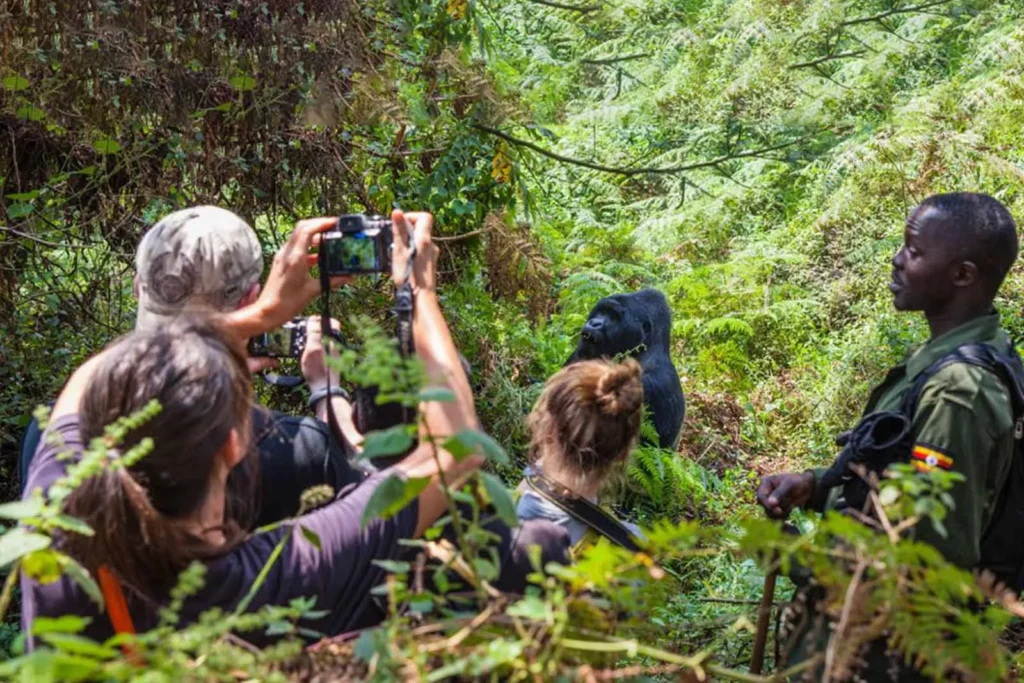
How Many People Are Allowed in a Habituation Group?
Understanding How many people are allowed in a habituation group? is essential for travelers seeking a deeper, more responsible connection with Africa’s most iconic primates. Gorilla habituation is a specialized wildlife experience that allows visitors to spend extended time with semi-habituated mountain gorillas as they gradually become accustomed to human presence. Across Africa, this experience is uniquely offered in Uganda, positioning the country as a leader in Gorilla Safaris and conservation-driven tourism. Unlike standard Gorilla Safaris, habituation focuses on education, research support, and conservation awareness, making it highly appealing to experienced travelers, photographers, and conservation enthusiasts. Through Rwanda Safaris and Uganda Safaris, Renai Safaris introduces travelers to ethically managed encounters that respect wildlife protection standards while delivering unforgettable moments. Emphasizing Rwanda Gorilla Trekking Safaris and Uganda Gorilla Safaris ensures visitors understand the distinction between trekking and habituation, both of which are tightly regulated. By exploring How many people are allowed in a habituation group?, travelers gain insight into exclusivity, sustainability, and the value of small-group travel. Carefully designed experiences also integrate Uganda Cultural Safaris and Rwanda Cultural Safaris, enhancing understanding of local traditions. Ultimately, this safari overview establishes trust, authority, and expertise while guiding global audiences toward meaningful African journeys grounded in conservation and authenticity.
How Many People Are Allowed in a Habituation Group in Uganda’s Bwindi Impenetrable National Park?
Clarifying How many people are allowed in a habituation group? begins with Uganda’s Bwindi Impenetrable National Park, the only destination currently offering this experience. Limited to a maximum of four visitors per gorilla family per day, habituation permits ensure minimal disturbance while providing unparalleled immersion. This strict regulation differentiates habituation from standard Uganda Gorilla Safaris, which allow eight trekkers per group. Exclusivity enhances safety, research effectiveness, and visitor satisfaction. Operating under Uganda Wildlife Authority guidelines, the experience grants up to four hours with gorillas, accompanied by trackers, researchers, and guides. Such intimacy positions Uganda Best Safaris at the forefront of conservation tourism.
Accessing Bwindi involves road transfers from Entebbe or domestic flights to Kihihi or Kisoro airstrips, followed by scenic drives. Cultural enrichment arises through encounters with the Batwa community, adding depth to Uganda Cultural Safaris. Pricing currently stands at approximately USD 1,500 per person, reflecting research contributions and conservation funding. Optimal travel periods span June to September and December to February when forest trails remain manageable. Expectations include moderate hiking, close gorilla observation, and educational interaction with researchers. Combining Uganda Gorilla Trekking with Big Five Safaris in Queen Elizabeth National Park creates a comprehensive wildlife circuit. Renai Safaris expertly coordinates logistics, permits, and ethical engagement, ensuring that How many people are allowed in a habituation group? translates into a premium, conservation-centered adventure.
How Many People Are Allowed in a Habituation Group Compared to Rwanda Gorilla Trekking Safaris?
Addressing How many people are allowed in a habituation group? also requires comparison with Rwanda Gorilla Trekking Safaris. Rwanda does not offer gorilla habituation; instead, Volcanoes National Park specializes in regulated trekking limited to eight visitors per gorilla family for one hour. This distinction highlights Rwanda Best Safaris as ideal for travelers prioritizing accessibility, luxury lodges, and efficient travel. Proximity to Kigali enables same-day excursions, making Rwanda Safaris attractive for short itineraries. While habituation remains exclusive to Uganda, Rwanda Gorilla Trekking Safaris complement Gorilla Safaris by offering refined infrastructure and high-end service.
Cultural immersion enhances Rwanda Cultural Safaris through visits to Iby’Iwacu Cultural Village, where music, dance, and traditional practices enrich the journey. Rwanda Birding Safaris further diversify experiences, showcasing endemic Albertine Rift species. Permit costs in Rwanda are approximately USD 1,500 per person, reflecting conservation investment. Travel expectations emphasize scenic hikes, expert guiding, and community engagement. Seasonal considerations mirror Uganda, with dry months offering ideal conditions. Combining Rwanda Gorilla Trekking Safaris with Uganda Gorilla Safaris allows travelers to experience both trekking and habituation, answering How many people are allowed in a habituation group? through contrast and depth. Renai Safaris designs seamless cross-border itineraries, ensuring compliance, comfort, and conservation impact.
Why Does How Many People Are Allowed in a Habituation Group Matter for Sustainable Gorilla Safaris?
Recognizing How many people are allowed in a habituation group? underscores the ethical foundation of Gorilla Safaris in East Africa. Smaller groups reduce stress on primates, support long-term research, and foster meaningful human-wildlife relationships. Uganda Safaris exemplify this approach by prioritizing conservation over mass tourism. Birding enthusiasts can integrate Uganda Birding Safaris within gorilla itineraries, exploring diverse ecosystems while maintaining sustainability principles. Big Five Safaris complement primate-focused journeys, offering savannah encounters without compromising forest conservation.
Financial contributions from habituation permits directly fund ranger salaries, veterinary interventions, and community projects, reinforcing trust and transparency. Expectations include adherence to health protocols, physical fitness, and respect for wildlife behavior. Renai Safaris stands out by offering expert planning, clear communication, and responsible travel practices. Choosing our team ensures that How many people are allowed in a habituation group? becomes more than a statistic—it transforms into a promise of ethical travel, immersive learning, and unforgettable African exploration. Through authority, experience, and dedication, Renai Safaris positions itself as a reliable source for Africa Tourism content, guiding global audiences toward responsible, enriching safari adventures.