What Does the Cost of an African Safari Actually Include?
What Does the Cost of an African Safari Actually Include? “How much does a safari cost?” is nearly impossible to answer with one number, and any operator who tries without asking a handful of questions first isn’t doing their job properly. A safari can run anywhere from around $250 a night at a solid budget camp in Kenya or Tanzania to well over $2,000 a night at an ultra-exclusive concession in Botswana. On their own, those numbers tell you almost nothing. What matters is what’s actually bundled into that rate, because two quotes that look wildly different on paper can end up costing roughly the same once you account for what’s included versus billed separately later.
It’s the question we hear most often right after “when should I go,” and it deserves a proper, honest breakdown rather than a marketing brochure’s version of an answer.
Should Cost Be Your Starting Point?
Budget should inform your options, but it shouldn’t be the first filter you apply, because “cheap” and “expensive” mean genuinely different things depending on what’s included in each. We’d rather clients start with priorities, which countries, what kind of camps, how many nights, and let us show them what that actually looks like at a few different price points. Starting purely from a figure (“I want to spend $5,000”) without context on what that buys in Kenya versus Botswana versus South Africa tends to produce mismatched expectations further down the line.
Why Safari Pricing Doesn’t Work Like a Hotel Rate
A hotel rate almost never includes your meals, your excursions, or your transport between attractions. Safari pricing works differently, and understanding that difference is the single biggest factor in comparing quotes accurately.
Most reputable camps and lodges across East and Southern Africa price on an all-inclusive or fully-inclusive basis, meaning your nightly rate covers accommodation, all meals, most drinks, twice-daily game drives with a professional guide, and park or conservancy fees.
That’s a genuinely different model from a city hotel, where the room rate is only ever the starting point. When you compare a $450-a-night lodge to a $600-a-night lodge, you’re not simply comparing room quality. You’re often comparing what’s actually bundled into that rate.
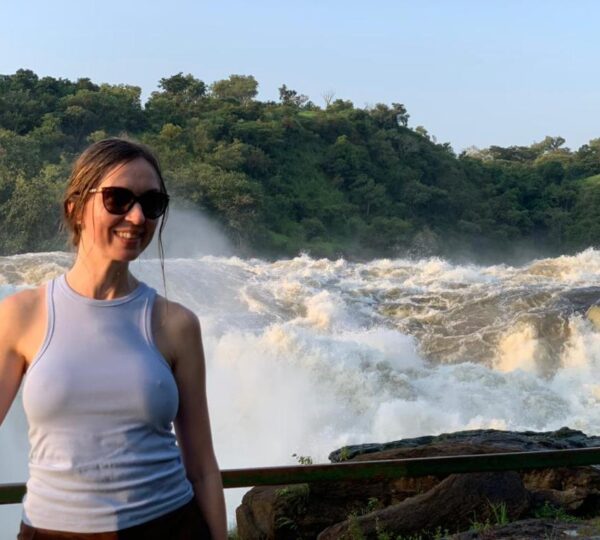
Murchison falls
Where the Money Actually Goes
| Cost Component | Usually Included | Sometimes Extra |
| Accommodation | Always | — |
| Meals (breakfast, lunch, dinner) | Almost always at safari lodges/camps | Occasionally at budget hotels in gateway cities |
| House wine, beer, soft drinks | Usually | Premium or imported spirits often billed separately |
| Game drives (shared vehicle) | Almost always, typically twice daily | A private vehicle usually costs more |
| Park, conservancy, or concession fees | Often included at private camps | Frequently separate for national park lodges |
| Airstrip transfers | Usually | — |
| Laundry | Often at higher-end camps | Rare at budget properties |
| Flying doctor / medical evacuation cover | Sometimes | Often a small separate purchase, and worth having regardless |
| Domestic flights between parks | Rarely | Usually quoted and billed separately |
| International flights | Never | Always separate |
| Gratuities for guides and staff | Never | Always separate, budgeted by the traveler |
| Visas | Never | Always separate |
| Specialty activities (balloon flight, gorilla permit, private guide) | Rarely | Almost always priced per activity |
What Actually Pushes the Price Up or Down
Accommodation Style
Budget tented camps and mid-range lodges sit at the lower end, offering comfortable but simpler rooms, shared game-viewing vehicles, and set-menu dining. Luxury camps add private plunge pools, personal butlers, bespoke dining, and design that edges toward architectural showcase. Both deliver a genuine safari. The difference is comfort and exclusivity, not access to wildlife.
Exclusivity of the Land
This is the factor most first-time travelers underestimate. A lodge inside a busy national park, competing with dozens of other vehicles at every sighting, will often be cheaper than a camp on a private conservancy where your vehicle might be the only one at a sighting, and where night drives and walking safaris are actually permitted. That exclusivity is a genuine cost driver rather than a markup for its own sake, since private conservancies pay landowners and communities directly for access, and that cost is baked into your nightly rate.
Group Size and Vehicle Type
Shared game drive vehicles, typically up to six or seven guests, are the standard inclusion and the reason costs stay manageable. A private vehicle, guide, and driver for just your party costs considerably more but hands you full control over timing, pace, and how long you’re willing to linger.
Season
As covered in our guide to safari timing, peak season, roughly June through October in East Africa and May through September in Southern Africa, commands the highest rates, sometimes 20 to 40 percent above green-season pricing at the very same property.
Country and Region
Kenya and Tanzania generally offer the widest spread of accommodation across price points, making them accessible to a broader range of budgets. Botswana has deliberately positioned itself toward low-volume, high-value tourism, so its camps sit at a consistently higher price point even at the “affordable” end.
South Africa offers some of the best value on the continent, thanks to a genuinely wide range of self-drive and mid-range lodge options sitting alongside its ultra-luxury properties.
Budget Tiers: What to Expect at Each Level
Budget ($250–$450 per person, per night): Comfortable tented camps or simple lodges, shared game drive vehicles, set menus, often inside busier national parks. A genuinely good introduction to safari life.
Mid-range ($450–$900 per person, per night): Well-appointed rooms or tents, strong guiding, a mix of park and conservancy locations, often with a private vehicle option available. This is where most of our clients land for a first safari.
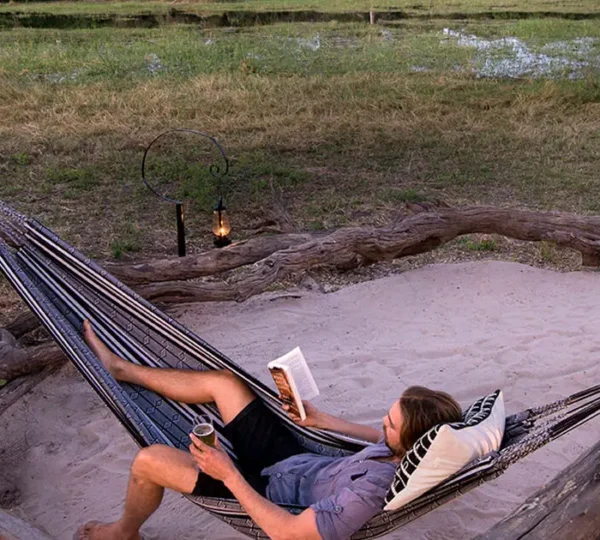
Africa safari
Luxury ($900–$1,500 per person, per night): Private conservancies, exceptional guiding, elevated design and service, additional activities like walking safaris or sundowners bundled into the rate.
Ultra-luxury ($1,500+ per person, per night): Extremely low guest counts, private concessions, bespoke everything, often including a private vehicle and guide as standard rather than an upgrade you have to ask for.
What’s Almost Never Included
International flights to your gateway city, visas, travel insurance, gratuities, and any specialty activity like a hot air balloon safari, a gorilla trekking permit, or a scuba add-on in Zanzibar all sit outside the nightly rate. Gratuities in particular catch first-time travelers off guard.
A reasonable budget is roughly $15 to $20 a day for your guide, plus a similar pooled amount for camp staff, though this varies by country and is worth confirming with your consultant before you travel.
Gorilla trekking permits deserve their own mention given the scale of the cost: Rwanda’s permits currently run around $1,500 per person, while Uganda’s sit closer to $800. These are government-set fees, entirely non-negotiable, and always billed separately from your lodge rate.
A Real Comparison: Two Seven-Night Kenya Itineraries
Numbers land better with a genuine example. Consider two seven-night Kenya safaris, both covering the Masai Mara, Amboseli, and Lake Naivasha.
Itinerary A sits at the mid-range tier, roughly $650 per person per night, and includes shared game drives, all meals, house drinks, and park fees, with domestic flights between regions quoted separately at around $900 per person for the full circuit. Total for the safari portion lands close to $5,450 per person, before international flights, tips, and visas.
Itinerary B moves into the luxury tier, around $1,100 per person per night, staying at private conservancy camps bordering the Mara rather than inside the park itself. This includes a private vehicle, night drives, bush walks, and premium drinks, with the same domestic flight structure. Total for the safari portion lands closer to $8,600 per person before extras.
The gap between them, roughly $3,000 per person, buys privacy, a wider range of activities, and considerably less time spent sharing sightings with other vehicles. Neither is the wrong choice. It depends entirely on what you value most for that particular trip.
Payment Structure and Deposits
Most operators, us included, require a deposit to secure camp bookings, typically 25 to 30 percent of the total trip cost, with the balance due 60 to 90 days before departure. Because the best camps release limited inventory and book up far ahead during peak season, that deposit is what actually locks your dates, not just registers interest.
Cancellation policies vary significantly by property and season, and camps in high demand during July through September often carry stricter, non-refundable terms closer to departure. Read these terms carefully, and ask whether “cancel for any reason” travel insurance makes sense for your specific trip, particularly for expensive luxury or ultra-luxury bookings.
Hidden Costs Worth Asking About Upfront
A few line items catch travelers off guard even after a careful quote comparison. Visa fees for East African countries typically run $50 to $100 per person and are sometimes payable online in advance or on arrival, depending on nationality and current entry requirements, so confirm this closer to your travel dates rather than trusting older information.
Travel insurance with medical evacuation coverage isn’t always included, and remote camps genuinely rely on air evacuation in a real emergency, so we treat this as a non-negotiable line item rather than an optional add-on.
And curio shop purchases, spa treatments at luxury lodges, and premium spirits can add up meaningfully on your final camp bill if you’re not tracking them, since these are typically settled directly with the property at checkout rather than billed through your operator.
How to Compare Quotes Properly
When you receive two quotes at different price points, ask for a line-by-line breakdown rather than comparing bottom-line totals. Specifically: confirm whether park and conservancy fees are included or additional, ask whether the vehicle is shared or private and how many guests share it, check whether drinks are house-brand or premium and what’s excluded, ask about single-supplement charges if you’re traveling solo, since these can add 30 to 60 percent to a per-person rate, and clarify whether domestic flights between camps sit inside the total or get quoted separately.
A quote that looks 20 percent cheaper on the surface can end up costing more once you add back excluded park fees and the private vehicle upgrade you’ll actually want once you’re there.
Recommendations by Traveler Type
First-time safari travelers on a defined budget: mid-range lodges in Kenya or Tanzania, shared vehicles, five to seven nights, gives strong value without sacrificing the core experience.
Milestone trips (honeymoons, anniversaries): luxury conservancy camps in Kenya or Botswana, where the privacy and exclusivity genuinely justify the premium.
Families: mid-range to luxury family-friendly lodges with interconnecting rooms or family tents, factoring in that many camps set minimum ages for game drives.
Repeat safari travelers seeking something rarer: ultra-luxury private concessions or specialist experiences like walking safaris and mobile camping, where the cost reflects genuine scarcity rather than polish alone.
Frequently Asked Questions
Is a more expensive safari always a better safari?
Not necessarily “better,” but usually more exclusive, more private, and more comfortable. A well-chosen budget or mid-range safari can deliver outstanding wildlife sightings. Exclusivity and comfort are what you’re paying the premium for, not guaranteed better animals.
Do I need to tip in cash, and how much?
Most camps expect cash tips in US dollars for guides and pooled staff funds, though a growing number now accept tips by card or mobile payment. We give clients a country-specific tipping guide before departure, so there’s no guesswork on the ground.
Are flights between safari destinations expensive?
Domestic light-aircraft flights between parks typically run $150 to $400 per person per leg, and are almost always quoted separately from your lodge rate. They’re often the only realistic way to reach remote camps with no road access.
Can I negotiate safari rates?
Rarely at high-end camps, which operate on fixed rate cards. There’s more flexibility during shoulder and green seasons, when properties sometimes offer stay-pay specials or complimentary nights, which a good consultant will already know about and factor into your quote.