Where to Go for Solo Trips in East Africa?
Where to Go for Solo Trips in East Africa? Solo travel and safari sound, at first, like an odd pairing. Safaris tend to conjure images of shared vehicles, communal dinners, and group game drives. In practice, East Africa is one of the more welcoming regions in the world for solo travelers, precisely because a guided safari builds in social contact and safety in a way independent backpacking often doesn’t. You’re rarely truly alone unless you want to be, and the logistics, guides, drivers, fixed camps, remove much of the uncertainty that makes solo travel intimidating elsewhere.
That said, solo safari travel comes with its own planning considerations, chief among them the single supplement, which we’ll address directly since it catches a lot of first-time solo travelers off guard, and which is genuinely shifting faster right now than at any point in the last decade.
Book Solo, or Try to Join a Group?
Both work well, and the right choice depends on your personality and budget. Joining a scheduled group departure puts you in a shared vehicle with other travelers, which is often the more affordable route and comes with built-in social contact throughout the trip.
Many solo travelers report forming genuine friendships over a week of shared game drives and dinners. Booking a fully private solo safari costs more, given the single supplement, but gives you total control over pace, timing, and itinerary, which some solo travelers value highly precisely because they’re not compromising with anyone else’s preferences.
The Single Supplement Is Finally Starting to Move
For years, the single supplement has been the single biggest deterrent keeping solo travelers away from African safaris, and it’s worth knowing that the industry is genuinely responding to that pressure now, not just talking about it.
Wilderness Safaris has waived single supplements across portions of recent seasons specifically to encourage more solo travelers into its camps, and a growing number of operators are running scheduled small-group departures without a supplement at all, effectively treating the shared-vehicle model as the default rather than the discount option.
Part of what’s driving this is demand. Industry surveys have found that a large majority of travelers now say they’re planning at least one solo trip, with younger travelers leading the shift, and safari operators have noticed.
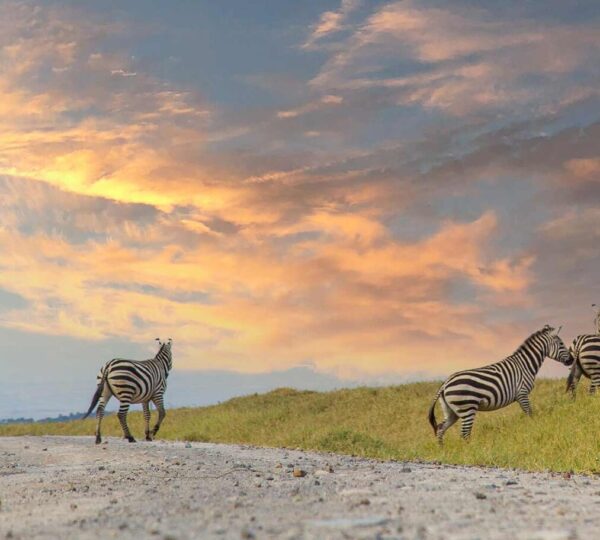
Solo trips in Kenya
Some companies running LGBTQ+-focused departures have found that solo travelers and small like-minded groups share very similar priorities, namely traveling with people they feel comfortable around, and have started designing specific no-supplement departures around that insight.
None of this means the supplement has disappeared. It hasn’t. But it means asking specifically about current promotions, rather than assuming the published rate is fixed, is genuinely worth doing before you book.
Why East Africa Works Particularly Well for Solo Travelers
Guided safaris are inherently structured and social. You’ll spend most of each day with a guide, often joined by other guests in a shared vehicle, and evenings are typically spent around a communal dining area at camp rather than in isolation.
This structure means solo travelers rarely experience the loneliness that can accompany independent solo travel in other contexts. Camps and lodges are also accustomed to solo guests, and staff are generally warm and attentive to travelers dining or relaxing alone.
Add to this the fact that East Africa’s safari circuits are well-established, professionally guided, and considerably lower-risk from a personal safety standpoint than independent backpacking through less structured destinations, and it becomes clear why solo safari travel has grown so significantly in popularity.
Where to Go: Best Destinations for Solo Travelers
Kenya
Kenya’s mature tourism infrastructure and wide range of scheduled group departures make it one of the easiest entry points for solo safari travel. The Masai Mara in particular has options at every budget tier with regular group departure dates, meaning solo travelers rarely struggle to find a compatible group and window.
Tanzania
Slightly less geared toward group departures than Kenya but still very accessible for solo travelers, particularly through operators who specialize in matching solo guests into shared vehicles for the northern circuit (Serengeti, Ngorongoro, Tarangire). Worth confirming this option directly, since not every itinerary offers it by default.
Uganda and Rwanda
Both work well for solo travelers, particularly for gorilla and chimpanzee trekking, where trekking groups are naturally social. You’re grouped with other travelers assigned to the same gorilla family regardless of how you booked, creating built-in social contact even on an otherwise private itinerary.
Group Departures vs. Private Solo Itineraries
| Priority | Recommendation |
| Lowest cost | Scheduled group departure, shared vehicle |
| Maximum social contact | Scheduled group departure |
| Full control over pace and itinerary | Private solo safari, accepting single supplement |
| Flexibility to extend or shorten spontaneously | Private solo safari |
| Comfort meeting like-minded travelers | Group departure or gorilla / chimp trekking group |
Understanding the Single Supplement
This remains the biggest budget consideration for solo travelers, and it’s worth addressing plainly. Many camps price accommodation per room rather than strictly per person, meaning a solo traveler occupying a room designed for two often pays a “single supplement,” typically an additional 25 to 60 percent above the standard per-person rate, to cover the camp’s lost revenue from an unfilled second bed. This isn’t unique to safari travel, but it can come as a genuine surprise to travelers used to per-person pricing elsewhere.
A few strategies help manage this. Scheduled group departures typically don’t apply a supplement to the group activity portion, though they may still apply one to accommodation depending on the operator.
Some camps waive the supplement entirely during shoulder or green season as an incentive to fill rooms, and a growing number now run this as a standing policy rather than a seasonal exception. And a small number of properties offer dedicated single rooms at standard rates rather than a couples-room supplement, worth specifically asking us about if solo budget is a top priority.
Budget Planning for Solo Travelers
Beyond the single supplement, solo travelers should budget similarly to any other safari traveler for meals, drinks, activities, and gratuities, since these are typically priced per person regardless of travel companions. Where solo travel actually saves money is in shared costs that don’t apply to a solo booking in the first place, and in the flexibility to choose a shorter or more tightly budgeted itinerary without needing to accommodate a companion’s differing preferences or budget ceiling.
What Solo Travelers Consistently Say Afterward
Feedback from solo clients tends to cluster around a few recurring themes. Many are surprised by how quickly they bond with guides, who often become the most memorable part of the trip precisely because there’s no travel companion competing for that connection and attention.
Several mention that dining alone, which can feel awkward in a city restaurant, feels entirely natural at a safari camp, where communal tables and shared game-drive stories make solo dining the norm rather than the exception.
And a number of repeat solo travelers specifically choose East Africa again for a second or third trip, citing the combination of genuine adventure and reliable structure as a rare pairing they haven’t found as consistently elsewhere.
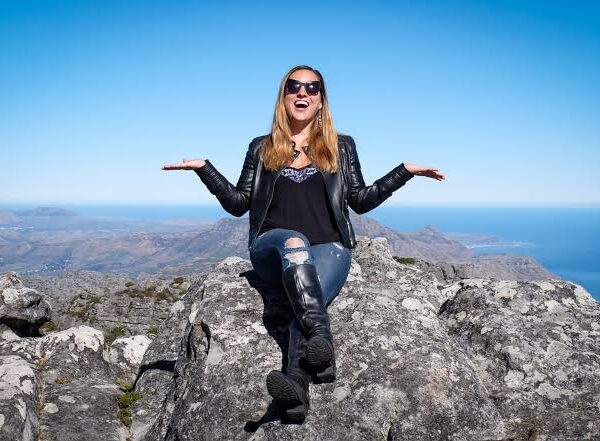
Female Solo Trip
Safety Considerations for Solo Travelers
Guided safaris are inherently well-supervised. You’re rarely without a guide once activities begin, and camps maintain security staff and clear protocols for moving around after dark, since wildlife, not other people, is the primary safety consideration in most safari settings.
That said, standard travel safety practices still apply: sharing your itinerary with someone at home, purchasing comprehensive travel insurance with medical evacuation coverage, and choosing reputable, established operators rather than the cheapest unverified option you find online.
Solo female travelers in particular consistently report feeling well looked after by camp staff and guides across East Africa’s established tourism circuits, and industry figures suggest women now make up the clear majority of solo safari guests.
Best Types of Accommodation for Solo Travelers
Smaller camps, typically under fifteen rooms, tend to suit solo travelers particularly well, since the intimate scale naturally encourages guests to mingle over communal meals rather than disappearing into a large, anonymous resort-style property. Look for camps that explicitly describe communal dining or shared lounge areas in their property descriptions, as opposed to those built primarily around private, self-contained villas designed for couples or families seeking total seclusion.
Both are valid safari styles, but they deliver very different solo experiences. Owner-run or family-run camps often go out of their way to make solo guests feel included, sometimes inviting them to join the manager’s table for dinner, a small touch that repeat solo travelers consistently mention as a highlight.
Combining a Solo Safari With Other Solo-Friendly Activities
Many solo safari travelers extend their trip with a few days in Nairobi, Arusha, or a beach destination like Zanzibar or Diani, both of which have well-developed infrastructure for solo travelers and a wide range of small guesthouses and boutique hotels suited to independent exploration. This kind of bookend, a few relaxed days before or after the more structured safari portion, is a popular way for solo travelers to add flexibility and downtime to a trip built primarily around guided activities.
How We’d Plan This
We’d encourage solo travelers not to let the single supplement alone dictate the entire trip structure. It’s a real cost consideration, but weighing it against the value of a genuinely well-matched itinerary, the right destination, the right pace, the right balance of social contact and solitude, usually points toward a better overall decision than simply chasing the lowest possible per-person rate.
We’re also happy to actively look for group departures with compatible dates if joining other travelers appeals to you, or to build a fully private itinerary if solitude and control matter more, and we’ll flag any current no-supplement promotions running at the camps you’re considering.
Gorilla and chimpanzee trekking deserves a specific mention for solo travelers: because trekking groups are formed based on permit allocation rather than how you booked, this is one of the most naturally social activities available even within an otherwise fully private itinerary, and it’s a favorite recommendation for solo travelers wanting a guaranteed social touchpoint during their trip.
Recommendations by Traveler Type
Budget-conscious solo travelers: scheduled group departures in Kenya, where options and departure dates are most abundant.
Solo travelers prioritizing full control: a private custom itinerary, checking first whether a current no-supplement promotion applies.
First-time solo international travelers wanting extra structure: a well-reviewed group departure with a strong track record of solo guests.
Solo travelers seeking social connection: gorilla or chimpanzee trekking in Uganda or Rwanda, combined with a group-friendly Kenya or Tanzania leg.
Frequently Asked Questions
Is it safe for a woman to travel solo on an East Africa safari?
Yes, broadly speaking. Established safari circuits are well-supervised, guides and camp staff are professional, and solo female travelers make up a significant and growing share of safari guests. Standard sensible travel precautions still apply, and we’re happy to discuss specific concerns and recommend operators with a strong track record for solo female guests.
How much extra will I pay as a solo traveler?
Expect a single supplement of roughly 25 to 60 percent above per-person double-occupancy rates for private accommodation, though this varies by property and season, and a growing number of camps waive it entirely during shoulder season or as an ongoing solo-travel promotion.
Can I request to be paired with other solo travelers to avoid the supplement?
Some operators do offer guaranteed-share programs pairing solo travelers of the same gender to split a room and avoid the supplement, worth asking us about specifically if this appeals to you.
Can I meet other travelers even on a fully private solo itinerary?
Yes, to a degree. You’ll still cross paths with other guests at communal camp meals, at shared sightings on the road, and especially during activities like gorilla trekking, which groups travelers regardless of booking type.
Let Us Plan Your Solo Safari
Whether you’re after the social ease of a group departure or the total flexibility of a private itinerary, we’ll help you weigh the trade-offs honestly, including which camps are currently waiving their single supplement, and find the structure that suits how you actually like to travel. Get in touch and we’ll start mapping out your options.