Lake Mburo National Park: The Complete Guide to Uganda’s Most Accessible Safari Park
Lake Mburo sits in western Uganda, roughly 230 kilometres and a three- to four-hour drive from Kampala or Entebbe, directly along the main road toward Bwindi and Queen Elizabeth. This makes it one of the easiest parks in the country to fold into an existing itinerary, since most travellers pass close by regardless of their final destination. For those flying, scheduled flights connect Entebbe to Mbarara airstrip, under half an hour’s drive from the park’s Sanga gate.
Why Visit Lake Mburo National Park
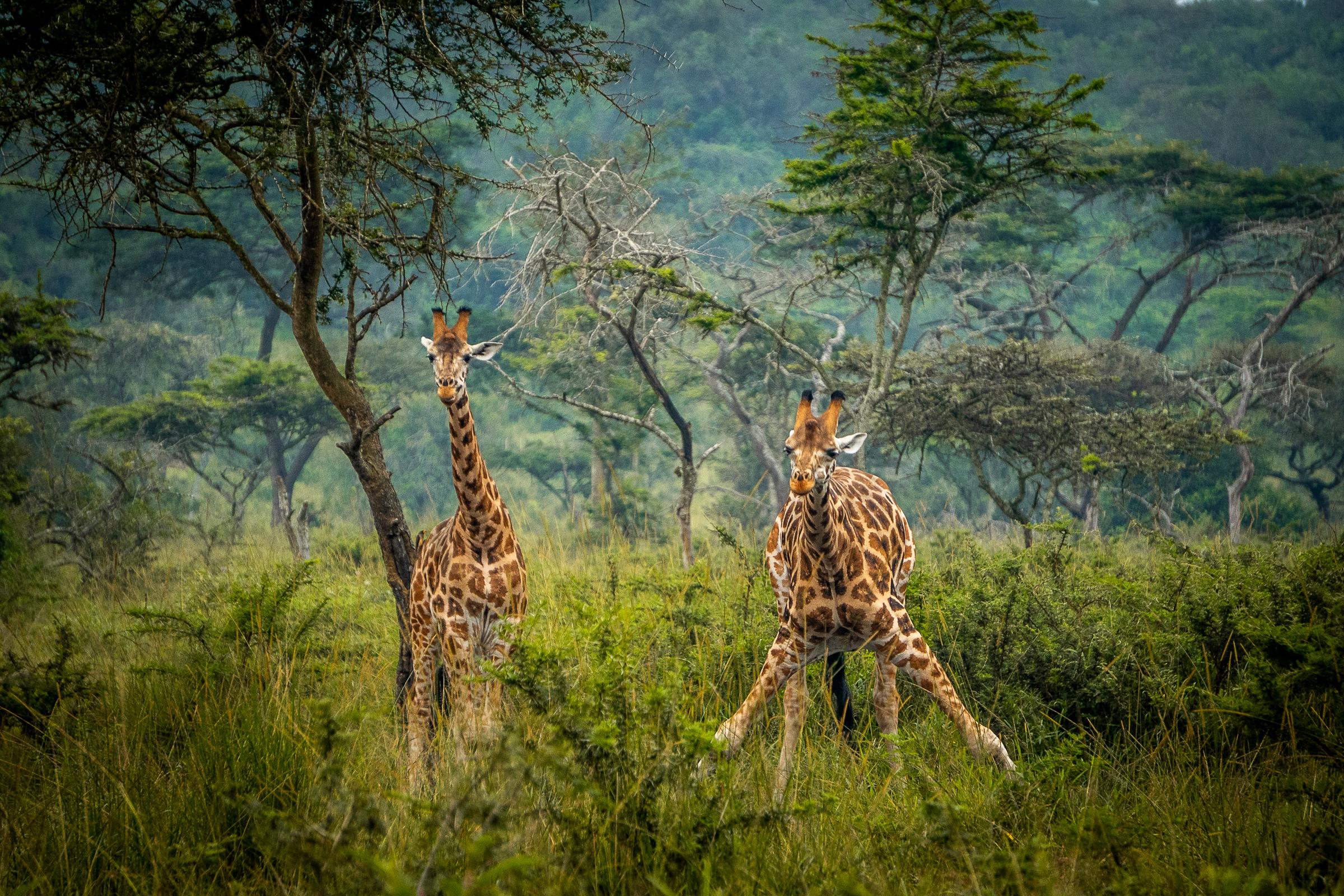
Lake Mburo’s size works in its favour. At around 370 square kilometres, it’s compact enough to explore thoroughly in a day or two, with acacia woodland and open savanna supporting Uganda’s largest population of impala alongside zebra, eland and a healthy population of leopard, seen more often here than in some of Uganda’s larger parks due to the terrain.
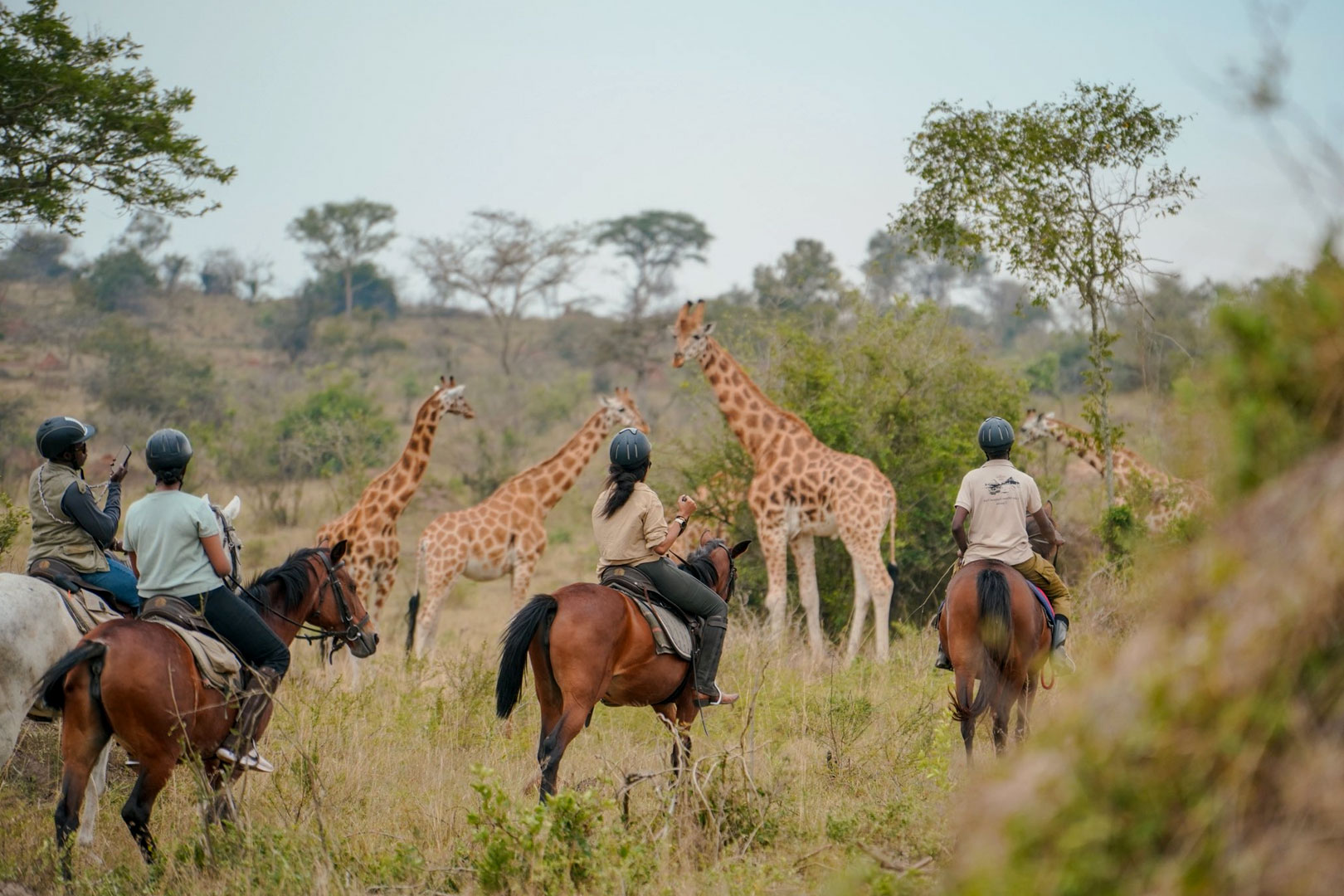
What sets it apart activity-wise is access. Because the park has no lions or elephants, walking and horseback safaris are permitted here in a way they aren’t in most other Uganda parks, letting visitors get remarkably close to grazing animals that show little fear of horses or people on foot. The park’s five interlinked lakes add a boating dimension too, with reliable hippo, crocodile and waterbird sightings on a two-hour cruise.
When to Go: Best Time to Visit Lake Mburo
Lake Mburo’s compact size and reliable water sources make it one of Uganda’s more forgiving parks when it comes to timing. The long dry season, June through August, brings the clearest game viewing as animals concentrate around the lakeshore and remaining water points, and it’s also when horseback and walking safaris are at their most comfortable underfoot. December through February offers a similarly dry, comfortable window with good visibility.
The long rains, March through May and heaviest in April, green up the acacia woodland substantially and bring strong birding conditions, though walking and horseback safaris become muddier and less pleasant. October and November bring a shorter, more intermittent bout of rain that rarely disrupts a visit for more than a few hours at a time. Given the park’s small size and permanent water, Lake Mburo remains a genuinely viable year-round stop, which is part of why it works so well as a flexible overnight break on longer itineraries.
| Season | Months | What to Expect |
| Long dry season | June – August | Best game viewing, animals concentrate near water |
| Short dry season | December – February | Comfortable conditions, good visibility |
| Long rains | March – May | Heaviest rain in April; lush scenery, good birding |
| Short rains | October – November | Intermittent showers, quieter park |
Lake Mburo is a viable year-round destination given its manageable size and reliable water sources, though the dry months from June to August offer the clearest game viewing and firmest conditions for horseback and walking safaris.
Budget Guide: What Lake Mburo Costs
| Item | Approximate Cost (Foreign Non-Resident) | Notes |
| Park entrance fee | $40 per person, per 24 hours | Confirm current UWA rate when booking |
| Horseback safari | $50–60 per person | Roughly two to four hours, based at Mihingo Lodge; longer rides available |
| Boat cruise | Around $30 per person | Two-hour cruise on Lake Mburo |
| Guided walking safari | Around $30 per person | Ranger-led, typically two to three hours |
Lake Mburo is among the most affordable parks in Uganda to visit, with no primate permit costs and lower entrance fees relative to the time spent, making it a good value stop on longer itineraries.
Where to Stay at Lake Mburo
| Tier | Example Style | Best For |
| Luxury | Boutique lodges with stables for horseback safaris | Travellers wanting comfort alongside horse riding |
| Mid-range | Comfortable tented camps overlooking the lake | Most visitors |
| Budget | Campsites and simple guesthouses near the park gates | Overlanders and independent travellers |
Top Attractions in Lake Mburo
The park’s namesake lake sits at the centre of a wider system of five interlinked lakes and wetlands, and that water is what gives Lake Mburo its particular character among Uganda’s savanna parks: reliable, concentrated wildlife viewing in a genuinely compact area. Open savanna and acacia woodland surround the water, supporting Uganda’s largest population of impala alongside healthy numbers of zebra and eland, species that are considerably harder to find elsewhere in the country. Because the park has no elephants and only a small, low-density leopard population rather than lions, it’s also one of the more relaxed environments for observing animals at close range.
Birders find plenty to justify a stop here too, with more than 350 species recorded, including the prehistoric-looking shoebill stork occasionally spotted among the papyrus fringing the lake. A pocket of dry forest known as Rubanga Forest breaks up the otherwise open savanna landscape, supporting primates and forest-dependent bird species that add variety to what would otherwise be a purely grassland experience.
| Attraction | Description |
| Lake Mburo | The park’s namesake lake, part of a system of five lakes and wetlands |
| Savanna and acacia woodland | Open habitat supporting large herds of zebra and impala |
| Zebras and elands | Uganda’s largest population of impala alongside plains zebra and eland |
| Birdlife | Over 350 species, including the shoebill stork on the papyrus fringes |
| Rubanga Forest | Pocket of dry forest supporting primates and forest birds |
Things to Do at Lake Mburo
The horseback safari is Lake Mburo’s signature activity and the reason many travellers add it to their itinerary at all. Because the park has no lions or elephants, the Uganda Wildlife Authority permits mounted safaris here, typically outings of two to four hours from Mihingo Lodge’s stables with an experienced instructor, and the horses let you approach grazing zebra and eland far more closely than a vehicle ever could, since the animals seem to register the horses as unthreatening in a way they don’t with engines and tyres. Longer rides toward the Warukiri ridge add sweeping views over several of the park’s lakes for riders with the time and stamina. Walking safaris offer the same close-proximity advantage on foot, guided by an armed ranger, making Lake Mburo one of the only Uganda parks where you can genuinely walk among plains game rather than viewing it from a vehicle window.
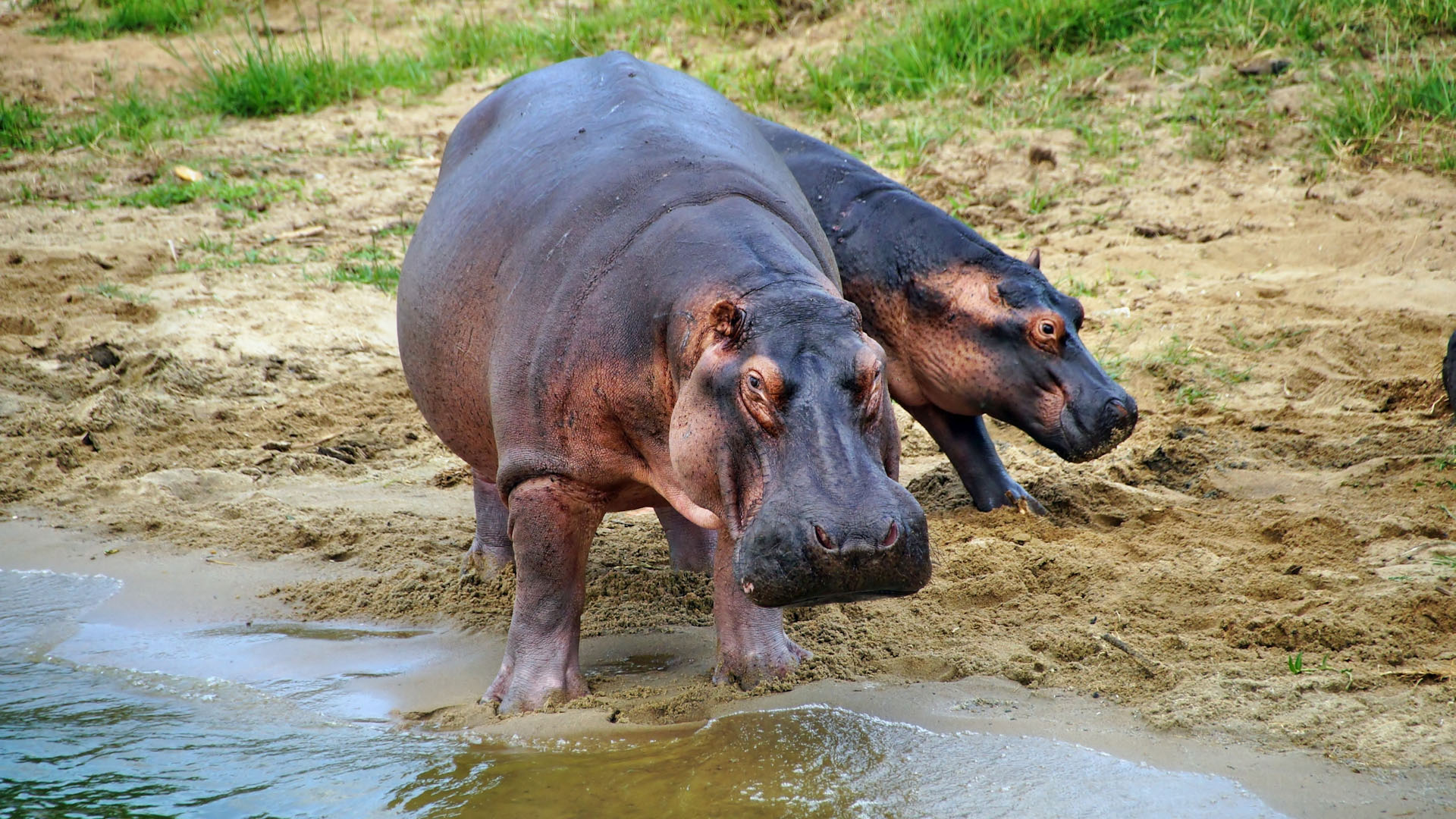
Boat cruises on the lake itself add a water-based dimension, with dependable sightings of hippos, crocodiles and waterbirds over roughly two hours. Traditional game drives, run during the day and at night, cover the park’s savanna tracks for travellers who prefer the classic vehicle-based approach, while cycling routes, particularly around Rwakobo Rock near the Sanga gate, offer yet another way to cover ground at a slower, more active pace, including rides into neighbouring communities. Birdwatching outings around the lakeshore and Rubanga Forest, along with permitted fishing on the lake, round out an activity list that’s unusually varied for a park of Lake Mburo’s modest size.
| Activity | Description |
| Horseback safari | Guided rides among game that tolerate horses more readily than vehicles |
| Boat cruise | Trips on Lake Mburo for close views of hippos, crocodiles and waterbirds |
| Game drives | Day and night drives across the park’s savanna tracks |
| Walking safaris | Ranger-led walks, one of the few Uganda parks permitting foot safaris among big game |
| Cycling | Mountain biking routes through the park and into neighbouring communities |
| Birdwatching | Guided outings around the lakeshore and Rubanga Forest |
| Fishing | Permitted angling on Lake Mburo |
Planning Advice for Lake Mburo
Book the horseback safari ahead if it’s a priority; it’s based at a single lodge and can fill up during peak season.
Treat Lake Mburo as a one- or two-night stop en route to or from Bwindi or Queen Elizabeth rather than a standalone destination.
Combine a morning walking safari with an afternoon boat cruise for a full, varied day without needing a vehicle for either activity.
Because there are no elephants or lions here, it’s one of the more relaxed parks for families with children wanting a first taste of walking among wildlife.
Pack for warm, open savanna conditions; there’s less forest shade here than in Uganda’s western parks.
Who Lake Mburo Is Best For
Lake Mburo suits travellers looking for an easy, low-cost stop on the way to Uganda’s more famous parks, families and first-time safari-goers wanting a gentle introduction to walking and horseback activities, and horse-riding enthusiasts specifically, since it’s genuinely the best place in the country for that activity. It’s a less compelling standalone destination for travellers with limited time who are prioritising big game or primates.
Frequently Asked Questions
Is Lake Mburo worth visiting if I’m also going to Queen Elizabeth or Murchison Falls?
Yes, particularly as a convenient overnight stop given its location directly along the main southwestern route, and because its horseback and walking activities aren’t available in those larger parks.
Why can you walk and ride horses here but not in other Uganda parks?
Lake Mburo has no lions or elephants, the two species that make walking safaris genuinely risky, which allows the Uganda Wildlife Authority to permit on-foot and horseback activities here.
How long should I spend at Lake Mburo?
One to two nights is generally sufficient given the park’s compact size, enough time for a horseback safari, a boat cruise and a game drive.
Is Lake Mburo good for birding?
Yes, with over 350 species recorded, including the shoebill stork, making it a worthwhile stop for birders even on a brief visit.
Can children do the horseback safari?
Most operators set a minimum age or height requirement; check directly with the lodge, as requirements vary.
Is Lake Mburo malaria risk different from other Uganda parks?
No, standard malaria precautions recommended for Uganda apply equally here; consult a travel health professional before your trip.