Akagera National Park
What makes Akagera’s story worth telling in some detail is how recently it was rebuilt. Two decades ago this landscape held no lions and no rhino at all, both lost to poaching and the upheaval that followed Rwanda’s 1994 genocide.
What exists today, a functioning Big Five ecosystem with two rhino species and a growing lion population, is the product of a specific, carefully sequenced restoration effort, and understanding that history changes how a visit here actually feels.
How a Poached-Out Park Became a Big Five Destination
In 2010, the Rwanda Development Board partnered with African Parks, a nonprofit conservation organization, to take over Akagera’s management and begin a methodical recovery: a boundary fence went up to reduce conflict between wildlife and neighboring farming communities, anti-poaching patrols intensified, and a sequence of species reintroductions followed only once security and habitat conditions had measurably improved.
Seven lions arrived from South Africa in July 2015, the first in the park in roughly two decades, followed by two more in 2017 to strengthen genetic diversity. Black rhino followed later that same year, ending a ten-year absence of the species.
White rhino arrived first as a founding group of thirty animals in 2021, then in June 2025 in a genuinely historic single translocation: seventy southern white rhinos flown more than 3,400 kilometers from South Africa aboard a Boeing 747, the largest rhino translocation of its kind ever attempted, substantially expanding a population that had started from almost nothing.
This sequencing matters for setting expectations. Akagera’s wildlife density is real and growing but should be understood as an active recovery rather than a long-settled ecosystem like Kenya’s Maasai Mara or Tanzania’s Serengeti, both of which never lost their large mammal populations to this degree in the first place.
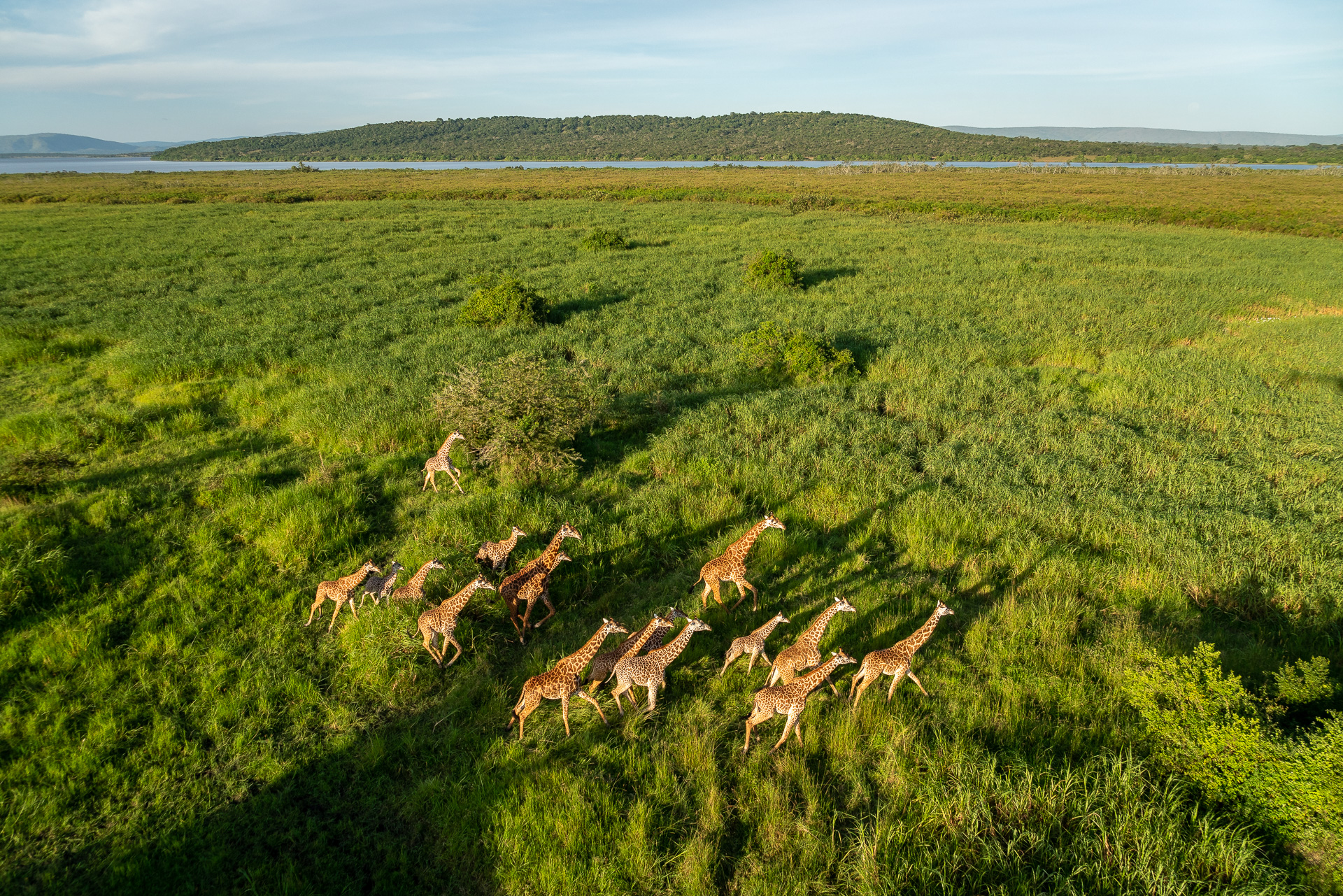
Giraffes in Akagera National Park
The numbers, though, tell a genuinely encouraging story: the lion population, from that original seven, had reached 62 individuals by August 2025 and continues to grow through natural breeding rather than further reintroduction. Elephant numbers, all descended from a founding group of 26 animals relocated from Bugesera District back in 1975, now stand at over 150. Buffalo have grown from fewer than 1,000 historically counted to more than 3,300 today, a population researchers now consider stable rather than still expanding.
What You’ll Actually See
| Species | Current Status | Honest Sighting Likelihood |
| Lion | Reintroduced 2015, population grown to roughly 62 through natural breeding | Good, particularly in the dry season |
| Leopard | Never fully eliminated, persisted in low numbers; now the subject of a dedicated 2026 research study | Lower; genuinely elusive as at most parks |
| Elephant | Survived the park’s difficult decades; now over 150 individuals | Very good |
| Buffalo | Large herds across the central plains, over 3,300 animals | Very good |
| Black & white rhino | Black rhino reintroduced 2017; white rhino population expanded to roughly 100 following 2021 and 2025 translocations | Improving, still a genuine highlight rather than a guarantee |
It’s worth noting that Akagera launched its first comprehensive leopard research project in March 2026, running through September, specifically to build a clearer picture of the species’ numbers, breeding patterns and habitat use within the park, since leopard have historically been the hardest of the Big Five here to study reliably given how effectively they avoid detection even where they’re genuinely present in reasonable numbers.
Water, Not Just Grass
Akagera’s eastern boundary, bordering Tanzania, includes a chain of lakes and papyrus swamp that gives the park a genuinely different character from a pure savanna landscape, and collectively makes Akagera the largest protected wetland in Central Africa.
Lake Ihema supports one of the region’s higher hippo concentrations, along with crocodile and strong birdlife, and the ninety-minute boat cruise here is the only wildlife-focused boat activity in any Rwandan national park, a slower, quieter complement to the vehicle-based game drives that otherwise define the park.
Day Drives, Night Drives, and a Genuine Rarity
Akagera offers both day and night game drives, and the latter is worth calling out specifically, since night drives remain uncommon across East African parks generally and are not available at all in Uganda’s or Tanzania’s most famous reserves. Leopard, the hardest of the Big Five to see here as everywhere, becomes considerably more visible after dark, making a night drive a genuinely useful addition rather than a novelty.
The Partnership Model Behind the Recovery
African Parks manages protected areas across the continent on behalf of national governments, bringing dedicated conservation funding and operational expertise that individual park authorities sometimes lack on their own. Its joint management of Akagera with the Rwanda Development Board since 2010 has become something of a reference case for how this kind of partnership can work at scale, methodical, well-sequenced, and transparent about what has and has not yet been achieved.
The organisation’s wider Rhino Rewild initiative, launched after acquiring the world’s largest captive rhino breeding operation in South Africa in late 2023, aims to relocate more than 2,000 rhinos to safe, well-managed protected areas across the continent over the coming decade, and Akagera’s own translocations sit within that considerably larger continental effort.
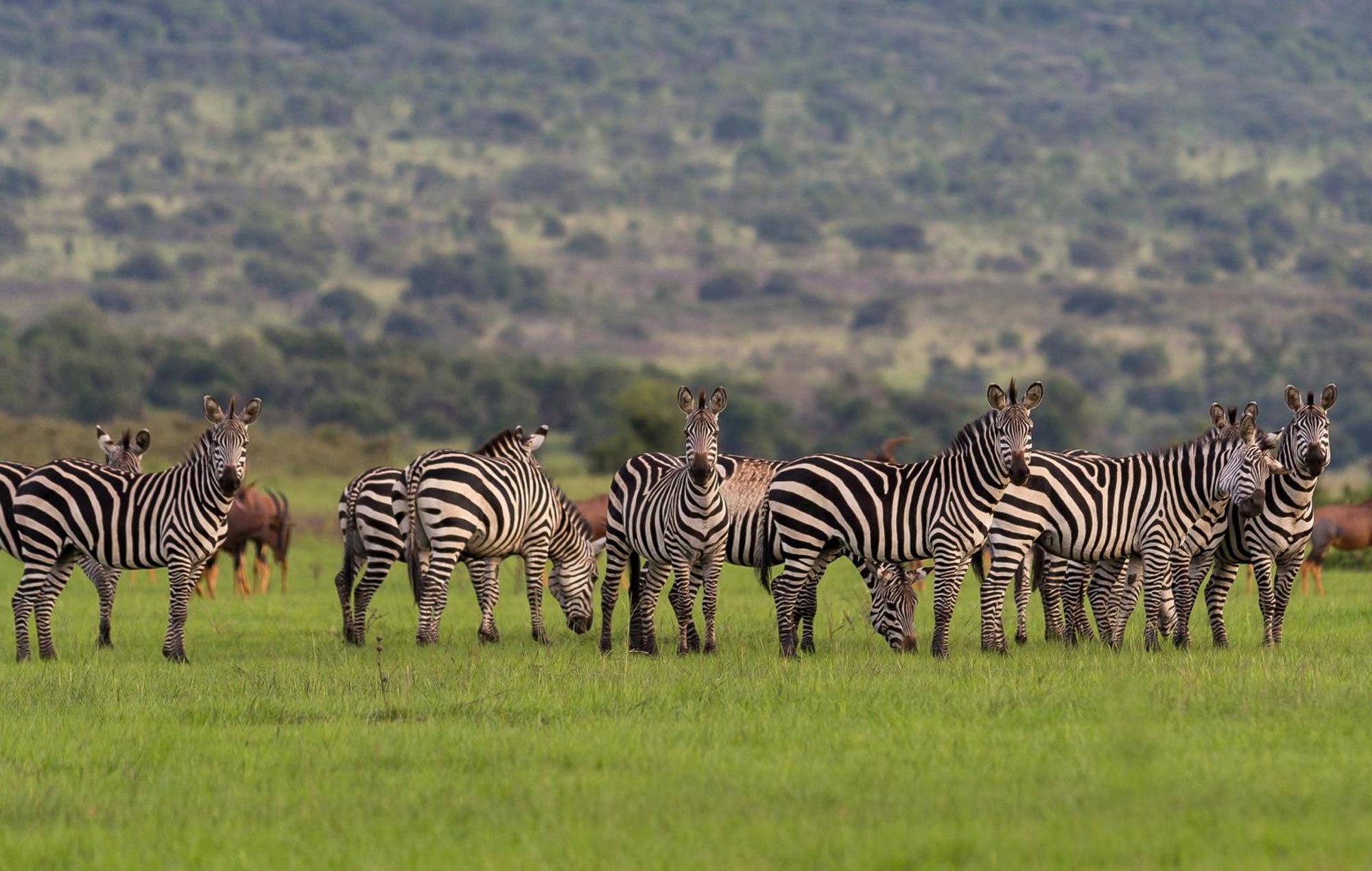
Zebras in Akagera
This wider context matters for understanding why Akagera specifically was chosen for such a significant share of that founding population: the park’s genuinely improved security, its electric perimeter fence reducing human-wildlife conflict, and Rwanda’s broader political stability all made it, in the words of African Parks’ own rhino rewilding project manager, a location that could become an important long-term stronghold for the species’ future across East and Central Africa, not simply a one-off reintroduction site.
Budgeting for a Visit
| Item | Approx. Cost | Notes |
| Park entry (non-resident) | US$40 – 50 per person, per day | Baseline fee, activities priced separately |
| Day game drive | US$40 – 60 per person | Typically 2 – 4 hours |
| Night game drive | US$40 – 60 per person | A genuine rarity in the region |
| Lake Ihema boat cruise | US$30 – 50 per person | 1.5 – 2 hours |
Where the Park Sits and How to Get There
Akagera sits roughly two to two and a half hours from Kigali by road, the most accessible of Rwanda’s major parks from the capital, a genuine contrast to Nyungwe’s four to five hour transfer or even Volcanoes National Park’s shorter but still meaningful drive. This accessibility is part of why we recommend Akagera so readily to travellers building a complete Rwanda circuit, since it adds relatively little transfer time for a genuinely different landscape and species list.
Self-Drive or Guided?
Akagera is one of the more self-drive-friendly parks in the region, with a reasonably well-marked road network across its central plains for confident drivers with a suitable high-clearance 4×4. That said, a guided drive generally delivers meaningfully better sighting rates for leopard and rhino specifically, given how much a ranger’s current knowledge of territories improves the odds for these harder-to-locate species, so we recommend it for first-time visitors even where self-driving is technically an option.
When to Visit
| Season | Months | What to Expect |
| Dry Season | June – September, December – February | Best visibility as wildlife concentrates near remaining water |
| Wet Season | March – May, October – November | Wildlife disperses more widely, lush scenery, strong birding |
Where to Stay
Magashi Camp, on Lake Rwanyakazinga in the park’s quieter northern reaches, Akagera’s luxury standout with strong wildlife viewing directly from camp.
Ruzizi Tented Lodge, near Lake Ihema, well positioned for the boat cruise and central circuits.
Akagera Game Lodge, a comfortable mid-range option with sweeping plains views.
Community campsites near the southern gate, the most budget-friendly option, well suited to self-drive travellers.
Activities to Do in the Park
Day Game Drives
Day game drives cover Akagera’s central plains and northern sector, typically scheduled at dawn or late afternoon when temperatures are cooler and wildlife more active. These drives offer the most reliable sightings of elephant, buffalo, giraffe, and, with some patience, lion, following a network of tracks that vary in condition with recent rainfall.
Night Game Drives
Night game drives reveal an entirely different set of species than daytime viewing allows, particularly leopard, the hardest of the Big Five to see here, along with various smaller nocturnal predators. This activity remains a genuine rarity among East African savanna parks and is worth booking as a distinct, separate outing from a standard day drive.
The Lake Ihema Boat Cruise
This cruise runs roughly ninety minutes to two hours, moving slowly along the papyrus-fringed shoreline for close views of hippo, crocodile, and a strong list of waterbirds. This is the only wildlife-focused boat activity available in any Rwandan national park, and its slower, quieter pace offers a welcome contrast to the dust and engine noise of a vehicle-based drive.
Birdwatching
Birding throughout the park’s wetland and savanna habitat rewards visitors with species distinct from Rwanda’s forest parks, including the rare shoebill stork in the eastern lakes region on fortunate days, alongside African fish eagles, pelicans, and kori bustards across the open plains. The park’s overall bird list runs close to 500 species, a genuinely strong count for a savanna and wetland ecosystem of Akagera’s size.
Self-Driving
Self-driving is a genuine option for confident travellers with a suitable high-clearance 4×4, particularly across the central plains circuit where roads are reasonably well marked. A guided drive, however, generally improves sighting odds meaningfully for harder-to-locate species like leopard and rhino, given a ranger’s current knowledge of territories.
Fishing Excursions
Fishing excursions, arranged through select lodges, offer a quieter activity for travellers wanting a change of pace from game drives, generally focused on the park’s lake systems and requiring no special equipment beyond what the lodge provides.
Walking Safaris
Walking safaris are not currently offered at Akagera given the presence of potentially dangerous game across open terrain, a genuine difference from Uganda’s Lake Mburo, which permits walking specifically because of its lower density of large predators. All wildlife viewing here takes place from a vehicle.
Frequently Asked Questions
Why did Akagera lose its lions and rhino in the first place?
Following Rwanda’s 1994 genocide, large-scale resettlement converted much of the park’s original protected area to farmland, and the resulting poaching and habitat loss eliminated the park’s lion and rhino populations entirely by the early 2000s.
When were rhinos reintroduced to Akagera?
Black rhino arrived in 2017 after a decade-long absence. White rhino arrived as a founding group of thirty in 2021, followed by a further seventy relocated from South Africa in June 2025, the largest single rhino translocation of its kind ever undertaken.
Is Akagera as good as Kenya’s Maasai Mara for wildlife density?
Not yet, and we say so honestly. Akagera’s recovery is genuinely compelling, but its overall wildlife density does not match those older, unbroken ecosystems. It is best understood as a worthwhile complement rather than a substitute.
Can I do night game drives at Akagera?
Yes, a genuine rarity in the region, and a good way to improve your odds of a leopard sighting specifically.
How far is Akagera from Kigali?
Roughly two to two and a half hours by road, the most accessible of Rwanda’s major parks from the capital.
What is the Lake Ihema boat cruise?
A ninety-minute to two-hour cruise offering hippo, crocodile, and strong birdlife, the only wildlife-focused boat activity available in any Rwandan national park.
Can I walk in Akagera the way I can at Uganda’s Lake Mburo?
No. Akagera does not currently offer walking safaris given the presence of potentially dangerous game across open terrain. All game viewing here happens from a vehicle, whether on day or night drives.
How many lions does Akagera have now?
The population reached roughly 62 individuals as of August 2025, up from the original seven reintroduced in 2015, growing entirely through natural breeding within the park rather than further translocation.