Rwenzori Mountains National Park
The Rwenzori Mountains National Park sits in western Uganda, bordering the Democratic Republic of Congo, roughly 370 kilometres and a six- to seven-hour drive from Kampala or Entebbe. Most trekkers base themselves in Kasese or Kilembe, the two main trailhead towns, both reachable by road or via a short flight to Kasese airstrip.
Why Visit the Rwenzori Mountains
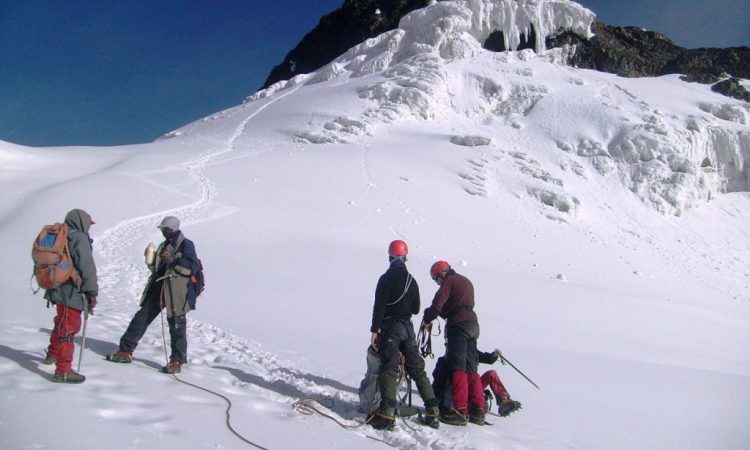
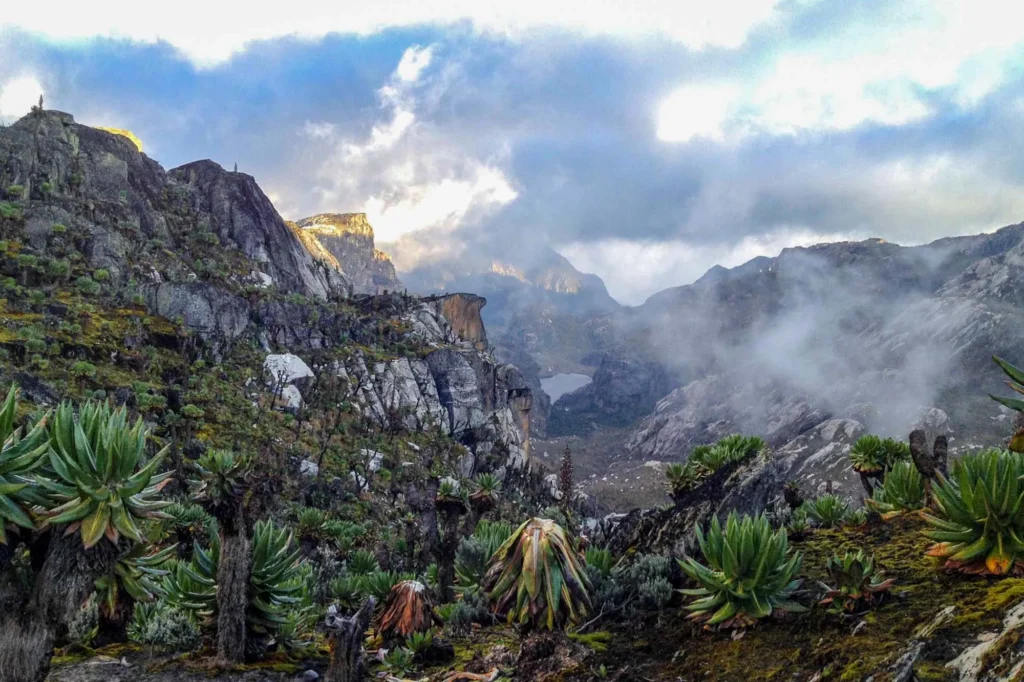
Few mountain ranges anywhere pack in this much ecological variety over such a short vertical distance. Trekkers pass through dense montane forest, then bamboo zones, then heather and moorland studded with giant, otherworldly lobelias and groundsels, before reaching the alpine zone and its retreating but still spectacular glaciers. Margherita Peak, at 5,109 metres on Mount Stanley, is Africa’s third-highest summit and one of the few equatorial glacier climbs left on earth as these ice fields continue to shrink.
Beyond the summit push, which is genuinely technical and reserved for experienced climbers, the range offers shorter treks that stay below the snowline and still deliver dramatic scenery without requiring ice-climbing skills. Lower forest zones hold chimpanzees and over 70 mammal species, giving the park a wildlife dimension that pure mountaineering destinations often lack.
When to Go: Best Time to Trek the Rwenzoris
Timing matters more for the Rwenzoris than almost any other activity in Uganda, since rain at altitude doesn’t just mean discomfort, it materially changes the safety and feasibility of a multi-day trek. June through August, the long dry season, offers the clearest skies and firmest trails, and is when most operators recommend attempting both the standard circuits and the technical Margherita Peak summit. December through February provides a second reliable dry window with similarly good conditions.
The long rains, March through May and heaviest in April, turn the lower forest and bamboo zones into significant mud, and the upper technical sections become considerably more hazardous with reduced visibility and unstable footing. Most operators actively discourage summit attempts during this period. October and November bring wetter, less predictable conditions than the dry months, and while lower nature walks remain viable, multi-day treks are best avoided or approached with a flexible schedule that allows for delays.
| Season | Months | What to Expect |
| Long dry season | June – August | Best trekking conditions, clearer skies |
| Short dry season | December – February | Good visibility, firmer trails |
| Long rains | March – May | Heaviest rain in April; trails become significantly harder |
| Short rains | October – November | Wetter conditions, less predictable |
Rwenzori treks are genuinely weather-dependent in a way few other Uganda activities are, since rain at altitude means mud, poor visibility and higher risk on technical sections. The dry windows of June to August and December to February are strongly preferred, and most operators discourage attempting the multi-day treks during peak rains.
Rwenzori Mountains National Park
Budget Guide: What a Rwenzori Trek Costs
| Item | Approximate Cost (Foreign Non-Resident) | Notes |
| Park entrance and trekking permit | $35 per person, per day | Charged separately for each day inside the park; bundled into most operator quotes |
| Central Circuit trek (around 7 days, no summit) | $1,000–1,600 per person | Includes guides, porters, huts and meals |
| Kilembe Trail with Margherita summit (7–9 days) | $1,300–2,000+ per person | Includes technical guiding for the glacier sections |
| Full multi-peak expedition (Margherita plus others) | $1,800–2,500+ per person | 9–12 days, technical climbing gear included in most packages |
| Shorter nature walks | $30–60 per person | Day trips to Lake Muhooma or Buraro forest |
Multi-day treks are priced as full packages including mountain huts, porters, cooks and park fees, so compare quotes carefully for what’s included, particularly technical climbing gear rental for the Margherita summit route. Costs have trended upward in recent years and generally fall as group size increases, since guide and porter costs are shared across more trekkers.
Where to Stay Around the Rwenzoris
| Tier | Example Style | Best For |
| Trek accommodation | Mountain huts and campsites along the trekking routes | All multi-day trekkers; no alternative on-mountain option |
| Mid-range | Comfortable lodges in Kasese or Kilembe | Pre- and post-trek stays |
| Budget | Simple guesthouses in Kasese town | Cost-conscious trekkers |
Top Attractions in the Rwenzori Mountains
Margherita Peak, at 5,109 metres on Mount Stanley, is the range’s ultimate draw and Africa’s third-highest summit, a genuine mountaineering objective rather than a simple hike. What makes the approach to it so remarkable is the sequence of ecological zones you pass through on the way: dense montane forest gives way to bamboo, then heather and moorland scattered with giant, almost surreal lobelias and groundsels, before the final alpine zone and its glaciers come into view. Those glaciers are themselves a fast-disappearing attraction, among the last remaining equatorial ice fields on earth, and their retreat in recent decades has made seeing them now feel more urgent than it once did.
The range’s UNESCO World Heritage status reflects both this vertical ecological diversity and its exceptional biodiversity, with more than 70 mammal species recorded, including forest elephants and chimpanzees at the lower, forested elevations, a reminder that the Rwenzoris aren’t purely a mountaineering destination but a genuine wildlife habitat as well.
| Attraction | Description |
| Margherita Peak | Africa’s third-highest summit, at 5,109 metres on Mount Stanley |
| Glaciers and snowfields | Equatorial ice fields, increasingly rare and rapidly retreating |
| Afro-alpine vegetation zones | Distinct bands of forest, bamboo, heather and moorland with giant lobelias |
| UNESCO World Heritage status | Recognised for exceptional biodiversity and dramatic landscapes |
| Wildlife | Over 70 mammal species, including forest elephants and chimpanzees at lower elevations |
Things to Do in the Rwenzori Mountains
Multi-day trekking is the core activity here, with two established routes offering different experiences of the range. The Central Circuit, taking around seven days, is the classic route through all the major ecological zones and toward the base of the highest peaks, while the Kilembe Trail approaches from the range’s southern side and is generally considered a slightly less crowded alternative, typically run over seven to nine days when a Margherita summit attempt is included. For trekkers with the time, technical competence and budget, the full Margherita Peak summit expedition extends either route into a nine- to twelve-day undertaking involving genuine glacier travel and basic ice-climbing technique, typically taught and supported by experienced guides along the way.
Not every visitor needs to commit to a multi-day trek to experience the range, however. Shorter nature walks to Lake Muhooma or through the Buraro chimp forest offer a genuine taste of the lower zones without an overnight commitment, and dedicated birdwatching walks through the montane forest cover more than 217 recorded species. Community visits through Kichwamba and neighbouring villages, along with walks to the Karangura ridge, add a cultural and scenic dimension for travellers based near the trailheads without necessarily heading up the mountain itself.
| Activity | Description |
| Mountain trekking | Multi-day treks via the Central Circuit (around 7 days) or Kilembe Trail (7–9 days) |
| Summit climb to Margherita Peak | Technical 9–12 day expedition for experienced climbers |
| Nature walks | Shorter trails to Lake Muhooma and through Buraro chimp forest |
| Birdwatching | Guided walks through the lower montane forest zone |
| Community visits | Village walks through Kichwamba and surrounding communities |
Planning Advice for the Rwenzoris
Train specifically for multi-day trekking at altitude before you arrive; this isn’t a trek to attempt without preparation, regardless of general fitness.
Book several months ahead for the Margherita summit route, since it requires coordinated porters, guides and technical equipment.
Pack for genuinely cold conditions at altitude, including a good sleeping bag, waterproof layers and gloves, even though you start in tropical heat at the trailhead.
Consider a shorter, non-technical nature walk if you want a taste of the range without committing to a multi-day trek.
Build in acclimatisation days on longer routes to reduce the risk of altitude sickness.
Rwenzori Mountains
Who the Rwenzoris Are Best For
This park is built for serious trekkers and mountaineers, ideally those with some prior high-altitude or multi-day hiking experience. It’s not a suitable add-on for travellers wanting a light activity between wildlife stops. For those without the time or inclination for a multi-day trek, the shorter nature walks around Lake Muhooma or Buraro Forest offer a taste of the landscape without the commitment.
Frequently Asked Questions
Do I need mountaineering experience to trek the Rwenzoris?
For the Central Circuit or Kilembe Trail without a summit attempt, no technical climbing skill is required, though good fitness and multi-day hiking experience help considerably. Summiting Margherita Peak does require basic glacier travel and ice-climbing competence, or a willingness to be trained by guides en route.
How does Rwenzori trekking compare to climbing Kilimanjaro?
The Rwenzoris are generally considered more technically demanding and wetter underfoot, with less-developed trail infrastructure, but they see far fewer climbers, offering a much more remote experience.
What’s the shortest way to experience the Rwenzoris without a multi-day trek?
A day trip nature walk to Lake Muhooma or through the Buraro chimp forest offers a genuine taste of the lower zones without an overnight commitment.
When is the safest time to attempt the Margherita Peak summit?
June through August and December through February, avoiding the heaviest rains of March to May.
Are there age restrictions for Rwenzori treks?
Most operators don’t set a strict age limit but assess fitness and prior experience individually, given the demands of multi-day high-altitude trekking.
Is altitude sickness a real risk on these treks?
Yes, particularly above 4,000 metres. Acclimatisation days built into longer itineraries reduce the risk, and trekkers should discuss preventive medication with a travel doctor beforehand.