Are Big Five Animals Dangerous During Rwanda-Uganda Safaris?
February 19, 2026
Are Big Five Safaris Expensive?
February 19, 2026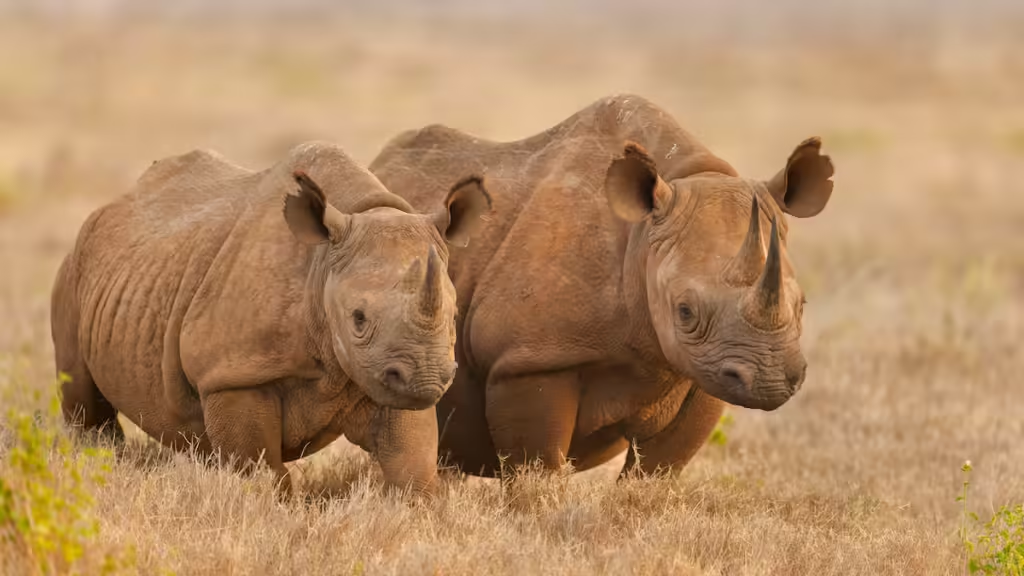
Are Big Five Animals Protected?
Are Big Five animals protected? This critical question is at the forefront of Africa’s conservation and wildlife tourism conversation, shaping the experiences of travelers seeking authentic Uganda Safaris and Rwanda Safaris. The “Big Five” – lions, elephants, buffaloes, leopards, and rhinoceroses – symbolize Africa’s unparalleled biodiversity and represent some of the most sought-after wildlife encounters globally. Across Uganda and Rwanda, these species are safeguarded through stringent conservation measures that include national park protections, anti-poaching initiatives, community-led programs, and carefully regulated safari activities. For travelers, understanding Are Big Five animals protected? is crucial not only for appreciating wildlife responsibly but also for selecting ethical safari operators like Renai Safaris, who integrate sustainability with exceptional adventure.
Rwanda Safaris have evolved to become a model for conservation, particularly within Akagera National Park, where Big Five Safaris provide visitors with thrilling opportunities to witness these iconic animals in their natural habitats. Elephant herds roam freely under rigorous park management, while lions, reintroduced to restore ecological balance, now attract global attention. Rwanda Birding Safaris complement the Big Five experience, allowing nature enthusiasts to observe endemic and migratory species during guided walks, while Rwanda Cultural Safaris provide insight into local communities that actively participate in wildlife conservation. Visitors reach Akagera via Kigali International Airport, followed by a scenic two-hour drive, ensuring accessibility for international travelers. Permit fees are structured to support both park maintenance and community development, averaging USD 40–60 per adult visitor, while guided Big Five Safaris incur additional charges depending on vehicle hire and duration. The best months for a Rwanda Best Safaris experience are during the dry seasons, from June to September and December to February, when wildlife visibility peaks and roads are navigable.
How Are Big Five Animals Protected During Uganda Safaris?
Uganda Safaris provide a living example of the measures implemented to answer Are Big Five animals protected? through both national policy and hands-on park management. Queen Elizabeth National Park and Murchison Falls National Park serve as prime destinations for Uganda Best Safaris and Big Five Safaris, ensuring these species are observed under strict conservation protocols. Anti-poaching units patrol strategic locations, while ranger-led safaris educate tourists about the delicate balance between human activity and wildlife survival.
Visitors to Uganda can integrate Uganda Gorilla Safaris with Big Five Safaris to experience primate habituation in Bwindi Impenetrable Forest while observing lions, elephants, and buffaloes on savannah drives. Uganda Birding Safaris enrich these journeys further, highlighting over 1,000 bird species that inhabit Uganda’s diverse ecosystems. Travelers reach these destinations via Entebbe International Airport, followed by guided drives ranging from three to six hours, depending on the park. Safaris are costed per vehicle and activity, with park entry fees averaging USD 40–60, while specialized Big Five Safaris are priced higher due to the operational logistics involved. Peak wildlife viewing aligns with Uganda’s dry seasons, specifically June to September and December to February. Renai Safaris ensures that clients not only witness Africa’s majestic wildlife but also understand the proactive protection measures that answer the question, Are Big Five animals protected? with authority, transparency, and expertise.
What Cultural Experiences Complement Big Five Safaris?
Exploring Are Big Five animals protected? extends beyond observing wildlife, encompassing meaningful cultural immersion that enhances Rwanda Safaris and Uganda Safaris. Rwanda Cultural Safaris invite travelers to interact with local communities near Akagera National Park and Musanze, where traditional music, dance performances, and storytelling illuminate the historical relationship between humans and wildlife. Visitors may engage in village tours, learn about artisanal crafts, and witness community conservation initiatives designed to mitigate human-wildlife conflicts.
In Uganda, cultural integration occurs through Uganda Cultural Safaris, where tourists meet the Batwa pygmy community or local agricultural villages, gaining firsthand knowledge of how conservation supports livelihoods. Combining these cultural experiences with Uganda Gorilla Safaris or Big Five Safaris creates a holistic safari itinerary, offering diverse perspectives on how ecosystems and societies coexist. Wildlife ethics remain central to all activities; travelers are educated on maintaining safe distances, respecting animal behavior, and supporting anti-poaching programs. This integration enhances the understanding of Are Big Five animals protected? by showing that protection efforts rely on both ecological enforcement and community participation, creating sustainable tourism practices that benefit local populations while safeguarding Africa’s iconic wildlife.
Why Choose Renai Safaris for Big Five Experiences?
Selecting a knowledgeable operator is essential to answer Are Big Five animals protected? with credibility and confidence. Renai Safaris combines extensive field expertise, reliable local partnerships, and fully vetted guides to deliver safe, ethical, and memorable Big Five Safaris across Uganda and Rwanda. Custom itineraries can seamlessly combine Uganda Gorilla Safaris with Big Five Safaris or Rwanda Birding Safaris, providing multi-faceted wildlife experiences without compromising conservation standards.
Travelers are assured transparent costs, detailed planning, and supportive on-ground logistics, establishing trust and positioning Renai Safaris as an authoritative source of Africa Tourism content. Expert guides offer educational briefings that explain species behavior, threats, and active protection measures, answering Are Big Five animals protected? with nuance and clarity. Optimal timing for travel coincides with dry seasons to maximize sightings, while flexible arrangements allow for personalized experiences including photography safaris, guided bird walks, and cultural excursions. Choosing Renai Safaris ensures clients engage with Africa’s wildlife responsibly, witness the Big Five in their natural habitats, and contribute directly to conservation efforts, reinforcing the brand’s expertise, authority, and reliability in the global safari market.