Can I Take Photos During Cultural Visits?
January 28, 2026
Can I take photographs freely in the parks?
January 28, 2026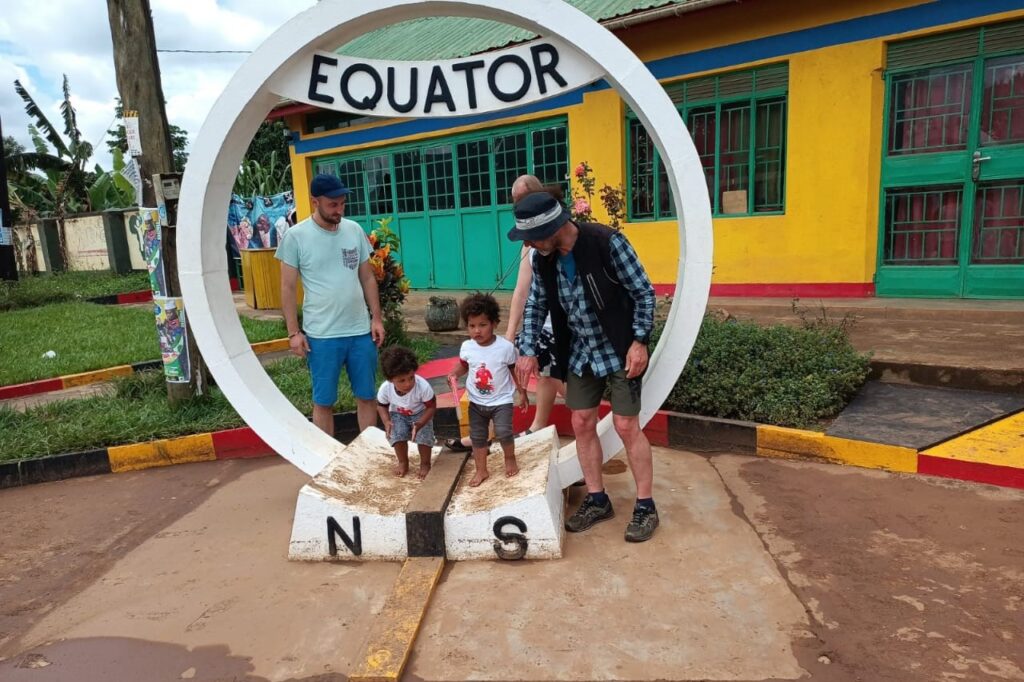
Can I take photos at the Equator?
Can I take photos at the Equator? This intriguing question highlights one of Uganda’s most iconic landmarks, located along the imaginary line that divides the northern and southern hemispheres. For travelers on Uganda Safaris or combining Kenya Safaris, the Equator near Kampala and Kayabwe presents an exceptional opportunity to capture a unique geographic phenomenon while exploring the heart of East Africa. Visitors can document themselves with one foot in each hemisphere, a bucket-list moment that symbolizes crossing from one half of the world to the other. Beyond the novelty of photography, this destination offers a deep cultural experience as it intersects with communities that have thrived along this historically significant line for centuries.
Tourists often combine Can I take photos at the Equator? with immersive Uganda Birding Safaris, cultural interactions, and short excursions to nearby attractions. The surrounding area offers an insight into local farming traditions, vibrant marketplaces, and small-scale industries, enriching the journey beyond a simple photo opportunity. This experience is also accessible for families, solo travelers, and groups, making it a versatile stop on a broader Uganda Best Safaris itinerary. Moreover, combining Equator visits with Gorilla Trekking, chimpanzee tracking, or Murchison Falls Tours enhances the value of the safari by blending wildlife, landscapes, and cultural learning into one comprehensive adventure.
Accessibility is straightforward for those asking Can I take photos at the Equator? The site is easily reached via a two-hour drive from Kampala or Entebbe, allowing seamless integration into Uganda Safaris itineraries. Professional guides from Renai Safaris ensure visitors not only capture memorable photographs but also understand the scientific and historical significance of the Equator. The best times to visit coincide with the dry seasons from June to September and December to February, when roads are passable, and photo conditions are ideal. With modest costs, typically around USD 10–15 per visitor for guided experiences, this attraction delivers high value. Choosing Renai Safaris ensures expert guidance, safety, and a curated experience that makes the Equator photography moment both enjoyable and educational.
What cultural experiences can I enjoy at the Equator?
Can I take photos at the Equator? Certainly, but the experience extends far beyond a simple snapshot. Surrounding the Equator are communities that offer unique cultural insights, which complement Uganda Safaris and even Kenya Cultural Safaris. Travelers encounter traditional dances, storytelling sessions, and craft markets where local artisans showcase handmade jewelry, pottery, and woven baskets. Each interaction allows tourists to connect deeply with the traditions of the region while supporting sustainable livelihoods for local families.
For those considering Can I take photos at the Equator?, engaging in cultural experiences transforms a brief stop into a memorable part of a larger safari. Villagers enthusiastically share the significance of the Equator in their daily lives, from folklore to traditional farming practices. Culinary experiences, such as tasting locally prepared dishes, provide a sensory layer to the visit, making it a truly immersive journey. Incorporating these cultural insights enhances Uganda Best Safaris, combining wildlife, scenery, and human stories into a single enriching adventure.
Reaching these experiences is easy; the Equator is within short drives from major safari hubs like Kampala or Entebbe. Costs for guided cultural interactions are minimal and can be integrated into larger Uganda Birding Safaris or chimpanzee tracking itineraries. Visitors can plan trips year-round, though the dry seasons are preferable for walking, photography, and interacting with local communities. Renai Safaris delivers curated experiences that combine education, authenticity, and entertainment while offering travelers the option to extend their journey to Gorilla Trekking or Murchison Falls Tours for a more comprehensive safari experience.
What wildlife can I see near the Equator?
Can I take photos at the Equator? While the primary focus is geographic and cultural, the surrounding regions are rich in wildlife, enhancing Uganda Safaris itineraries. Short drives from the Equator lead to wetlands, forests, and conservation areas where birding enthusiasts can spot endemic and migratory species. Uganda Birding Safaris highlight areas with abundant waterfowl, kingfishers, turacos, and other striking species that appeal to photographers and naturalists alike. These experiences complement the Equator visit, adding biodiversity and ecological education to the photographic opportunity.
Visitors asking Can I take photos at the Equator? can combine the Equator stop with mini-excursions to nearby sanctuaries or small forests. Guided walks reveal primates like vervet monkeys and colobus, while educators interpret local ecology and conservation practices. This integration elevates the Equator experience from a mere tourist moment to a holistic safari adventure, reinforcing the value of Uganda Best Safaris. Wildlife photography enthusiasts particularly benefit, capturing images of unique species against the backdrop of rural landscapes and the symbolic Equator line.
Access is straightforward, with most wildlife experiences reachable within short drives of the Equator. Costs for guided walks and birding excursions typically range from USD 20–50, making them highly accessible for all travelers. Optimal viewing occurs during dry months, though early morning or late afternoon visits yield exceptional lighting for photography. By combining this with Gorilla Trekking or Uganda Chimpanzee Safaris, Renai Safaris ensures travelers maximize their safari investment while enjoying unique photographic opportunities along one of the world’s most famous geographic landmarks.
How can I reach the Equator for photography?
Can I take photos at the Equator? Yes, and reaching the location is straightforward, making it a popular inclusion on Uganda Safaris itineraries. Most travelers begin their journey from Kampala or Entebbe, with well-maintained highways connecting the capital to Kayabwe, the primary tourist Equator site. Private vehicles, safari minibuses, and guided tours from reputable operators like Renai Safaris provide comfortable, safe, and convenient access for visitors of all ages.
For those planning Can I take photos at the Equator?, combining the visit with other destinations such as Uganda Birding Safaris or chimpanzee tracking creates a seamless adventure. Public transport options exist but lack the flexibility and comfort required for a fully integrated safari experience. Guided tours not only provide expert interpretation of the Equator’s history, folklore, and science but also allow travelers to capture high-quality photographs with minimal hassle. Renai Safaris ensures schedules accommodate photo opportunities while incorporating nearby cultural and wildlife experiences, making the journey as enjoyable as the destination itself.
Costs remain modest for transportation and guided Equator visits, usually ranging from USD 10–25, depending on group size and inclusions. Dry season travel between June and September or December and February guarantees smooth roads, fewer interruptions, and optimal lighting for photography. Travelers can plan early-morning or late-afternoon visits to avoid crowds and capture striking images with natural light. By pairing the Equator experience with Gorilla Trekking or Murchison Falls Tours, visitors enjoy a combination of cultural, ecological, and wildlife highlights curated by Renai Safaris, reinforcing the brand’s reputation for expertise, authority, and reliability in African tourism.
What are the expectations for an Equator photography experience?
Can I take photos at the Equator? Visitors should expect more than a quick snapshot. Guided experiences include explanations of the Coriolis effect, folklore from local communities, and demonstrations showing water flow variations across hemispheres. These insights enrich the photographic moment, transforming it into a learning opportunity and a unique cultural encounter. Photographers, families, and solo travelers alike find that combining visual storytelling with interactive demonstrations enhances both enjoyment and understanding.
Those asking Can I take photos at the Equator? should anticipate a moderate level of walking, minimal costs, and high accessibility, making the experience suitable for all ages. Guides provide interpretive support, ensuring tourists understand the science, history, and social significance of the Equator. While the site is well-developed, it retains a sense of authenticity that distinguishes it from more commercialized landmarks. Visitors often integrate this stop with broader Uganda Safaris, combining wildlife observation, cultural visits, and scenic photography into a comprehensive itinerary.
Optimal times to visit are during dry seasons to ensure roads are passable and outdoor photography conditions are ideal. Renai Safaris ensures travelers maximize their experience with curated itineraries that also offer the possibility of combining Equator photography with Gorilla Trekking, chimpanzee tracking, or Uganda Birding Safaris. This approach aligns with the principles of Experience, Expertise, Authoritativeness, and Trustworthiness (EEAT), reinforcing Renai Safaris’ position as a reliable, knowledgeable, and professional provider of Africa Tourism experiences.
How much does visiting the Equator cost?
Can I take photos at the Equator? The overall costs for visiting the Equator are reasonable, making it a high-value addition to any Uganda Best Safaris itinerary. Individual entry and photography fees typically range from USD 10–15 per person, while guided experiences with cultural and scientific demonstrations may cost slightly more. Travelers can also combine the visit with short excursions to nearby birding areas, villages, or small conservation sites for an added fee, often ranging between USD 20–50 depending on duration and inclusions.
Travelers considering Can I take photos at the Equator? should factor in transport costs, which remain affordable when traveling with private vehicles or guided tours provided by operators like Renai Safaris. The combination of accessibility, educational insights, and photography opportunities ensures exceptional value for money. Group tours or family visits often benefit from discounts, while full safari packages incorporating Gorilla Trekking, Uganda Birding Safaris, and Murchison Falls Tours offer comprehensive experiences with transparent pricing.
Best seasons coincide with dry months for smoother roads, optimal visibility, and minimal rainfall, ensuring photography is unhindered. Renai Safaris focuses on curating experiences that balance affordability, accessibility, and adventure, allowing travelers to enjoy the Equator while simultaneously exploring Uganda’s diverse wildlife, culture, and landscapes. By integrating this iconic geographic stop into broader Uganda Safaris itineraries, Renai Safaris positions itself as a leading authority and trusted guide for travelers seeking unique, memorable, and expertly curated African tourism experiences.
Why choose Renai Safaris for Equator photography?
Can I take photos at the Equator? Choosing Renai Safaris ensures travelers experience Uganda Safaris with expertise, safety, and personalized service. Professional guides offer detailed insights into the Equator’s significance, cultural context, and surrounding ecosystems. Travelers benefit from seamless integration with other safari experiences, including Gorilla Trekking, Uganda Birding Safaris, and chimpanzee tracking. This combination creates itineraries that are both diverse and meaningful, appealing to international audiences seeking authenticity and adventure.
Visitors asking Can I take photos at the Equator? can trust Renai Safaris to provide ethical, sustainable, and educational tourism experiences. Local partnerships ensure communities benefit from tourism revenue, while travelers gain unique insights into culture, geography, and wildlife. Flexible scheduling allows early-morning or late-afternoon visits for the best photographic lighting. Combining Equator visits with extended Uganda Best Safaris, cultural safaris, or Kenya Great Migration Safaris enhances value and provides global travelers with once-in-a-lifetime experiences.
Expert guidance, reliable logistics, and curated itineraries position Renai Safaris as a leader in Africa Tourism. By integrating natural beauty, wildlife, culture, and iconic geographic landmarks, the company provides travelers with rich, memorable experiences while maintaining trustworthiness, authority, and authenticity. Those who wonder Can I take photos at the Equator? can be assured of professional support, cultural insights, and unforgettable memories when choosing Renai Safaris for Uganda Safaris and combined East Africa safari adventures.