Do I Need Travel Insurance for Walking Safaris in Uganda?
December 1, 2025
Do I Need Special Permits for Birding in Uganda?
December 1, 2025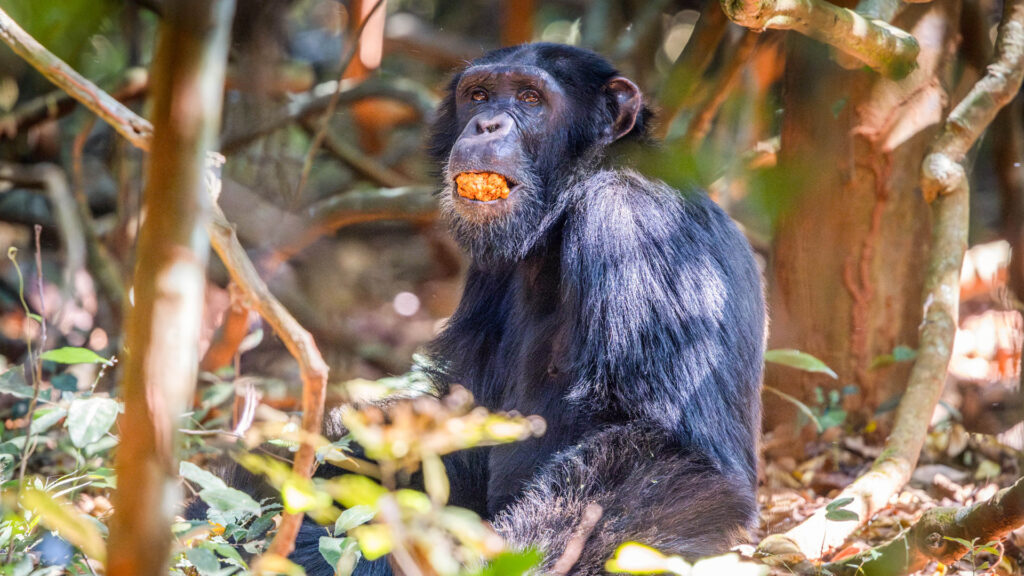
Do I Need to Be Fit for Chimpanzee Tracking in Uganda
One of the most common questions from travelers planning Uganda Safaris is: Do I need to be fit for chimpanzee tracking in Uganda? This question is crucial because chimpanzee trekking is one of Uganda’s most exciting wildlife experiences, attracting nature enthusiasts, primate lovers, and families from all over the world. Unlike traditional game drives, chimpanzee tracking involves walking through dense tropical forests in Kibale National Park or Budongo Forest to locate wild chimpanzee communities. While the experience is immensely rewarding, it also requires a reasonable level of physical fitness to navigate uneven terrain, muddy paths, and sometimes steep trails.
Introduction: Why Ask, Do I Need to Be Fit for Chimpanzee Tracking in Uganda?
Uganda Chimpanzee Safaris are designed to be accessible to most travelers, but understanding the physical demands ensures safety, enjoyment, and a memorable wildlife encounter. Many itineraries also allow travelers to combine chimpanzee trekking with Uganda Gorilla Trekking Safaris, Uganda Birding Safaris, or Uganda Wildlife Safaris, offering diverse experiences across Uganda’s forests, savannahs, and wetlands. Travelers often ask: Can less-fit individuals still enjoy chimpanzee tracking? With proper planning, guided support, and tailored itineraries, Renai Safaris ensures that everyone—from moderately active travelers to seasoned hikers—can participate safely and enjoyably in chimpanzee tracking adventures.
Understanding Chimpanzee Tracking: How Physically Demanding Is It?
A key question travelers ask is: Do I need to be fit for chimpanzee tracking in Uganda, and what does “fit” actually mean? Chimpanzee tracking typically involves walking for two to six hours, depending on the location and movement of the chimpanzee group. Trails are often uneven, muddy, and may include small streams or slopes. While you do not need to be an athlete, having basic stamina, balance, and agility will make the experience smoother and more enjoyable.
Guides from Renai Safaris assess the trail conditions and adapt the trek based on the fitness levels of the group. For families or older travelers, shorter, slower treks are possible, while experienced hikers may choose more challenging routes. Many visitors ask: Can children participate in chimpanzee tracking? Children above the recommended age (usually 12 years) can join, provided they are able to walk safely on forest trails with guidance from rangers.
Chimpanzee tracking also provides a unique educational experience. Observing these intelligent primates in their natural habitat allows travelers to learn about social structures, feeding behaviors, and communication patterns. The moderate physical activity is complemented by rich wildlife education, making Uganda Chimpanzee Safaris both adventurous and informative.
Preparing Physically for Chimpanzee Tracking Safaris
Travelers frequently ask: How should I prepare for chimpanzee tracking in Uganda? While professional fitness is not required, some preparation enhances comfort and enjoyment. Simple activities such as walking, light jogging, or hiking before your trip can increase endurance. Wearing proper gear—including trekking shoes, lightweight long sleeves, and a walking stick—helps manage rough terrain and keeps you comfortable in forest environments.
Renai Safaris recommends staying hydrated and using insect repellent, especially in tropical forest conditions. These small preparations allow travelers to focus on wildlife sightings rather than fatigue. Many visitors also ask: Is chimpanzee tracking more physically demanding than gorilla trekking? Generally, gorilla trekking in Bwindi or Mgahinga involves longer treks with steeper slopes, while chimpanzee tracking trails are shorter but may involve dense forest navigation. Both experiences can be tailored to fitness levels, making them suitable for moderately active travelers.
Combining chimpanzee tracking with Uganda Gorilla Trekking Safaris in one itinerary allows travelers to enjoy Uganda’s primates comprehensively. Moderate fitness is sufficient when itineraries are planned with proper pacing, ensuring that both gorilla and chimpanzee encounters remain enjoyable and rewarding.
What Wildlife Can I See While Tracking Chimpanzees?
Travelers often ask: Do I need to be fit for chimpanzee tracking in Uganda, and what wildlife might I see along the way? Beyond chimpanzees, Kibale Forest and Budongo Forest National Parks are rich in biodiversity. Monkeys, baboons, duikers, forest antelopes, and countless bird species are commonly observed during the trek. Walking through forest trails also provides opportunities for Uganda Birding Safaris, allowing visitors to spot species such as African green broadbills, black bee-eaters, and the rare Rwenzori turaco.
For those combining chimpanzee tracking with Uganda Wildlife Safaris, game drives in savannah parks such as Queen Elizabeth National Park or Murchison Falls can complement the forest experience. This combination allows travelers to witness Uganda’s unique ecosystems, from dense forests to open plains, and observe both primates and savannah wildlife within one safari journey. Even travelers with moderate fitness levels can fully enjoy the diversity of wildlife by pacing their trekking and selecting trails suited to their endurance.
Can Walking Trails Be Tailored for Different Fitness Levels?
A frequent question is: Do I need to be fit for chimpanzee tracking in Uganda if I have limited stamina? The answer is yes, but with modifications. Renai Safaris tailors walking trails to accommodate different physical abilities. Guides adjust the pace, choose shorter routes, and take breaks to ensure that everyone can enjoy the experience safely.
Family travelers often ask: Can children and older adults participate in chimpanzee tracking safely? Yes. Guided treks consider age and fitness, making them accessible while still maintaining the thrill of encountering wild chimpanzees. Combining these treks with Uganda Cultural Safaris further enhances the experience, allowing participants to engage with local communities along forest edges and learn about traditional conservation practices. This integration ensures that even travelers with moderate fitness can experience Uganda’s natural and cultural richness fully.
Educational Benefits of Chimpanzee Tracking
Travelers frequently ask: Is chimpanzee tracking in Uganda educational, especially for families and children? Absolutely. Beyond physical activity, the trek teaches visitors about primate behavior, forest ecology, and conservation challenges. Guides provide insights into chimpanzee social hierarchies, feeding habits, and vocalizations, giving a comprehensive understanding of these remarkable animals.
Children and adults alike benefit from seeing wildlife in its natural habitat. Combining Uganda Chimpanzee Safaris with birding and cultural experiences deepens understanding of biodiversity and ecological balance. Families often remark that the educational component makes chimpanzee tracking both meaningful and memorable, fostering early appreciation for conservation and responsible tourism.
Combining Fitness Levels with Gorilla Trekking in Uganda
Travelers often ask: Can I combine chimpanzee tracking with Uganda Gorilla Trekking Safaris even if I am not extremely fit? The answer is yes. Renai Safaris designs itineraries that integrate both experiences while accounting for fitness levels. Gorilla trekking in Bwindi or Mgahinga can be adapted for moderate trekkers, and chimpanzee tracking in Kibale can complement it as a shorter, forest-based adventure.
This combination offers a complete primate safari experience, providing travelers with encounters with both chimpanzees and gorillas. Moderate fitness is sufficient when guided by experienced rangers, making it possible for families, first-time safari-goers, and older travelers to enjoy Uganda Best Safaris that are both adventurous and safe.
Cultural Experiences During Chimpanzee Tracking Safaris
Many travelers ask: Can chimpanzee tracking safaris include cultural experiences? Yes. Forest trails often pass near local communities where visitors can learn about traditional practices, sustainable forest use, and folklore related to primates. Integrating Uganda Cultural Safaris into chimpanzee tracking adds depth, combining wildlife education with cultural understanding.
For instance, communities around Kibale Forest share knowledge about medicinal plants and forest conservation. Travelers gain insights into how people coexist with wildlife, making Uganda Chimpanzee Safaris not just an adventure but a learning journey. Families particularly benefit from these combined experiences, as children and adults alike see the interconnectedness of people, wildlife, and ecosystems.
Conclusion: Do I Need to Be Fit for Chimpanzee Tracking in Uganda?
In summary, the answer is: you need moderate fitness for chimpanzee tracking in Uganda, but extreme athletic ability is not required. Renai Safaris ensures that treks are safe, enjoyable, and suitable for a wide range of travelers, including families and older participants. Trails can be adjusted based on fitness, and guides provide assistance, information, and support throughout the trek.
Combining Uganda Chimpanzee Safaris with Uganda Gorilla Trekking Safaris, Uganda Birding Safaris, and Uganda Cultural Safaris offers a multi-dimensional experience that balances adventure, education, and cultural immersion. Moderate fitness ensures that you can fully engage with Uganda’s forests, observe primates and birds, and participate in meaningful encounters with local communities.
By choosing Renai Safaris, travelers enjoy professionally guided treks that highlight Uganda’s wildlife, culture, and conservation efforts. Uganda Best Safaris are designed for accessibility, ensuring that moderate fitness is sufficient to experience the country’s most iconic primate safaris, making them both unforgettable and rewarding for all travelers.