Why is Serengeti National Park Famous in Tanzania?
December 29, 2025
Why is Jinja Called the “Source of the Nile”?
December 29, 2025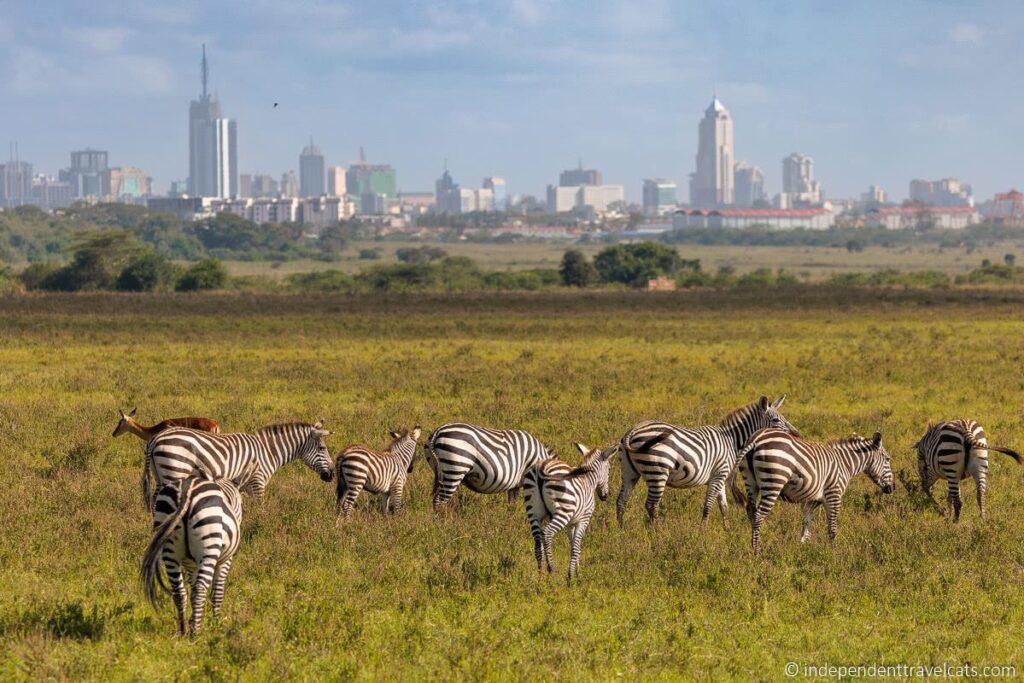
Why is Nairobi called the “Safari Capital of the World”?
Why is Nairobi called the “Safari Capital of the World”? This iconic question defines the heart of African travel dreams and sets the foundation for understanding Nairobi’s unmatched position in global tourism. Renai Safaris presents this authoritative safari overview to explain how Nairobi uniquely blends wilderness, culture, conservation, and connectivity into one extraordinary destination. Positioned at the gateway of East Africa, Nairobi offers travelers immediate access to authentic Kenya Safaris without leaving the city limits, a distinction no other capital city can claim. Rising against a backdrop of modern skylines, Nairobi National Park showcases free-roaming wildlife such as lions, giraffes, rhinos, and buffalo, reinforcing Why is Nairobi called the “Safari Capital of the World”? through lived experiences rather than marketing slogans.
Globally minded travelers value destinations that combine accessibility with authenticity, and Nairobi excels at both. International airports, luxury lodges, conservation centers, and cultural heritage sites exist within minutes of each other, making the city a launchpad for Kenya Best Safaris and cross-border adventures. Seamlessly, visitors transition from urban sophistication to raw nature encounters, reinforcing trust and authority in Nairobi’s safari reputation. Furthermore, Nairobi acts as the central hub for Kenya Birding Safaris, Kenya Cultural Safaris, and Kenya Great Migration Safaris, positioning it as the starting point for life-changing journeys.
Equally significant, Nairobi’s tourism ecosystem reflects responsible travel, community inclusion, and conservation leadership. Renai Safaris emphasizes these values to strengthen brand credibility and traveler confidence. Ultimately, Why is Nairobi called the “Safari Capital of the World”? becomes clear when one realizes that no other destination delivers such immediate, diverse, and meaningful safari experiences while connecting travelers to Uganda Safaris and Gorilla Trekking adventures across the region.
How Does Nairobi National Park Define the Safari Capital Identity?
Why is Nairobi called the “Safari Capital of the World”? The answer begins inside Nairobi National Park, a protected wilderness located just minutes from the city center. Uniquely, this park offers classic Kenya Safaris with dramatic city backdrops, creating one of the world’s most photographed safari scenes. Towering skyscrapers frame roaming rhinos, lions, and cheetahs, delivering a rare contrast that enhances Nairobi’s global safari identity. Established in 1946, the park represents Kenya’s long-standing conservation commitment, reinforcing authority within the Africa Tourism Industry.
Strategically, Nairobi National Park serves as a practical introduction for first-time safari travelers seeking immersive wildlife encounters without long transfers. Morning game drives, guided walking safaris, and photography tours provide flexibility for short stays and extended itineraries. Conservation experiences at the David Sheldrick Wildlife Trust and the Giraffe Centre add emotional depth, allowing visitors to understand wildlife protection efforts firsthand. These elements collectively answer Why is Nairobi called the “Safari Capital of the World”? through education and engagement.
Culturally, nearby Maasai villages introduce guests to the Maasai People, enriching Kenya Cultural Safaris with storytelling, traditional dances, and pastoral lifestyles. Accessibility remains effortless, with the park reachable within 20 minutes from Jomo Kenyatta International Airport. Cost expectations range from affordable half-day safaris to premium private tours, making Nairobi inclusive for varied budgets. Best visiting periods align with dry seasons from June to October and January to February. Ultimately, Nairobi National Park proves that Why is Nairobi called the “Safari Capital of the World”? is rooted in proximity, preservation, and powerful storytelling curated by Renai Safaris.
Why Is Nairobi the Gateway to Kenya Great Migration Safaris?
Why is Nairobi called the “Safari Capital of the World”? This reputation is reinforced by its role as the primary gateway to the legendary Maasai Mara, home to the Kenya Great Migration Safaris. Every year, millions of wildebeest and zebras traverse the Mara River, creating one of nature’s most dramatic spectacles. Nairobi’s central location and superior transport infrastructure make accessing this phenomenon seamless, strengthening its safari authority.
Efficient connections by road and air allow travelers to reach the Maasai Mara within hours, making Nairobi the preferred starting point for Kenya Best Safaris. Charter flights depart daily, while scenic drives offer cultural immersion through rural landscapes. Renai Safaris curates personalized itineraries that combine Nairobi experiences with extended stays in the Mara, ensuring comfort, safety, and authenticity. These curated journeys consistently answer Why is Nairobi called the “Safari Capital of the World”? through logistical excellence.
Cultural depth further enriches the migration experience, as visitors engage with the Maasai People, learning about traditional customs, warrior heritage, and sustainable coexistence with wildlife. Costs vary based on accommodation style, ranging from mid-range lodges to luxury tented camps. Peak migration viewing occurs between July and October, though wildlife remains abundant year-round. Significantly, Nairobi also enables easy safari extensions into Uganda Safaris, creating regional circuits. Thus, Why is Nairobi called the “Safari Capital of the World”? becomes evident through its unmatched connectivity to Africa’s most celebrated wildlife event.
How Do Kenya Birding Safaris Strengthen Nairobi’s Safari Reputation?
Why is Nairobi called the “Safari Capital of the World”? Beyond big game, Nairobi excels as a birding paradise, positioning itself as a key destination for Kenya Birding Safaris. Over 500 bird species inhabit Nairobi National Park and surrounding wetlands, attracting ornithologists and nature enthusiasts worldwide. This biodiversity elevates Nairobi’s tourism profile and reinforces expertise in niche safari experiences.
Strategically, Nairobi provides immediate access to varied habitats including savannahs, riverine forests, and grasslands, ensuring year-round birdwatching opportunities. Professional guides from Renai Safaris deliver expert interpretation, enhancing trust and educational value. Seasonal migratory species enrich sightings between November and April, making birding safaris rewarding throughout the year. These ecological advantages continually answer Why is Nairobi called the “Safari Capital of the World”?
Accessibility remains a defining strength, with birding sites reachable within short drives from city hotels. Cultural integration adds depth, as local communities share conservation practices and traditional ecological knowledge. Costs for Kenya Birding Safaris remain flexible, accommodating budget travelers and specialized tours alike. Importantly, Nairobi’s birding experiences complement Uganda Birding Safaris, allowing travelers to combine destinations seamlessly. Consequently, Why is Nairobi called the “Safari Capital of the World”? is validated by its leadership in diverse and sustainable wildlife tourism.
What Cultural Safaris Make Nairobi a Global Safari Hub?
Why is Nairobi called the “Safari Capital of the World”? Cultural Safaris form a vital part of the answer, with Nairobi serving as a cultural crossroads of East Africa. The city offers immersive encounters with the Maasai People, whose traditions, attire, and oral histories define Kenya Cultural Safaris. Through organized village visits and cultural centers, travelers gain meaningful insight into indigenous heritage.
Museums such as the Karen Blixen Museum and Nairobi National Museum enrich cultural understanding by contextualizing Kenya’s colonial and pre-colonial history. Renai Safaris integrates these experiences to create balanced itineraries that honor authenticity and respect. These curated encounters reinforce Why is Nairobi called the “Safari Capital of the World”? by blending wildlife and human narratives seamlessly.
Accessibility ensures convenience, with cultural sites located close to major hotels and safari departure points. Costs remain reasonable, supporting community tourism and responsible travel. Optimal visiting periods align with dry seasons, though cultural experiences remain available year-round. Importantly, Nairobi’s cultural safaris complement Uganda Cultural Safaris, allowing travelers to experience shared traditions across borders. Ultimately, Why is Nairobi called the “Safari Capital of the World”? is strengthened by its ability to connect people, history, and nature into a unified safari story.
How Does Nairobi Connect Travelers to Uganda Safaris and Gorilla Trekking?
Why is Nairobi called the “Safari Capital of the World”? Its role as a regional connector becomes evident through seamless access to Uganda Safaris. Nairobi functions as a strategic transit hub linking Kenya experiences with Uganda Gorilla Trekking, Uganda Chimpanzee Safaris, and Murchison Falls Tours. Well-coordinated flights and road networks enable smooth cross-border itineraries curated by Renai Safaris.
Bwindi Impenetrable Forest offers life-changing Gorilla Trekking encounters, while Kibale Forest provides unforgettable chimpanzee tracking experiences. These adventures pair naturally with Nairobi-based safaris, creating comprehensive East African journeys. Murchison Falls Tours add dramatic landscapes and river safaris, enhancing itinerary diversity. Such regional integration consistently answers Why is Nairobi called the “Safari Capital of the World”?
Cost expectations vary based on permit availability and accommodation standards, though Renai Safaris ensures transparent planning and value optimization. Best travel periods span June to September and December to February. Cultural interactions in Uganda mirror Kenyan traditions, enriching cross-cultural understanding. Therefore, Why is Nairobi called the “Safari Capital of the World”? lies in its unmatched ability to unify East Africa’s most iconic safari experiences.
Why Choose Renai Safaris for This Safari Experience?
Why is Nairobi called the “Safari Capital of the World”? Choosing Renai Safaris ensures this question is answered through expertly curated journeys grounded in trust, professionalism, and deep regional knowledge. Our experience in Kenya Safaris and Uganda Best Safaris guarantees seamless planning, ethical tourism, and personalized service.
Commitment to safety, conservation, and community empowerment defines our operational standards. Transparent pricing, knowledgeable guides, and responsive support establish authority and reliability in the Africa Tourism Industry. Renai Safaris designs itineraries that reflect traveler interests, whether wildlife, birding, culture, or photography. These values reinforce Why is Nairobi called the “Safari Capital of the World”?
Strategic partnerships across Kenya and Uganda allow flexible combinations, including Gorilla Trekking and Murchison Falls Tours. With optimal travel timing advice and clear cost expectations, travelers gain confidence and clarity. Ultimately, Why is Nairobi called the “Safari Capital of the World”? is best experienced through Renai Safaris, where expertise transforms destinations into lifelong memories.