
Mikumi National Park
Mikumi is Tanzania’s fourth largest national park at 3,230 square kilometers and the most accessible significant safari destination from the country’s largest city, without requiring the flight-only access that defines Ruaha or Gombe further afield.
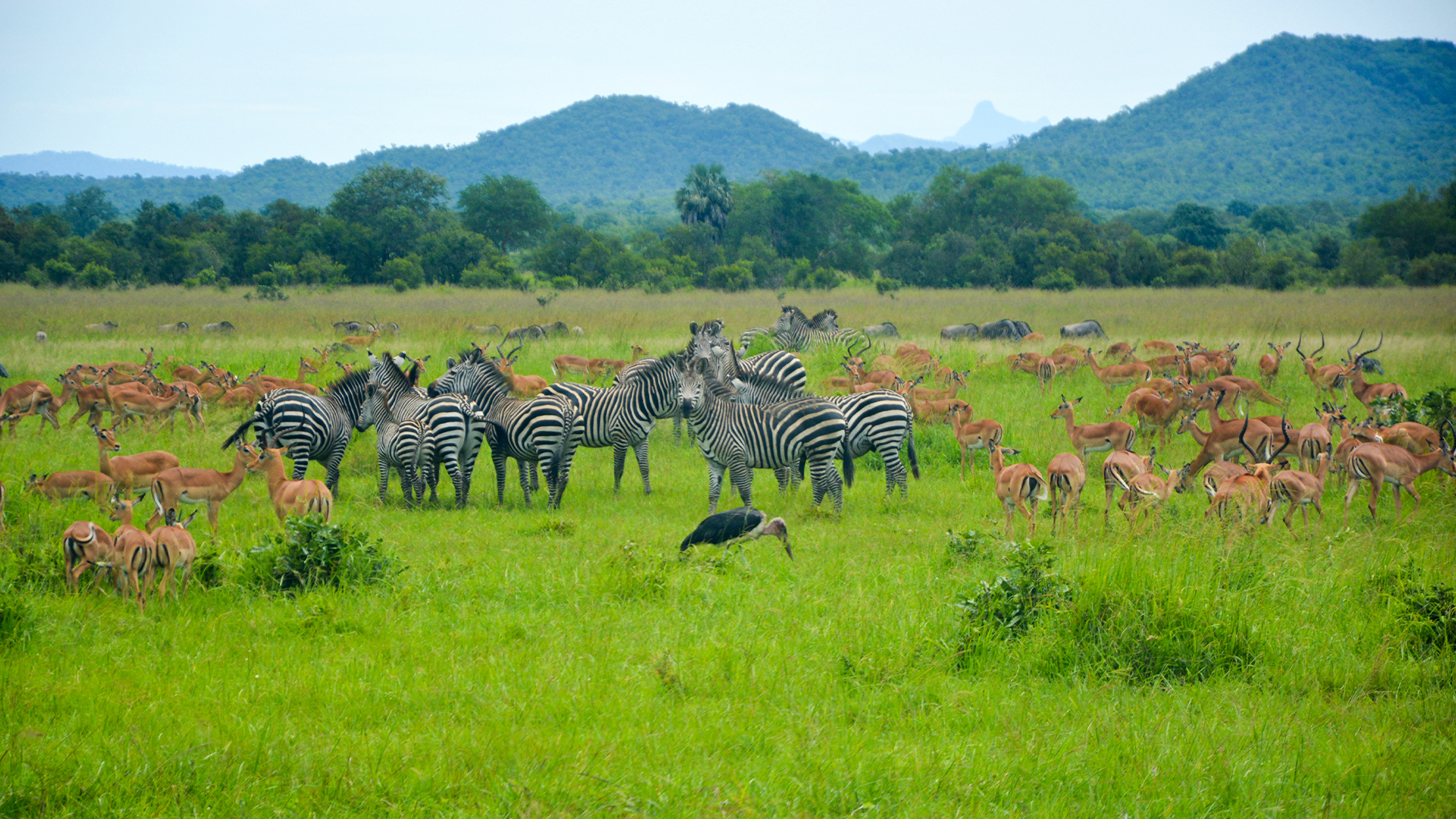
What makes Mikumi worth consideration, rather than a fallback for travellers unable to reach the north, is the Mkata floodplain, an open grassland expanse so reminiscent of the Serengeti’s classic scenery that it has earned the nickname mini-Serengeti among guides and repeat visitors.
Lion, giraffe, zebra, and buffalo move across this plain in numbers that genuinely reward a properly allocated multi-day stay rather than the rushed day trip many Dar-based itineraries default to.
Should You Visit Mikumi?
Mikumi suits travellers based in or transiting through Dar es Salaam who want a genuine safari experience without the time and cost of reaching the northern circuit: the park’s accessibility makes it a natural fit for business travellers extending a Tanzania trip, or leisure travellers building an itinerary around the southern coast and Zanzibar rather than the north.
The honest comparison to Serengeti is that Mikumi’s wildlife density, while genuinely good, does not match its northern namesake, and the park lacks any equivalent to the wildebeest migration’s scale and drama. We position it clearly as an excellent southern alternative for travellers whose itinerary logic favours Dar es Salaam and the coast, not as a substitute for a dedicated northern circuit trip.
Why Mikumi Matters
The Mkata Floodplain
This open grassland expanse, bordered by the Uluguru and Lumango mountain ranges, gives Mikumi its signature scenery and its most productive game viewing, with lion, giraffe, zebra, buffalo, and impala all concentrated across the plain’s grazing areas, particularly during the dry season.
Genuine Accessibility From Dar es Salaam
Mikumi’s position along the main road connecting Dar es Salaam to Tanzania’s southern regions makes it reachable by a straightforward four to five hour drive, or an even shorter domestic flight, a genuine logistical advantage over Ruaha or the western circuit parks that require considerably more committed travel.
A Link to the Wider Nyerere Ecosystem
Mikumi borders the vast Nyerere National Park, formerly part of the Selous Game Reserve, meaning its ecosystem connects to one of the largest protected wildlife areas in Africa, giving elephant and other wide-ranging species considerably more room to move than the park’s own boundaries alone would suggest.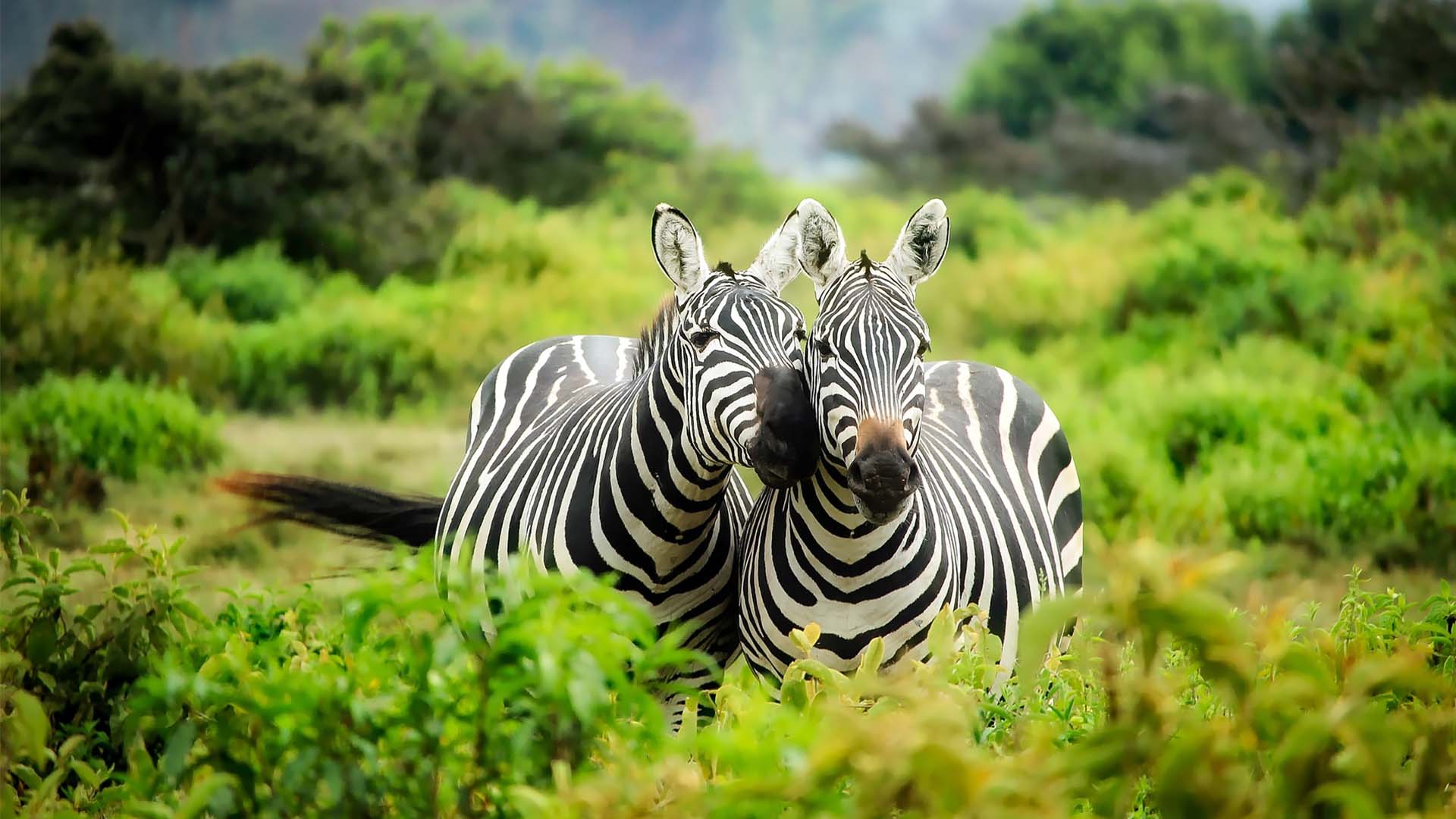
Activities to Do in the Park
Game Drives
Game drives across the Mkata floodplain form the core activity, with morning and late afternoon drives offering the strongest chances at lion, giraffe, zebra, and buffalo against the open grassland’s dramatic mountain backdrop.
Walking Safaris
Offered in select areas with an armed ranger, walking safaris provide a slower, more detailed exploration of the park’s grassland and woodland edge, revealing smaller wildlife and plant life that a vehicle-based drive typically passes over.
Birdwatching
Mikumi rewards visitors with a strong list drawing on both the floodplain’s open grassland species and the surrounding woodland’s forest birds, a genuinely rewarding secondary activity alongside standard game drives.
Vuma Hills Viewpoint
Overlooking the floodplain from an elevated vantage point, this viewpoint offers a scenic stop combining wide views over the Mkata plain with a good chance of spotting distant elephant and buffalo herds.
Vervet Monkey Watching
Along the park’s main road and lodge areas, black-faced vervet monkey watching offers an easy, low-effort wildlife encounter, given how habituated and visible this species has become around Mikumi’s more developed sections.
Combining with Udzungwa Mountains
A short drive further south, Udzungwa Mountains National Park adds a forest-and-waterfall hiking dimension for travellers with extra time beyond the standard savanna game drives.
A Note on Mikumi’s Predators
While the Mkata floodplain’s grazing species are the park’s most visible draw, Mikumi also holds a resident lion population and, with more patience, leopard, both benefiting from the floodplain’s open sightlines that make predator activity considerably easier to spot here than in denser woodland parks elsewhere in the country.
Where Mikumi Fits on a Tanzania Itinerary
Mikumi sits roughly four to five hours from Dar es Salaam by road, or a considerably shorter domestic flight, making it a natural addition for travellers building an itinerary around the southern coast, Zanzibar, or business travel through Dar rather than the northern safari circuit.
When to Visit
| Season | Months | What to Expect |
| Dry Season | June – October | Wildlife concentrates on the Mkata floodplain, easier road conditions |
| Wet Season | November – May | Lush scenery, wildlife disperses more widely, fewer visitors |
Budgeting for Mikumi
Non-resident park entry runs at approximately 30 to 35.40 US dollars per person per day, placing Mikumi in Tanzania’s lowest standard fee tier alongside Ruaha, Katavi, and Rubondo Island, considerably below Serengeti or Ngorongoro’s premium pricing, making it one of the most affordable safari parks in the country. This lower entry cost, combined with the park’s genuine road accessibility from Dar es Salaam, is a large part of what makes Mikumi such an efficient option for travellers whose itinerary logic doesn’t otherwise include the northern circuit.
Where to Stay
Lodges overlooking the Mkata floodplain, positioned for the strongest game viewing directly from camp.
Vuma Hills area properties, offering elevated views and a quieter setting away from the main road.
Budget-friendly options near the park’s main gate, suited to travellers on a shorter, more cost-conscious visit.
Frequently Asked Questions
How far is Mikumi from Dar es Salaam?
Roughly four to five hours by road, or a considerably shorter domestic flight, making it the most accessible significant safari park from Tanzania’s largest city.
Is Mikumi as good as Serengeti?
Not in overall wildlife density or scale, though the Mkata floodplain’s scenery and game viewing genuinely earn its mini-Serengeti nickname. It is best understood as an excellent, accessible southern alternative rather than a direct substitute.
Can I do a day trip to Mikumi from Dar es Salaam?
It is possible given the four to five hour drive, but an overnight stay allows considerably better game viewing given the importance of early morning and late afternoon drives.
What wildlife will I see at Mikumi?
Lion, giraffe, zebra, buffalo, elephant, and impala across the Mkata floodplain, along with a strong bird list and highly visible vervet monkey troops around the park’s developed areas.
Can I combine Mikumi with Zanzibar?
Yes, and this is a common pairing for travellers building an itinerary around Dar es Salaam and the coast rather than the northern safari circuit.
Is Mikumi connected to other parks?
Yes, it borders Nyerere National Park, formerly part of the Selous Game Reserve, one of the largest protected wildlife areas in Africa, giving the ecosystem considerably more range for wide-ranging species like elephant.
Are lion and leopard reliably seen at Mikumi?
Lion sightings are reasonably good given the floodplain’s open terrain, which makes predator activity easier to spot than in denser habitats. Leopard remain more elusive, consistent with the species’ behaviour at most parks.