
Ruaha National Park
Most travellers planning a Tanzania safari have never heard of Ruaha, and that is precisely the point for the kind of traveller who eventually asks us about it. Following a 2008 boundary expansion that absorbed the former Usangu Game Reserve and its wetlands, Ruaha now spans roughly 20,226 square kilometres, making it Tanzania’s second-largest national park after Nyerere (formerly Selous), and it remains genuinely under-visited relative to its size and wildlife density, a real contrast to the vehicle congestion that can define peak season at Serengeti or Ngorongoro.
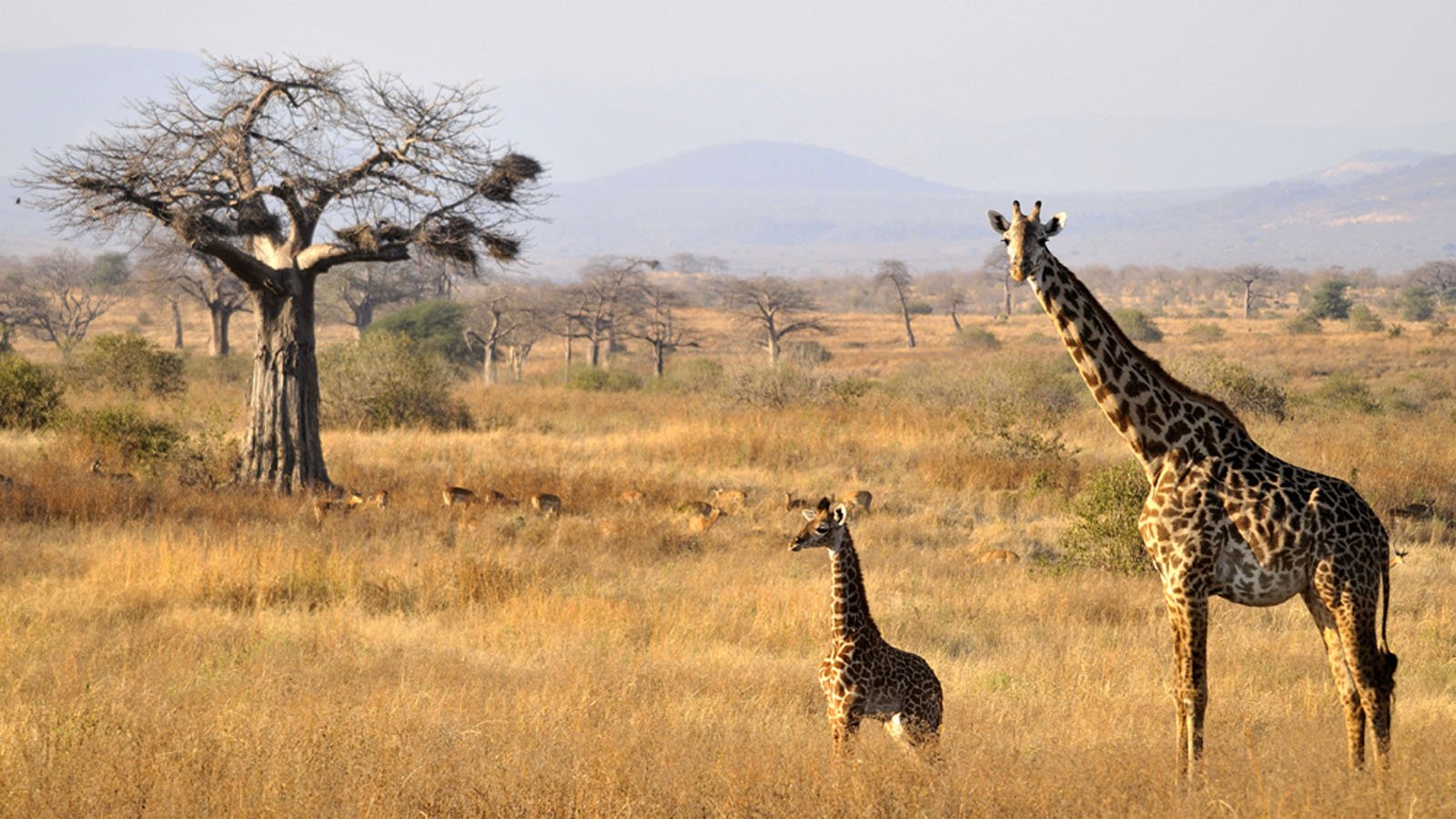
What Ruaha offers instead of crowds is scale and a genuinely different species mix. The Great Ruaha River anchors an ecosystem where East African and southern African wildlife ranges overlap, giving the park both greater and lesser kudu, sable and roan antelope rarely seen on the northern circuit, alongside one of the most significant lion populations remaining anywhere in Africa, all across landscape dotted with its own dramatic baobab trees.
Should You Visit Ruaha?
Ruaha suits experienced safari travellers seeking genuine remoteness and a species list distinct from Tanzania’s northern parks, rather than first-time visitors prioritising convenience: the park’s southern location means considerably longer or more expensive transfers from Dar es Salaam or the northern safari hubs, generally requiring a domestic flight rather than a straightforward road transfer, a real logistical commitment relative to the northern circuit’s well-established infrastructure.
We recommend Ruaha most strongly to repeat Tanzania visitors or dedicated wildlife enthusiasts specifically seeking fewer vehicles and a genuinely different landscape, rather than travellers on a first safari for whom the northern circuit’s efficiency and established infrastructure will likely deliver more value per day spent.
Why Ruaha Matters
Tanzania’s Second-Largest Protected Wilderness
Following its 2008 expansion to absorb the former Usangu Game Reserve and other adjoining wetlands, Ruaha now anchors the wider Rungwa-Kizigo-Muhesi ecosystem, a roughly 45,000 square kilometre protected complex, one of the largest in Africa, giving genuinely vast, largely undisturbed habitat to wide-ranging species like elephant and lion.
A Meeting Point of Two Africas
Ruaha sits at a genuine ecological crossroads, where East African savanna species overlap with southern African miombo woodland wildlife, producing a species list that includes both greater and lesser kudu, sable and roan antelope, alongside the lion, elephant, and buffalo more familiar from the northern circuit.
The Great Ruaha River
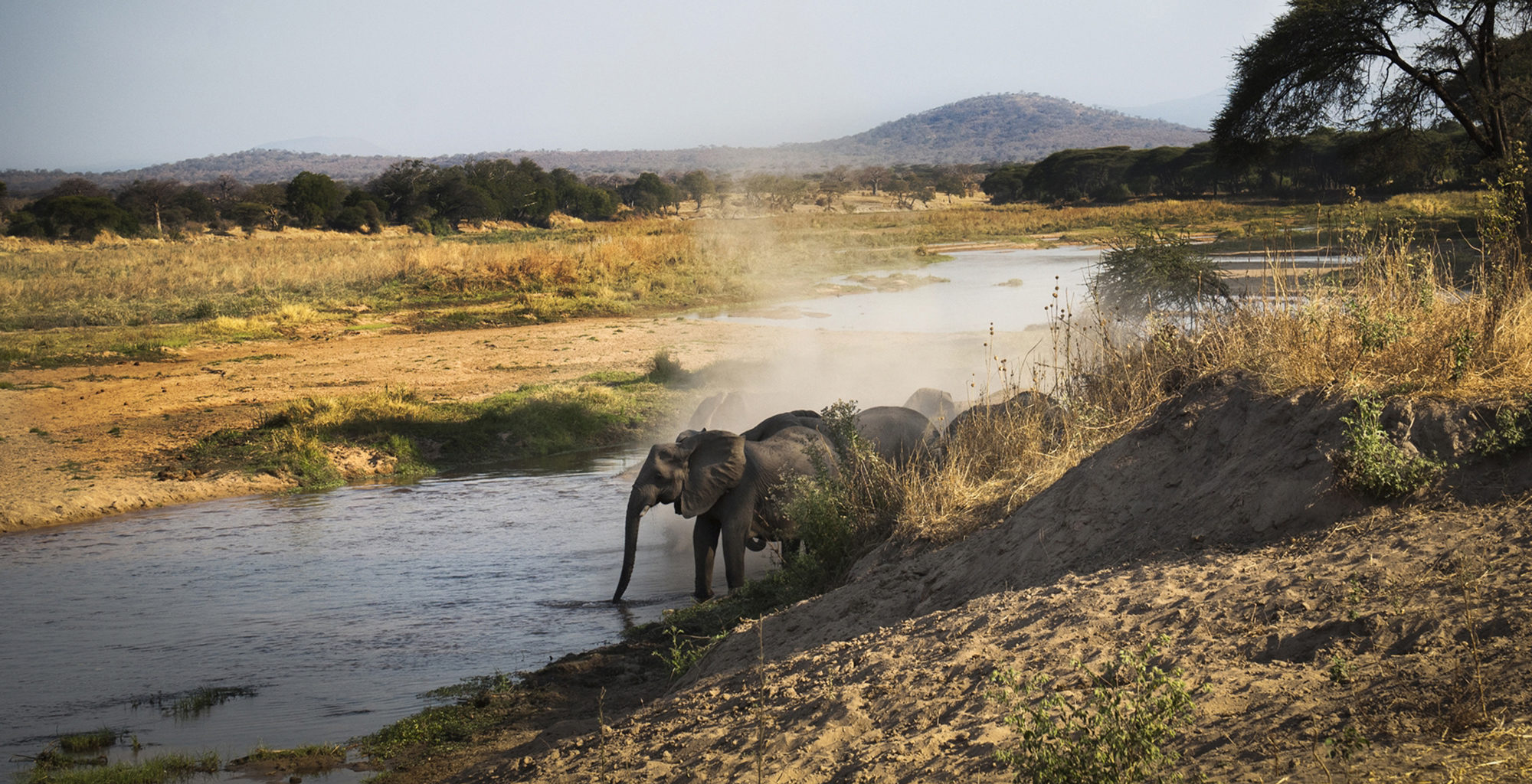
The river that gives the park its name anchors dry-season wildlife concentration much as the Tarangire River does further north, drawing elephant herds and predators to its banks as the surrounding bush turns to dust between the rains.
Activities to Do in the Park
Game Drives
Along the Great Ruaha River and through the park’s baobab-dotted plains, game drives offer the core activity, with dry-season game viewing along the riverbank rivalling the concentration effects seen at Tarangire, but with a fraction of the visitor traffic.
Walking Safaris
Permitted in select areas with an armed ranger, walking safaris allow visitors to explore Ruaha’s miombo woodland and riverine habitat on foot, a genuinely immersive complement to vehicle-based drives given the park’s lower overall visitor density.
Night Game Drives
Offered by select camps within the park’s private concession areas, night drives reveal nocturnal predator activity and smaller species rarely encountered during standard daytime viewing.
Birdwatching
Ruaha rewards visitors with more than 570 recorded species, the highest count of any national park in East Africa, reflecting the park’s position at the overlap of East and southern African bird ranges, a genuinely rich list for dedicated birders.
Fly-Camping
Offered by select high-end operators, fly-camping extends a stay with a night or two under canvas away from a fixed lodge, deep within the park’s more remote sections, a genuinely adventurous complement to a standard multi-day stay.
Photography-Focused Safaris
These benefit considerably from Ruaha’s low visitor density, allowing extended, unhurried time at productive sightings without the vehicle congestion that can affect popular areas of the northern circuit during peak season.
Predators and the Baobab Landscape
The Ruaha-Rungwa ecosystem is estimated to hold around 10 percent of Africa’s remaining lion population, alongside healthy leopard and one of the more significant African wild dog populations left on the continent, a genuinely important draw given how rare reliable wild dog sightings have become across much of East Africa. The park’s baobab-studded landscape, similar in character to Tarangire’s but spread across considerably more territory, adds a striking visual backdrop to game drives throughout the dry season.
Getting to Ruaha
Most visitors reach Ruaha by domestic flight from Dar es Salaam or other regional hubs, given the considerable road distance and travel time an overland journey would otherwise require. This flight-based access is a genuine cost and logistics factor worth planning for early rather than assuming Ruaha fits easily alongside a northern circuit itinerary.
When to Visit
| Season | Months | What to Expect |
| Dry Season | June – October | Dramatic wildlife concentration along the Great Ruaha River, the recommended window |
| Wet Season | November – May | Wildlife disperses more widely, lush scenery, considerably fewer visitors and lower rates |
Budgeting for Ruaha
Non-resident park entry runs at approximately 35.40 US dollars per person per day, placing Ruaha in Tanzania’s lower fee tier alongside Mikumi, Katavi, and Mahale, considerably below the premium pricing at Serengeti and Ngorongoro. That said, the domestic flight required to reach Ruaha adds a meaningful cost beyond entry fees alone, one worth factoring into an overall southern circuit budget from the outset, and it typically outweighs the savings on the entry fee itself.
Where to Stay
Camps along the Great Ruaha River, positioned for the strongest dry-season game viewing.
More remote tented camps deeper within the park’s expanded boundary, suited to travellers prioritising exclusivity and low visitor density.
Ruaha National Park
Frequently Asked Questions
How do I get to Ruaha National Park?
Most visitors fly in via domestic flight from Dar es Salaam or other regional hubs, since the road distance makes overland travel considerably longer and less practical for most itineraries.
Is Ruaha crowded like Serengeti during peak season?
No, this is precisely Ruaha’s appeal. Despite being Tanzania’s second-largest national park, it remains genuinely under-visited, offering considerably lower vehicle density than the northern circuit’s more famous parks.
Is Ruaha the largest park in Tanzania?
It is the second-largest, at roughly 20,226 square kilometres. Nyerere National Park, formerly part of the Selous Game Reserve, is larger, though Ruaha remains the largest park most visitors would recognise as a dedicated safari destination in its own right.
What makes Ruaha’s wildlife different from the northern parks?
Its position at the overlap of East African and southern African ecosystems brings species like greater and lesser kudu, sable, and roan antelope into the same landscape as more familiar lion, elephant, and buffalo populations.
Should first-time Tanzania visitors prioritise Ruaha?
Generally not as a first stop. The northern circuit’s established infrastructure and shorter transfers deliver more value per day for most first-time visitors; Ruaha suits repeat visitors or those specifically seeking remoteness.
Are night game drives available at Ruaha?
Yes, offered by select camps within the park’s private concession areas, revealing nocturnal wildlife activity not visible during standard daytime game drives.
How many days should I spend at Ruaha?
Given the flight required to reach the park, most itineraries allocate at least three to four nights to justify the transfer cost and time, allowing genuine exploration of the park’s river and woodland habitats.
Are African wild dogs regularly seen at Ruaha?
Ruaha holds one of the more significant wild dog populations remaining in East Africa, making it a genuine draw for travellers specifically hoping to see this increasingly rare species, though sightings still require some luck as with any wide-ranging predator.