5 Days Serengeti & Wildebeest Migration Safari
September 18, 2026
10 Days Tanzania & Uganda Safari
September 18, 2026
10 Days Wildebeest Calving Safari
Between January and March, the southern plains around Ndutu and Lake Ndutu fill with newborn wildebeest, and predators follow close behind. This 10 Days Wildebeest Calving Safari is timed specifically for that window, moving through Tarangire, Lake Manyara, the Ndutu Plains, and Ngorongoro Crater before finishing with a rare cultural encounter at Lake Eyasi.
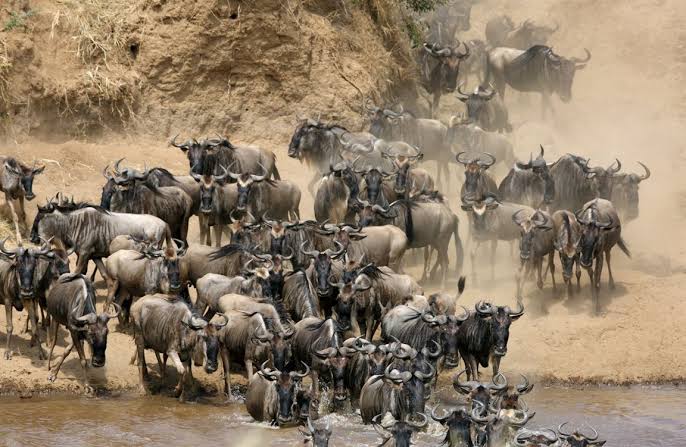
The calving season itself is the centerpiece: two full days in the Ndutu Plains, where wildebeest gather in the highest densities of the year, drawn by phosphorus-rich soil that benefits lactating mothers, and trailed by some of the highest concentrations of lions and cheetahs anywhere in the ecosystem.
Because Ndutu sits within the Ngorongoro Conservation Area, off-road driving is permitted here, giving you far closer access to predators than a standard national park allows.
This itinerary suits travelers specifically targeting calving season and predator action, along with those who want a genuine, low-key cultural encounter with the Hadzabe, one of the last hunter-gatherer communities in the world, rather than a staged cultural stop.
Quick Facts
| Duration | 10 Days / 9 Nights |
| Start / End | Arusha |
| Destinations | Tarangire, Lake Manyara, Ndutu Plains, Ngorongoro Crater, Lake Eyasi |
| Best For | Travelers targeting calving season and predator activity |
| Best Time to Visit | January to March |
| Signature Experience | A morning with the Hadzabe at Lake Eyasi |
Highlights
- Day 1: Arrival in Arusha
- Day 2: Tarangire National Park
- Day 3: Lake Manyara National Park
- Days 4 & 5: Ndutu Plains, Southern Serengeti
- Day 6: Ndutu to Ngorongoro Crater
- Day 7: Ngorongoro Crater
- Day 8: Lake Eyasi
- Day 9: West Kilimanjaro
- Day 10: Departure
Detailed Itinerary
Day 1: Arrival in Arusha
On arrival at Kilimanjaro International Airport, you will be met by your safari guide, who will stay with you for the remainder of the trip. Depending on your arrival time, you will either transfer directly to your hotel or take a short city tour of Arusha’s Cultural Heritage Center or the Shanga Workshop. Enjoy a relaxing evening ahead of your safari.
| Tier | Accommodation |
| Option | Arusha Planet Lodge |
| Option | The African Tulip Hotel |
| Option | Arusha Villa |
| Option | Arusha Coffee Lodge |
Day 2: Tarangire National Park
Drive Time: Approximately 2 hours
After breakfast, drive from Arusha through tribal farmland to Tarangire National Park, with a picnic lunch en route. You will check in to your accommodation in the late afternoon.
Tarangire holds the second-greatest concentration of wildlife in Tanzania, after the Serengeti. During the dry season, the Tarangire River becomes a magnet for thirsty wildlife, drawing lions, leopards, zebras, giraffes, buffaloes, antelopes, and some of the largest elephant herds anywhere in the country — offering a rare window into elephant family dynamics. Tarangire is also one of the few places in Tanzania where dry-country antelope such as oryx and gerenuk are regularly spotted, alongside its famous baobab trees and views of the Maasai Steppe.
| Tier | Accommodation |
| Option | Maramboi Tented Lodge |
| Option | Tarangire Safari Lodge |
| Option | Ndovu Tented Lodge |
| Option | Mpingo Ridge |
Day 3: Lake Manyara National Park
After breakfast, head toward Lake Manyara National Park, a narrow strip of land wedged between the Great Rift Valley’s cliffs and the lake itself. Though small, the park is known for its dramatic scenery, its tree-climbing lions, and a growing population of baboons and blue monkeys, along with strong birdlife — flamingos line the shore at certain times of year.
Explore different parts of the park with a midafternoon game drive on your way out, stopping at Mto wa Mbu, a lively market town, before continuing toward the Ndutu Plains of the southern Serengeti. The drive is spectacular in its own right, climbing into the crater highlands with a stop at the rim for a striking view down into Ngorongoro Crater.
| Tier | Accommodation |
| Option | Nyikani Migration Camp – Ndutu |
| Option | Ndutu Safari Lodge |
| Option | Lake Masek Tented Lodge |
| Option | Lemala Ndutu Camp |
Days 4 & 5: Ndutu Plains, Southern Serengeti
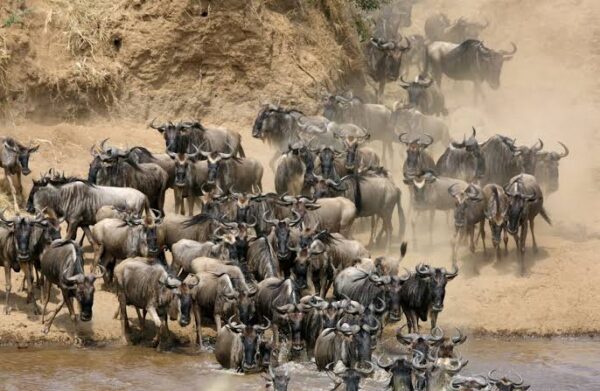
Spend two full days in the Ndutu Plains, an area with a high density of cheetahs and lions, especially when wildebeest gather here between December and March. Two soda lakes sit nearby, adding to the scenery.
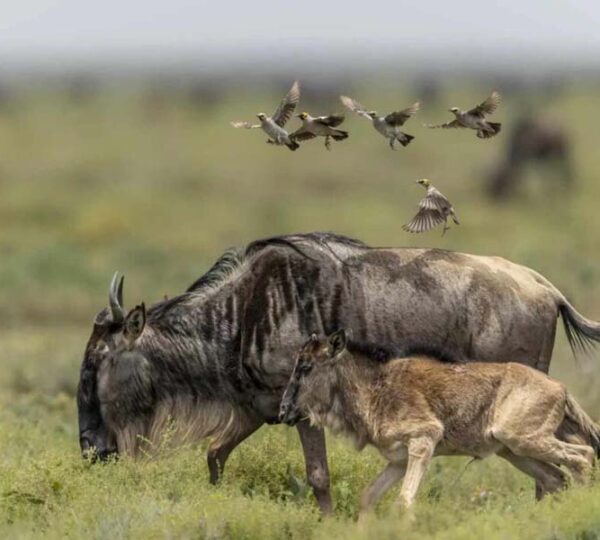
Wildebeests in Ndutu Plains
Because Ndutu falls within the Ngorongoro Conservation Area, off-road driving is permitted, giving you a genuine advantage for getting close to the region’s large mammals. This is the traditional birthing ground for the wildebeest — the calving season — with herds drawn here by the soil’s high phosphorus content, an essential mineral for nursing mothers. It’s also one of the best places in Africa to sit around a campfire under a sky full of stars, listening to the sounds of the bush at night.
| Tier | Accommodation |
| Option | Nyikani Migration Camp – Ndutu |
| Option | Ndutu Safari Lodge |
| Option | Lake Masek Tented Lodge |
| Option | Lemala Ndutu Camp |
Day 6: Ndutu to Ngorongoro Crater
Wake early for a morning game drive in Ndutu, when the animals are at their most active, and take in one of the most memorable sunrises of your trip. After the drive, return to camp for lunch before continuing toward Ngorongoro Crater, sometimes described as the Eighth Natural Wonder of the World.
| Tier | Accommodation |
| Option | Ngorongoro Sopa Lodge |
| Option | Ngorongoro Serena Safari Lodge |
| Option | Lion’s Paw Camp |
Day 7: Ngorongoro Crater
Wake early for breakfast before descending 600 meters (about 2,000 feet) into Ngorongoro Crater with picnic lunch boxes for a full day of game viewing. The crater is a natural enclosure supporting an estimated 20,000 to 30,000 animals — virtually a Noah’s Ark of East African wildlife — and holds some of the highest densities of predators in Africa, including lions, hyenas, and leopards. It is also one of the best places on the continent to see the endangered black rhino.
Late in the afternoon, begin the climb out of the crater and head toward Lake Eyasi for dinner and an overnight stay.
| Tier | Accommodation |
| Option | Lake Eyasi Safari Lodge |
| Option | Kisima Ndega Tented Camp |
| Option | Ziwani Lodge |
Day 8: Lake Eyasi
Wake well before sunrise to visit the Hadzabe, one of the last true nomadic hunter-gatherer communities in Africa. After a brief introduction, you will join them in their morning activities — either hunting with the men or gathering wild fruit with the women — for a genuine, unstaged look at their way of life and some of the best photographic opportunities of the trip.
Afterward, visit Lake Eyasi itself, a seasonal, shallow salt lake on the floor of the Great Rift Valley, before returning to camp for a second night.
| Tier | Accommodation |
| Option | Lake Eyasi Safari Lodge |
| Option | Kisima Ndega Tented Camp |
| Option | Ziwani Lodge |
Day 9: West Kilimanjaro
After breakfast, head back toward Arusha to the Original Maasai Lodge, at the foot of Kilimanjaro in the middle of the Maasai Steppe. The lodge sits on 400 acres of protected wildlife territory, gifted by the local village of Ngabobo in recognition of ongoing community work by the Africa Amini Alama organization, which the lodge supports through education, conservation, and medical programs.
Here you will stay in a traditional Maasai boma and take part in cultural activities, learning about Maasai customs directly from the community that considers the lodge part of their own village.
Accommodation: Original Maasai Lodge
Day 10: Departure
Enjoy breakfast and a day at leisure. In the afternoon, your private transfer will take you to Kilimanjaro International Airport for your departure flight home.
Meal Plan: Breakfast
End of 10 Days Wildebeest Calving Safari