Is Gorilla Habituation Safe
February 26, 2026
What Animals Can I Expect to See on a Game Drive?
February 26, 2026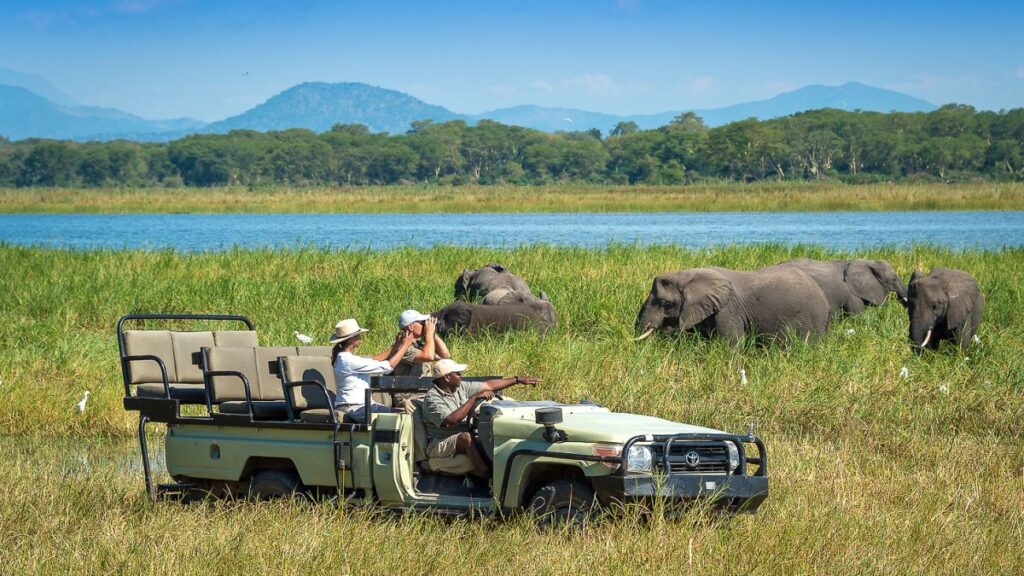
Are Game Drives Eco-Friendly?
Sustainability and responsible tourism are at the forefront of modern safari experiences, and the question, “Are game drives eco-friendly?”, is increasingly important to global travelers exploring Uganda Safaris or Rwanda Safaris. Game drives are not merely sightseeing excursions; they are carefully managed wildlife encounters designed to minimize ecological impact while offering unforgettable views of Africa’s iconic species. Through thoughtful planning, eco-conscious vehicle use, and adherence to park guidelines, Uganda Best Safaris and Rwanda Best Safaris can provide both thrilling wildlife experiences and environmental protection. These eco-friendly practices ensure that visitors can enjoy lions, elephants, buffalo, leopards, and rhinos on Big Five Safaris while supporting habitat preservation.
Why Eco-Friendly Game Drives Matter in Africa
Moreover, modern eco-conscious safaris integrate cultural awareness and community benefits. Uganda Cultural Safaris and Rwanda Cultural Safaris demonstrate how local communities contribute to wildlife conservation, with proceeds from tourism supporting education, healthcare, and sustainable livelihoods. Eco-friendly game drives emphasize responsible wildlife viewing, maintaining safe distances, and using minimal-impact vehicles, thereby reducing carbon footprints. Combining Uganda Gorilla Safaris or Rwanda Gorilla Trekking Safaris with game drives creates a holistic, low-impact itinerary that spans savannahs and montane forests, maximizing wildlife exposure without compromising environmental integrity. For global audiences seeking ethical adventures, understanding the eco-friendly framework of game drives provides assurance that every safari contributes positively to both nature and local communities.
Which Destinations Offer Eco-Conscious Game Drives?
Where Are Uganda and Rwanda’s Most Eco-Friendly Safari Parks?
Eco-conscious game drives are best experienced in Queen Elizabeth National Park, Murchison Falls National Park, and Bwindi Impenetrable National Park in Uganda, as well as Akagera National Park in Rwanda. Uganda Safaris in Queen Elizabeth provide low-impact wildlife tours, where expert guides employ controlled routes to observe elephants, lions, buffalo, and leopards while preserving sensitive grasslands. The park also supports Uganda Birding Safaris, giving travelers a chance to explore wetlands and riverine habitats without disturbing bird species or aquatic life. Integrating cultural tours within local communities allows visitors to learn traditional practices, such as fishing or pastoralist lifestyles, fostering sustainable interactions between humans and wildlife.
Murchison Falls National Park combines the thrill of Big Five Safaris with eco-conscious management of the Nile River ecosystem, minimizing vehicle emissions and guiding tourist behavior in ecologically sensitive zones. In Rwanda, Akagera National Park demonstrates successful reintroduction of the Big Five with minimal environmental footprint. Guided Rwanda Birding Safaris and controlled game drives ensure that rare species, including shoebills and various waterfowl, are observed without habitat disruption. Tourists can also engage with neighboring villages to experience Rwanda Cultural Safaris, observing traditional farming and craft-making while supporting local economies. Combining these game drives with Rwanda Gorilla Trekking Safaris in Volcanoes National Park adds forest biodiversity to the itinerary, maintaining low ecological impact while offering diverse wildlife encounters across habitats.
What Are the Environmental Practices During Game Drives?
How Do Eco-Friendly Safaris Protect Wildlife and Habitats?
Eco-friendly Uganda Safaris and Rwanda Safaris incorporate strict guidelines to reduce environmental impact during game drives. Vehicles are restricted to designated roads, preventing soil erosion and vegetation damage. Guides instruct tourists to maintain safe distances, minimizing stress on wildlife and reducing the risk of altering natural behaviors. Visitors on Big Five Safaris can observe lions hunting or elephants grazing without disrupting ecosystems, ensuring both animals and habitats remain intact. Additionally, parks often limit the number of vehicles near sensitive species, which helps avoid overcrowding and reduces noise pollution, enhancing the quality of the wildlife encounter.
Supplementary eco-conscious measures include promoting electric or low-emission safari vehicles, using biodegradable products during field meals, and supporting community-led conservation programs. Uganda Birding Safaris and Rwanda Birding Safaris exemplify careful planning, where birdwatchers traverse pre-defined paths that avoid nesting sites and fragile plant life. Cultural integration through Uganda Cultural Safaris and Rwanda Cultural Safaris further reinforces sustainable tourism, allowing travelers to connect with local traditions while supporting initiatives that maintain forests, wetlands, and grasslands. Combining eco-friendly game drives with Uganda Gorilla Safaris or Rwanda Gorilla Trekking Safaris reinforces sustainable practices across multiple ecosystems, creating a comprehensive safari that benefits wildlife, communities, and visitors alike.
How To Reach Eco-Friendly Game Drive Destinations?
What Are the Best Routes to Uganda and Rwanda Safari Parks?
Visitors to Uganda typically begin at Entebbe International Airport, followed by road transfers or domestic flights to Queen Elizabeth National Park or Murchison Falls National Park. Carefully maintained park roads facilitate eco-friendly vehicle use, ensuring minimal environmental disturbance during Uganda Best Safaris. Rwanda-bound travelers arrive at Kigali International Airport, with Akagera National Park accessible via a 2-3 hour scenic drive, providing controlled and environmentally conscious access for Rwanda Best Safaris.
Combining eco-conscious game drives with Uganda Gorilla Safaris or Rwanda Gorilla Trekking Safaris is seamless, allowing visitors to experience savannah, wetlands, and rainforest wildlife while maintaining a low carbon footprint. Advanced planning and guided itineraries ensure adherence to ecological guidelines, from transportation to accommodation, supporting sustainable safari practices across East Africa.
What Are the Expectations and Costs of Eco-Friendly Game Drives?
How Do Travelers Prepare for Sustainable Safaris?
Participants on eco-friendly Big Five Safaris can expect smaller, guided groups, fewer vehicles, and thoughtful wildlife observation protocols. Expect early morning and late afternoon drives when wildlife is most active, paired with education about species behavior, ecosystem dynamics, and conservation priorities. Prices vary depending on park, accommodation level, and itinerary length, with Uganda Safaris and Rwanda Safaris typically costing $300-$600 per day for guided eco-conscious packages. Uganda Gorilla Safaris and Rwanda Gorilla Trekking Safaris can be added to elevate experiences, with additional fees supporting habitat protection and community projects.
Investing in eco-friendly game drives offers long-term value, ensuring wildlife populations, including the Big Five, remain protected for future generations. Travelers also gain cultural and educational benefits through Uganda Cultural Safaris and Rwanda Cultural Safaris, with immersive village visits, traditional craft demonstrations, and interaction with local communities.
When Is the Best Time for Eco-Friendly Game Drives?
Which Seasons Maximize Wildlife Viewing with Minimal Impact?
Dry seasons — from June to September and December to February — are ideal for eco-conscious game drives. Wildlife congregates near water sources, vegetation is less dense, and trails are safer, reducing environmental stress. These months also allow integration of Uganda Birding Safaris and Rwanda Birding Safaris, showcasing endemic species without disturbing sensitive habitats. Combining game drives with gorilla trekking in Uganda or Rwanda’s forests is possible year-round, although dry conditions facilitate easier, lower-impact forest hikes, further supporting sustainability.
Why Choose Renai Safaris for Eco-Friendly Game Drives?
What Makes Us the Trusted Leader in Sustainable Safaris?
Renai Safaris delivers unparalleled expertise in Uganda Safaris, Rwanda Safaris, Uganda Cultural Safaris, Rwanda Cultural Safaris, Uganda Gorilla Safaris, Rwanda Gorilla Trekking Safaris, and Big Five Safaris. Our eco-conscious itineraries prioritize wildlife conservation, community engagement, and sustainable transport, ensuring that each safari supports local ecosystems and people. Travelers benefit from knowledgeable guides, curated experiences, and ethical practices, all while enjoying immersive wildlife and cultural encounters. By combining eco-friendly game drives with gorilla trekking, birding, and cultural visits, we provide a multi-layered safari that balances adventure, education, and environmental responsibility, positioning Renai Safaris as a global authority in sustainable African tourism.