Where to Go for Birding Safaris in Rwanda
July 22, 2026
Guide to Tipping on Safari in East Africa
August 17, 2026
5 Reasons to Visit Rwanda for a Holiday in 2027
5 Reasons to Visit Rwanda for a Holiday in 2027; Rwanda has quietly become one of Africa’s most compelling holiday destinations, and it’s worth understanding why before you write it off as simply “the gorilla country.” The mountain gorillas remain the headline act, and rightly so, but Rwanda in 2027 offers a genuinely complete travel experience: a clean, safe, cosmopolitan capital, a rapidly improving culinary and cultural scene, landscapes that earn the country’s nickname “Land of a Thousand Hills,” and a level of accessibility that most other primate trekking destinations simply can’t match.
As a travel consultant, I increasingly recommend Rwanda not as a quick add-on to a longer East Africa trip, but as a destination genuinely worth a week or more in its own right. Here are five reasons Rwanda deserves serious consideration for your 2027 travel plans.
1. Africa’s Most Accessible Mountain Gorilla Trekking
Rwanda holds a genuine, practical advantage over its gorilla trekking neighbours: Volcanoes National Park sits just two and a half to three hours from Kigali International Airport along well-maintained, paved roads, meaning travelers can land in the capital, transfer comfortably to the park, complete a world-class primate trek, and depart the country again within a tight 48-to-72-hour window if time is genuinely limited. Compare this with the considerably longer, rougher overland transfers required to reach comparable trekking destinations elsewhere, and Rwanda’s accessibility becomes a genuine, practical differentiator rather than simply a marketing claim.
With roughly 1,063 mountain gorillas remaining across the shared Virunga massif spanning Rwanda, Uganda, and the Democratic Republic of Congo, and approximately half that population residing within Rwanda’s borders alone, the country offers genuinely strong odds of a rewarding trek. The 2026 permit tariff of $1,500 per person for a single hour-long encounter represents a genuine premium over Uganda’s equivalent, but that pricing directly funds the conservation and community programmes that have helped grow the gorilla population over recent decades, making it, as many guides describe it, a genuine masterclass in regenerative travel rather than simply an expensive activity.
2. Kigali Is a Destination in Its Own Right
Rwanda’s capital has undergone a genuinely remarkable transformation, and today Kigali is widely regarded as one of Africa’s cleanest, safest, and friendliest cities. Solo travelers, families, and international visitors alike can walk Kigali’s well-lit streets at almost any hour with genuine peace of mind, a level of comfort and security that sets it apart from many other African capitals, and the city’s well-paved roads and generally polite traffic make it genuinely easy to explore.
Kigali rewards a proper stopover rather than a rushed overnight transit: vibrant markets including Kimironko, where skilled local seamstresses can create a custom outfit within about an hour; a genuinely strong and growing food scene spanning traditional Rwandan dishes like brochettes with ibirayi through to sushi, pizza, and international options for homesick travelers; boutique shopping and coffee culture in the city centre; and a laid-back nightlife scene with live music and dancing once the sun goes down. The city’s museums and memorial sites, including the Kigali Genocide Memorial, also offer genuinely important historical context for understanding modern Rwanda’s remarkable recovery and development.
3. Genuine Landscape and Adventure Beyond the Gorillas
Rwanda’s nickname, the Land of a Thousand Hills, is entirely earned: rolling green hills, mist-covered volcanic peaks, shimmering Lake Kivu, and dense rainforest create a genuinely varied, scenic landscape well beyond what most travelers associate with a gorilla-trekking country. Lake Kivu itself offers a proper beach-holiday dimension to a Rwanda trip, swimming, boat rides, and coffee tours along its shores, while the Congo Nile Trail, tracing the watershed dividing the Congo and Nile river basins, offers some of the most spectacular hiking and mountain biking panoramas anywhere in East Africa.
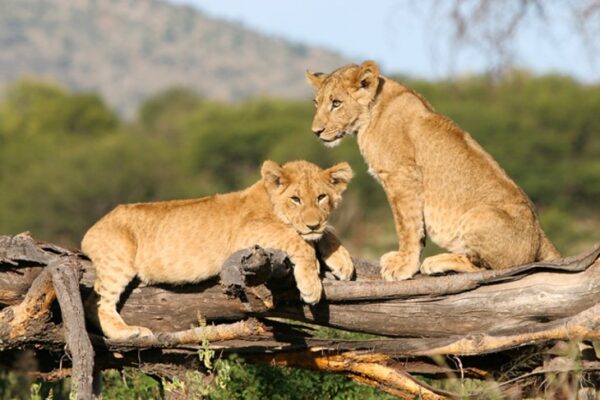
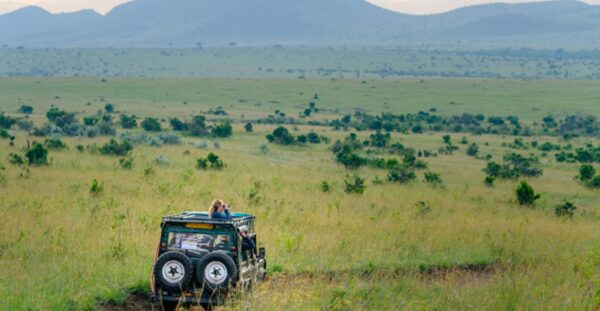
Beyond Volcanoes National Park, Nyungwe Forest National Park offers exceptional chimpanzee trekking and canopy walk access through one of Africa’s oldest rainforests, while Akagera National Park in the east delivers a genuine Big Five safari experience, lion, leopard, buffalo, elephant, and a growing rhino population, giving Rwanda a genuinely complete range of safari experiences within a single, compact country.
4. A Rich, Living Cultural Scene
Rwanda’s cultural heritage runs considerably deeper than most first-time visitors expect. The King’s Palace Museum in Nyanza offers insight into traditional Rwandan monarchy, while cultural villages near Volcanoes National Park showcase traditional dance, storytelling, and craft, including the Intore dancers’ dramatic performances and royal drumming traditions that offer genuine insight into Rwandan identity. Basket weaving, a craft Rwanda has become genuinely well known for internationally, can be learned hands-on at several community-run centres, and engaging with Batwa communities, among the region’s oldest indigenous peoples, adds further cultural depth to a Rwanda itinerary.
Rwanda’s coffee culture deserves particular mention: the country has developed a genuinely sophisticated specialty coffee scene, and coffee tours taking visitors from the growing and harvesting process through to cupping and tasting have become a legitimate highlight for travelers with even a casual interest in the beverage.
5. A Destination That’s Investing Seriously in Its Future
Rwanda’s tourism infrastructure continues to improve at a genuinely rapid pace heading into 2027. Direct RwandAir flights connecting Kigali with major international hubs, including London, have made the country considerably more accessible than it was even a few years ago, and a new international airport, Kigali Bugesera, is slated to open in 2028, promising to further expand the country’s connectivity in the years immediately following your 2027 trip. Rwanda has also invested heavily in its global visibility through high-profile sponsorship partnerships, a strategy that reflects genuine national ambition around tourism as a long-term economic pillar rather than a passing trend.
This ongoing investment, treating biodiversity as a genuine national asset and infrastructure as a strategic priority rather than an afterthought, has helped position Rwanda as Africa’s leading high-value, low-impact safari destination, and travelers visiting in 2027 will experience a country that continues to raise its own standard year over year rather than resting on its gorilla trekking reputation alone.
Putting Together a 2027 Rwanda Itinerary
A genuinely well-rounded first Rwanda trip runs seven to ten days: two to three nights around Volcanoes National Park for gorilla or golden monkey trekking, a stopover in Kigali for culture, food, and history, and, time permitting, an extension to either Nyungwe Forest for chimpanzee trekking or Lake Kivu for a slower, more relaxed close to the trip. Akagera National Park makes a genuinely worthwhile addition for travelers with a full two weeks, rounding out the primate-focused itinerary with a proper savanna safari.
Given Rwanda’s genuinely compact size, roughly the same land area as the U.S. state of Maryland, transfer times between destinations remain manageable even on a moderately paced itinerary, making it entirely possible to experience a genuinely comprehensive slice of the country without the exhausting travel days that larger safari destinations sometimes require.
Where to Stay

One and Only Nyungwe
Rwanda’s accommodation options have kept pace with its broader tourism ambitions, ranging from genuinely world-class luxury lodges around Volcanoes National Park, several of which rank among the finest safari properties anywhere in Africa, to increasingly strong mid-range options for travelers not chasing the absolute top tier of luxury. Kigali itself offers everything from polished international hotel chains to smaller, design-forward boutique properties, and Lake Kivu’s shoreline has developed a genuinely appealing range of lakeside lodges and resorts suited to the more relaxed portion of a Rwanda itinerary.
For travelers specifically prioritizing gorilla trekking, proximity to your assigned trekking sector within Volcanoes National Park is worth discussing with a consultant before booking, since road transfer times to the park headquarters can meaningfully affect how early your trekking day begins, an important practical consideration that pure luxury or price comparisons alone won’t capture.
Best Time to Visit Rwanda
Rwanda’s dry seasons, roughly June through September and December through February, offer the most comfortable trekking conditions, with firmer trails and generally clearer mountain views around the Virunga volcanoes. The wetter months, particularly March through May, bring lush, dramatically green landscapes and meaningfully lower rates at many lodges, along with muddier, more physically demanding trekking conditions, a trade-off worth weighing honestly against your budget and physical comfort preferences.
Because gorilla trekking happens daily year-round regardless of season, given the habituated families’ consistent presence, Rwanda doesn’t carry the same rigid seasonal planning pressure that a migration-focused East Africa safari does, giving genuinely more flexibility in choosing 2027 travel dates around your own schedule rather than a narrow wildlife-driven window.
Frequently Asked Questions
Is Rwanda safe to visit in 2027?
Yes. Kigali is widely regarded as one of Africa’s safest and cleanest capital cities, and Rwanda’s broader tourism infrastructure is well established and continuing to improve, making it a genuinely comfortable destination for solo travelers, families, and first-time African travelers alike.
How much does gorilla trekking cost in Rwanda?
Gorilla trekking permits currently cost $1,500 per person for international visitors, covering a single hour-long encounter with a habituated gorilla family, a price that directly funds Rwanda’s conservation and community programmes.
How long should I spend in Rwanda?
A minimum of five to seven days allows a meaningful combination of gorilla trekking and a Kigali stopover. Ten days or more allows a genuinely well-rounded trip including Nyungwe Forest, Lake Kivu, or Akagera National Park.
Can I combine Rwanda with other East African countries?
Yes. Rwanda’s location makes it easy to combine with Uganda, Kenya, Tanzania, or the Democratic Republic of Congo on a longer, multi-country itinerary.
Is Rwanda only worth visiting for gorilla trekking?
No. While gorilla trekking remains the headline draw, Rwanda offers a genuinely complete travel experience, including Kigali’s culture and food scene, Lake Kivu, Nyungwe Forest’s chimpanzee trekking, and Akagera’s Big Five safari, making it a destination worth a full week or more in its own right.