Best Time To Visit Chyulu Hills Kenya
October 16, 2026
Tourist Activities to Do in Arusha National Park
October 16, 2026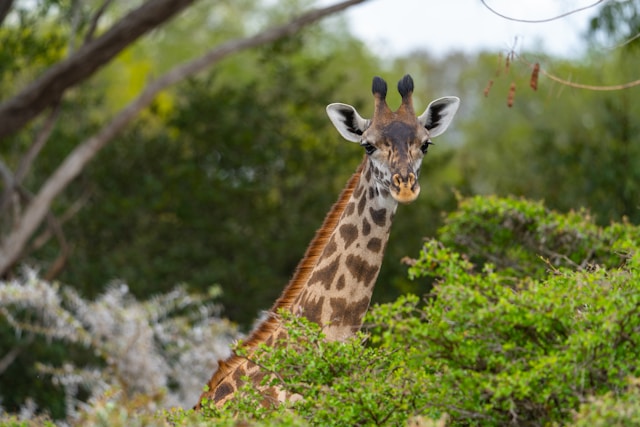
7 Fascinating Facts about Nyerere National Park
For travelers researching a southern Tanzania safari, Nyerere National Park can feel confusing at first. It used to be part of the Selous Game Reserve; its name changed in 2019, and much of the information online still refers to the old name. Questions about wildlife, access, activities and seasons often go unanswered.
The seven facts below explain what makes Nyerere National Park special and why it deserves a place on a Tanzania itinerary. Each fact is followed by practical guidance on what it means for your safari, so you can decide whether Nyerere suits your travel style.
1: It Is the Largest National Park in Africa
Nyerere National Park covers roughly 30,900 square kilometers, making it the largest national park in Africa by area. To put that in perspective, it is about twice the size of the Serengeti National Park and larger than several European countries, including Belgium.
How It Was Created
For more than a century, this land formed part of the Selous Game Reserve, one of the largest protected areas on the continent, which covered around 50,000 square kilometers in total. In 2019, the Tanzanian government upgraded the northern section of the Selous to national park status and named it after Julius Kambarage Nyerere, Tanzania’s first president. The southern section remains part of the Selous Game Reserve.
What It Means for Your Safari
The park’s size means low visitor density. Most tourism activity is concentrated in the northern section along the Rufiji River and its lakes, where a limited number of camps operate. Even in peak season, it is common to see wildlife without another vehicle in sight. Travellers who dislike crowded sightings in the busiest northern parks often find Nyerere refreshing.
2: The Rufiji River Makes Boat Safaris Possible
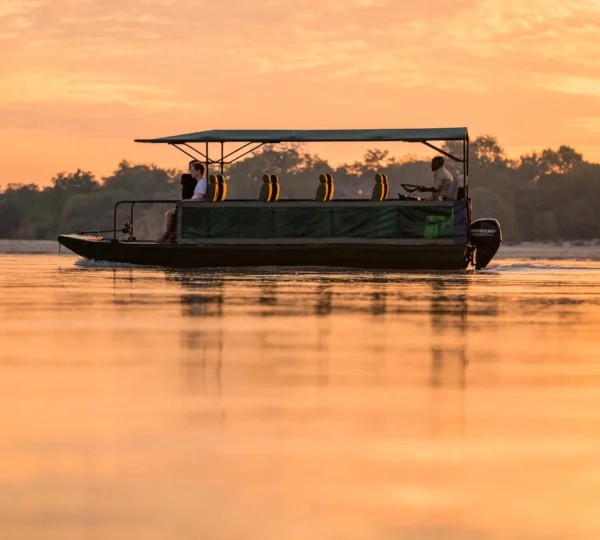
River Rufigi
The Rufiji River is the largest river in Tanzania, and its network of channels, lakes and lagoons shapes the northern part of the park. Lakes such as Tagalala, Manze and Siwandu are fed by the river and its floodplains.
Why Boat Safaris Are Special
Few East African parks offer boat safaris, and Nyerere’s are among the best. Gliding along the river allows close views of hippos, Nile crocodiles, elephants and buffalo at the water’s edge, as well as excellent birdlife, including African skimmers, fish eagles, kingfishers, herons and storks. Boat safaris also offer a peaceful change of pace from game drives.
What It Means for Your Safari
Choose a camp on the river or lakes if boat safaris are a priority. Sunset boat trips are particularly popular, with the light glowing across the water and the sounds of hippos echoing in the background. Water levels vary with the seasons, so some channels may be inaccessible late in the dry season.
3: It Is One of Africa’s Best Places to See Wild Dogs
The African wild dog is one of the continent’s most endangered carnivores, with only a few thousand left in the wild. The wider Selous ecosystem, including Nyerere National Park, has historically supported one of the largest populations in Africa.
Why Wild Dogs Thrive Here
The vast, connected habitats of southern Tanzania allow wild dog packs to roam widely, with lower conflict with people than in more developed areas. Packs are often seen in the open woodlands and along the edges of lakes, particularly during the denning season, which usually falls around June to August.
What It Means for Your Safari
Sightings are never guaranteed, as wild dogs range widely, but Nyerere offers some of the best chances in East Africa. Ask your camp about recent sightings, and allow at least three nights to improve your chances.
4: Walking Safaris and Fly Camping Are Part of the Experience
Unlike many northern Tanzanian parks, where activities are mainly limited to vehicle-based game drives, Nyerere offers a range of activities that bring travelers closer to the wilderness.
Walking Safaris
Guided walks with armed rangers and professional guides reveal tracks, plants, insects and the smaller details of the bush. Walking also adds a heightened sense of awareness, as every sound and movement becomes significant.
Fly Camping
Fly camping involves walking to a simple overnight camp setup in a remote area, usually with basic tents, mosquito nets, bucket showers and dinner by the fire. It is one of the most authentic safari experiences in Africa.
Activities Compared
| Activity | Typical Duration | Best For | Notes |
| Game drives | Half-day or full-day | All travelers | Open vehicles are common. |
| Boat safaris | 2 to 3 hours | All travelers | Water levels affect routes |
| Walking safaris | 2 to 4 hours | Adults and older teenagers | Minimum age policies apply, often 16. |
| Fly camping | Overnight | Adventurous travellers | Simple but comfortable |
What It Means for Your Safari
Combining drives, boat safaris and walks gives a richer, more varied experience than many single activity safaris. Travellers who enjoy active, immersive experiences will find Nyerere particularly rewarding.
5: It Carries a Rich and Complex History
The Selous Game Reserve was named after Frederick Courteney Selous, a British explorer, hunter and conservationist who was killed in 1917 near the Beho Beho area during the First World War East African campaign. His grave lies within the area today.
From Hunting Reserve to National Park
The Selous was first protected in the early twentieth century and later expanded. It was declared a UNESCO World Heritage Site in 1982 for its wilderness value and diversity of wildlife. In 2014, it was placed on the List of World Heritage in Danger because of severe elephant poaching, and later concerns arose over the construction of a large hydropower dam on the Rufiji River.
Conservation Today
The creation of Nyerere National Park in 2019 shifted the northern area from a hunting-focused reserve to a photographic tourism destination. Hunting is no longer permitted within the national park, while the southern Selous Game Reserve continues to be managed separately. Conservation challenges remain, but anti-poaching efforts have improved, and elephant populations are reported to be recovering in parts of the ecosystem.
What It Means for Your Safari
Guides often share the history of the Selous during drives, and a visit to the Beho Beho area can include Selous’s grave. Understanding the park’s past adds meaning to the experience and highlights the importance of tourism in supporting conservation.
6: It Hosts the Julius Nyerere Hydropower Station
The Julius Nyerere Hydropower Station, built at Stiegler’s Gorge on the Rufiji River, is one of the largest hydropower projects in Africa. The dam was designed to significantly increase Tanzania’s electricity supply.
Environmental Concerns
The project attracted international attention because of its potential effects on the river’s flow, downstream wetlands, the Rufiji Delta and the wider ecosystem. Conservation organizations and UNESCO raised concerns about the impact on the World Heritage values of the Selous.
What It Means for Your Safari
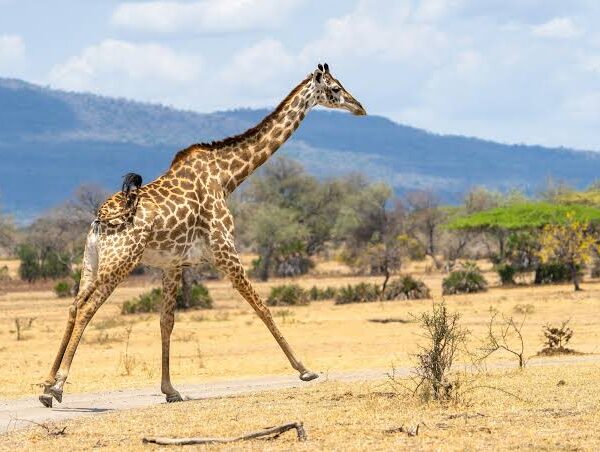
Giraffe
The dam lies away from the main tourism zone, and most visitors will not see it during their stay. However, travelers interested in conservation may want to discuss the project with their guides, who can explain local perspectives and observed changes.
7: It Combines Easily With Zanzibar and Ruaha
Nyerere’s location in southern Tanzania makes it one of the easiest parks to combine with the coast and other southern destinations.
Access
| Route | Method | Approximate Time |
| Dar es Salaam to Nyerere | Light aircraft | About 45 minutes |
| Zanzibar to Nyerere | Light aircraft | About 1 hour |
| Dar es Salaam to Nyerere | Road | 5 to 7 hours depending on route and season |
| Nyerere to Ruaha | Light aircraft | About 1.5 hours |
| Arusha to Nyerere | Light aircraft, usually via a coastal stop | 2 to 3 hours |
Popular Combinations
- Nyerere and Zanzibar: Three nights on safari followed by a beach stay, ideal for honeymooners and travelers with limited time.
- Nyerere and Ruaha: A classic southern circuit combining river-based activities with Ruaha’s predator-rich landscapes.
- Northern and Southern Tanzania: Pairing the Serengeti and Ngorongoro with Nyerere for contrast.
Wildlife You Can Expect
Beyond wild dogs, Nyerere supports a broad range of species. Understanding what is common and what is rare helps set realistic expectations.
| Species | Likelihood | Notes |
| Hippo and Nile crocodile | Very high | Abundant along the Rufiji and lakes |
| Elephant | High | Often seen along rivers and lakes in the dry season |
| Buffalo | High | Large herds in some areas |
| Giraffe | High | Masai giraffes are common in open woodland. |
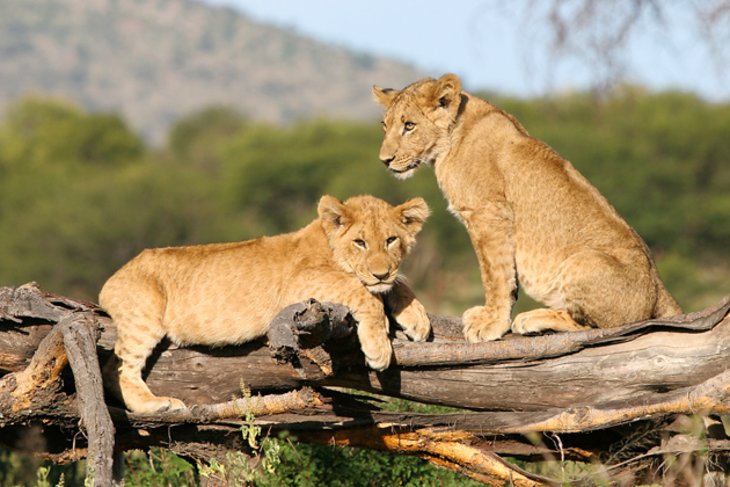
| Lion | Good | Prides around the lakes and open woodland |
| Leopard | Moderate | Present in riverine woodland, often elusive |
| African wild dog | Moderate | Best during denning season |
| Greater kudu and sable antelope | Moderate | Southern and Mimbombo woodland species |
| Black rhino | Very low | Present in small numbers, rarely seen |
| Birds | Very high | More than 440 species recorded in the wider ecosystem |
Nyerere Compared With the Northern Circuit
| Factor | Nyerere National Park | Serengeti and Ngorongoro |
| Visitor numbers | Low | Moderate to high |
| Wildlife density | Moderate, concentrated in the dry season | Very high |
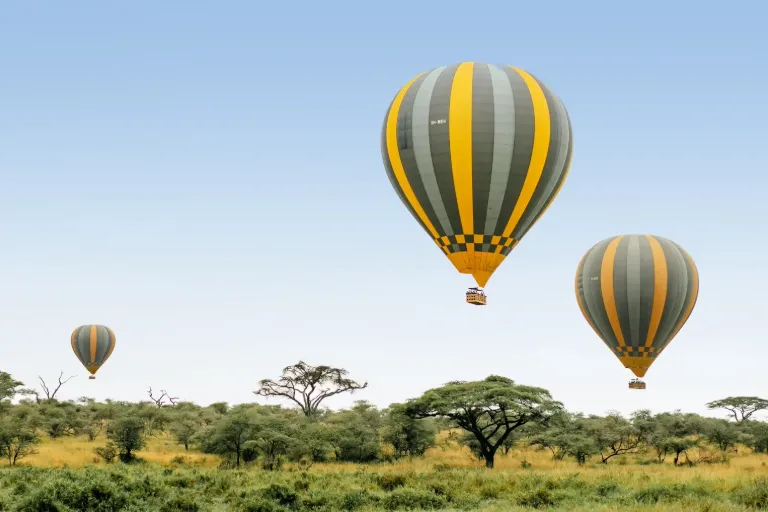
| Activities | Drives, boat safaris, walks, fly camping | Mainly game drives, balloon safaris |
| Landscape | Rivers, lakes, palm groves, woodland | Open plains, crater, kopjes |
| Access | Fly in from Dar es Salaam or Zanzibar. | Road or fly in from Arusha |
| Best for | Variety, solitude, returning visitors | First timers, migration, big cats |
A Sample Nyerere Itinerary
- Day 1: Fly from Dar es Salaam or Zanzibar to Nyerere; afternoon boat safari on the Rufiji
- Day 2: Morning game drive around the lakes, afternoon walking safari
- Day 3: Full day drive with picnic lunch, searching for wild dogs and lions, or an overnight fly camp
- Day 4: Morning activity, then fly to Zanzibar or onward to Ruaha
Best Time to Visit Nyerere National Park
| Season | Months | Conditions | Recommendation |
| Dry season | June to October | Animals concentrate near water, thinner vegetation | Best overall |
| Short rains | November to December | Showers, green landscapes | Good, especially early |
| Hot and humid | January to February | Hot, some rain | Good value, some showers |
| Long rains | March to May | Heavy rain, many camps close | Not recommended |
Where to Stay
Accommodation in Nyerere is concentrated along the Rufiji River and its lakes. Options range from mid range tented camps to luxury lodges with private plunge pools.
| Style | What to Expect | Best For |
| Luxury river lodges | Spacious suites, pools, boat safaris, excellent guiding | Honeymooners, luxury travellers |
| Mid range tented camps | Comfortable tents, full board, activities included | Most travellers |
| Budget camps near Mtemere Gate | Simple accommodation, lower rates | Budget travellers |