Serengeti Wildebeest Migration Month By Month Guide
October 16, 2026
7 Fascinating Facts about Nyerere National Park
October 16, 2026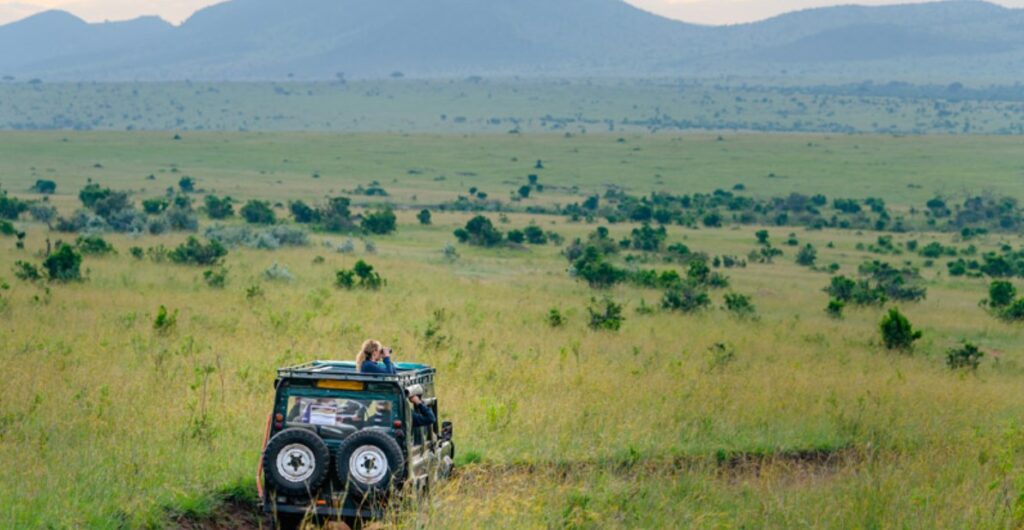
Best Time to Visit Chyulu Hills, Kenya
Chyulu Hills rise as a chain of young volcanic cones and grassy ridges between Amboseli and Tsavo West, with Kilimanjaro’s snow-capped summit floating above the plains to the south. Elephants move along the lava slopes, eland graze the open grasslands, and mist drifts through patches of cloud forest near the crest.
Chyulu is not a typical safari destination. It does not have the vast herds of the Maasai Mara or the open plains of Amboseli, and its wildlife is more scattered. What it offers instead is space, silence and variety: horseback rides across the plains, walks with Maasai guides, caves formed by ancient lava flows and some of the finest views of Kilimanjaro in East Africa. Timing shapes all of it.
This guide explains the best time to visit Chyulu Hills, Kenya, season by season. It covers weather, wildlife, Kilimanjaro visibility, activities and how to combine Chyulu with nearby parks, helping you decide when to go and whether the area fits your safari plans.
Geography
The Chyulu Hills stretch for roughly 80 kilometers in a northwest-to-southeast direction, with the highest points reaching a little over 2,100 meters. They are among the youngest volcanic formations in Kenya, and lava fields, cinder cones and caves cover much of the range. Chyulu Hills National Park protects the eastern slopes and adjoins Tsavo West National Park, while the western side borders Maasai community lands, including the Mbirikani and Kuku group ranches.
Ecological Importance
The hills act as a giant water tower. Rain and mist soak into the porous volcanic rock and flow underground, feeding springs such as Mzima Springs in Tsavo West and supplying water to communities as far as the coast. The upper slopes support montane forest, while lower areas are covered by grassland, bush and lava.
Wildlife Character
Wildlife in the Chyulu area includes elephant, buffalo, giraffe, zebra, eland, wildebeest, lesser kudu, fringe-eared oryx, bushbuck and gerenuk. Predators such as lions, leopards, cheetahs, spotted hyenas, and occasionally African wild dogs move across the wider Amboseli and Tsavo ecosystems. Sightings are less concentrated than in the major parks, and the experience focuses more on landscape and activities than on high density game viewing.
Chyulu Hills Kenya
Seasons at a Glance
| Season | Months | Weather | Highlights | Considerations |
| Long dry season | Late June to October | Dry, cooler, clear mornings | Good wildlife viewing and excellent walking and riding | Hills turn golden and dusty, with haze later in the season. |
| Short rains | November to mid-December | Afternoon showers, warm | Green hills, birdlife, fewer visitors | Some muddy tracks |
| Short dry season | Mid-December to February | Warm, mostly dry, green | Clear Kilimanjaro views, lush scenery | Festive season demand |
| Long rains | March to May | Heaviest rain, misty hills | Very green, low visitor numbers | Some lodges close; cloud cover hides Kilimanjaro. |
The Long Dry Season: Late June to October
Weather
This is the coolest and driest time of year in the Chyulu area. Mornings can be fresh, especially at higher elevations, and days are warm and sunny. Rainfall is minimal, and roads and tracks are in their best condition.
Wildlife
As water sources dry up, animals concentrate around permanent water, including waterholes on the conservancies and springs further afield. Elephants move between Amboseli, the Chyulu foothills and Tsavo West, and sightings become more predictable. The shorter grass also makes it easier to spot animals on walks and rides.
Kilimanjaro Views
Clear mornings are common, though haze from dust and grass fires can build later in the season, softening views by midday. Dawn and the first hours after sunrise offer the sharpest outlook.
The Short Rains: November to Mid December
Weather
The short rains usually arrive in November as afternoon or evening showers, often followed by bright mornings. Rain rarely lasts all day.
Landscape and Wildlife
The hills turn green almost overnight, and the grasslands come alive. Many antelope give birth around this period, and migrant birds arrive from Europe and Asia, making it a rewarding time for birders. Wildlife disperses as water becomes widely available, so sightings require more searching.
The Short Dry Season: Mid December to February
Weather
After the short rains, the Chyulu area enters a warm, mostly dry period with green landscapes. This combination makes it one of the most beautiful times of year.
Kilimanjaro Views
Many visitors find January and February offer some of the clearest views of Kilimanjaro. The air is often cleaner after the rains, and the mountain can stand out sharply against blue skies, particularly in the early morning and late afternoon.
Wildlife
Wildlife viewing is good, with young animals present and animals still spread across the green plains. Elephants are often seen on the lower slopes.
Who It Suits
Photographers seeking Kilimanjaro views and honeymooners and families travelling during the festive season. This is arguably the best overall time for travelers who want scenery and comfort together.
The Long Rains: March to May
Weather
March to May brings the heaviest rains, with April usually the wettest month. Clouds often cover the hills and Kilimanjaro, and some tracks become difficult.
What It Offers
The hills are lush, birdlife is abundant and visitor numbers are at their lowest. Some lodges close for part of this period for maintenance, while others offer significant discounts.
Month by Month Overview
| Month | Rain | Kilimanjaro Visibility | Wildlife | Overall Rating |
| January | Low | Very good | Good, green | Excellent |
| February | Low | Very good | Good | Excellent |
| March | Rising | Variable | Moderate | Fair |
| April | High | Often hidden | Dispersed | Low season |
| May | Moderate to high | Variable | Dispersed | Low season |
| June | Low | Good | Improving | Very good |
| July | Very low | Good | Very good | Excellent |
| August | Very low | Good, some haze. | Very good | Excellent |
| September | Very low | Moderate haze builds | Very good | Excellent |
| October | Low | Moderate | Very good | Very good |
| November | Moderate | Variable | Moderate, birding peaks | Good |
| December | Low to moderate | Good luck later in the month. | Good | Very good |
Activities and Their Best Seasons
Horseback Safaris
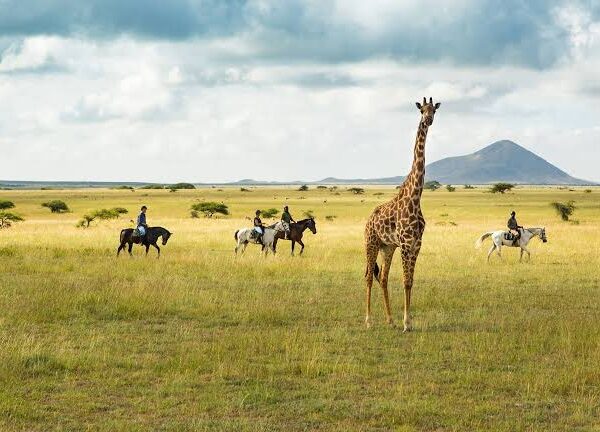
Riding across the plains with zebras and giraffes nearby is one of the defining Chyulu experiences. Riding is best in the dry seasons, when ground conditions are firm and visibility is good. Most riding programs require riders to have some experience, and weight and age limits usually apply.
Guided Walks
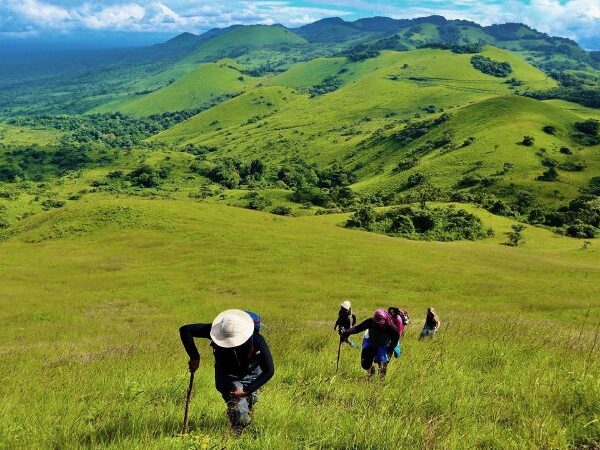
Walking with Maasai guides and armed rangers reveals tracks, plants and smaller creatures. June to October and January to February offer the best conditions, with shorter grass and comfortable temperatures.
Best Time To Visit Chyulu Hills Kenya
Game Drives and Night Drives
Game drives on the conservancies are possible year round. Night drives, permitted on private community land but not in the national park, reveal species such as aardvark, bushbaby, genet and porcupine.
Caving
The Chyulu Hills hold an extensive network of lava tubes, including Leviathan Cave, one of the longest known lava tubes in the world. Caving trips are specialized and best done in the dry seasons, when access roads are passable. They require experienced guides and proper equipment.
Mountain Biking and Hiking
The ridges and grasslands offer excellent hiking and biking. Hiking to the crest provides views of Kilimanjaro to the south and Tsavo to the east. The dry seasons are best.
Star Beds and Stargazing
With little light pollution, the Chyulu skies are exceptional. Some lodges offer star beds, raised platforms where guests sleep under the open sky. Clear dry season nights are ideal.
Cultural Visits
Maasai communities on the Mbirikani and Kuku group ranches own and co-manage the land used by conservancy lodges. Visits to manyattas, schools and community projects are possible year-round and give insight into how conservation supports local livelihoods.
Where to Stay
Accommodation in the Chyulu area is limited and mostly high-end, built around low-density, community partnership models. This keeps visitor numbers low and supports conservation.
| Style | What to Expect | Best For |
| Luxury conservancy lodges | Private villas, horse riding, star beds, walking, night drives | Honeymooners, families, active travelers |
| Eco lodges on community land | Strong conservation focus, cultural immersion | Conservation-minded travelers |
| Lodges on the Tsavo West or Amboseli side | Broader range of prices, easier access | Travellers combining parks |
Booking several months ahead is advisable for the dry seasons, as the best properties have only a handful of rooms.
Getting to Chyulu Hills
By Air
Scheduled and charter light aircraft serve airstrips near the main lodges, with flights from Nairobi taking about an hour. Flying saves time and is the most common option for luxury travelers.
By Road
The drive from Nairobi takes roughly four to five hours, depending on route and road conditions. Driving is often combined with Amboseli or Tsavo West, which are close by.