Tourist Activities to Do in Arusha National Park
October 16, 2026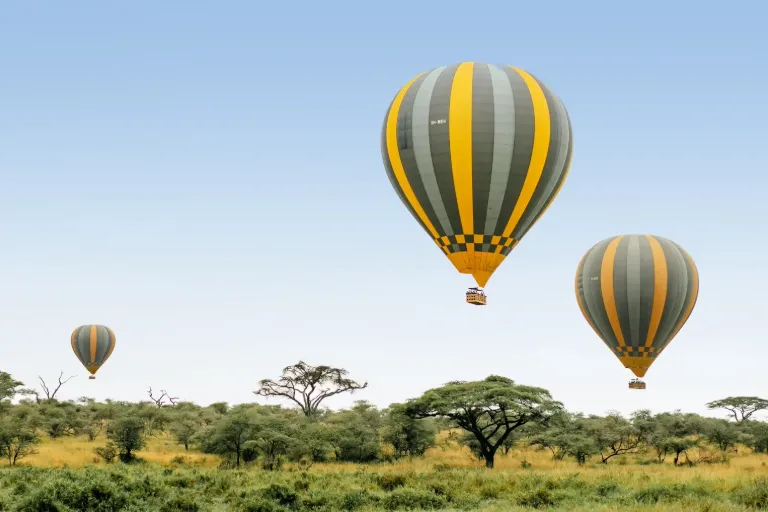
Tourist Activities to Do in Serengeti National Park
This guide explains the tourist activities to do in Serengeti National Park, how each one works, who it suits and when it is best. It is based on many years of planning Serengeti safaris and helping travellers choose the experiences that matter most to them.
Serengeti covers about 14,750 square kilometres of northern Tanzania, and it is one of the most famous wildlife destinations on earth. Most visitors arrive with one activity in mind: game drives. Yet the park offers far more than time in a vehicle. Hot air balloon flights, walking safaris on the park’s edges, bush dinners, cultural encounters, photography and visits to sites such as Olduvai Gorge and the Moru Kopjes all add depth to the experience.
Understanding the Serengeti’s Regions
Activities vary across the park, and where you stay shapes what you can do.
| Region | Character | Key Activities | Best Season |
| Central Serengeti (Seronera) | Resident wildlife, rivers, kopjes | Game drives, big cat viewing, balloon safaris | Year round |
| Southern Serengeti and Ndutu | Short grass plains, calving | Migration and calving, predator action | December to March |
| Western Corridor | Grumeti River, woodland | Grumeti crossings, balloon safaris | May to July |
| Northern Serengeti (Kogatende, Lamai) | Mara River, rolling hills | River crossings, quieter drives | July to October |
| Eastern Serengeti (Lobo, Namiri) | Kopjes, open plains | Cheetah viewing, solitude | Varies |
Game Drives
The Heart of Every Serengeti Safari
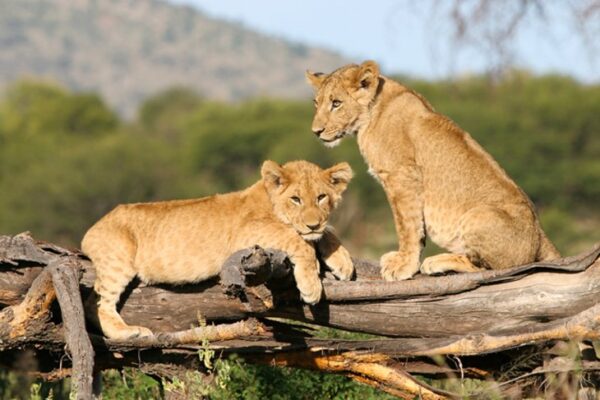
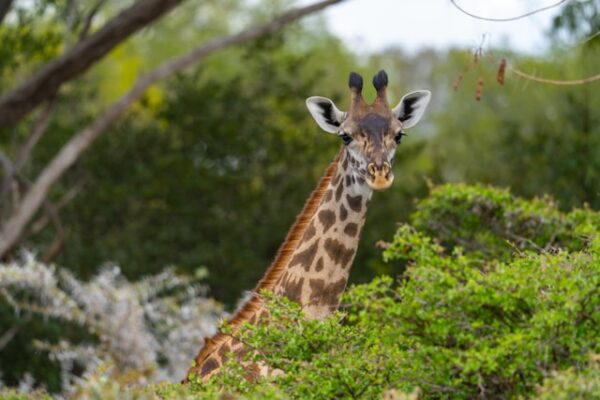
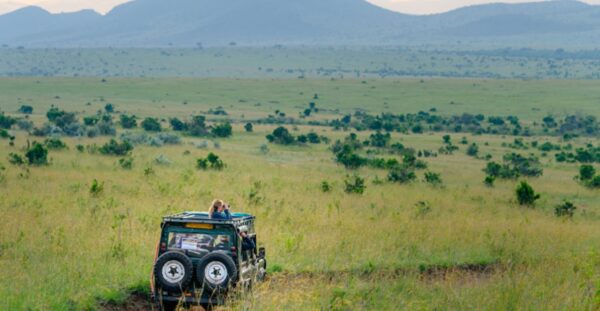
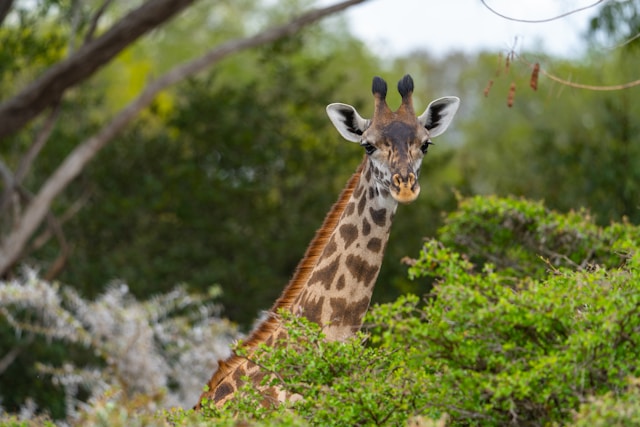
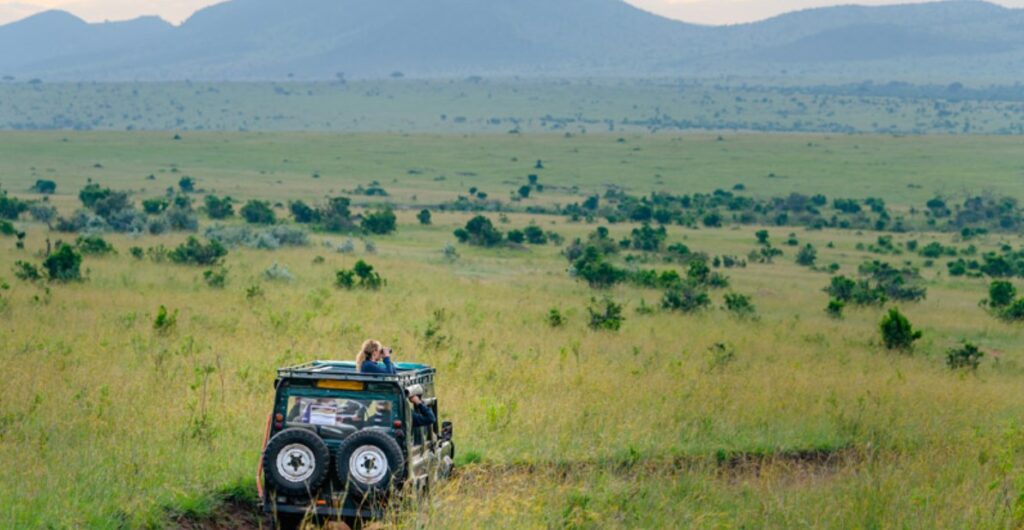
Game drives remain the main activity in the Serengeti, and for good reason. The park supports one of the highest concentrations of large mammals in Africa, including lion, leopard, cheetah, spotted hyena, elephant, buffalo, giraffe, zebra, wildebeest, topi, eland and many species of gazelle.
Types of Game Drives
- Morning drives leave at first light, when predators are active and the light is soft.
- Afternoon drives start mid afternoon and end at sunset, often with dramatic light.
- Full day drives with a packed lunch allow travellers to cover more ground, especially when following the migration.
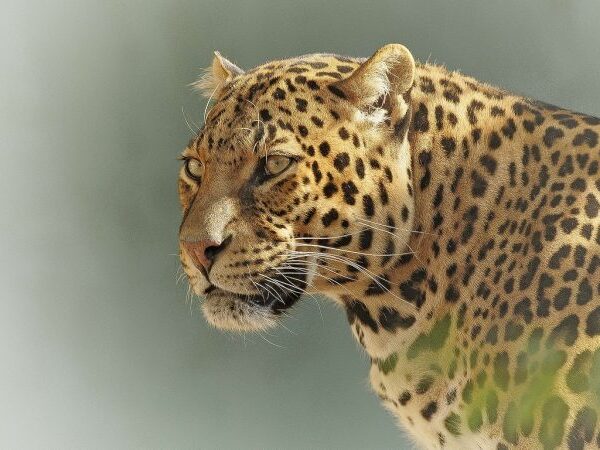
Serengeti national park leopards
Big Cat Viewing
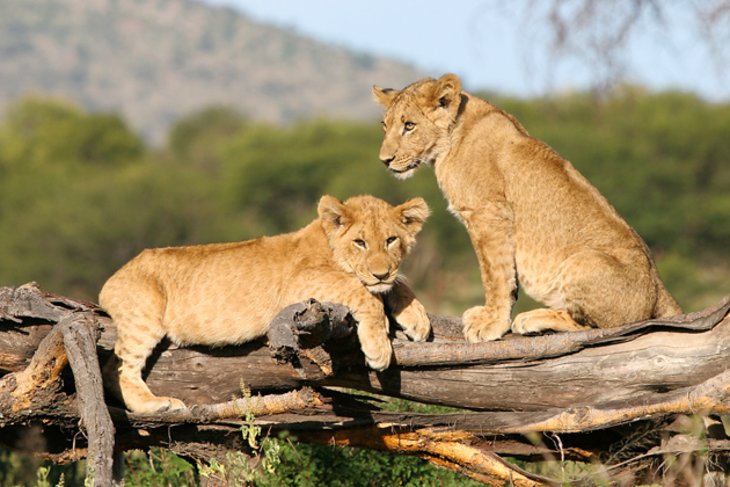
The Serengeti is one of the best places in Africa to see big cats. Seronera is famous for leopards in sausage trees along the river, lions on kopjes and cheetahs on open plains. Patient travellers may witness hunts, especially during calving season.
Following the Great Migration
What It Involves
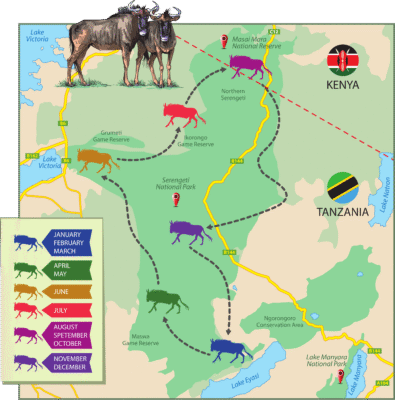
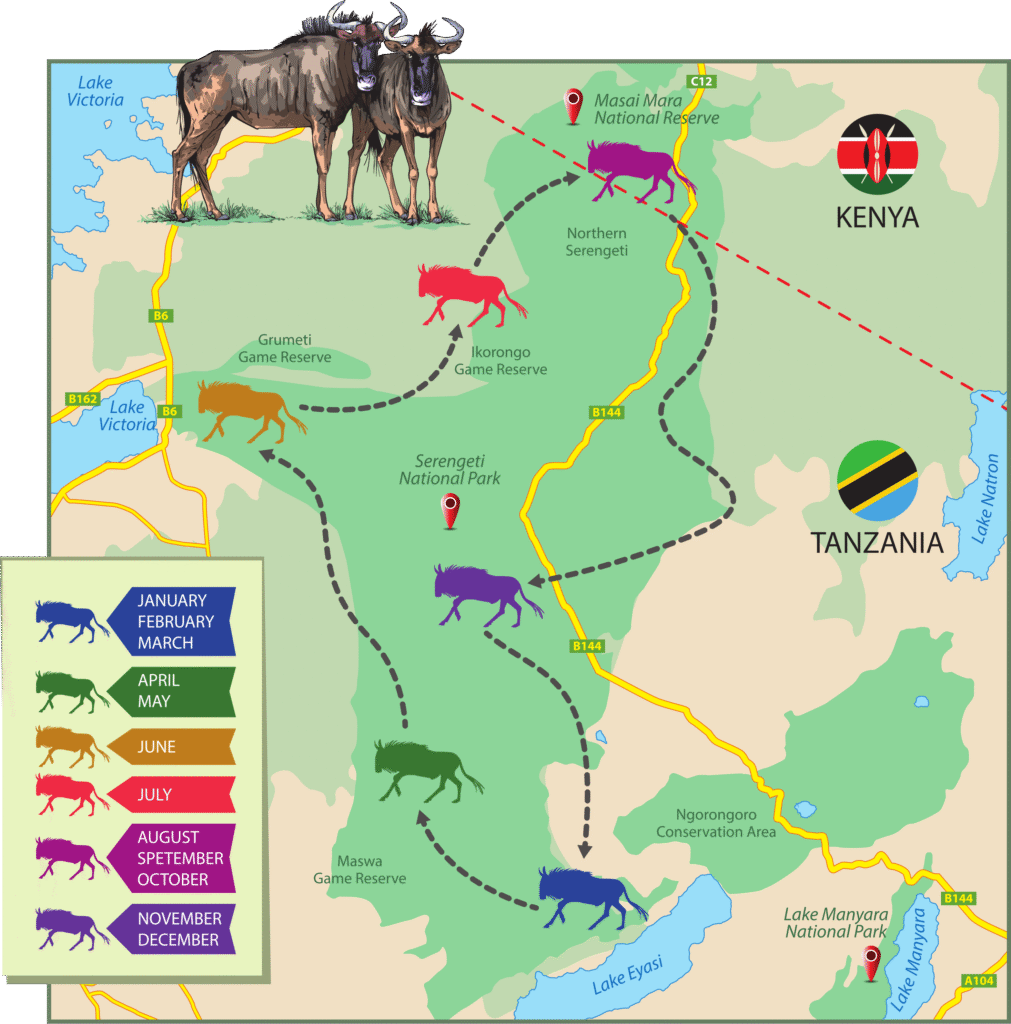
Following the migration is less a single activity than a way of planning a safari. Guides track the herds’ movements, read the grass and rain, and position travellers for key events.
Key Migration Moments
| Event | Timing | Location |
| Calving season | Late January to March | Ndutu and southern Serengeti |
| Rut and columns | May to June | Central and western Serengeti |
| Grumeti River crossings | June to early July | Western Corridor |
| Mara River crossings | July to October | Northern Serengeti |
| Return south | November to December | Eastern and central Serengeti |
Practical Advice
Crossings are unpredictable and require patience. Spend at least three nights in the right area and allow full days at the river. Choose a camp close to the herds for your travel month.
Hot Air Balloon Safaris
The Experience
A balloon safari is one of the most memorable Serengeti activities. Flights take off around dawn, drifting over the plains as the sun rises. From above, herds of wildebeest, giraffes and elephants appear in their landscape, and the silence is broken only by the burner. After landing, guests enjoy a champagne breakfast in the bush.
Where and When
Balloon safaris operate from several areas, including central Serengeti, the Western Corridor and the southern and northern regions, depending on the season and operator. Flights last about an hour, weather permitting.
Costs and Considerations
Balloon safaris are expensive, often in the region of US$600 to US$750 per person. Children usually need to be at least seven years old. Flights are weather dependent and may be cancelled for safety.
Walking Safaris
Where Walking Is Possible
Walking safaris are restricted in most of the Serengeti National Park, but they are possible in specific areas with authorisation, in the Ngorongoro Conservation Area near Ndutu and in private concessions bordering the park, such as Grumeti and Loliondo areas. Some camps offer short guided walks with armed rangers.
The Experience
Walking changes the way you see the bush. Guides explain tracks, plants, insects and animal behaviour, and you feel the scale of the landscape on foot.
Visiting the Moru Kopjes
What to See
The Moru Kopjes in the southern central Serengeti are a cluster of granite outcrops rising from the plains. They shelter lions and leopards, and they hold cultural sites, including Maasai rock paintings and Gong Rock, a stone that produces a ringing sound when struck and was traditionally used by Maasai communities.
Wildlife
Moru is one of the few places in the Serengeti where black rhinos have been reintroduced and protected. Sightings are rare but possible with knowledgeable guides.
Visiting Olduvai Gorge
Why It Matters
Olduvai Gorge, located between the Ngorongoro Crater and the Serengeti, is one of the most important paleoanthropological sites in the world. Discoveries here by Louis and Mary Leakey and others shed light on early human ancestors and their tools.
The Visit
The Olduvai Gorge Museum displays fossils, replicas and explanations of the site’s significance, and a viewpoint overlooks the gorge itself. Nearby, the Laetoli footprints, made by early hominins around 3.6 million years ago, are represented by replicas and information at the museum.
Cultural Visits to Maasai Communities
Where
Maasai communities live in the Ngorongoro Conservation Area and the lands bordering the Serengeti, including Loliondo.
What to Expect
Visits to Maasai bomas offer insight into traditional homes, cattle keeping, beadwork and dances. Choose experiences recommended by your safari company that benefit the community directly.
Bush Breakfasts, Picnics and Sundowners
The Experience
Many camps set up breakfasts or lunches in the bush, often beneath a large acacia with views across the plains. Sundowners, drinks at sunset, are a beloved safari tradition, often enjoyed on a kopje or hilltop.
Private Bush Dinners
Some camps arrange private dinners under the stars, lit by lanterns and a campfire, ideal for honeymooners and special occasions.
Photography Safaris
Why the Serengeti Is Ideal
The Serengeti offers outstanding photography: wide horizons, dramatic skies, predator action and migration scenes. Specialist photographic guides and vehicles with beanbags and open sides help photographers make the most of opportunities.
Birdwatching
What to Expect
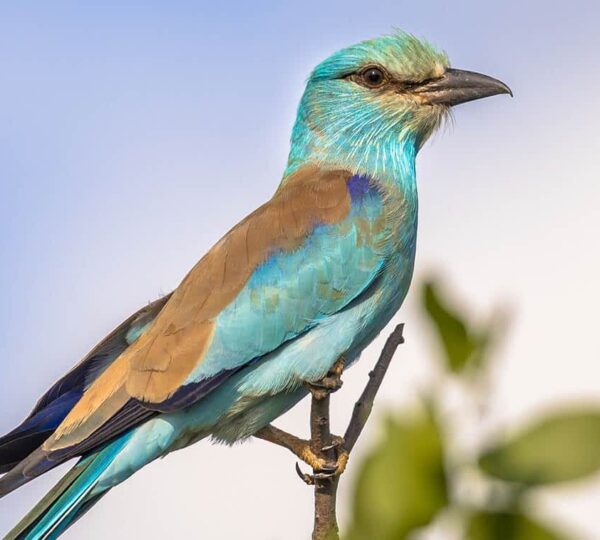
Birding in Serengeti
More than 500 bird species have been recorded in the Serengeti, including ostrich, secretary bird, kori bustard, Fischer’s lovebird, grey breasted spurfowl, rufous tailed weaver and Usambiro barbet. Raptors are abundant, and vultures follow the migration.
Best Time
November to April, when migrant birds are present and many residents are in breeding plumage.
Visiting the Serengeti Visitor Centre
What to Expect
The visitor centre at Seronera includes a self guided walk, information about the park’s history, ecology and conservation, and a small kopje trail where rock hyraxes and agama lizards are often seen.
A Sample Four Day Serengeti Activity Plan
| Day | Morning | Afternoon | Evening |
| Day 1 | Drive from Ngorongoro with a stop at Olduvai Gorge | Game drive into central Serengeti | Sundowner and dinner at camp |
| Day 2 | Dawn balloon safari with bush breakfast | Rest at camp, then game drive along the Seronera River for leopards | Campfire stories with your guide |
| Day 3 | Full day drive to the Moru Kopjes with picnic lunch | Search for lions and rhino around Moru | Private bush dinner |
| Day 4 | Early game drive | Fly out to Arusha or Zanzibar | Onward travel |
Activities Outside the Park Boundaries
Some of the most rewarding experiences happen just beyond the national park. The Ngorongoro Conservation Area around Ndutu allows off road driving in certain zones during the calving season, under rules that can change.
Private concessions in the Grumeti and Loliondo areas offer night drives, guided walks and horseback riding at selected lodges. Lake Eyasi, south of the Ngorongoro highlands, offers visits to Hadzabe and Datoga communities. Including one of these areas in a Serengeti safari broadens the range of activities without adding long transfers.
Activities by Season
| Season | Months | Highlights | Considerations |
| Calving season | Late January to March | Ndutu calving, predators, green plains | Book Ndutu camps early |
| Long rains | April to May | Lush landscapes, few visitors, lower rates | Some camps close, muddy roads |
| Early dry season | June | Western Corridor, Grumeti crossings | Fewer vehicles than the north |
| Peak dry season | July to October | Mara River crossings, strong game viewing | High demand and prices |
| Short rains | November to December | Herds moving south, birding | Afternoon showers |
Budget Guide
| Activity | Approximate Cost |
| Park entry (non resident adult) | Around US$80 to US$85 per day including VAT |
| Balloon safari | Around US$600 to US$750 per person |
| Walking safari | Included at some camps, or charged as an extra |
| Olduvai Gorge Museum | Small entry fee |
| Cultural visit | Around US$20 to US$50 per person |