Best Lodges and Where to Stay in Kidepo Valley National Park
August 17, 2026
Top Luxury Camps in Rwanda to Stay in 2027
August 17, 2026
Safari Tips and Tricks for First-Time Travelers in 2027
Safari Tips and Tricks for First-Time Travelers in 2027; A safari is often a genuine bucket-list trip, planned months or even years in advance, and that weight of expectation means most first-time travelers arrive hoping everything goes flawlessly. It usually does, but a handful of genuinely common mistakes trip up first-timers again and again, and knowing about them in advance makes the difference between a good trip and an exceptional one.
As a travel consultant, I’ve watched clients make, and recover from, nearly every mistake on this list, so consider this the conversation I’d have with you before you book your first 2027 safari.
Mistake #1: Assuming All Parks and Lodges Are Interchangeable
Not all parks, reserves, and lodges are created equal, and matching your specific interests to the right destination matters enormously. If Big Five sightings are your priority, you’ll want a genuinely different park than a dedicated birder would choose.
Research the actual quality of game viewing in a specific area, the qualifications and experience of the guiding team, and the genuine standard of accommodation, rather than simply booking whichever destination appears most often in general marketing.
Mistake #2: Expecting Non-Stop Wildlife Action
Safaris involve genuine waiting and patience, and wildlife sightings simply cannot be scheduled to order. Experienced guides understand animal behaviour and movement patterns deeply, but even the best guide can’t guarantee a specific sighting on a specific day.
Coming into your first safari with realistic expectations, appreciating the vastness of the landscape and the quiet moments between sightings as much as the dramatic ones, genuinely improves how much you enjoy the whole experience.
Mistake #3: Fighting the Early-Morning Schedule
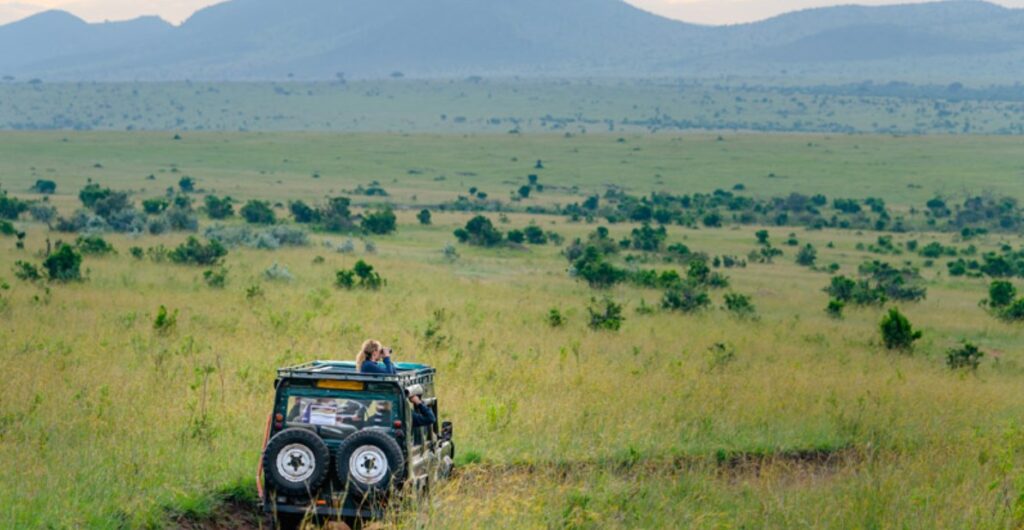
Game drives run on the animals’ schedule, not yours, and the morning drive typically starts well before sunrise, precisely to catch nocturnal animals heading to rest and diurnal species waking and heading to water.
Safari mornings genuinely aren’t the time for a lie-in, and fighting this rhythm rather than embracing it tends to sour the whole experience. The good news is that most days include a genuine rest window before the afternoon drive, so you can catch up on sleep with a proper nap between activities.
Mistake #4: Ignoring Your Guide
Your guide is a genuine wildlife behaviour expert, and ignoring their instructions, standing up in the vehicle unexpectedly, making loud noises near wildlife, or insisting on getting closer than they advise, is the single mistake experienced operators most consistently warn against. Guides make real-time judgment calls based on animal behaviour that isn’t always obvious to a first-time visitor, and trusting them fully is both a safety matter and, frankly, the way to get the best possible sightings.
Mistake #5: Overpacking Your Itinerary
Trying to cram too many destinations into too short a trip is one of the most common planning mistakes, and it consistently produces a rushed, exhausting experience rather than the relaxed, immersive trip most travelers actually picture. Going off the beaten path and approaching your itinerary with a genuinely open mind, rather than trying to tick off every famous destination in a single visit, tends to produce a considerably more satisfying trip.
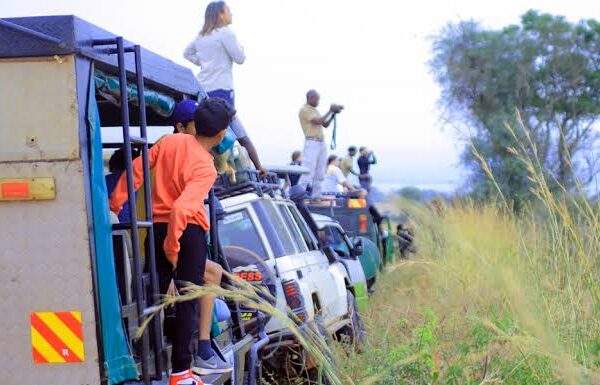
Game Drives
Mistake #6: Not Checking Bush Flight Luggage Restrictions
Small aircraft transfers between parks and reserves are common on multi-destination safaris, and these flights impose genuinely strict luggage limits, often as low as 15 kilograms including hand luggage, considerably less than standard international airline allowances.
Checking these specific weight limits well ahead of departure, and packing accordingly, avoids a genuinely stressful situation at the airstrip where you may be forced to leave items behind or pay unexpected excess fees.
Soft-sided duffel bags are strongly preferred over hard-shell suitcases for these flights, since they’re easier to load into small aircraft holds and pack more efficiently into limited cargo space.
Mistake #7: Bringing the Wrong Luggage
Safaris are genuinely tough on luggage, everything gets dusty quickly, and roads can be bumpy. Leave a brand-new, designer, or hard-shell suitcase at home and bring soft-sided duffel bags instead, which handle both the dust and the small-plane luggage restrictions considerably better. Large trash bags and ziplock bags are also worth packing, genuinely useful for protecting your backpack, luggage, or camera gear during dusty drives.
Mistake #8: Underestimating How Cold Mornings Can Get
While safari days are often warm and sunny, nights and early mornings can be surprisingly chilly, especially during the dry season or at higher altitude. Temperatures drop quickly after sunset, and dawn game drives in an open vehicle can genuinely leave you shivering if you’re not prepared. Pack a warm layer, a fleece or light jacket, specifically for early morning and evening activities, even if your destination generally has a hot daytime climate.
Mistake #9: Not Researching Family and Age Policies in Advance
If you’re traveling with children, some lodges and shared game drives don’t accommodate young kids, or may require booking a private vehicle instead of joining a shared drive. Researching specific family policies for your chosen lodges and activities well in advance avoids disappointment or last-minute itinerary changes once you’ve already arrived.
Mistake #10: Choosing the Wrong Trip Structure for Your Personality
Group safaris offer genuine savings over private trips, particularly for solo travelers, and provide a natural way to meet other travelers, but they come with fixed itineraries and less flexibility around specific animal or activity preferences. Self-drive safaris, available in select destinations, offer maximum flexibility but genuinely require prior off-road driving experience and basic vehicle troubleshooting skills; travelers without that background who choose self-drive purely for cost savings sometimes find themselves in genuinely difficult situations if something goes wrong in a remote area. Understanding which structure actually suits your personality and experience level, rather than defaulting to whichever option looks cheapest, prevents a genuinely common source of first-trip regret.
A Practical First-Timer’s Packing Checklist
| Category | Essentials |
| Clothing | Neutral-coloured layers, warm jacket/fleece, wide-brimmed hat, waterproof jacket, swimsuit |
| Health | Insect repellent (with DEET), sunscreen, basic first-aid kit, stomach and motion sickness remedies |
| Gear | Binoculars, camera with charging cables/power bank, torch/flashlight, small backpack for drives |
| Luggage | Soft-sided duffel bags, ziplock/trash bags for dust protection |
| Documents | Passport, visas, travel insurance details, printed/digital copies of bookings |
| Extras | Books, cards, or small games for downtime; snacks for kids |
Final Advice for 2027
The single most valuable thing you can do before your first safari is work with an experienced consultant who can walk you through your specific itinerary’s particular quirks, which lodges have family policies, which internal flights carry strict luggage limits, which parks suit your specific interests, rather than relying purely on generic packing lists and mistake-avoidance guides.
Every safari is genuinely different, and the best trips come from planning that reflects your actual priorities rather than a one-size-fits-all template.
Beyond the practical logistics, the single best mindset for a first safari is genuine curiosity and patience. You don’t need to be a wilderness expert or a seasoned traveler to have the trip of a lifetime; you simply need realistic expectations, a willingness to trust your guide, and an appreciation for the quiet, unhurried rhythm that makes safari travel genuinely unlike any other kind of holiday.
Booking Timeline: What to Do When
For a 2027 first safari, start researching and speaking with a consultant nine to twelve months ahead of your intended travel dates, particularly if your trip includes peak season game viewing, gorilla trekking permits, or a specific milestone occasion you want to time precisely.
This timeline allows enough room to secure the best-value accommodation before it sells out, confirm visa and health requirements without last-minute stress, and make any necessary adjustments to your itinerary as you learn more about what genuinely interests you.
In the final six to eight weeks before departure, focus on the practical final steps: a travel clinic visit for any required vaccinations or malaria prophylaxis, confirming your specific packing list against your actual itinerary and any internal flight weight limits, and reviewing your consultant’s final briefing document, which should cover everything from tipping guidelines to what to expect on your first morning in camp.
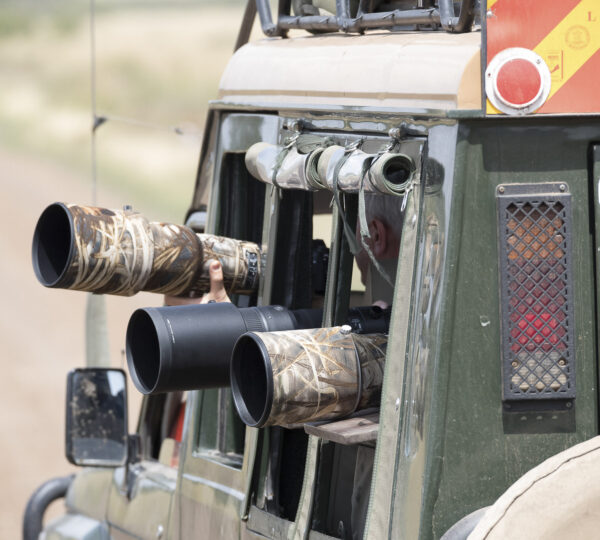
Game Drives
Managing Expectations Around Cost
First-time safari travelers are sometimes surprised by the full cost of a genuinely well-executed trip once flights, park fees, activities, and gratuities are all accounted for beyond the headline lodge rate. Average safari spending for a proper multi-destination trip commonly runs into the thousands of dollars per person, and international travelers frequently spend upward of thirty hours in transit to reach popular destinations, both factors worth building into your expectations from the outset rather than discovering midway through planning.
Being upfront with your consultant about your actual budget ceiling, rather than researching independently and feeling pressured to match whatever number appears in glossy marketing material, produces a far more satisfying planning process and a trip that genuinely fits both your financial comfort and your travel goals.
Frequently Asked Questions
What’s the single biggest mistake first-time safari travelers make?
Overpacking the itinerary with too many destinations in too short a time is one of the most consistent mistakes, producing a rushed, exhausting trip rather than the relaxed experience most travelers actually want.
How strict are luggage limits on safari?
Bush flights between parks often impose genuinely strict limits, sometimes as low as 15 kilograms including hand luggage. Always check your specific itinerary’s limits well ahead of departure and pack in soft-sided bags.
Should I book a private or group safari for my first trip?
It depends on your budget, personality, and priorities. Group safaris offer savings and social opportunities but less flexibility; private safaris offer full control over pace and activities at a higher cost. Neither is objectively better for every traveler.
Do I really need warm clothing if my destination is hot?
Yes. Early morning and evening game drives can be genuinely cold even in warm destinations, particularly during dry season or at altitude, so packing warm layers is essential regardless of the daytime climate.
Is it worth using a travel consultant for a first safari?
Generally yes. A consultant can flag destination-specific quirks, family policies, luggage restrictions, and itinerary pacing issues that generic online research often misses, helping you avoid the most common first-timer mistakes.