Bird Watching at Lake Naivasha
October 30, 2026
Marine Parks in Kenya
October 30, 2026
Birding in Masai Mara National Reserve
Birding in Masai Mara National Reserve : The Masai Mara is known for lions, cheetahs and wildebeest, and most visitors count the trip a success if they see a river crossing and a hunt. But the reserve is also one of Kenya’s richest places for birds.
More than 470 species have been recorded inside it, and many guides and operators quote about 500, including a daunting 47 species of birds of prey. Open plains make birds easy to see, and the mix of grassland, marsh, riverine forest, rocky outcrops and woodland adds species that you would not find in a single habitat.
This guide is for travelers who want to add real birding to a Mara safari, whether as a main interest or as a way to enrich the quiet hours between big sightings. It covers the best sites, the species to look for, when to go, what it costs, how to get there, where to stay and how to get the most from your guide.
Is the Mara Good for Birders?
Yes. The reserve covers a wide range of habitats, from open red oat grasslands to riverine forest along the Mara and Talek rivers, and the open terrain makes birds visible in a way that dense forest does not. It is a good place for beginners, because common species are easy to see, and for experienced birders, because there are specials and a long raptor list.
The main limit is the way most safaris are run. Game drives are planned around big animals, and vehicles do not always stop for birds. If you want to bird seriously, talk to your guide early, ask for time at marshes and river edges, and consider a conservancy stay, where drives are more flexible and walking is permitted.
Habitats and Where to Look
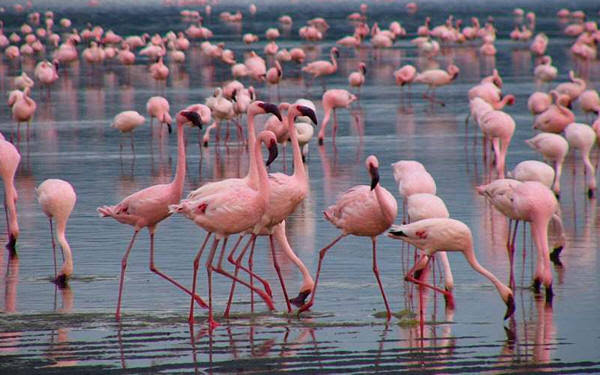
Musiara Marsh, in the north, is one of the best birding sites in the reserve. It is the only place in Kenya where the rufous-bellied heron breeds, and between October and May you may also find the endangered Madagascar squacco heron. Herons, egrets, storks, ibises and waders gather here, and the marsh is also a hotspot for big cats, so it rewards slow drives.
The Mara River and the forest strips along it are another key habitat. Up to seven kingfisher species have been recorded, from the giant kingfisher to the tiny pygmy kingfisher, and the riverine trees hold Ross’s turaco and Schalow’s turaco.
The open plains are the place for ostrich, secretary bird, bustards, coursers, larks, plovers and widowbirds, and rocky areas and scattered trees support raptors, hornbills and cuckoos. The Mara Triangle, the western third of the reserve, adds riverine forest, volcanic hills and the 400-metre Oloololo Escarpment, which is good for raptors.
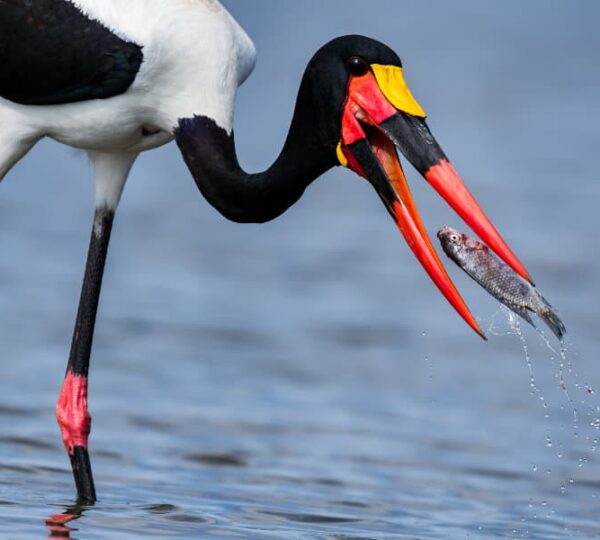
saddle-billed stork
Birds of Prey and Vultures
Raptors are the signature group. With 47 or more species of birds of prey, the Mara offers eagles, hawks, falcons, kites, harriers and vultures. Bateleurs soar over the plains, martial eagles hunt from trees and tall perches and the tawny and other eagles patrol the grasslands. Six species of vultures scavenge kills, including the white-backed vulture, Rüppell’s vulture, lappet-faced vulture, white-headed vulture, hooded vulture and Egyptian vulture.
Watching raptors and vultures at a kill, and seeing how they queue and compete, is as dramatic in its way as watching the predators. If you notice vultures circling or descending, ask your guide to follow, since it often leads to a carcass and sometimes a predator. Raptor numbers are a sign of a healthy ecosystem, and the Mara’s vultures also face threats, so respect any guidelines around poisoned carcasses and conservation work.
Special Birds to Look For
Beyond the raptors, specials include the secretary bird, saddle-billed stork, woolly-necked stork, southern ground hornbill, Denham’s bustard, Temminck’s courser, Rosy-throated longclaw, grey-crested helmet-shrike, Hildebrandt’s starling, white-bellied go-away bird, Schalow’s turaco, Ross’s turaco, red-throated tit, rufous-throated wryneck, yellow-throated sandgrouse and several cisticolas, widowbirds and nightjars.
Water-based species such as African finfoot, goliath heron, black crake and several ducks and egrets add variety along the river and marsh edges. On night drives in conservancies, you may find nightjars, owls and other nocturnal birds. A checklist from the reserve or a good field guide will help you recognise what is common and what is special.
Best Time for Birding
Birding is possible all year, but the best period is generally November to April, when migrants from Europe and North Africa arrive and many species are in breeding plumage. This coincides with the short rains and the wetter months, and the landscape is greener. The short rains of November and early December are often named as a peak for breeding plumage.
From June to October, the dry season, the grass is shorter and views are often clearer, and the migration is at its height, so the reserve is busier. If you want both wildlife and birds, the shoulder months give a good balance, but there is no bad time. Early morning and late afternoon are best for activity and light in every season.
Birding in the Conservancies
The private conservancies around the reserve allow activities that the main reserve does not, including walking safaris and night drives, which are ideal for birders. On foot, you can stop for as long as you like, hear calls that you would miss from a vehicle and approach small birds quietly. Night drives open up owls, nightjars and other nocturnal species.
Vehicle numbers are also limited, which means a quieter experience, and guides are often more willing to stop. If birding is a priority, ask your operator whether a conservancy night or two can be added to the itinerary, and request a guide with birding experience.
Costs and Park Fees
Park fees apply per person per day, and a recent source puts non-resident adult fees at US$100 in January to June and US$200 in July to December, with children aged 9 to 17 paying US$50 and younger children free. Conservancy fees are separate, and camp rates vary widely. Most packages include park fees, so compare inclusions.
A specialist birding guide adds to the cost but makes a large difference. If you are on a standard safari, ask your driver-guide to stop for birds and bring binoculars and a field guide. Even small adjustments, such as a longer pause at a marsh or an early start, can add many species to your list.
Getting There
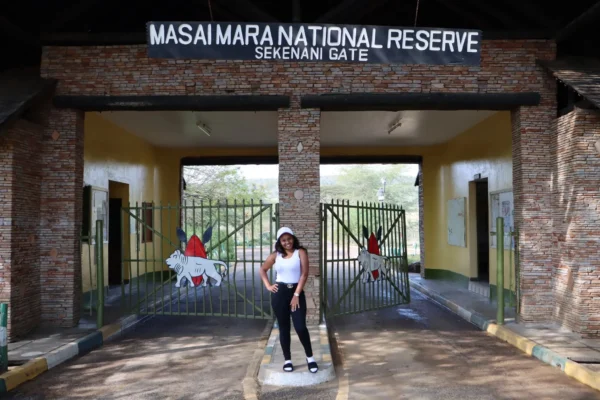
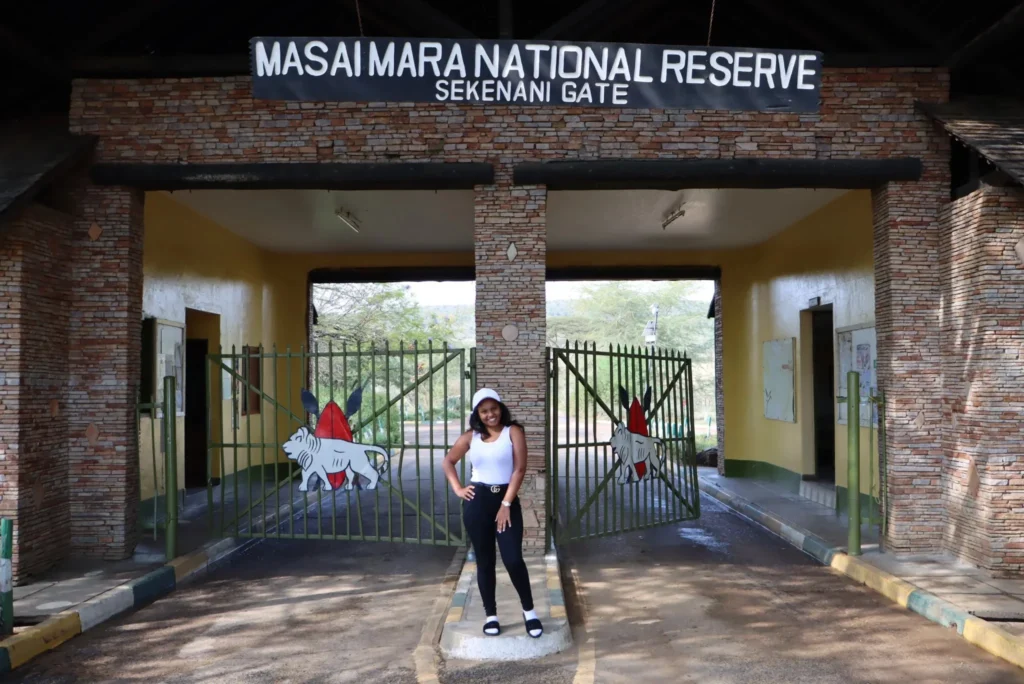
Most visitors fly from Nairobi’s Wilson Airport to airstrips in the Maasai Mara, a flight of about 45 minutes, or drive about five to six hours via Narok. The gate you use depends on your camp, and your operator will advise. The Mara Triangle in the west has its own access and gate, and the Mara Serena area has an airstrip. Check road conditions in the rainy season, since tracks can be slow.
Where to Stay
For birders, a camp with access to varied habitats and flexible drives is ideal. Camps near Musiara Marsh and the Mara River are good for waterbirds and riverine species, and camps in the Mara Triangle offer escarpment and riverine habitats. The Triangle has two permanent lodges, Mara Serena and Little Governors, and the conservancies have many tented camps that allow walking and night drives.
Ask your camp whether they have a birding guide, whether they provide checklists and whether early starts and late returns are possible. Lodges with gardens and trees can produce a good list from the veranda, so keep your binoculars handy during meals.
Photographing Raptors and Vultures
Raptors are easiest to photograph when perched, and the Mara’s open terrain offers many low trees and termite mounds where they sit. A 400mm lens is ideal, and a fast shutter speed freezes flight. Watch for vultures gathering and dropping toward a kill, since the action can be fast and dramatic.
Stay in your vehicle and keep a safe distance from predators at a kill. Birds scavenging at a carcass are used to some vehicles, but crowding changes their behaviour, so ask your guide to position carefully and keep engine noise low.
Choosing a Guide and Camp for Birding
The right guide matters more than the right camp. Ask whether your driver-guide can identify birds by sight and call, whether they carry a checklist and whether they are willing to stop for birds when you ask. The Mara Conservancy publishes a bird checklist for the reserve, and a printed copy lets you tick species as you go and helps your guide see what you hope to find.
When you compare camps, ask about early departures, packed breakfasts, walking and night drives and whether a birding-focused guide can be arranged. A camp with a garden and a river view can add many species from the veranda, so a few quiet minutes at breakfast and in the late afternoon are often as productive as an hour on the road.
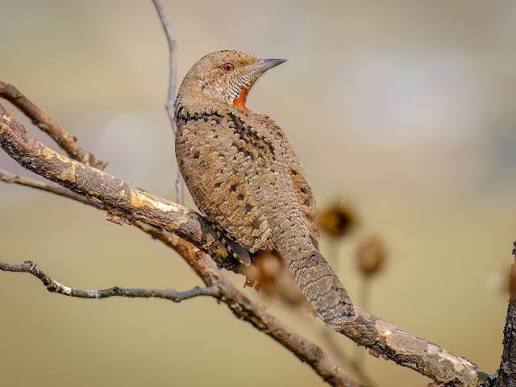
rufous-throated wryneck
Frequently Asked Questions
How many bird species are in the Masai Mara?
More than 470 species are recorded in the reserve, and many sources quote about 500, with 47 or more raptors.
What is the best time for birding in the Mara?
November to April, when migrants arrive and many birds are in breeding plumage, though birding is possible year-round.
Where is the best birding site?
Musiara Marsh in the north, along with the Mara River and its riverine forests.
Can I go on a walking safari for birds?
Walking is not allowed in the main reserve but is offered in many conservancies.
What special birds can I see?
Rufous-bellied heron, Schalow’s turaco, Ross’s turaco, secretary bird, southern ground hornbill, vultures and several kingfishers.