Birding in Masai Mara National Reserve
October 30, 2026
Maasai Mara National Reserve Gates
October 30, 2026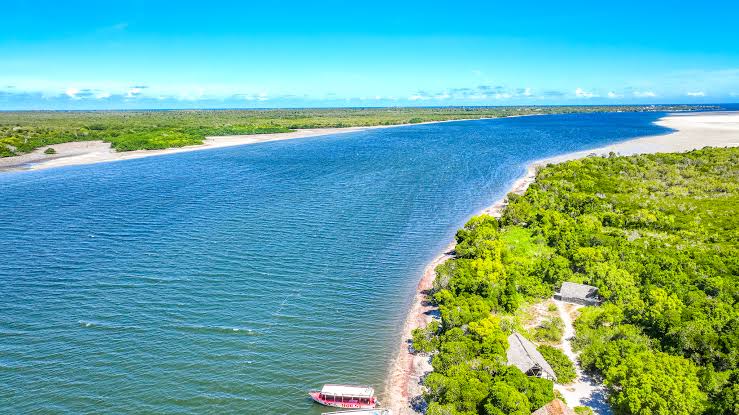
Marine Parks in Kenya
Kenya’s wildlife reputation rests on its savannahs, but the country also has a coastline with some of the best-protected reefs in East Africa. A string of marine parks and reserves runs from the Tanzanian border in the south to the Lamu archipelago in the north, managed mostly by the Kenya Wildlife Service, and together they protect coral gardens, seagrass beds, mangroves, nesting beaches and dolphin waters. They are also some of the cheapest wildlife experiences in Kenya, with entry fees far lower than those of the major land parks.
This guide explains what the marine parks are, what each one offers, what they cost in 2026, what to do there, how to get there, where to stay and when to go. It is written for travellers who want to add snorkelling, diving or boat trips to a safari rather than treat the coast only as a beach.
Is a Marine Park Worth Adding to a Kenya Trip?
Yes, particularly at the end of a safari. A day on a boat in warm water, with turtles, reef fish and sometimes dolphins, is a different kind of wildlife experience from a game drive, and it suits families, couples and travellers who want a break from long days in a vehicle. Fees are low, trips are easy to book from beach resorts and the quality of the best sites is high.
Not every site is equal. Some, such as the Mombasa marine park, are convenient but less consistent, while others, such as Kisite near Wasini Island, are a full-day trip with better reef and dolphins. Choose based on your time, your budget and how important reef quality is to you.
Kenya’s Marine Protected Areas at a Glance
The main KWS marine protected areas are Mombasa, Watamu, Malindi, Kisite-Mpunguti, Diani-Chale and Kiunga, with Kuruwitu also listed in a recent fee guide. Most are marine national parks, where fishing is banned, paired with adjoining marine national reserves, where limited use is allowed. Together they protect fringing coral reefs, seagrass and mangroves that support fish, turtles, dolphins and seabirds.
The table below gives a quick comparison of the parks that most visitors use, with distances measured from Mombasa.
| Marine Park | Location | Known For |
| Mombasa Marine NP and Reserve | North coast, between Mtwapa and Tudor creeks | Convenient snorkelling, glass-bottom boats; established 1986 |
| Watamu Marine NP and Reserve | About 120-140 km north of Mombasa | Green turtles, coral gardens, 500-plus fish species, Gede ruins nearby; est. 1968 |
| Malindi Marine NP and Reserve | About 118 km north of Mombasa | Often called the oldest marine park in Africa; glass-bottom boats |
| Kisite-Mpunguti Marine NP | Shimoni and Wasini Island, about 100-120 km south | Dolphins, best snorkelling, Kenya’s first Blue Park; est. 1978 |
| Diani-Chale Marine NP and Reserve | South coast near Diani and Chale Island | Reef snorkelling and Diani beach access |
| Kiunga Marine National Reserve | Far north, near the Lamu archipelago | Remote, rarely visited reefs, turtles and mangroves |
Watamu Marine National Park and Reserve
Watamu was established in 1968 and is one of Kenya’s first marine parks. It lies about 120 to 140 kilometres north of Mombasa, near the small coastal town of Watamu in Kilifi County, and together with Malindi forms part of a UN-recognised World Biosphere Reserve. The park protects coral gardens, with more than 500 species of fish recorded, and it is a nesting site for the endangered green turtle, with nesting and hatching peaking between May and August.
Snorkelling, diving, glass-bottom boat trips and turtle watching are the main activities, and the park is generally open daily from about 6am to 6pm. Divers can visit a canyon with rays and reef sharks, while snorkellers find reefs and sandbanks reachable by short boat rides. Nearby, the Gede ruins, a medieval Swahili settlement in forest, make a good half-day add-on, and local turtle conservation groups welcome visitors.
Malindi Marine National Park and Reserve
Malindi lies about 118 kilometres north of Mombasa and is claimed to be the oldest marine park in Africa. The park covers about 6 square kilometres, and combined with the Watamu reserve, the protected marine area reaches about 213 square kilometres.
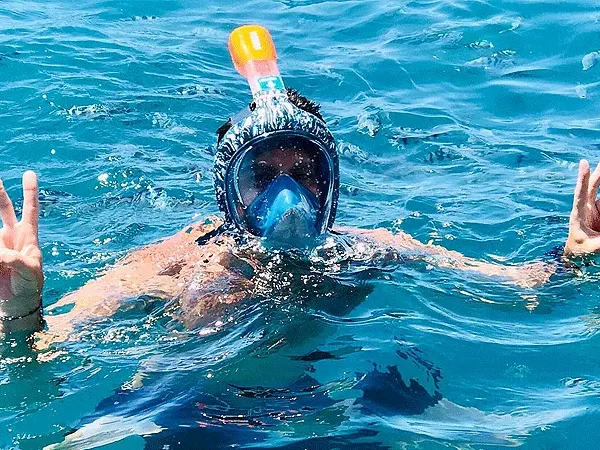
Mombasa Marine NP
It is known for coral gardens and fish, and glass-bottom boats are a popular way to see the reef without getting wet.
Malindi is also a historic town with Portuguese links, a lively market and long beaches, so it combines well with a marine park visit. Visibility depends on weather and season, and the best conditions are generally in the dry months.
Mombasa Marine National Park and Reserve
The Mombasa marine park lies on the north coast between Mtwapa and Tudor creeks and was established as a marine park in 1986. It is the closest to Mombasa, reached from the beaches around Nyali, and suits beginners, families and travellers with limited time. A typical snorkelling trip takes you by boat to the reef, with equipment and a guide provided.
One 2026 guide notes that reef quality and visibility can be inconsistent compared with sites further away, and that a longer trip to Wasini or Kisite gives a better reef and marine life experience. Treat Mombasa as a convenient, easy option rather than the best reef on the coast.
Kisite-Mpunguti Marine National Park
Kisite-Mpunguti, near Shimoni and Wasini Island on the south coast, is often described as the best snorkelling in Kenya and is known as the home of dolphins. It was established in 1978, covers about 39 square kilometres including the Kisite park and the Mpunguti reserve, and was awarded gold-level Blue Park status as Kenya’s first Blue Park. It lies about 6 kilometres offshore, around 100 to 120 kilometres from Mombasa, near the Tanzanian border.
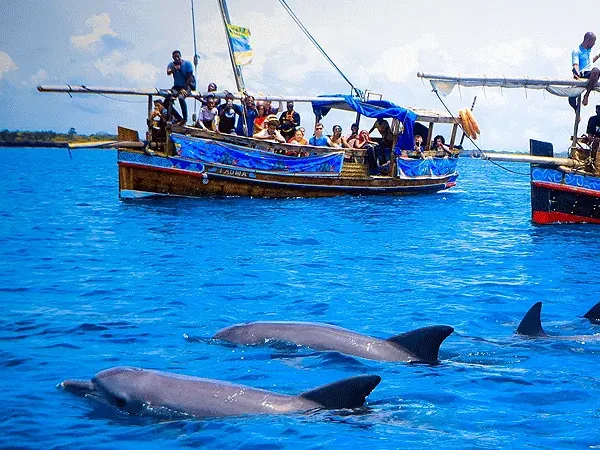
Kisite-Mpunguti Marine National Park
A traditional dhow trip takes you to the reefs for snorkelling, to look for bottlenose, spinner and humpback dolphins in the early morning and to see green and hawksbill turtles. Coral reefs, small islands and sandbanks, reef fish, octopus and occasional reef sharks and rays complete the picture. Trips usually include lunch on Wasini Island, and a full-day tour is quoted at about US$60 to US$100 per adult in one 2026 guide.
Diani-Chale and Kiunga
Diani-Chale Marine National Park and Reserve lies on the south coast near Diani Beach and Chale Island, giving access to reef snorkelling from some of Kenya’s best beaches. It suits travellers who stay in Diani and want a lower-key marine option than a full-day Kisite trip.
Kiunga Marine National Reserve is in the far north, near the Lamu archipelago and the Somali border, and is remote, rarely visited and ecologically rich, with mangroves, seagrass, reefs and nesting turtles. Access is by boat or air from Lamu and requires specialist arrangements, so it suits adventurous travellers and conservation-minded visitors rather than casual day trippers.
What to Do in the Marine Parks
- Snorkeling over coral gardens and sandbanks, with guides and equipment provided on boat trips.
- Scuba diving at sites such as canyons and reefs, with licensed operators.
- Glass-bottom boat trips for non-swimmers and young children.
- Dolphin watching at Kisite-Mpunguti, ideally early in the morning when the sea is calm.
- Turtle watching and nesting-season visits at Watamu, particularly May to August.
- Dhow trips, island lunches and cultural visits on Wasini Island.
Entry Fees in 2026
According to a 2026 guide, entry to the KWS marine parks, including Kisite-Mpunguti, Watamu, Malindi, Mombasa, Kiunga and Diani-Chale, costs US$25 for a foreign adult and US$15 for a child, with Kenya residents paying KSh 675 and KSh 350. An annual marine pass at KSh 10,500 is listed for frequent visitors. Older sources show lower figures in shillings, which reflect earlier tariffs.
Snorkelling trips often include the entry fee in the price, so check what you are paying for. A day at Watamu Marine Park, with park fee and boat, is estimated at around US$50 to US$90, and Mombasa marine park trips at US$50 to US$80 including boat and equipment. A full-day Kisite tour with lunch costs about US$60 to US$100 per adult.
Getting There
Most visitors fly into Mombasa’s Moi International Airport or arrive by rail or flight from Nairobi. Mombasa marine park is a short transfer from the north coast beaches, Watamu and Malindi are two to two and a half hours north by road, and Kisite is reached from Diani via the Likoni ferry and a drive to Shimoni, followed by a boat trip. Malindi also has its own airport for flights from Nairobi and Mombasa.
Boat trips are arranged through your hotel, a licensed local operator or a dive centre. Use operators with safety equipment and a clear briefing, and avoid anyone who offers to take you to the reef without a licence or lifejackets.
Where to Stay
Choose a base that matches your plans. Nyali and Bamburi suit travellers who want to visit the Mombasa marine park and Haller Park. Watamu has a mix of resorts and small guesthouses close to the marine park and turtle projects. Diani offers a long beach with many resorts, and Shimoni and Wasini have simple stays for those who want an early start for Kisite. Book ahead for July to August and December to January.
Best Time to Go
The dry seasons, roughly January to March and July to September, offer the calmest seas and the best visibility, and many sources extend the good period to October to March or April for individual parks. Early morning is best for dolphin trips, when the sea is calmer. The long rains, April to June, and short rains in November can cloud the water and make boat trips less comfortable, though prices are lower.
Responsible Snorkelling and Diving
- Do not touch, stand on or collect coral, shells or marine life.
- Keep your distance from turtles and dolphins, and never chase or feed them.
- Use reef-safe sunscreen or a rash vest to reduce chemicals in the water.
- Choose licensed operators who follow park rules and carry safety gear.
- Pay park fees, since they support patrols and conservation work.
Frequently Asked Questions
What are the main marine parks in Kenya?
Mombasa, Watamu, Malindi, Kisite-Mpunguti, Diani-Chale and Kiunga, with Kuruwitu also listed in a recent fee guide.
Where is the best snorkelling?
Kisite-Mpunguti near Wasini Island is generally rated best, with Watamu also strong.
How much is entry in 2026?
About US$25 for foreign adults and US$15 for children at KWS marine parks, according to a 2026 guide. Trips often include the fee.
Can I see dolphins?
Yes, particularly at Kisite-Mpunguti, in the early morning when the sea is calm.
When do turtles nest at Watamu?
Nesting and hatching occur year-round but peak between May and August.