Nyungwe Forest National Park 2026 / 2027 Prices
September 20, 2026
Kenya Attractions
September 20, 2026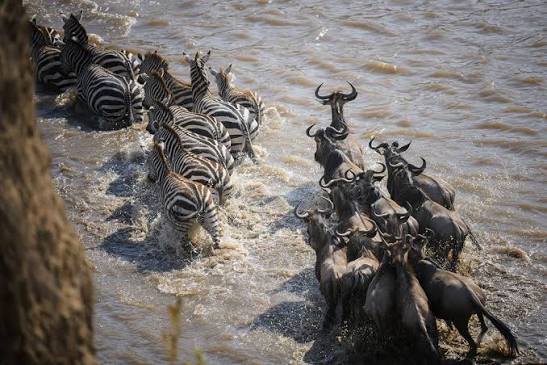
How Many Days Do You Need in Masai Mara?
This is one of the most common questions we hear from travelers planning a Masai Mara safari, and the honest answer depends on your pace and budget — but as a working rule, four days and three nights gives you enough time to properly experience the reserve’s wildlife without feeling rushed.
A four-day Masai Mara safari builds in enough game drives to make the most of your stay while still allowing a bit of downtime on arrival. If you’re flying in rather than driving, a tighter three-day, two-night version works well too, especially for travelers on a shorter timeline who still want two solid game drives.
The Masai Mara is renowned worldwide for hosting the Big Five — lion, leopard, cape buffalo, rhino, and elephant — alongside Nile crocodiles, hyenas, zebra, jackals, warthogs, and a wide range of colorful bird species.
How Many Days Fits Your Travel Style?
There’s no single right answer, since the ideal length depends on how you’re getting there, what else is on your itinerary, and how deeply you want to explore the reserve versus simply seeing it.
2-3 Days: For a Short Layover or a Fly-In Add-On
A two- or three-day Masai Mara trip works well as an add-on to a longer Kenya or East Africa itinerary or for travelers with a hard limit on total trip length.
Flying directly into the Mara rather than driving is the key to making this window work — it removes the five- to six-hour road transfer each way and puts you on your first game drive within hours of leaving Nairobi. Expect two solid game drives and a genuine, if compressed, taste of the reserve.
4 Days: The Balanced Default
Four days and three nights is the sweet spot for most travelers — enough time for four to five game drives, a full day dedicated to deeper exploration, and typically a cultural visit to a Maasai village, without stretching the trip longer than necessary. This is also comfortable to combine with an overland drive from Nairobi, since you’re not spending a disproportionate share of the trip in transit.
5-7 Days: For Migration Season or a Slower Pace
If you’re visiting specifically during the Great Wildebeest Migration (July to October) and want a real chance at a Mara River crossing, five to seven days gives you the flexibility to be in the right part of the reserve on the right day, rather than hoping your itinerary lines up with the herds by chance.
A longer stay also allows time to add a night game drive or guided walk in a private conservancy, both of which are unavailable in the main reserve.
Longer stays are also the better choice if you plan to split your time between the main reserve and one of the private conservancies, since each offers a genuinely different style of safari worth experiencing separately rather than rushed into the same few days.
A Sample 4-Day Masai Mara Itinerary
Here’s what a well-paced four-day Masai Mara safari typically looks like.
Day 1: Transfer to Masai Mara, Afternoon Game Drive
Your driver-guide collects you from your hotel in Nairobi, or from Jomo Kenyatta International Airport, for the drive to the Masai Mara, taking in the landscape along the way. On arrival, check in at your lodge for lunch, then head out for an afternoon game drive across the plains, watching for lions, leopards, cape buffaloes, elephants, gazelles, and zebra. Return to your lodge for dinner and an overnight stay.
Day 2: Morning and Afternoon Game Drives
Wake early for breakfast before a morning game drive — one of the best windows for spotting the Big Five and other wildlife, including hyenas and the more elusive cheetah. Return to the lodge for a break before heading out again in the afternoon, keeping an eye on waterholes for animals coming to drink. This is also a good time to visit the Mara Triangle for its scenery. An optional hot air balloon safari can be added on this day as well.
Day 3: Full Day Game Drive, Picnic Lunch, Maasai Village Visit
After breakfast, head out for a full day of game viewing with a packed lunch, exploring deeper into the reserve’s plains. Expect sightings of lions, elephants, impalas, topi, spotted hyenas, Thomson’s gazelle, wildebeest, cheetahs, baboons, and zebra. Return to your lodge for dinner and an overnight stay.
Day 4: Depart for Nairobi
After breakfast, check out and transfer back to Nairobi, either by road or by flight, bringing your Masai Mara safari to a close.
Fly In or Drive? How It Affects Your Day Count
The road transfer from Nairobi to the Masai Mara takes roughly five to six hours each way, versus about 45 minutes to an hour by air. On a four-day trip, driving both ways effectively costs you the better part of a full day of game viewing compared to flying — worth weighing against the cost difference between the two options.
Driving does have its own upside: the route crosses the Great Rift Valley, with a worthwhile stop at the Rift Valley viewpoint and the chance to visit Narok town along the way. For travelers with a day or two to spare, that overland scenery is a genuine part of the experience rather than simply a means of getting there. For anyone on a tighter three- or four-day schedule, flying is generally the better use of your limited time.
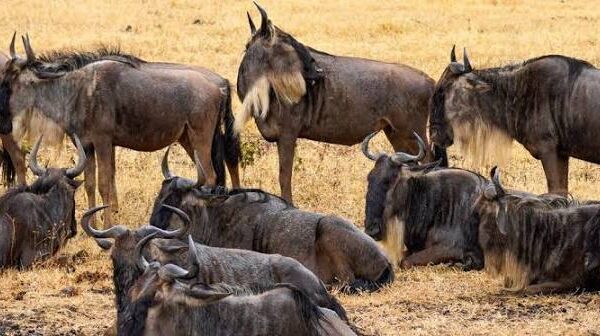
Wildebeests in Maasai Mara
Combining the Masai Mara With Other Parks
If you have more than seven days, it’s worth thinking about how many days to allocate to the Mara itself versus splitting time with another destination. A common and well-balanced combination is three or four days in the Masai Mara paired with two to three days at Lake Nakuru or Amboseli, giving you a genuinely different landscape and wildlife focus without an excessive amount of additional travel time.
For travelers with two weeks or more, adding a Tanzania extension into the Serengeti and Ngorongoro Crater is a natural next step, since the two ecosystems are connected and the border crossing at Isebania is straightforward with an experienced driver-guide. In that case, we’d generally recommend giving the Mara at least three days on its own before crossing, rather than treating it as a single overnight stop on the way to Tanzania.
If a beach extension is part of your plan, four days in the Mara followed by four or five days on the coast at Diani or Watamu is a well-tested combination that keeps neither half of the trip feeling rushed.
What’s Typically Included
- Full-board accommodation
- Park entrance fees
- A knowledgeable, English-speaking driver-guide
- Cultural encounter fees
- Fuel
- Bottled mineral water on safari
What’s Typically Excluded
- International visas
- Personal expenses such as tips, laundry, soft drinks, and other incidentals
Best Time to Visit Masai Mara National Reserve
The Masai Mara is a year-round destination with strong game viewing throughout, but most travelers consider July through October the best window, when the wildebeest migration is in the reserve and herds cross the Mara River en route from Kenya to Tanzania.
This is also when you’ll get some of the wildest safari sightings anywhere in Africa — but expect prices for tours and accommodation to run close to double, and lodges to book out months in advance.
November through February is still considered high season, with strong wildlife viewing at somewhat lower prices than during migration season. March through May is the low season: heavy rain thickens the grass cover and can limit visibility, but it’s also the quietest and most affordable time to visit.
For most travelers, four days and three nights is the sweet spot in the Masai Mara — enough time for several full game drives and a cultural visit, without an overly rushed pace. If your schedule is tighter, three days still delivers a genuine safari experience, particularly if you fly in rather than drive.