6 Must See National Parks in Tanzania for 2026
September 21, 2026
Best Time to Visit Zanzibar
September 21, 2026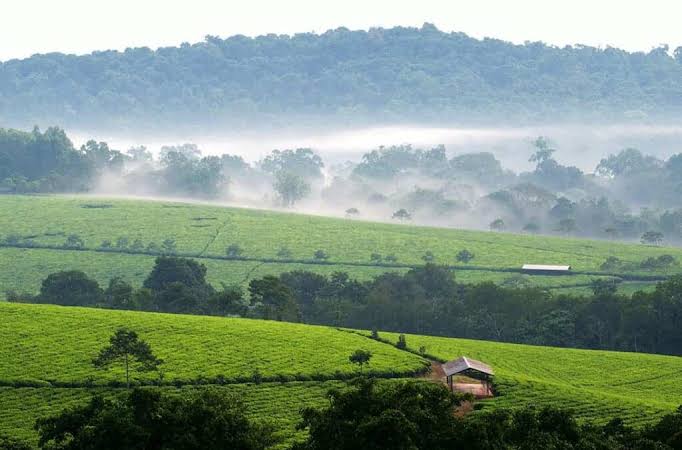
Rwanda Weather: Seasons, Climate, and Ideal Travel Times
Weather is the single question we get asked most often after price, and it deserves a more precise answer than a lodge brochure usually gives. Rwanda sits almost exactly on the equator, which means it does not experience summer and winter in the way travellers from temperate countries expect.
What it experiences instead is a rhythm of wet and dry periods driven by altitude and the seasonal shift of rain belts, and that rhythm affects trekking difficulty, wildlife visibility, birding quality, and even pricing far more than most people realise before they book.
This guide breaks Rwanda’s climate down by season and by month, explains exactly how weather changes the gorilla trekking experience, and tells you which months suit which kind of traveler. Read it alongside our first time guide to Rwanda if you are still deciding when to go, because season is often the single decision that determines everything else on your itinerary.
Should Weather Actually Change Your Travel Dates?
For most travellers, yes, though perhaps not as dramatically as you might expect. Rwanda’s high altitude parks, particularly Volcanoes National Park at over 2,400 metres, receive rain in every month of the year, so there is no such thing as a guaranteed dry trek regardless of when you book.
What changes between seasons is the probability and intensity of rain, trail conditions underfoot, and how much of each day is likely to be clear versus overcast. Gorilla trekking itself operates twelve months a year and permits are issued year round, so weather is a factor to plan around rather than a reason to avoid a particular month altogether.
The travellers who should weight their dates most heavily around weather are those prioritising photography, since dry season light and visibility are noticeably better, and those with mobility concerns, since wet season trails on volcanic slopes become genuinely slippery and physically demanding. Travellers chasing lower prices or fewer fellow trekkers on the trail, by contrast, often deliberately choose wetter months and are glad they did.
Rwanda’s Two Seasons Explained
Rwanda’s year splits into a long dry season and a long wet season, each interrupted by a shorter counter-season, a pattern typical of equatorial East Africa. Understanding these four windows is the foundation for planning any trip.
| Season | Months | Character |
| Long dry season | June to September | The most reliable dry stretch, minimal rainfall across most of the country, best trail conditions |
| Short wet season | October to November | Rain increases steadily, November is often the wettest single month of this period |
| Short dry interlude | December to February | A drier pocket between the two wet seasons, generally reliable though less consistent than June to September |
| Long wet season | March to May | The wettest and muddiest months of the year, with April typically the peak |
It helps to remember that these labels describe averages, not guarantees. A dry season morning in Volcanoes National Park can still bring a passing shower, and a wet season afternoon can turn into hours of unbroken sunshine.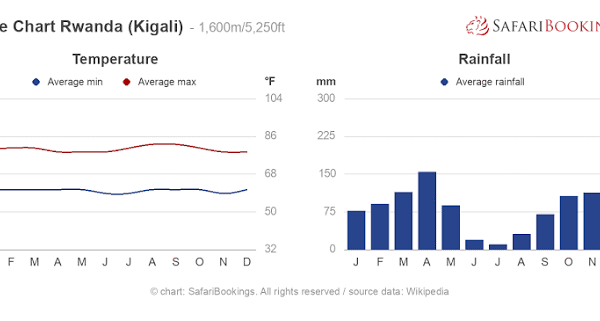
Pack for both regardless of which season you choose, because the mountain forest ecosystem that gorillas live in stays humid and unpredictable by nature.
Month by Month Climate Guide
Temperature in Rwanda depends far more on altitude than on time of year. Kigali and the eastern lowlands around Akagera National Park stay warm year round, Nyungwe Forest sits in a cooler mid altitude band, and Volcanoes National Park, the highest of the tourism areas, stays cool enough that a fleece jacket is useful even in the middle of the dry season.
| Region | Typical Daytime Temperature | Character |
| Akagera (east, lowland) | 27°C / 81°F in dry months | Warm, semi arid savannah, most comfortable June to September and December to February |
| Nyungwe Forest (southwest) | 19 to 21°C / 66 to 70°F | Cool, consistently humid rainforest climate, rain possible in any month |
| Volcanoes National Park (north) | 15 to 16°C / 59 to 61°F daytime, cooler before sunrise | The coolest and wettest of the tourism zones due to elevation above 2,400 meters |
June and July
The two driest, most dependable months of the year across the country. Trails in Volcanoes National Park are at their firmest, visibility for photography is at its best, and this is peak booking season for gorilla permits, meaning early reservation is essential.
August
Still within the dry season but rainfall begins picking up gradually while temperatures hold steady. A strong choice for travellers who want dry season conditions with slightly lower demand than June and July.
September
The transition month. Mornings are often still dry and clear, but afternoon showers become more frequent as the season shifts toward the short rains. Many experienced travellers consider this an underrated month, with good conditions without the peak season crowds of July.
October and November
Rain increases steadily through October and peaks in November, which typically records the heaviest rainfall of this period. Trails become muddier and afternoon downpours are common, though mornings frequently stay clear enough for trekking to proceed comfortably.
This period rewards flexibility and appeals strongly to birders, since migratory species begin arriving from Europe and Asia.
December to February
A shorter, drier interlude between the two wet seasons and one of the best-kept secrets on the Rwanda calendar. Conditions are close to the June through September dry season in reliability, crowds are generally lighter than the northern hemisphere summer months, and December in particular sees a rise in demand around the holiday period, so booking ahead still matters.
March, April, and May
The wettest stretch of the year, with April typically the rainiest single month. Hiking trails in Volcanoes National Park become genuinely slippery, and treks that would normally take two hours can stretch longer in heavy mud.
This is also, somewhat counterintuitively, a favoured period for serious birders and for travellers who prioritise value, since some lodges offer their lowest rates of the year and trekking groups are noticeably smaller.
How Weather Affects Gorilla Trekking Specifically
Rain changes three practical elements of a gorilla trek: trail conditions, how far you may need to walk, and what to wear. It does not change whether trekking happens at all, since treks proceed in light to moderate rain and are cancelled only in genuinely dangerous conditions, which is rare.
- Trail conditions: volcanic soil on the slopes of the Virunga mountains becomes slick and heavy during the wet season, which slows pace and increases the physical demand of a trek regardless of how far the gorilla family has moved that day
- Distance and duration: gorilla families move opportunistically in search of food and are not affected by weather in a way that changes where they are, so trek length is really a function of the family’s location that morning rather than the season, though muddy terrain makes any given distance take longer
- What to wear: waterproof, broken in boots and a proper rain layer matter in every season, but become nonnegotiable from October through May
- Visibility and photography: dry season mornings offer clearer light through the forest canopy, which matters if photography is a priority, while wet season overcast light is softer and can be flattering for close portrait-style shots of the gorillas themselves
Our practical view, after sending travellers through this trek across every month of the year, is that weather affects comfort and effort more than it affects the quality of the actual encounter. An hour with a wild gorilla family is remarkable in June and remarkable in April. The difference is really about how you spend the hours around it and what your tolerance is for mud.
Best Months by Priority
Different travelers should weigh the calendar differently depending on what matters most to their trip. Use this table to shortcut the decision.
| Priority | Best Months | Why |
| Easiest trekking conditions | June to September | Driest trails, most predictable weather, best visibility |
| Lower prices and fewer trekkers | March, April, November | Off peak demand often brings promotional lodge rates and smaller trekking groups |
| Best birding | March to May and October to November | Breeding activity and peak migratory arrivals from Europe and Asia |
| Savannah wildlife in Akagera | June to September, December to February | Dry conditions concentrate animals around remaining water sources, improving sightings |
| Avoiding peak season crowds | September, December to February | Strong conditions without the July and August rush |
| Photography with dramatic light | June to August | Clearer skies and stronger directional light through the forest canopy |
Planning Advice for Choosing Your Dates
- Book permits three to six months ahead for June, July, August, and December: These are Rwanda’s highest demand months and permits for popular dates sell out well in advance
- Consider September or the December to February window for a balance of good conditions and better availability: both offer dry season quality trekking without the peak season competition for permits
- Do not rule out March to May purely on rainfall figures: travellers focused on value, birding, or simply avoiding crowds are often genuinely happy with this period, provided expectations about mud and trail difficulty are set correctly beforehand
- Pack for rain regardless of season: a waterproof layer, broken in boots, and a rain cover for your daypack belong in every gorilla trekking bag, twelve months a year
Frequently Asked Questions
Is there a month when gorilla trekking is cancelled due to weather?
No. Treks proceed in light and moderate rain throughout the year, and cancellations for weather are rare, generally limited to genuinely hazardous conditions such as severe storms. Rain is simply part of the experience of trekking through a montane rainforest, and guides and rangers are well practised at managing routes safely in wet conditions.
What is the actual driest month in Rwanda?
July is typically the driest single month across most of the country, closely followed by June and August. These three months form the core of the long dry season and are the most reliable stretch for firm trails and clear skies.
Is the rainy season a bad time to visit Rwanda?
Not necessarily. The wet season brings lush, dramatically green landscapes, stronger birdlife activity, and in many cases lower lodge rates and smaller trekking groups.
The trade off is muddier trails and a higher chance of rain interrupting outdoor plans, which suits some travellers far better than others depending on their priorities and physical comfort with mud and moisture.
How does altitude affect what I should pack, regardless of season?
Volcanoes National Park sits high enough that temperatures before sunrise regularly drop to around 7 to 10 degrees Celsius, cool enough to need a proper warm layer even during the driest months of the year. Layering, rather than choosing clothing based purely on season, is the more reliable packing strategy across Rwanda’s varied altitude zones.
Does the weather differ much between Volcanoes National Park, Nyungwe, and Akagera at the same time of year?
Yes, meaningfully. On the same date, Akagera in the east can be warm and dry while Volcanoes National Park in the north remains cool and damp, because elevation, not calendar date, is the dominant factor shaping local climate in Rwanda. This is worth keeping in mind when packing for a multi park itinerary, since you may need both warm layers and lightweight clothing on the same trip.