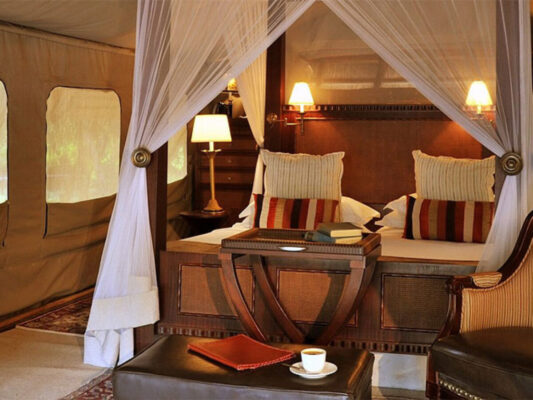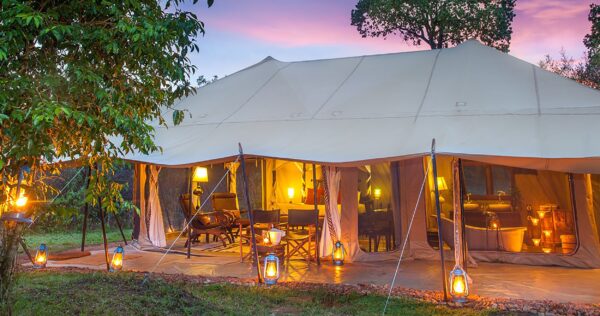
Where to Stay in the Maasai Mara
October 21, 2026
Where to Stay in Nyerere National Park
October 21, 2026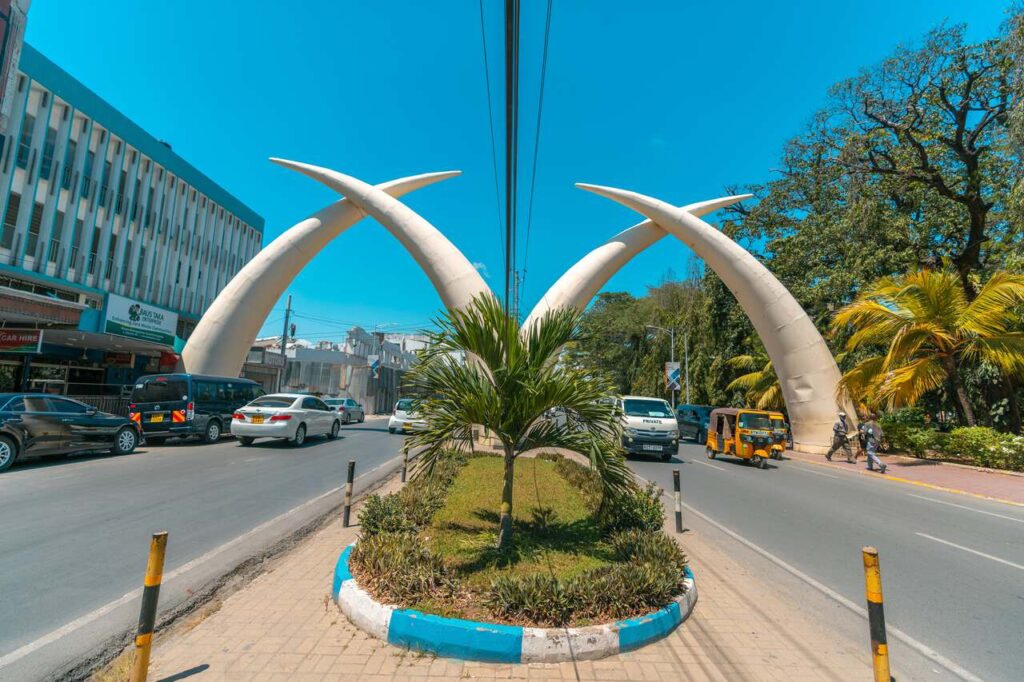
Top Things to Do in Mombasa
Mombasa is Kenya’s second city and its oldest port, and it rewards people who do more than lie on the beach. The city sits on an island joined to the mainland by bridges and a ferry, with a Portuguese fort in the harbor, a maze of Swahili streets behind it and a string of reef-protected beaches to the north.
Most visitors fly in or take the train from Nairobi, spend a few days here before or after a safari, and leave with a different picture of Kenya from the one the parks give them.
This guide covers the best things to do in Mombasa, what they cost, how to combine them into a day or a weekend, how to get around, where to stay and when to go. It is written for travelers who want a mix of history, nature and beach time rather than a single attraction.
Is Mombasa Worth Adding to a Kenya Trip?
Yes, if you want to see the coast as more than a beach. The city has some of Kenya’s most important heritage sites, a Swahili culture that shapes the food and architecture, a nature park that works well for families and a marine park for snorkeling.
It also makes a natural end to a safari: you can leave the dust of the parks and spend three or four days on the warm Indian Ocean.
It is less suited to travelers who want a quiet, resort-only break. Mombasa is busy, hot and humid, and traffic on the island can be slow. If you want peace, base yourself on the north or south coast and visit the city on a day trip.
1. Fort Jesus and the Old Town
Fort Jesus is the city’s best-known landmark. The Portuguese built it between 1593 and 1596 to guard the harbor and control the Indian Ocean trade, and it changed hands between Portuguese, Omani Arab and British forces many times over the following centuries.
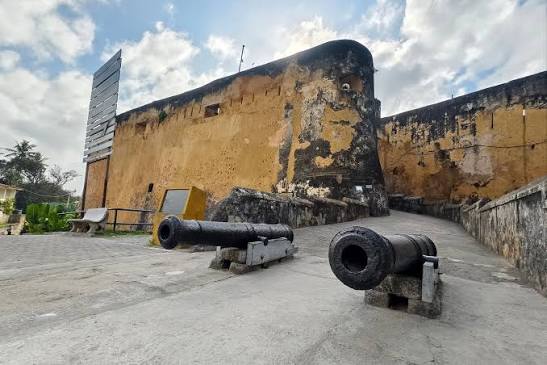
Fort Jesus
It is now a UNESCO World Heritage Site and a museum managed by the National Museums of Kenya, with thick coral-stone walls, ramparts, a courtyard and exhibits on the coast’s history.
Allow about two hours. Go early, between opening and 10am, to avoid the heat and tour groups, and take a guide if you want the stories behind the walls. Fort Jesus opens from about 8am to 6pm, and children usually pay roughly half the adult rate.
Outside the fort, Old Town begins almost immediately: narrow lanes, carved wooden doors, balconies, small mosques, spice and craft stalls and old shopfronts. Wandering the Old Town is free, and a guided walking tour of two to three hours helps you understand the layers of Swahili, Arab, Portuguese and British influence.
2. Haller Park
Haller Park, in Bamburi on the Mombasa to Malindi road, is a nature park built on the site of a former limestone quarry. A Swiss naturalist, Dr René Haller, turned the barren pits into a green landscape, and the park is now a model of habitat restoration.
You can see giraffes, hippos, tortoises, crocodiles, buffalo, antelope and a reptile park, and a giraffe viewing platform lets you feed them from close range.
It is one of the easiest and most family-friendly places to visit. Paths are shaded and mostly flat; the pace is slow and 1.5 to 2 hours is enough to see the main sections. Go in the morning or late afternoon, bring small cash and a mobile money option, and combine it with an afternoon at nearby Bamburi Beach, which is a short taxi ride away.
3. Mamba Village Centre
Mamba Village, in Nyali, is a crocodile farm and reptile center where you can see crocodiles of all sizes, learn about their life cycle and, in some sessions, watch a feeding. It is open daily from about 9am to 6pm. Older sources list the entry at about KES 500 for adults and KES 250 for children but confirm the current rate.
It is a popular family stop, and some visitors combine it with a meal at the on-site restaurant or a visit to the nearby Nyali area. It works best as a half-day activity alongside the beach or a trip to Haller Park.
4. Nyali, Bamburi and the North Coast Beaches
The north coast beaches are the closest to the city, reached by bridge without a ferry crossing. Nyali, Bamburi and Shanzu have white sand, reef-protected lagoons and a lively beach scene, and public beaches are free to enter.
Nyali is the more upmarket area, with restaurants, shopping centers, and a cinema, while Bamburi has a wider range of hotels and a busier atmosphere.
Swimming is best at high tide, when the lagoon is full, and low tide exposes the reef and rock pools. Take care with sun and local vendors, and agree prices in advance for anything you buy or any activity you try. If you want quiet, choose a hotel with its own beachfront.
5. Mombasa Marine National Park and Reserve
The Mombasa Marine National Park and Reserve is a protected stretch of reef and lagoon along the north coast, and snorkeling or a glass-bottom boat trip is one of the best ways to see it. Licensed operators run trips from Nyali and other beaches, taking you out to the reef to see coral, tropical fish and, with luck, turtles. Marine park fees apply on top of the boat price, so check what is included.
Choose a trip with a licensed boat, safety equipment and a guide who respects the reef. Do not touch or stand on coral, avoid sunscreens that harm marine life where possible and book early in the day for calmer water and better visibility.
6. The Mombasa Tusks and the Old Port
The Mombasa Tusks, known locally as Pembe za Ndovu, are a pair of giant crossed aluminum tusks over Moi Avenue, built in 1952 to mark the visit of Princess Elizabeth. They are a short stop for a photograph and a useful landmark if you are exploring the central streets.
The Old Port, below Fort Jesus, is where traditional dhows still dock, and a cultural experience here can include a walk around the harbor, a talk about the trade and a taste of local food. Prices for guided experiences vary, with one 2026 source quoting about US$25 to US$35 for a port cultural experience and about US$15 to US$20 for an Old Town walking tour.
7. Swahili Food, Markets and Cooking Classes
Mombasa’s food is a reason to come. Swahili cuisine mixes coconut, spices, rice, seafood and cassava, and dishes such as pilau, biryani, mishkaki skewers, samaki wa kupaka (fish in coconut sauce) and viazi karai are widely available. Street food in Old Town and the markets near Tudor Creek gives you the freshest catches and a sense of the city’s daily life.
A Swahili cooking class, usually three to four hours and quoted at roughly US$30 to US$40, is a good way to learn how spices and coconut are used. Book through a reputable host, and ask about dietary needs and group sizes.
8. Day Trips: Diani, Mtwapa and Beyond
Diani Beach, about an hour south of Mombasa via the Likoni ferry, is a 17-kilometer stretch of white sand often named among Africa’s best beaches. The ferry is a short crossing and, according to one source, free for pedestrians, though vehicle fees may apply, so check the current rules. Diani suits a full day or a longer stay, with water sports, camel rides and beachfront restaurants.
To the north, Mtwapa Creek is known for dhow dinners and nightlife. Mombasa also makes a base for day trips to Tsavo East and Tsavo West, the Shimba Hills and other coastal sites, though these take most of a day each, and a coast and safari combination works best with a clear plan.
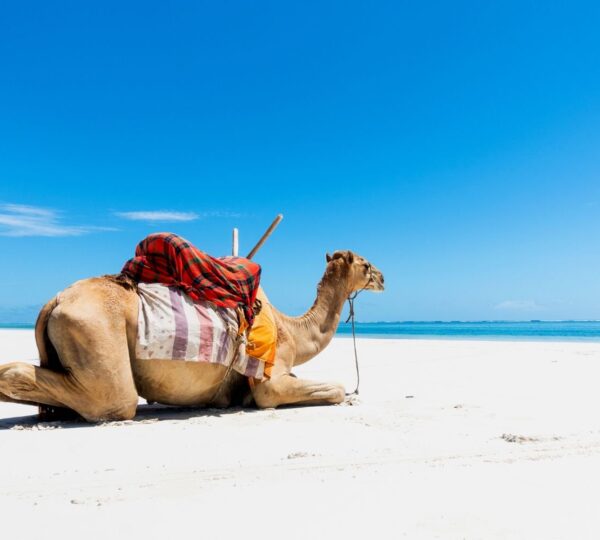
Camel Ride at Diani Beach
Getting There and Around
Moi International Airport serves Mombasa, with flights from Nairobi and international connections, and the Standard Gauge Railway links the city to Nairobi in about five to six hours. Within the city, tuk-tuks, taxis, ride-hailing apps and boda bodas are the main options, and the island’s traffic can be heavy, so allow extra time. The Likoni ferry links the island to the south coast.
Where to Stay
Choose by what you want. The north coast, Nyali, Bamburi and Shanzu, has beach resorts and apartments and is close to Haller Park and Mamba Village. Old Town has small guesthouses and boutique stays for people who want to be near the fort. South of the ferry, Diani has a wide range of resorts and quieter stays. Book ahead in the December and July-August peaks.
Best Time to Go
The coast is warm year-round. The driest and most comfortable periods are roughly January to March and June to October, with cooler, breezier weather in July and August. The long rains in April and May and shorter rains in November bring humidity, showers and lower prices. Sea conditions and visibility are best in the dry months.
Frequently Asked Questions
What are the top things to do in Mombasa?
Fort Jesus and Old Town, Haller Park, Mamba Village, the north coast beaches, the Mombasa Marine Park, Swahili food and day trips to Diani.
How much is the Fort Jesus entry?
Sources vary from about KES 400 to roughly KES 1,200 for non-resident adults, and about US$10 in another. Confirm the current price.
Is Haller Park good for children?
Yes. It has giraffes, tortoises, hippos and shaded flat paths, and 1.5 to 2 hours is enough.
How far is Diani from Mombasa?
About an hour south via the Likoni ferry.
How do I get from Nairobi to Mombasa?
By flight or by the Standard Gauge Railway, which takes about five to six hours.