
Where to Go for Road Trips in Kenya?
September 19, 2026
Great Migration Myths
September 19, 2026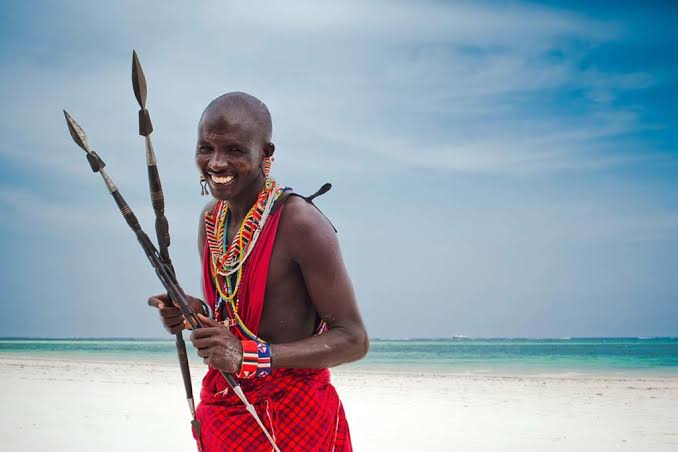
Why Visit Kenya?
Why Visit Kenya? Kenya consistently ranks among Africa’s top destinations, and for good reason: it’s widely regarded as the birthplace of the modern safari. A trip here delivers everything from world-class wildlife and dramatic landscapes to genuine cultural encounters and a coastline that rewards a few extra days.
Below, we’ve gathered the main reasons travelers keep choosing Kenya, whether this is a first safari or a return visit aimed at something new.
1. The Great Migration—Nature’s Most Enthralling Show
A Kenya safari rarely feels complete without a trip to the Masai Mara, home to one of the natural world’s most epic wildlife journeys: the annual Great Wildebeest Migration. Securing a front-row seat to this thundering procession across the savannah is, for many visitors, the single biggest reason to visit the reserve.
The best time to see the Great Wildebeest Migration in Kenya is typically July through September or October. Depending on where the herds are on any given day, you might witness the drama of a Mara River crossing or simply watch these animals graze the plains, taking advantage of abundant food and water. Either way, it tends to leave a lasting impression.
- Catch the most dramatic moments of the migration at a Mara River crossing
- The mega-herds draw big cats—lions, leopards, and cheetahs—for genuinely thrilling predator action
- Private Masai Mara conservancies offer uninterrupted, less-crowded views of the migration
- Watch endless columns of wildebeest, zebra, and gazelle move across the plains
- The landscapes and raw wildlife moments make for excellent photography
2. A Year-Round Safari Destination
Every month has something to offer in Kenya, thanks to its resident wildlife and mild, varied climate. Several distinct regions each feel purpose-built for a different kind of safari, and visitors can expect strong sightings of the Big Five — lion, leopard, buffalo, elephant, and rhino — alongside giraffes, cheetahs, and much more.
- Masai Mara National Reserve—known for its big cat population and wildebeest mega-herds
- Nairobi City and Nairobi National Park—the only national park in the world located in a capital, and a strong spot for Rothschild’s giraffe and elephant sightings
- Samburu National Reserve—semi-arid plains home to the “Samburu Special Five”: Beisa oryx, reticulated giraffe, Somali ostrich, Grevy’s zebra, and gerenuk
- Amboseli National Park—a haven for large-tusked elephants set against Mount Kilimanjaro
- Laikipia—strong sightings of endangered black and white rhino
- Lake Nakuru National Park—best known for its flamingo population, along with giraffe, zebra, rhino, and buffalo
3. Accommodation Options for Every Traveler
Kenya’s accommodation spans budget, midrange, and luxury, making it a genuine fit for nearly any traveler. From family-friendly properties with dedicated children’s activities to private hideaways for couples, exclusive-use camps for groups of friends, and everything in between, there’s very little this destination can’t accommodate.
Whether you’re after a rustic, authentic experience without giving up modern comforts or an opulent stay in an elegant, colonial-style lodge, Kenya has it—and most tiers in between.
- Immersive wilderness experiences—wake to the sounds of nature and uninterrupted bushveld views
- Rustic charm meets modern comfort, with under-canvas tents and crackling campfires alongside genuine five-star amenities
- Attentive, world-class service and warm hospitality from local staff
- Small-scale, exclusive, private-feeling stays
- Easy proximity to wildlife-rich areas
- Gourmet bush dining built around locally sourced ingredients
4. Easy to Combine With Other East African Destinations
Planning an East Africa safari doesn’t mean choosing between Kenya, Tanzania, Rwanda, or Uganda—many travelers enjoy several in one trip. Kenya’s transport network connects smoothly with the rest of the region, and regular flights make adding on a nearby destination straightforward.
Kenya is frequently combined with the Serengeti, gorilla trekking in Rwanda, or a stretch of pristine coastline—the options for rounding off an East Africa itinerary are practically endless.
5. Unforgettable, Wide-Ranging Experiences
The Great Wildebeest Migration draws many travelers to Kenya, but it’s far from the only reason to visit. There’s something here for nearly every interest, well beyond the well-known highlights of the Masai Mara.
Kenya’s range extends from climbing Mount Kenya, Africa’s second-tallest peak, to a sunset dhow cruise off Lamu Island, a UNESCO World Heritage Site. You can add guided horse or camelback safaris or track wildlife on foot with a walking safari.
Wildlife enthusiasts can pair the migration’s mega-herds with classic Big Five safaris in the Masai Mara, Amboseli, and Tsavo. Even Nairobi, Kenya’s capital, holds a few standout experiences: a game drive in Nairobi National Park, framed by skyscrapers and city blocks; feeding Rothschild’s giraffe at the Giraffe Centre; and spending time with orphaned elephants at the Sheldrick Wildlife Trust. Ol Pejeta Conservancy in Laikipia, known for its conservation of endangered black and white rhinos, offers visitors the chance to get remarkably close to these animals.
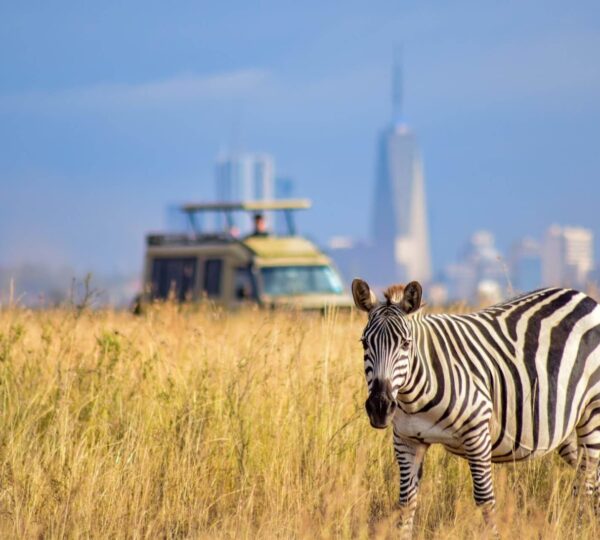
Nairobi National Park
Kenya’s appeal goes beyond wildlife, too—its people bring genuine warmth and perspective. A visit to traditional Samburu and Maasai communities offers real insight into a different way of life and often a shift in outlook of its own.
6. A Coastline That Rewards Extra Days
Few safari countries let you finish a trip on a genuinely excellent beach without a long connecting flight. Kenya’s Indian Ocean coast—Diani, Watamu, Malindi, and the historic island of Lamu—sits within easy domestic-flight range of Nairobi, making a coastal add-on straightforward to build into almost any itinerary.
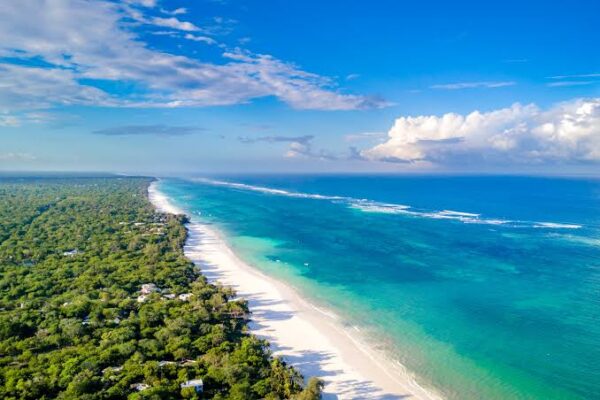
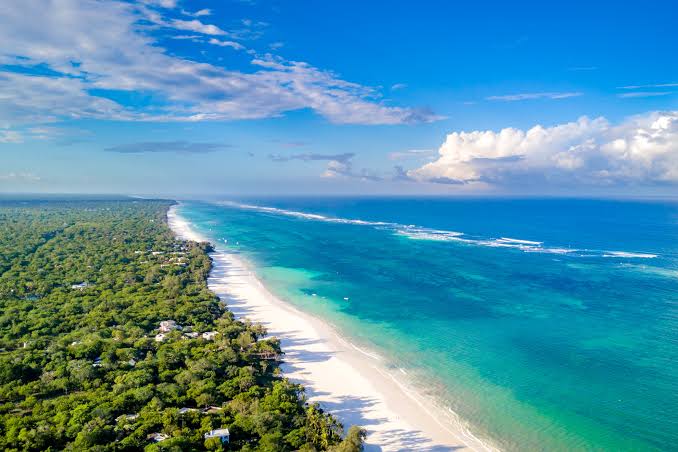
Diani Beach is the most developed of the group, with a long stretch of white sand, a lively selection of resorts, and easy access to activities like snorkeling, kite surfing, and dhow cruises. Watamu and Malindi offer a quieter, marine-park-adjacent alternative, with strong snorkeling and diving around coral reefs protected within Watamu Marine National Park. Lamu, reachable by small plane, trades resort infrastructure for something rarer: a UNESCO-listed old town with no cars, donkey-cart transport, and centuries of Swahili architectural history still very much in daily use.
For travelers weighing whether to add the coast, the logistics make it an easy yes—most safari circuits end in Nairobi, and a coastal flight from there runs under two hours.
How Much Time Should You Budget for Kenya?
Kenya rewards both short and long stays, which is part of why it works for so many different kinds of trips. A tightly packed one-week itinerary can comfortably cover the Masai Mara plus one other park, such as Amboseli or Lake Nakuru, with time built in for travel between them. Ten to fourteen days allows a more relaxed pace across two or three parks, plus a few days on the coast to close out the trip.
If your schedule is genuinely tight, don’t rule Kenya out — even a long layover in Nairobi can accommodate a half-day safari in Nairobi National Park, and a three-day, fly-in Masai Mara trip is enough to get a genuine taste of the country’s wildlife without committing a full week.
What Makes Kenya Different From Other Safari Countries
Travelers weighing Kenya against Tanzania, Botswana, or South Africa often ask what genuinely sets it apart, beyond the migration itself. A few things stand out consistently.
First is variety within a short distance: nowhere else lets you combine flamingo-lined lakes, semi-arid Samburu landscapes, snow-capped Mount Kenya, and Indian Ocean beaches within a single, manageable road or flight network.
Second is the strength of Kenya’s private conservancy model—land leased directly from Maasai and other local communities, run jointly for conservation and tourism, which has become a genuine template studied by other countries.
Third is accessibility: Nairobi’s position as a major regional aviation hub means Kenya is often the easiest East African country to reach directly from Europe or North America, without a connecting flight through a second country.
None of this makes Kenya inherently “better” than its neighbors—Tanzania’s Serengeti is larger and wilder, and Rwanda has gorillas, but Kenya doesn’t. But for travelers who want a single country that covers an unusually wide range of experiences without excessive internal travel, Kenya’s combination is hard to match.