Best Family Friendly Safaris in Uganda
July 21, 2026
Guide to Visiting Rwanda
July 21, 2026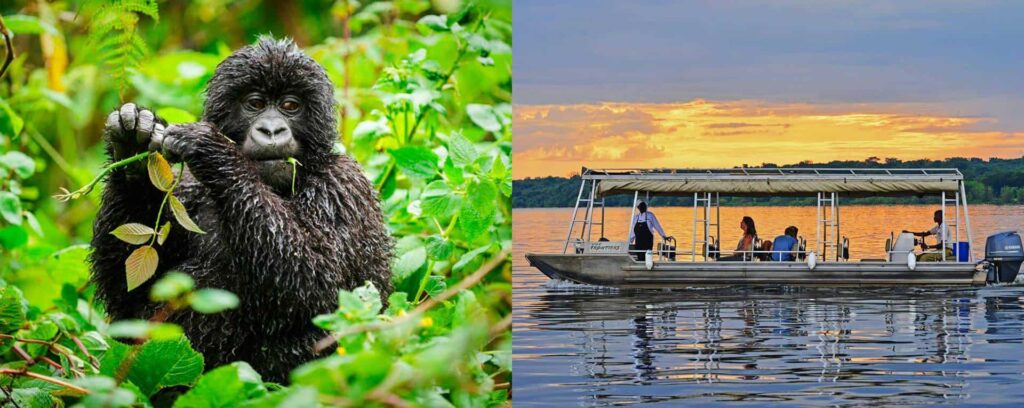
How to Plan a Uganda Safari?
Here is how to plan a Uganda safari effectively without compromise. Uganda is called the Pearl of Africa since Winston Churchill named it that in 1907. The description has lasted because it is accurate. The country is small enough to cover in two weeks and varied enough to fill a month. The wildlife encounters are close, the parks are uncrowded, and the system that protects the wildlife has been working well enough that the gorillas are more numerous now than they were twenty years ago. It is a place worth going to, worth planning carefully, and worth going back to.
Uganda’s national parks are managed by the Uganda Wildlife Authority, a statutory body established in 1996 that manages ten national parks, twelve wildlife reserves, five community wildlife management areas, and thirteen wildlife sanctuaries.
Thirty percent of all park entry fees collected at Uganda’s national parks are distributed to the communities surrounding each park through the UWA revenue-sharing programme.
Booking Permits
Gorilla trekking permits must be booked before any other element of a Uganda safari. The permit date is fixed and non-refundable, and everything else, the lodges, the game drives, the driving distances, the number of days in each park, is built around the permit. For peak season travel in June through September and December through January, book gorilla permits six to twelve months in advance. For other months, three to six months is usually sufficient but earlier is always safer.
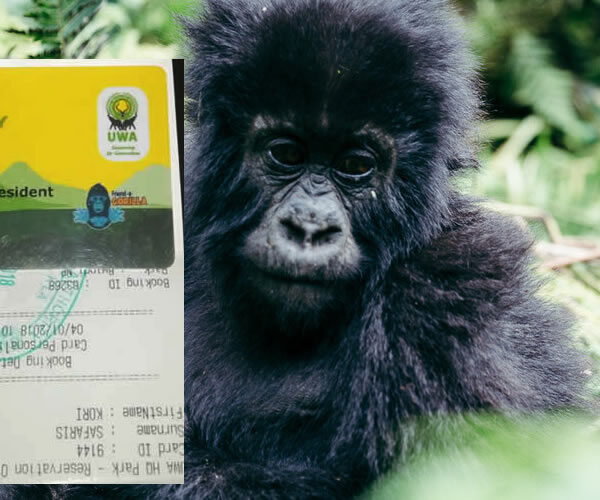
Gorilla Permit
Permits are booked through the Uganda Wildlife Authority or a licensed Ugandan tour operator. Chimpanzee permits at Kibale should be booked two to four months ahead for peak season, earlier is better.
Getting There
Entebbe International Airport is Uganda’s main international gateway, 40 kilometres south of Kampala on the shores of Lake Victoria. Direct flights operate from several European cities including London, Brussels, and Amsterdam, and from major African hubs including Nairobi, Addis Ababa, Johannesburg, and Dubai. Most safari itineraries begin with a night at or near Entebbe before the first long drive begins the following morning.
Arriving on the same day as a long drive to Murchison Falls or a drive to Bwindi through the Kigezi Highlands is not recommended; jet lag and a six-hour road combined produce an exhausted visitor who misses the landscapes.
Visa and Entry Requirements
Most nationalities require a visa to enter Uganda. The East African Tourist Visa, available online, covers entry to Uganda, Rwanda, and Kenya on a single visa and is significantly more convenient for visitors combining these three countries in a single trip. Apply online at the Uganda e-Visa portal before departure. Yellow fever vaccination is mandatory for entry to Uganda and proof of vaccination is checked at the airport. Additional recommended vaccinations include typhoid, hepatitis A and B, and routine immunisations. Malaria prophylaxis is recommended for all Uganda destinations. Carry mosquito repellent and sleep in accommodation with screens or nets.
Getting Around
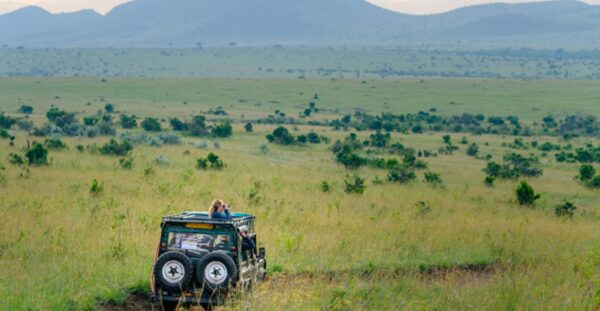
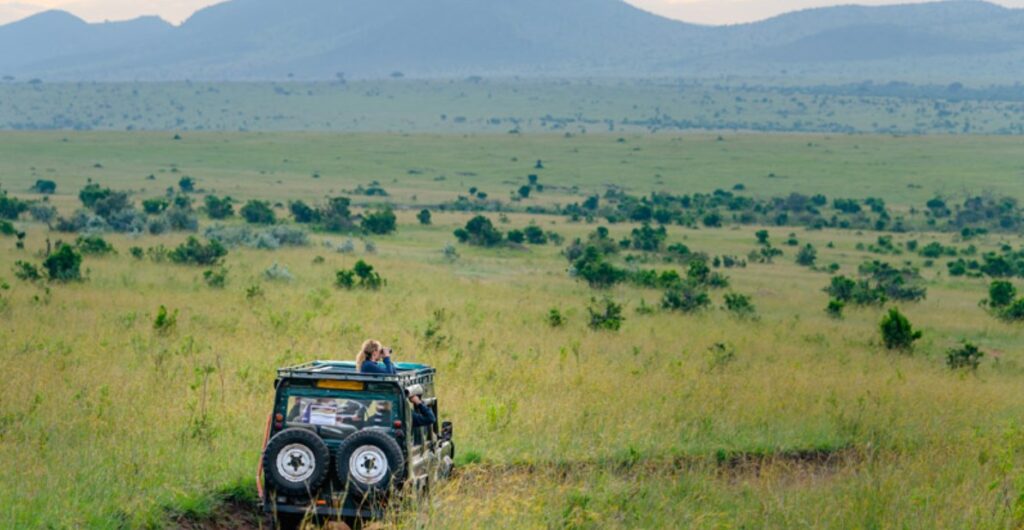
Most visitors between parks travel by road in a 4WD safari vehicle. The main highways connecting Kampala to Mbarara, Masindi, and Fort Portal are sealed tarmac and in reasonable condition. Park interior roads are murram tracks that require good ground clearance. Road speeds in Uganda are lower than most visitors plan for: the combination of speed bumps on town approaches, police checkpoints, and the general pace of traffic means that Google Maps driving time estimates need to be increased by one third. Never drive after dark in Uganda. Domestic flights from Entebbe serve Pakuba at Murchison Falls, Kasese near Queen Elizabeth, and Kidepo in the northeast.
Health and Safety
Uganda is a generally safe destination for tourists and the national parks are well-managed and secure. Standard travel health precautions apply: malaria prevention is important in all lowland areas, though the altitude of Bwindi and Kigali reduces the risk there.
The most common health issue for Uganda safari visitors is stomach illness from food or water: drink bottled or purified water throughout the trip. Hospital facilities in Kampala are acceptable for standard treatment but serious medical emergencies may require evacuation. Medical evacuation insurance is strongly recommended for all Uganda visitors.
Bespoke Uganda Safari Itineraries
7-Day Essentials — Gorillas, Chimps and Queen Elizabeth
- Day 1: Arrive Entebbe, transfer to Fort Portal
- Day 2: Chimpanzee trekking in Kibale Forest
- Day 3: Transfer to Queen Elizabeth via Bigodi Wetland Sanctuary walk
- Day 4: Morning game drive Kasenyi Plains, afternoon Kazinga Channel boat cruise
- Day 5: Transfer to Bwindi Impenetrable Forest
- Day 6: Gorilla trekking in Bwindi
- Day 7: Transfer to Entebbe, depart
10-Day Classic Uganda Safari
- Day 1: Arrive Entebbe, overnight near airport
- Day 2: Drive north, stop Ziwa Rhino Sanctuary, continue Murchison Falls
- Day 3: Buligi game drives on north bank, afternoon Nile boat cruise
- Day 4: Morning game drive, optional Budongo chimp trek, drive to Fort Portal
- Day 5: Chimpanzee trekking in Kibale Forest, Bigodi Wetland walk
- Day 6: Transfer to Queen Elizabeth National Park
- Day 7: Morning Kasenyi Plains game drive, afternoon Kazinga Channel boat cruise
- Day 8: Transfer to Bwindi Impenetrable Forest via Ishasha sector
- Day 9: Gorilla trekking in Bwindi
- Day 10: Transfer to Entebbe, depart
14-Day Ultimate Uganda Circuit
- Day 1: Arrive Entebbe, Lake Victoria shoreline
- Day 2: Mabamba Swamp Shoebill boat trip, drive north
- Day 3: Ziwa Rhino tracking, drive to Murchison Falls
- Day 4: Nile boat cruise, Buligi game drives
- Day 5: Budongo Forest chimpanzee trekking, drive to Fort Portal
- Day 6: Fort Portal crater lakes, overnight
- Day 7: Kibale Forest chimpanzee trekking
- Day 8: Transfer to Queen Elizabeth, afternoon game drive
- Day 9: Kazinga Channel boat cruise, Kyambura Gorge chimp trek
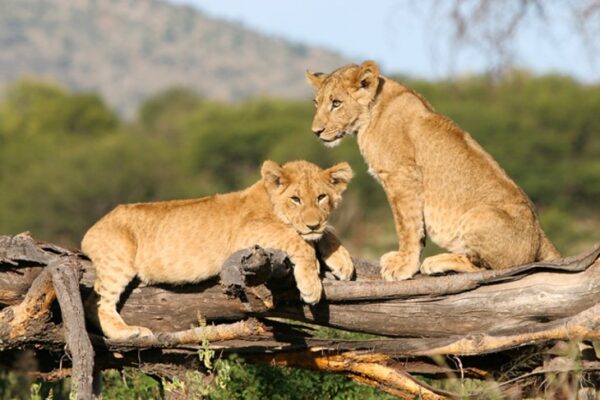
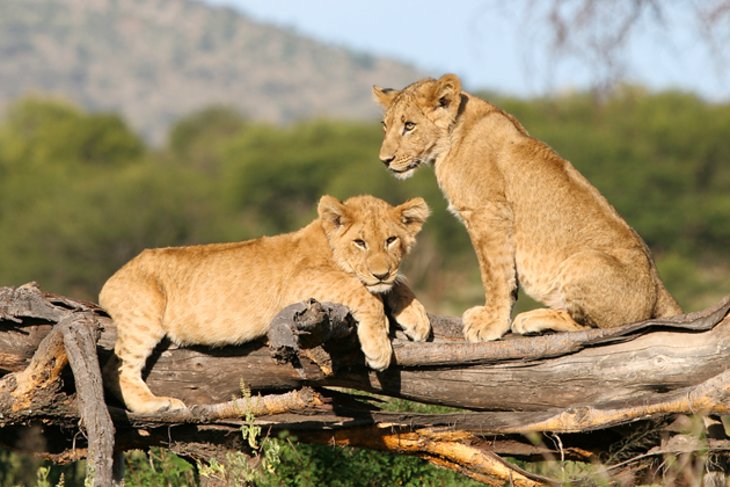
- Day 10: Drive south to Ishasha sector, tree-climbing lions
- Day 11: Transfer to Bwindi Impenetrable Forest
- Day 12: Gorilla trekking
- Day 13: Lake Bunyonyi, transfer toward Kampala
- Day 14: Lake Mburo National Park game drive, evening to Entebbe
Accommodation Facilities
Uganda’s safari accommodation spans a wider range than most visitors expect, from Uganda Wildlife Authority public campsites at USD 30 to 40 per person per night inside the national parks to luxury lodges at USD 700 per person per night or above at the top properties.
The quality at the mid-range tier, from approximately USD 150 to USD 350 per person per night fully inclusive, is very good and covers the majority of the country’s well-regarded safari lodges.
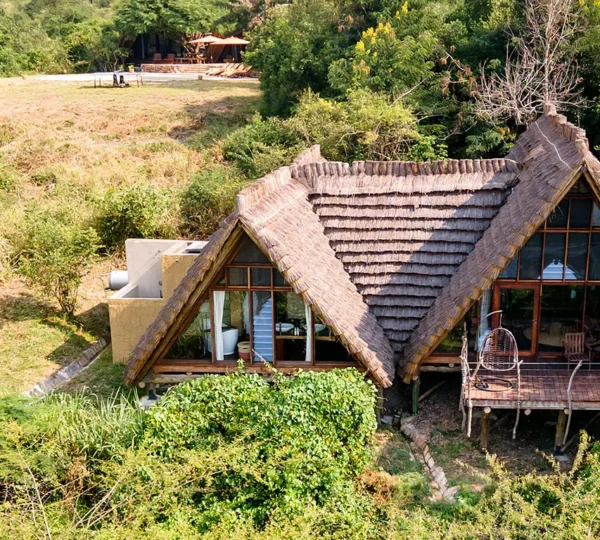
Nile Safari Lodge
Key properties by park:
In Bwindi, Sanctuary Gorilla Forest Camp in Buhoma is the only lodge inside the park boundary; Clouds Mountain Gorilla Lodge at Nkuringo is the most scenically dramatic; Haven Lodge Buhoma is the best community-run budget option.
In Murchison Falls, Nile Safari Lodge provides the best river views at luxury prices; Paraa Safari Lodge is the most established mid-range option.
In Queen Elizabeth, Mweya Safari Lodge is the best-positioned for Kazinga Channel access; Ishasha Wilderness Camp is the only property inside the Ishasha sector.
In Kibale, Primate Lodge Kibale sits inside the park five minutes from the Kanyanchu briefing point. In Kidepo, Apoka Safari Lodge is the only luxury property with full valley views. At Lake Mburo, Mihingo Lodge is the best luxury option and the only property that operates the horseback safari program.