

Best Places for Walking Safaris in Uganda
September 1, 2026
Where to Hike Mountains in East Africa
September 1, 2026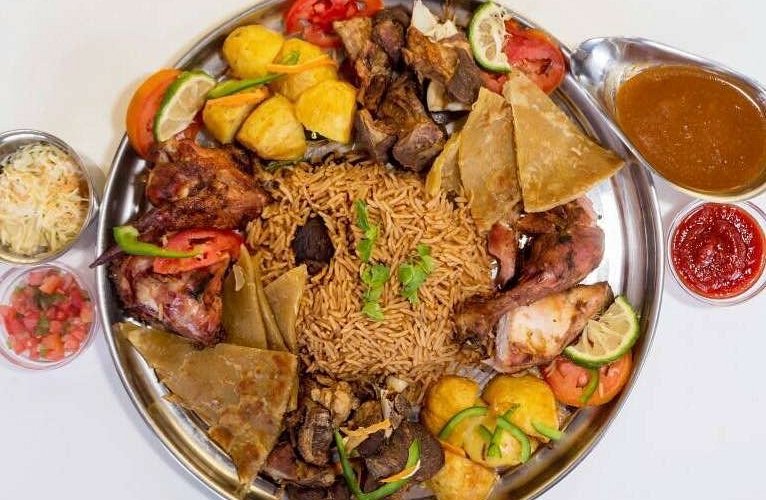
Top 5 Local Dishes to Try on a Uganda Safari; A Uganda safari rewards the palate every bit as much as it does the eye, and the country’s cuisine, mildly spiced, built around fresh, locally grown ingredients, and steeped in genuine cultural history, deserves real attention alongside the gorillas and game drives.
Most travelers build their Uganda food experience around a handful of true staples, and knowing what they are, and where to genuinely try them, adds a rewarding dimension to any trip.
As a travel consultant, I always encourage clients to step beyond their lodge’s often more internationally styled menu at least once during a trip, whether at a local restaurant in Kampala or a village visit built into the itinerary, since Ugandan food carries real cultural weight and genuinely rewards the effort of seeking it out.
- Matoke: Uganda’s Undisputed National Dish
You cannot say you’ve truly experienced Uganda without eating matoke. These highland green bananas, indigenous to the African Great Lakes region, are peeled, wrapped in banana leaves, and steamed for hours until soft, then mashed to a smooth, buttery consistency and typically served alongside a rich sauce.
Matoke is such a fundamental part of daily Ugandan life that the average Ugandan consumes an estimated 350 kilograms of it per year, nearly a kilogram a day, making it one of the most consumed staple foods anywhere in the country.
Matoke’s subtle, mild flavour pairs beautifully with richer, more intensely flavoured accompaniments, particularly groundnut sauce or a hearty beef stew, and eating it in a traditional home setting or a genuine local restaurant, rather than only at your lodge, offers the most authentic version of this deeply cultural dish.
- Luwombo: A Stew Fit for Kings
Luwombo carries genuine royal heritage, having originated in the kitchens of the Buganda Kingdom in the nineteenth century, traditionally prepared for kings and chiefs during ceremonial occasions and today remaining a treasured dish served at weddings, holidays, and whenever guests need to be genuinely honoured. The dish is made by browning meat, chicken, beef, or fish, separately, then preparing a rich sauce from groundnut paste, tomatoes, onions, and spices, combining the two, and sealing the mixture inside banana leaf parcels before steaming the whole bundle slowly over a low fire.
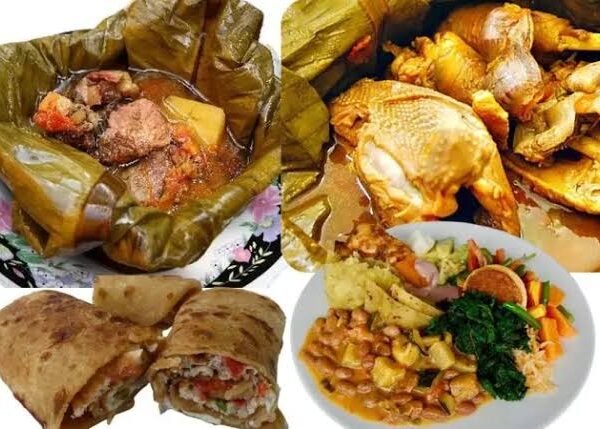
Luwombo
This preparation method genuinely matters to the final result: the banana leaves infuse the stew with a distinctive, smoky, earthy aroma unlike anything achievable through conventional cooking, and unwrapping the leaves at the table remains part of the dish’s genuine theatre and appeal. Luwombo is typically served alongside matoke, rice, or posho, and is well worth seeking out at a proper local restaurant or cultural event rather than settling for a simplified lodge version.
- Rolex: Uganda’s Beloved Street Food
Despite sharing a name with the famous watch brand, purely coincidental, Uganda’s rolex is one of the country’s most iconic and genuinely accessible street foods, believed to take its name from the phrase “rolled eggs.” It consists of a chapati, a soft flatbread, wrapped around a freshly cooked omelette, typically studded with tomato, onion, and cabbage or other vegetables, then rolled into a genuinely satisfying, portable meal.
Rolex is cheap, filling, and available essentially around the clock from street vendors across Kampala and beyond, making it a genuinely worthwhile stop for travelers wanting an authentic, low-cost taste of everyday Ugandan food culture. At roughly UGX 3,000 to 5,000 (under two US dollars), it’s also one of the most accessible ways to sample real local cuisine on any budget.
- Groundnut Sauce (Ebinyebwa)
Groundnut sauce, known locally as ebinyebwa or binyebwa, is a rich, creamy, protein-packed staple made from roasted, ground peanuts simmered with tomatoes, onions, and salt into a thick, nutty sauce. It’s genuinely versatile, pairing beautifully with matoke, rice, sweet potatoes, cassava, or fish, and remains a beloved comfort food across Ugandan households, particularly in the central and eastern regions where groundnuts are widely grown.
Vegetarian and vegan travelers will find groundnut sauce a particularly welcome staple throughout a Uganda trip, since it’s widely available, genuinely delicious, and pairs naturally with the country’s many plant-based side dishes without needing modification.
- Posho (and Kalo, Its Northern Cousin)
Posho, a dense, thick maize meal similar to the ugali found elsewhere in East Africa, is an indispensable everyday staple, filling, mild in flavour on its own, and served as the essential base for rich stews and sauces built from meat, fish, beans, or vegetables. In Uganda’s northern and western regions, kalo, a thick, dark dough made from millet and cassava flour with a slightly nutty, earthier flavour than posho, serves a similar role, traditionally presented in a communal basket and eaten alongside groundnut-based fish or beef stews.
Posho in particular makes for a genuinely practical, energy-sustaining lunch before a long afternoon game drive, and eating it traditionally, with your hands, as most locals do, adds an authentic touch worth embracing rather than avoiding.
Beyond the Top Five: Other Dishes Worth Trying
A handful of further dishes round out a genuinely complete Ugandan food experience: simsim balls, a sweet sesame seed snack popular as a treat between meals; fresh tropical fruit, abundant and genuinely excellent given Uganda’s fertile growing conditions; and chapati, the flatbread underpinning the rolex, also enjoyed on its own as a simple, satisfying side. Milky chai tea, fresh fruit juices, and locally brewed millet or banana beer round out the beverage side of a genuine Ugandan meal.
Budgeting for Food on Safari
Most safari lodges include full-board meals as part of the standard rate, meaning food costs are largely built into your overall trip budget rather than a separate daily expense. For meals taken independently, in Kampala, Entebbe, or during a cultural village stop, a simple plate at a local eatery, one starch alongside beans or meat, typically runs roughly UGX 10,000 to 20,000 (about $2.70 to $5.30), while mid-range restaurants in the bigger cities charge somewhat more, generally UGX 30,000 to 70,000 ($8 to $19) for a main course.
Vegetarian and vegan travelers are genuinely well catered for across Uganda, given how central beans, groundnut sauce, matoke, and leafy greens are to everyday local cooking, and halal food is widely available in cities with a significant Muslim population. Vegans should simply confirm no dairy, ghee, milk, or egg has been added to a specific sauce, since this is sometimes included by default in certain preparations.
Frequently Asked Questions
What is Uganda’s national dish?
Matoke, steamed and mashed green bananas typically served with a rich sauce, is widely considered Uganda’s national dish and a genuine daily staple across the country.
What is a rolex, and where can I try one?
Rolex is Uganda’s iconic street food, a chapati rolled around a fresh omelette and vegetables. It’s available from street vendors virtually everywhere, particularly in Kampala, and makes for a cheap, authentic, and genuinely delicious meal.
Is Ugandan food spicy?
Generally no. Ugandan cuisine tends to be mildly spiced, focusing more on the natural flavour of fresh, high-quality ingredients than on heat.
Can vegetarians and vegans eat well in Uganda?
Yes, genuinely well. Beans, groundnut sauce, matoke, rice, and leafy greens are widely available staples. Vegans should simply confirm no dairy or egg has been added to a specific sauce.
Will I get to try local food on a standard safari itinerary?
It depends on your lodge and itinerary, since many properties serve a more internationally styled menu by default. Asking your guide or operator to build in a local restaurant visit or cultural food experience is genuinely worth doing if authentic cuisine matters to you.