How Much Does a Kenya Wildlife Safari Cost?
September 20, 2026
Is It Safe to Travel to Kenya in 2026?
September 20, 2026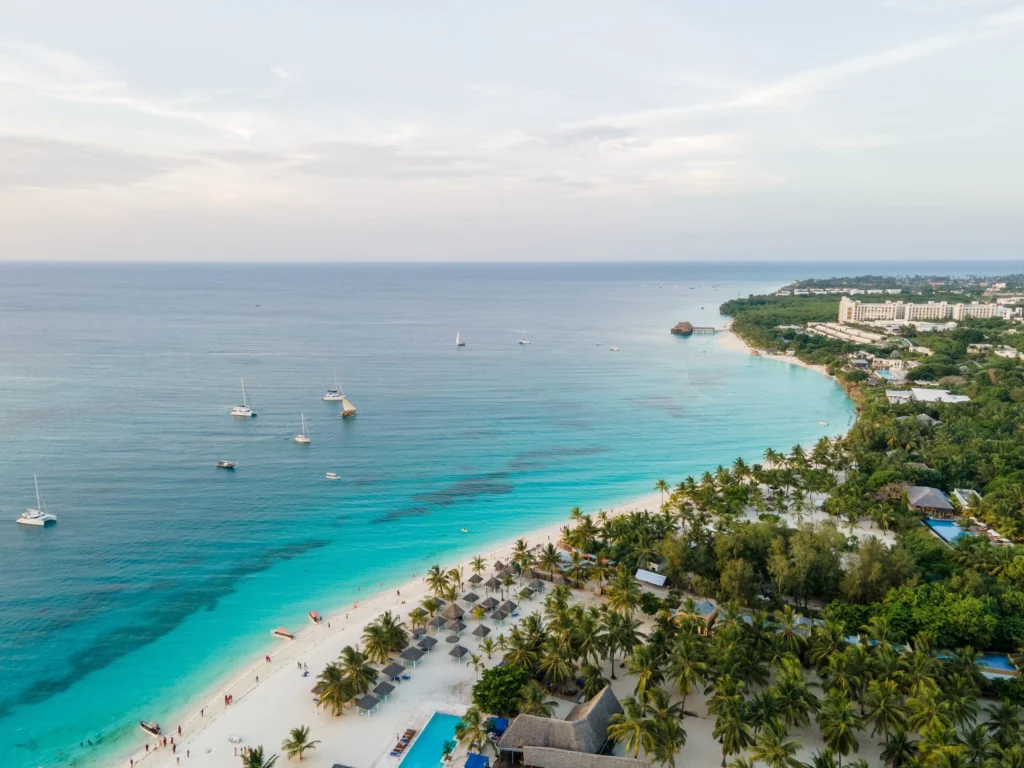
Is It Safe to Travel to Tanzania in 2026?
Is It Safe to Travel to Tanzania in 2026? Tanzania is widely considered one of the safest countries in Africa for travelers, and its tourism numbers reflect that: visitor arrivals climbed to nearly 1.5 million by 2022, a 64% increase over 2021, making it one of the continent’s most popular safari destinations.
On a Tanzania safari, you’ll spend the majority of your time inside national parks and private reserves, well removed from residential areas and cities. On the nights you do stay in more urban areas — Dar es Salaam or Arusha, for example—ordinary precautions such as using your room safe and avoiding late-night walks go a long way.
As with any unfamiliar destination, it’s worth reading up on current conditions before you travel and making sure you feel comfortable with the trip. Our travel consultants are always available for specific, up-to-date guidance.
Is Tanzania Safe for Americans and Other Nationalities?
Yes — Tanzania is safe for travelers of every nationality. The risks occasionally associated with travel to Tanzania relate to specific, strictly non-tourist areas of the country, so the areas you’ll actually visit on a safari are low-risk and well established for tourism.
On safari in Tanzania, the chance of an unsafe experience is low, particularly when booking through a reputable operator with genuine, first-hand knowledge of the country. As a first-time safari traveler, some hesitation is natural — any trip carries a degree of risk if you’re unfamiliar with the destination. Doing your own research and bringing any questions to your travel advisor is the best way to travel with confidence.
One travel tip worth noting: misinformation about destination safety spreads easily online and can create unwarranted concern. Thousands of travelers visit Tanzania’s wildlife areas every year without incident — booking with a consultant who has genuine on-the-ground experience is the best way to separate fact from noise.
What Are the Real Risks of Traveling to Tanzania?
Crime
As anywhere in the world, petty crime exists in Tanzania. In crowded areas, especially larger cities, opportunists may target visible valuables. Avoid flashing expensive belongings in public and use your room safe. When walking around cities, avoid doing so after dark — this applies only to towns and cities, not to time spent on safari, where guests are treated with genuine care and respect.
Border Areas
Contrary to some assumptions, Tanzania isn’t overrun by security concerns. The only meaningful risk of terrorist activity is confined to the far south of the country, near the Mozambican border — an area entirely removed from Tanzania’s tourist destinations, making it a very low-risk consideration for safari travelers.
Public Transport
It’s best to avoid public transportation in Tanzania’s cities, as it isn’t the safest or most convenient way to get around. In the national parks and reserves, you won’t need public transport at all — game vehicles and pre-arranged transfers handle all your movement while on safari.
Wildlife
Tanzania’s wildlife poses no meaningful risk when you follow local wildlife laws and the guidance of rangers and guides. Always follow the advice and rules set by national parks, private reserves, and your professional guide — they’re experts whose job is to keep you safe.
Natural Disasters
Tanzania doesn’t experience frequent natural disasters. The main concern is flooding, which can affect safari logistics during the heaviest rains. Fortunately, the rainy season falls at roughly the same time each year, and your consultant can advise on the best months to avoid it.
Food and Water
Top safari lodges and camps in Tanzania serve consistently high-quality food, from local dishes to Western meals with an African twist. In cities such as Arusha and Dar es Salaam, use your own judgment on the cleanliness of street food vendors and restaurants — if a place doesn’t feel right, trust that instinct.
Tap water isn’t recommended for drinking in Tanzania. Bottled water is readily available and provided at every lodge and camp.
Is Tanzania Safe for Female Tourists?
Yes, Tanzania is generally safe for female travelers on safari, whether traveling solo or with an all-female group. Within a national park or private reserve, women can expect to be treated with genuine respect by all staff they encounter throughout the trip.
How Safe Is Zanzibar in 2026?
Zanzibar is very safe for travelers from around the world, offering some of Tanzania’s best beaches, quality accommodation, a vibrant historic center, and a relaxed, temperate climate.
Zanzibar is also popular among solo female travelers and groups of women. It’s generally safe for female tourists, though the usual travel precautions apply, as they would anywhere.
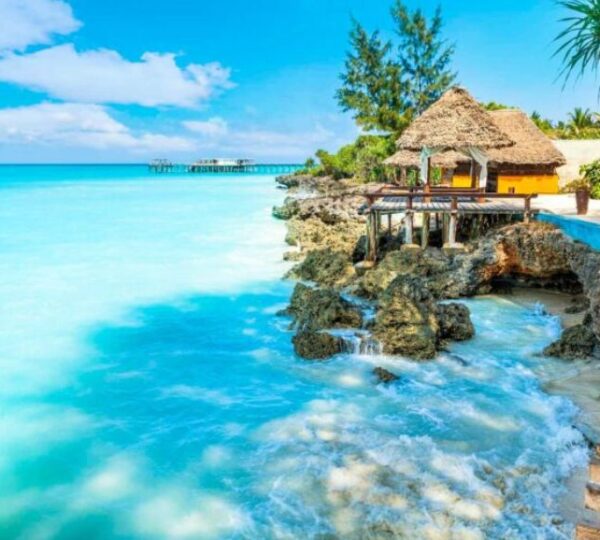
Zanzibar safaris
Is Dar es Salaam Safe for Tourists?
Dar es Salaam is mostly safe for tourists. Some Tanzania safaris begin here, and the city has long served as the gateway to the country’s southern safari circuit. As Tanzania’s largest city and financial hub, you’re unlikely to have a negative experience, though — as in any major city — some opportunists will take advantage of an unguarded chance to steal.
Is Arusha Safe for Tourists?
Arusha, Tanzania’s tourism hub and the starting point for most Northern Circuit safaris, is considered safe for visitors. The city offers plenty to do in its own right, from game drives in nearby parks to guided walks through working coffee plantations. Trouble is uncommon, though the usual precautions are still worth keeping in mind.
Health Precautions to Take Before You Travel
Tanzania is a malaria-risk destination, so consult your doctor well ahead of departure about antimalarial medication, and pack a strong insect repellent for evenings at camp.
Depending on your home country and itinerary, a yellow fever vaccination certificate may also be required for entry, particularly if you’re arriving from or transiting through another country with yellow fever risk — check current requirements with your consultant or embassy before you travel.
Beyond that, standard travel health precautions apply: comprehensive travel insurance that covers medical evacuation is strongly recommended, given how remote many safari camps are from the nearest hospital.
Is It Safe to Climb Kilimanjaro?
Climbing Kilimanjaro carries the same general safety profile as trekking any major mountain: the main risks are altitude sickness and cold-weather exposure rather than crime or civil unrest.
Choosing a route with a built-in acclimatization day, going with a reputable operator who carries oxygen and a pulse oximeter, and being honest with your guide about how you’re feeling are the biggest factors in a safe summit attempt.
Tanzania’s mountain guiding industry is well regulated, with licensed guides and porters required on all routes, which significantly reduces the operational risks compared to unguided trekking elsewhere in the world.
Is Tanzania Safe for Families Traveling With Children?
Yes — many Tanzania lodges and camps welcome families and offer family tents, flexible meal times, and activities suited to younger travelers. As in Kenya, it’s worth checking a specific property’s minimum age policy before booking, since some smaller luxury camps set age restrictions, often for safety reasons around unfenced properties.
Malaria prevention deserves the same attention as any other consideration when traveling with children — speak with a pediatrician about appropriate antimalarial options well ahead of departure.
Political Stability and Safety
Tanzania has a long track record of political stability relative to many of its neighbors, without the periodic unrest that occasionally affects travel planning in some other African destinations.
Elections and political transitions have historically passed without meaningfully disrupting tourism, and safari areas in particular remain entirely insulated from the ordinary political news cycle in Dar es Salaam or Dodoma.
As with any country, it’s sensible to check your government’s current travel advisory before departure, but Tanzania’s advisories have remained consistently low-risk for tourist areas over an extended period.
Tanzania remains one of Africa’s safest and most travel-friendly countries in 2026, with the overwhelming majority of visitors experiencing nothing beyond an excellent trip. As with any destination, a few sensible precautions in cities go a long way, while time spent on safari itself carries very little risk at all.