
Is It Safe to Travel to Tanzania in 2026?
September 20, 2026
Ultimate Guide to Diani Beach Kenya
September 20, 2026
Is It Safe to Travel to Kenya in 2026?
Is It Safe to Travel to Kenya in 2026? This is one of the most frequently asked questions from travelers planning a trip to the birthplace of safari, and the short answer is yes — Kenya is safe to visit in 2026.
Kenya is a well-established safari destination with warm, hospitable people, and the vast majority of visitors experience nothing more eventful than a wonderful trip. Below, we’ve addressed the specific safety questions we hear most often.
Is Terrorism a Problem in Kenya?
Kenya’s security services handle international terror threats in much the same way as their counterparts in the US and UK, with strict airport security and visible policing in public places like shopping malls and markets.
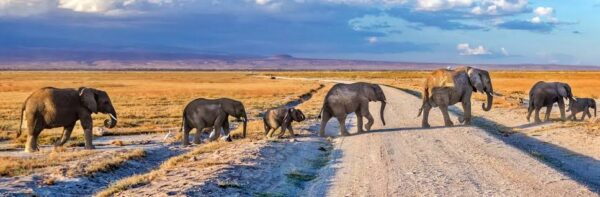
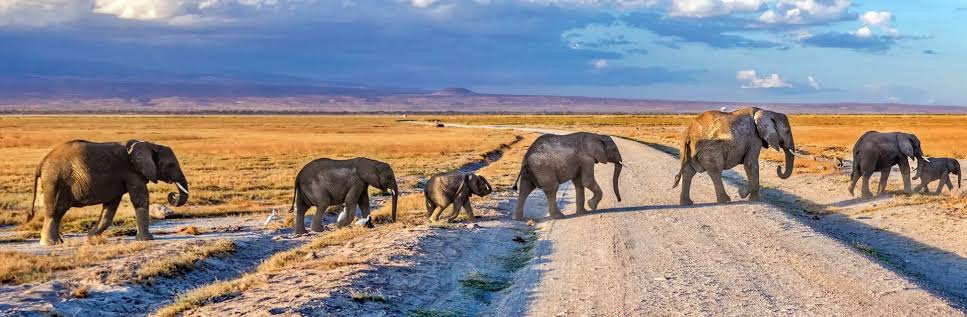
Kenya’s military maintains an active presence along the eastern border with Somalia, but tourists rarely visit that part of the country. Instead, you’ll be exploring the famous game reserves on the opposite side of the country, along Kenya’s western border with Tanzania — an area so stable that the border between the Masai Mara and the Serengeti is marked by simple stone cairns. You can see straight from the Mara into the Serengeti, and millions of wildebeest cross this line every year on their migration.
Is Nairobi Safe?
Like many countries, Kenya occasionally experiences short periods of political tension, generally centered on Nairobi, far from the country’s safari areas. In fact, many itineraries have travelers flying out of Nairobi shortly after landing, heading straight to the Masai Mara, Amboseli, Samburu, or Laikipia.
Clients regularly split their time between Nairobi and the Masai Mara without issue. Airport security is consistently high, and many hotels in the capital have added their own security measures for extra peace of mind.
Is Kenya Worth Visiting Right Now?
With steady growth in Kenya’s safari industry and regular new lodge and camp openings, the country is clearly thriving and open for business. Kenya remains one of the world’s most sought-after safari destinations for good reason: excellent year-round game viewing, friendly people, and straightforward logistics.
Kenya Health and Safety Travel Tips
A few general precautions go a long way toward a smooth trip.
- See your doctor before departure for malaria prophylaxis — Kenya is a high-risk malaria destination, and traveling with your own medication avoids relying on finding it locally
- Pack plenty of insect repellent
- Stay conscious of your belongings on arrival — avoid leaving anything unguarded, and only take out cameras or valuables when needed
- In busier tourist areas like Nairobi and Mombasa, stay alert in crowded markets, where pickpocketing can occur
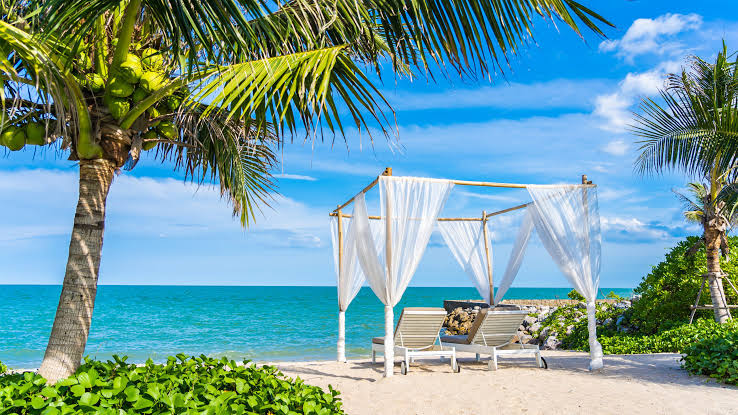
- On the beach, make sure your belongings are watched before you head off for a swim
- Keep copies of your travel documents in your luggage, separate from the originals
- Ask your safari consultant which areas to avoid — they can guide you through the specifics so you can focus on enjoying the trip
Food Hygiene in Kenya
At top lodges and safari camps, food quality is consistently excellent, and you’ll likely be won over by the local cuisine. In cities and towns, it’s worth being more careful with meat, unpasteurized dairy, and raw foods such as fruit or salad that can’t be peeled.
As a general rule, favor well-cooked meals and use your own judgment on a restaurant or vendor’s cleanliness — steer clear of anywhere that looks unclean or has few customers.
Is Tap Water Safe to Drink in Kenya?
Kenya’s tap water is not considered safe for drinking. We recommend sticking to bottled water throughout your trip, which is cheap and widely available. Most lodges, camps, and hotels provide complimentary bottled water in your room or safari vehicle, and some properties provide a reusable bottle you can refill with filtered water as needed. It’s also worth using bottled water to brush your teeth, particularly in towns and cities.
Is Kenya Safe for LGBTQ+ Travelers?
Kenyan law prohibits homosexual activity, but many LGBTQ+ travelers visit Kenya each year and have a wonderful trip. The safari industry itself is generally accepting and tolerant, and safety is well established in the country’s main safari destinations.
The main thing to bear in mind is Kenya’s broadly conservative culture — it’s best to avoid public displays of affection.
Is Kenya Safe for Female Solo Travelers?
Kenya is a safe destination for solo travelers, and most of the country is well-suited to traveling alone. Locals are friendly and hospitable, and English is widely spoken. As a female solo traveler, the same general precautions apply as anywhere in the world — avoid walking alone at night in cities, and steer clear of deserted beaches.
Many female solo travelers on a Kenya safari choose to fly directly into camps and join shared game drives or group safaris for a social element, while others prefer a private guide throughout. Either way, an experienced consultant can tailor the trip to your preferences and comfort level.
Is It Safe to Self-Drive in Kenya?
Self-driving is possible in Kenya, but most visitors — including experienced travelers — opt for a driver-guide instead, and for good reason. Roads outside major highways can be poorly marked and rough, wildlife crossing unexpectedly is a genuine hazard near parks, and a knowledgeable driver-guide adds real value simply through their ability to spot and interpret wildlife.
If you do want to self-drive, stick to well-established routes, avoid driving after dark outside of towns, and confirm your rental company’s policy on driving inside national parks, since some restrict it.
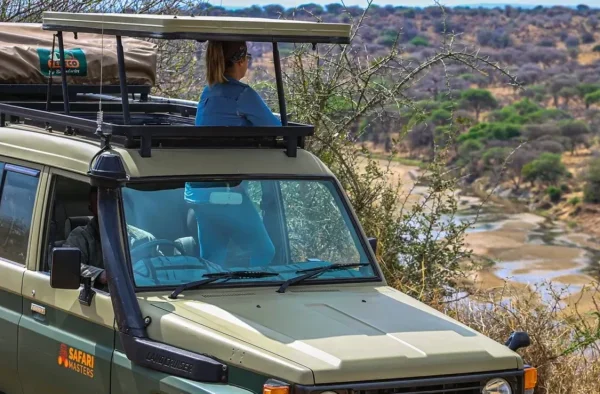
self drive Keanya
What Do Government Travel Advisories Say About Kenya?
Most Western governments maintain standard travel advisories for Kenya that flag increased caution for specific border regions — primarily the areas near Somalia and parts of the northeast — while noting no broad restriction on travel to the country’s main tourist areas, including Nairobi and the safari circuit.
It’s worth checking your own government’s current travel advisory before departure, since these are updated periodically, but the pattern has been consistent for years: caution in specific border zones, and no advisory against visiting Kenya’s national parks and reserves.
Common Scams and How to Avoid Them
As in most popular tourist destinations, a handful of low-level scams are worth knowing about in advance, mostly concentrated in Nairobi and coastal towns rather than inside the parks themselves.
- Unofficial “guides” approaching you near markets or attractions offering a tour — politely decline and stick with your booked operator
- Currency exchange offers on the street that promise better rates than a bank or licensed bureau — use a licensed exchange or your hotel instead
- Taxi fares quoted without agreeing a price upfront — agree the fare before the ride, or use a reputable ride-hailing app
- Unsolicited “safari deals” via social media or email from unverified companies — book through an established operator with a verifiable track record
Is the Kenyan Coast Safe for Tourists?
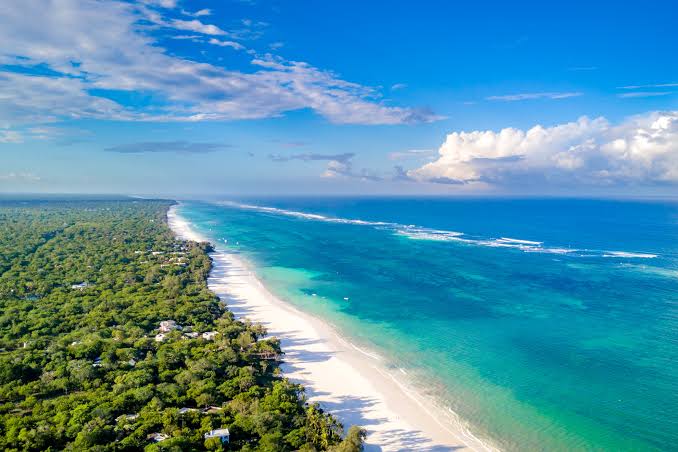
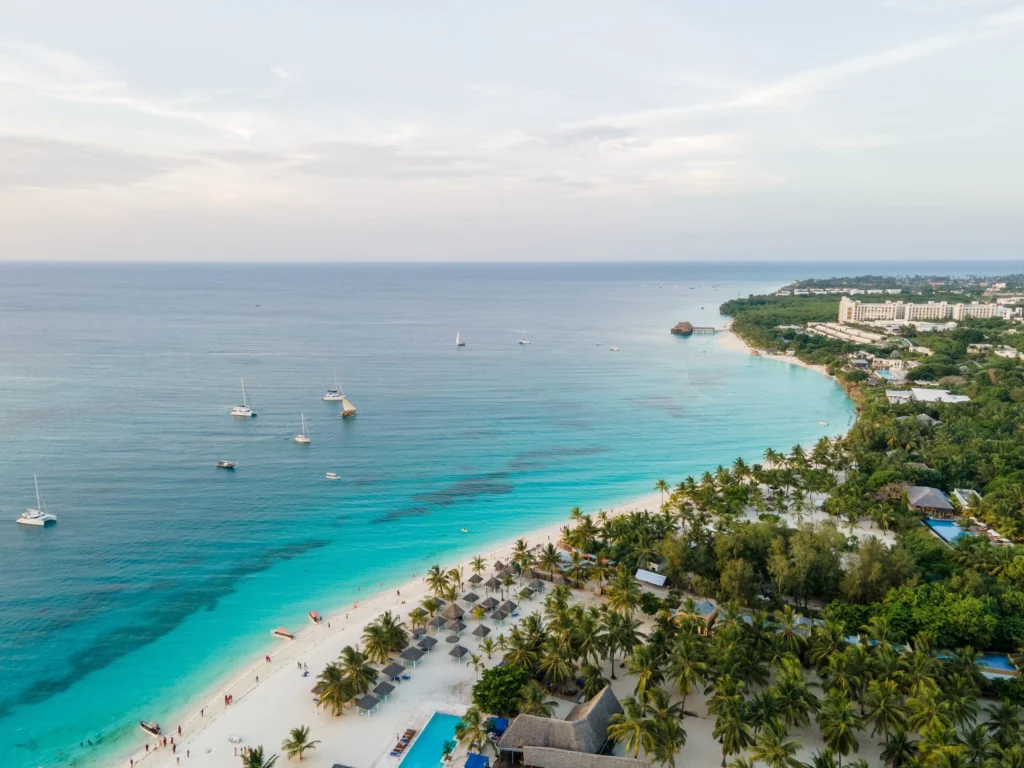
Mombasa, Diani, Watamu, and Malindi see millions of visitors and remain popular, well-established tourist destinations with a strong safety record. As with Nairobi, most concerns are limited to petty theft in crowded areas rather than anything more serious, and resort areas generally maintain their own security.
Lamu, further north, is also considered safe for tourists, and its lack of vehicles and slower pace make it one of the more relaxed destinations on the coast. Some government advisories flag caution for travel closer to the Somali border, well north of Lamu itself — worth checking current guidance if your itinerary extends that far, though most coastal itineraries stay well within the established safe zone.
Is Kenya Safe for Families Traveling With Children?
Yes — Kenya is a popular and well-suited family destination, with many camps and lodges offering dedicated children’s programs, family tents, and flexible dining for younger travelers. The same general precautions apply as for any traveler, with the added consideration of choosing family-friendly accommodation, since some smaller or more exclusive camps set minimum age requirements, often around 8 years old.
Malaria prevention is worth discussing specifically with a pediatrician if traveling with young children, since some antimalarial medications aren’t suitable for children below a certain age or weight.
Kenya remains a safe, well-established, and thriving safari destination in 2026. As with travel anywhere in the world, ordinary common-sense precautions go a long way, and the country’s tourism infrastructure and security are well suited to a smooth trip.