How Much Does a Tanzania Safari Cost?
September 20, 2026
Is It Safe to Travel to Tanzania in 2026?
September 20, 2026
How Much Does a Kenya Wildlife Safari Cost?
How Much Does a Kenya Wildlife Safari Cost? Kenya is one of the most sought-after safari destinations in the world, known for iconic landscapes, diverse wildlife, and unforgettable game drives. Naturally, one of the first questions most travelers ask is how much a Kenya safari actually costs.
The honest answer: it varies enormously depending on your style of travel. A Kenya wildlife safari can range from roughly $140 to $1,000-plus per person, per day, depending on the tier of accommodation, vehicle, and guiding you choose.
Quick Facts
| Budget Safaris | $140 – $300 per person, per day |
| Midrange Safaris | $300 – $600 per person, per day |
| Luxury and High-End Safaris | $600 – $1,000+ per person, per day |
| Typical Park Entry Fee (main parks) | Around $70 per person, per day |
Budget Safaris
Spending hundreds of dollars a day to see wildlife can feel excessive, and there’s a real market for lower-cost options. A three-day safari from Nairobi to the Masai Mara, Tsavo East and West, or Amboseli can be found for around $250 in total, typically covering transportation, two nights of accommodation, meals, and a couple of game drives. Park entry fees are often not included.
That price sounds appealing, but it comes with real trade-offs worth understanding before you book.
What to Look Out For
- Actual time on safari: many budget itineraries are heavily rushed — a three-day, point-to-point trip out of Nairobi may only give you one real day of game drives
- Vehicle quality: at this price point, expect older, more battered minibuses with limited or obstructed views
- Group size: if the vehicle is full — and operators often try to fill it — not everyone gets a window seat
- Guide quality: some budget operators use drivers with limited knowledge of the parks and wildlife, and less familiarity with park rules
- Accommodation: budget safaris typically use small dome tents on public campsites with minimal facilities, and stick to the main parks and reserves rather than private conservancies
Midrange Safaris
A multi-day midrange safari visiting Kenya’s well-known parks typically runs $300-600 per person, per day. This usually includes a comfortable safari lodge or camp, three meals daily, and game drives in a good-quality, open-sided vehicle shared with a small number of other guests.
Transfers between parks are generally included, though internal flights may be priced separately. Park entry fees — often around $70 per person, per day for the main parks — should also be included at this tier.
At the midrange level, you’ll most likely be visiting popular parks like the Masai Mara and Amboseli, which get genuinely busy during peak season. It’s worth asking where exactly you’ll be staying and how far you’ll be from other camps, along with what vehicles each camp uses.
High-End Safaris
A high-end Kenya safari typically means staying not in the famous national parks themselves, but in one of the private conservancies that border them. These privately or community-run wildlife areas operate for the benefit of both local communities and conservation.
A stay in one of these conservancies is genuinely exclusive, with minimal other vehicles around. Expect luxury safari tents, world-class dining with most alcoholic drinks included, an excellent guide, and a custom-designed, open-sided vehicle — often exclusively for your group. Conservation fees and park entry fees are typically included in the price.
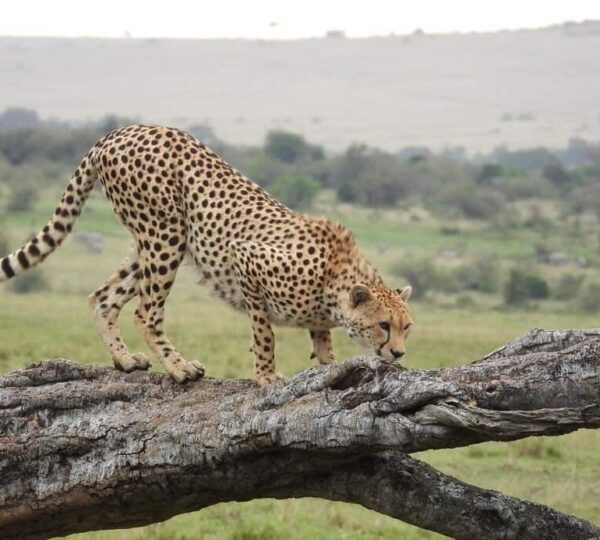
Kenya safaris
At a minimum, expect to pay around $350 per person, per night during quieter periods, with the very best properties and guides running $600-1,000 a night or more.
Before balking at the price, it helps to understand what you’re paying for. A conservancy typically sits on either communal land owned collectively by the local community, or on private ranch land. On community land, safari camps lease the land under agreements requiring it to be managed for the benefit of both people and wildlife, with your fees supporting land-lease payments and community and environmental projects. On private ranch land, conservancies need to generate enough revenue to make wildlife tourism a viable alternative to cattle ranching for the landowner. Either way, staying in a conservancy is good news for the local ecosystem as well as a strong safari experience.
What to Look Out For at Any Tier
You’re unlikely to go badly wrong at any conservancy, camp, or lodge in Kenya. If a specific activity matters to you — night game drives, hot air ballooning, Maasai cultural visits — confirm it’s available before booking.
It’s also worth checking where a property is located. Several excellent Kenyan-owned and community-owned businesses keep more of your spending in the local economy, and booking with a Kenya-based operator where possible is generally a good instinct.
Costs That Often Get Missed
Beyond the daily safari rate, a few recurring costs catch first-time travelers off guard if they aren’t budgeted for in advance.
- Tips and gratuities — a general guideline is $15-20 per day for your driver-guide, and a smaller daily amount for camp staff, though this varies by group size and length of stay
- Kenya’s e-visa fee, payable online before arrival
- Domestic flights between safari destinations, if your itinerary includes a fly-in park like the Masai Mara or Amboseli, which are usually priced separately from the ground package
- Optional activities such as a hot air balloon safari (typically $450-550 per person) or a Maasai village visit fee at some conservancies
- Alcoholic drinks and premium spirits, which aren’t always included even at the luxury tier — confirm this specifically when comparing quotes
- Travel insurance, which we’d recommend regardless of your budget tier, given the remote locations involved
A Sample Cost Comparison
To make the tiers more concrete, here’s roughly what a 4-day, 3-night Masai Mara safari for two people might cost at each level, excluding international flights.
| Tier | Per Person, Per Day | 4-Day Total (2 People) | What’s Different |
| Budget | $140-300 | $1,120-2,400 | Shared minibus, public campsite or basic lodge, main reserve only |
| Midrange | $300-600 | $2,400-4,800 | Comfortable lodge or tented camp, shared open-sided vehicle, full board |
| High-End | $600-1,000+ | $4,800-8,000+ | Private conservancy, exclusive vehicle, most drinks and activities included |
How Kenya Compares to a Tanzania Safari
Travelers weighing both countries often ask how the costs stack up directly. As a general rule, a comparable Kenya safari runs somewhat cheaper than the equivalent Tanzania trip, largely because Kenya’s main parks sit closer together, cutting down on the transport and charter-flight costs that add up quickly in Tanzania’s more spread-out Northern Circuit.
That gap narrows considerably at the luxury end, where both countries offer similarly priced high-end camps and conservancies. It’s most noticeable at the budget and midrange tiers, where Kenya’s shorter drives and more developed road network keep costs meaningfully lower than an equivalent multi-park Tanzania itinerary.
Does Group Size Affect the Price?
Significantly, especially at the budget and midrange tiers. Vehicle and guide costs are generally priced per vehicle rather than strictly per person, so a group of four or six sharing a safari vehicle will typically see a noticeably lower per-person rate than a solo traveler or couple, who still need to cover the full cost of the vehicle and guide between them.
Solo travelers should expect a single supplement on accommodation as well, since most safari lodges price rooms on a per-room, double-occupancy basis rather than a strict per-person rate. If traveling solo is important to you but budget is tight, ask your consultant about joining a scheduled small-group departure rather than booking a fully private vehicle — this can bring costs down closer to what a couple or small family would pay per person, while still giving you a genuine, well-guided safari.
How much a Kenya safari costs ultimately comes down to your interests, when you travel, and the style of safari you’re after. All three tiers — budget, midrange, and high-end — can deliver a genuinely good trip; the difference lies in comfort, exclusivity, and how close to the main crowds you want to be.