
Rwanda Weather
September 21, 2026
Silverback Gorilla Strength
September 21, 2026
Best Time to Visit Zanzibar: A Month by Month Guide
Zanzibar is warm enough to visit at any point in the year, which is exactly why so many travellers assume timing barely matters and book on flight price alone. It matters more than the sea temperature suggests.
The island sits close to the equator and runs on two distinct rainy seasons rather than a single wet and dry split, and which weeks you choose shape everything from how clear the diving visibility is to whether your beach walk at low tide is covered in seaweed.
None of that means there is a single correct month. It means there is a best month for whatever you are actually prioritizing, and this guide is built around helping you identify that priority and match it to the calendar with confidence.
What follows draws on the island’s long term climate patterns rather than any single year’s forecast, covering temperature, rainfall, diving and snorkeling conditions, the kitesurfing wind seasons, whale shark sightings, and how all of it moves prices and crowd levels.
By the end you should be able to pick a travel window that matches what you actually want from the trip, not just whichever month happened to come up first in a search.
Should You Plan Your Trip Around the Season?
Yes, though how much it should influence your dates depends on what you are travelling for. A couple wanting a straightforward beach holiday with warm water and sunshine has far more flexibility than a diver chasing peak visibility or a kitesurfer who needs a specific wind.
Zanzibar’s sea temperature barely moves across the year, staying in a comfortable range from roughly 25 to nearly 30 degrees Celsius, so swimming conditions alone rarely rule out any month. Rainfall, wind, and underwater visibility move far more, and those are the factors worth planning around.
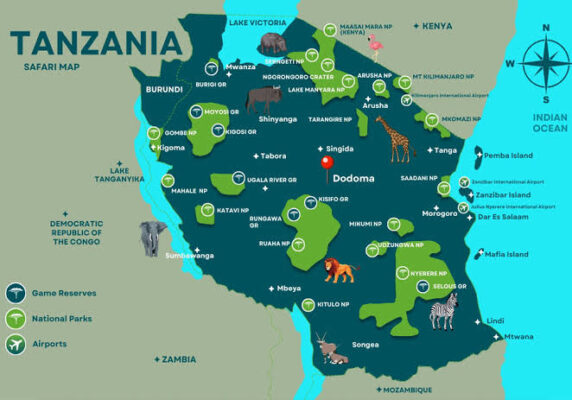
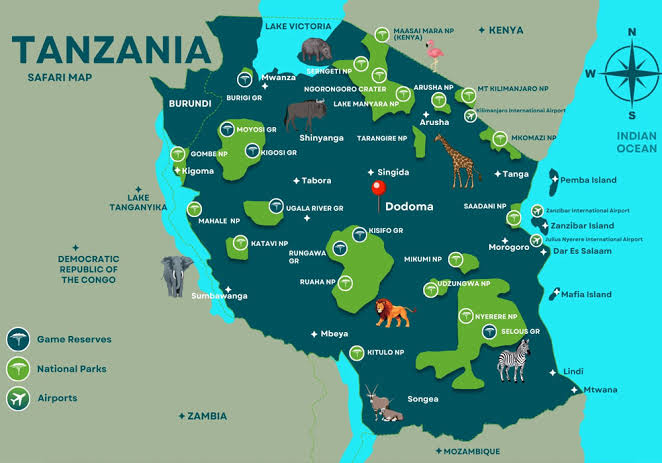
If your itinerary also includes a mainland safari, the calendar consideration doubles, since the Tanzanian safari season and Zanzibar’s coastal weather do not always move in lockstep.
A dry, comfortable week on safari in the Serengeti can still land during a wetter stretch on the coast, and it is worth checking both regions for your specific travel month rather than assuming a good safari month automatically means a good beach month.
Zanzibar’s Seasons Explained: Dry Season, Masika and Vuli
Zanzibar’s year is best understood as four blocks rather than a simple wet and dry divide, and knowing the local names for each helps when you are reading lodge availability calendars or talking to a guide on the ground.
The Long Dry Season, June to October
This is Zanzibar’s most reliable stretch of weather, with monthly rainfall typically averaging well under sixty millimetres and consistent sunshine. Temperatures sit comfortably around 28 to 29 degrees Celsius, cooler and less humid than the hottest months earlier in the year.
It is also the period that overlaps most cleanly with peak safari season on the Tanzanian mainland, which is why so many combined safari and beach itineraries are built around these months.
The Short Dry Season, January and February
Often overlooked, this window is nearly as dry as the June to October stretch but noticeably hotter and more humid, with temperatures regularly reaching the low thirties. It is a strong choice for travellers who want dry season conditions without dry season crowds or prices, and it happens to overlap with the best whale shark sightings of the year.
Masika, the Long Rains, Roughly March to May
This is Zanzibar’s wettest period, with April typically the single wettest month of the year. Despite the reputation, most days still bring sunny mornings followed by afternoon downpours rather than constant rain, and the island turns lush and green. Some smaller lodges close temporarily during the heaviest weeks, particularly in April, and this is genuinely the highest risk window if your travel dates are inflexible.
Best Time to Visit Zanzibar
Vuli, the Short Rains, Roughly November and December
A gentler rainy season than Masika, with brief morning showers that rarely disrupt a full day of plans. November in particular is a genuine shoulder season sweet spot, offering good weather and noticeably lower rates before the rains intensify slightly and the December holiday crowds arrive.
Month by Month Climate and Activity Guide
| Month | Avg Temp | Rainfall | Season | Best For |
| January | 32°C | Low | Short dry | Whale sharks, heat lovers |
| February | 33°C | Low | Short dry | Diving, festivals |
| March | 32°C | Rising | Masika begins | Budget travel |
| April | 30°C | Highest | Masika peak | Lowest rates, fewest crowds |
| May | 30°C | High | Masika ends | Quiet, good value |
| June | 29°C | Low | Dry season begins | Safari and beach combo |
| July | 28°C | Very low | Dry season | Kitesurfing, festivals |
| August | 28°C | Very low | Dry season peak | Peak season, book early |
| September | 29°C | Low | Dry season | Diving, visibility over 25m |
| October | 30°C | Rising | Dry season ends | Excellent diving, fewer crowds |
| November | 30°C | Moderate | Vuli begins | Shoulder season value |
| December | 31°C | Moderate | Vuli | Holidays, New Year |
Best Months for Diving and Snorkeling
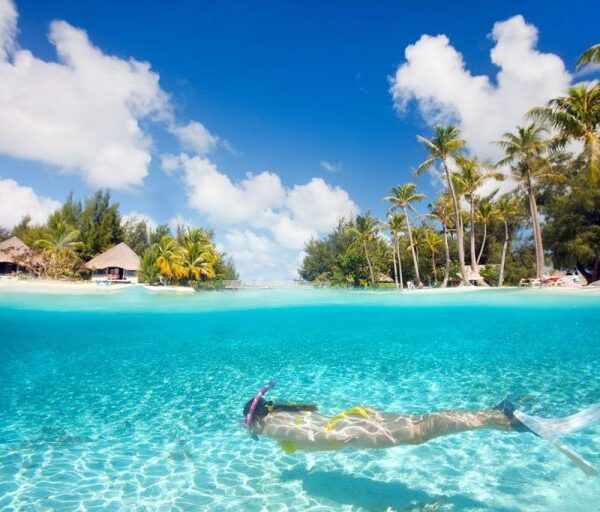
Underwater visibility in Zanzibar follows the dry season fairly closely, with the strongest conditions running from around September through March, outside the roughest weeks of the Kusi wind season. October in particular is frequently cited as offering the clearest water of the year, with visibility exceeding twenty five metres on good days at many of the island’s reef sites.
June through August, while pleasant on land, tend to bring rougher seas from the Kusi wind that reduce visibility and make some boat crossings less comfortable, so serious divers often prefer to bracket the peak dry season rather than travel at its windiest point.
- September to March: the strongest window for visibility and calmer conditions, with October standing out as a favourite among repeat divers
- June to August: still diveable, but expect choppier seas and reduced visibility compared with the shoulder months either side
- Snorkelers on the sheltered north coast around Nungwi and Kendwa have more consistent conditions year round than those on the more tidally dramatic east coast, since the north sees minimal tidal swing and is naturally sheltered from the Kusi wind
Kitesurfing Season at Paje
Paje, on Zanzibar’s east coast, is one of East Africa’s best known kitesurfing destinations, and the island effectively runs two distinct wind seasons that suit different skill levels. The Kusi wind, blowing from roughly June through October, brings stronger, more consistent gusts of around fifteen to twenty five knots and is generally better suited to experienced riders. The Kaskazi wind, from around December through March, is gentler at roughly fourteen to twenty knots and is the more forgiving season for beginners and improvers taking lessons.
April and May sit in a genuine dead zone for wind, with light and unreliable conditions that make them a poor choice specifically for kitesurfing, even though they can suit other kinds of travellers looking for quiet, discounted beach time.
Whale Sharks, Dolphins and Sport Fishing
Wildlife focused travellers have their own calendar to work around, separate from the general weather pattern. Whale shark encounters run broadly from October through March, with sightings peaking in January, making the short dry season an especially good match for anyone hoping to combine warm, mostly dry weather with a strong chance of an encounter.
Dolphin watching around Kizimkazi on the south coast is best from June through October and again from January through March, giving it a wider window than most other wildlife activities. Sport fishing enthusiasts generally get the best results from August through March, with the peak typically falling between August and October.
How Weather Affects Price and Crowds
Zanzibar’s pricing and crowd levels move in a fairly predictable rhythm with the seasons described above, and understanding that rhythm is one of the most practical planning tools available, particularly for travellers with flexible dates.
| Season | Months | Crowds | Relative Pricing |
| Peak dry season | July to September | High to very high | Highest of the year, book well ahead |
| Short dry season | January to February | Medium | Medium, good value against similar weather |
| Shoulder, late dry season | June, October | Medium | Medium, strong value for weather quality |
| Short rains, Vuli | November | Low to medium | Lower, a genuine value window |
| Holiday peak | December | High | High, driven by Christmas and New Year travel |
| Long rains, Masika | March to May | Very low | Lowest of the year, some lodges close |
Travellers who most value predictable weather should lean toward July through October, and should book both flights and accommodation as early as possible, since this window also draws the largest crowds and the tightest availability at well regarded properties. Travellers who prioritise value and quiet beaches over guaranteed sunshine should look closely at November or the April to May stretch, accepting a real chance of rain in exchange for meaningfully lower rates and far fewer people on the sand.
Recommendations by Traveller Type
| Traveller Type | Best Window |
| Combining with a mainland safari | June to October, matching peak safari season |
| Diver or snorkeler chasing best visibility | September to March, with October the standout month |
| Kitesurfer, experienced | June to October for stronger Kusi winds |
| Kitesurfer, beginner | December to March for gentler Kaskazi winds |
| Hoping to see whale sharks | October to March, peaking in January |
| Budget focused, flexible on weather | April to May or November |
| Wants dry weather with fewer crowds than peak | January to February |
Frequently Asked Questions
What is the single best month to visit Zanzibar?
October is frequently recommended as an all round sweet spot, combining the tail end of reliable dry season weather, some of the clearest diving visibility of the year, and slightly thinner crowds than the July and August peak. That said, the true best month depends on whether your priority is diving, kitesurfing, whale sharks, or simply budget.
Should I avoid Zanzibar entirely during the rainy seasons?
Not necessarily. The short rains in November and December are usually brief morning showers that rarely disrupt a full day, and even the long rains in April, the wettest month, tend to bring sunny mornings with afternoon downpours rather than constant rain. If your dates are flexible and you are comfortable with some rain risk in exchange for lower prices and quiet beaches, the rainy seasons can work well, particularly November.
Does seaweed affect the beaches at certain times of year?
Seaweed can appear on parts of the east coast, including Paje and Jambiani, particularly from December through March during the Kaskazi season, while the sheltered north coast around Nungwi and Kendwa sees far less of it year round. If seaweed free swimming is a priority, the north coast is the more reliable choice regardless of month.
Is Zanzibar hot all year round?
Yes, temperatures stay warm throughout the year, generally ranging from the high twenties to low thirties in Celsius. The most noticeable seasonal difference is humidity and rainfall rather than temperature swings, with January and February typically feeling the most intense due to high humidity alongside the heat.
When should I book if I want to combine peak dry season Zanzibar with a Serengeti safari?
Book as early as possible, ideally six to nine months ahead, since July through October is peak season for both the Tanzanian safari circuit and Zanzibar’s beach resorts simultaneously, and the best camps and beach properties on both legs fill up well in advance for this overlapping window.
Bringing It All Together
Zanzibar rewards travellers who match their travel dates to what they actually want from the trip rather than defaulting to whichever month looks cheapest on a flight search. Divers and safari combiners should aim for June through October. Value seekers and quiet beach lovers should look hard at November or the April to May window. Whale shark hopefuls should target January through March. None of these windows are wrong, they simply serve different priorities, and now you have a clear enough picture of the calendar to choose the one that serves yours.
If you would like help lining up the right Zanzibar dates with a Tanzania or Kenya safari, our team plans these combined itineraries year round and is happy to talk through the timing that best fits what you want from the trip.