What to Pack for a Photo Safari in Tanzania?
October 15, 2026
Best Places to Stay at Diani Beach
October 15, 2026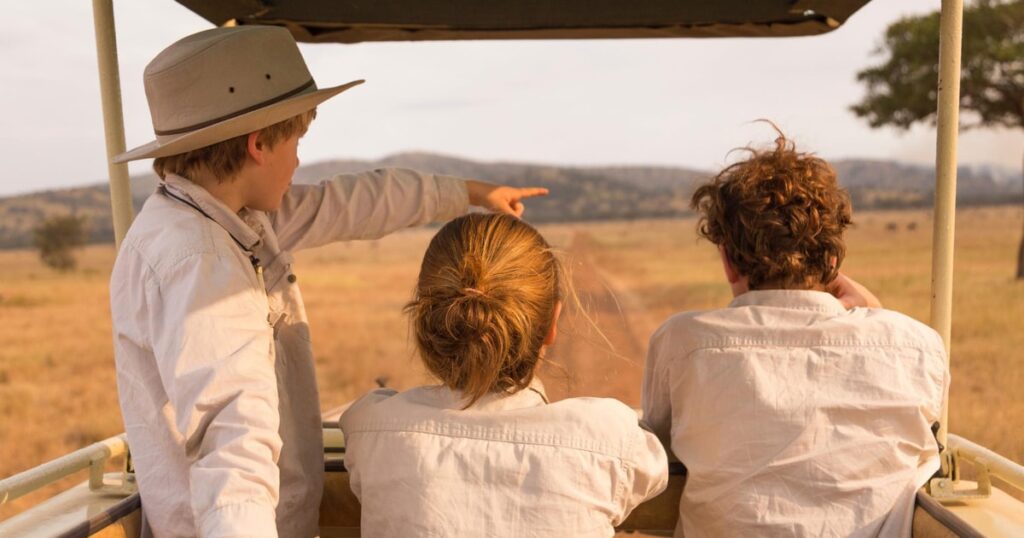
5 Best Places in Tanzania for Family Safari Adventure
This guide focuses on the 5 best places in Tanzania for family safari adventures, chosen from experience planning trips for families with toddlers, school-age children and teenagers. For each destination, you will find what makes it work for children, the best ages, the right lodges, when to go and how it fits into a wider route.
Quick Comparison
| Destination | Best Ages | Main Family Highlight | Distance From Arusha | Ideal Stay |
| Ngorongoro Crater | All ages | Dense, reliable wildlife, including rhino | About 3 hours | 2 nights nearby |
| Tarangire National Park | All ages | Huge elephant herds and baobabs | About 2 hours | 2 nights |
| Serengeti National Park | 6 and older | Migration, predators, endless plains | 7 to 8 hours or 1 hour flight | 3 nights |
| Lake Manyara and Mto wa Mbu | All ages | Baboons, forest, cultural village walks | About 2 hours | Half day to 1 night |
| Zanzibar | All ages | Beaches, snorkeling, Stone Town | 1 hour flight | 4 to 5 nights |
1. Ngorongoro Crater:
Why It Works for Families
For families with limited time or young children, the Ngorongoro Crater is the single best safari day in Tanzania. The crater floor covers about 260 square kilometres enclosed by walls around 600 metres high, and it supports a permanent population of animals that rarely leave. That means children see a great deal in a short time.
On a typical morning, families see zebra and wildebeest within minutes of reaching the floor, hippos in the Ngoitokitok spring area, elephants in the Lerai Forest and lions resting in the open. Black rhino are present, and although sightings are not guaranteed, the crater is one of the best chances in East Africa. Flamingos often gather on Lake Magadi, the soda lake on the crater floor.
Family Considerations
The descent road is steep and winding, which some children find exciting and others find unsettling. Time on the crater floor is limited, so most families spend a half day to a full day there with a picnic lunch at one of the designated sites. Watch out for black kites that swoop down to grab food from hands at the picnic areas; eat inside the vehicle if children are nervous.
The crater rim sits at over 2,200 metres, so evenings and early mornings are cold. Pack warm layers for children.
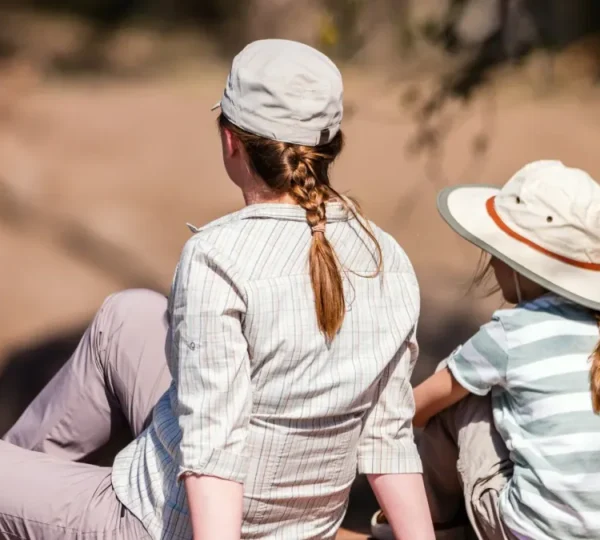
Family safaris in Ngorongoro
Where to Stay
Lodges on the crater rim offer views across the caldera and the shortest morning drive. Lodges and farmhouses in the Karatu highlands, about 30 to 45 minutes away, often have larger grounds, pools, family rooms and activities such as coffee farm tours, at better prices. Most families prefer Karatu for its space and facilities.
2. Tarangire National Park:
Why It Works for Families
Tarangire is the ideal first stop on a family safari. It is roughly two hours from Arusha on good tarmac roads, so children arrive fresh rather than worn out from a long transfer. The landscape is memorable, with giant baobab trees that children love to photograph and the Tarangire River drawing animals throughout the dry season.
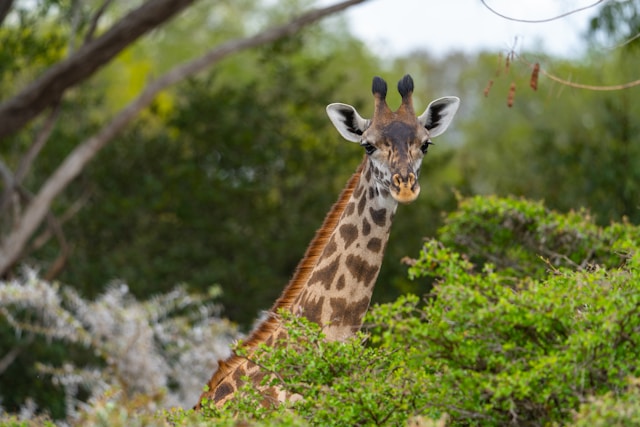
Between June and October, Tarangire hosts some of the largest elephant concentrations in northern Tanzania. Herds of fifty or more are common, and young elephants playing in the riverbed often become a highlight of the entire trip. Giraffe, zebra, buffalo, warthog and lion are also frequently seen, and the birdlife is excellent.
Family Considerations
Tsetse flies are present in parts of Tarangire, especially in wooded areas. The health risk to visitors is considered very low, but the bites are painful and irritating for children. Dress children in light coloured clothing rather than dark blue or black, and use repellent.
Wildlife is more dispersed during the wet season from November to May, so the park is best visited in the dry months.
Where to Stay
Several lodges inside and on the edge of the park offer family tents and swimming pools. Some properties in the surrounding conservancies allow night drives and guided walks for older children, which park regulations generally do not.
3. Serengeti National Park:
Why It Works for Families
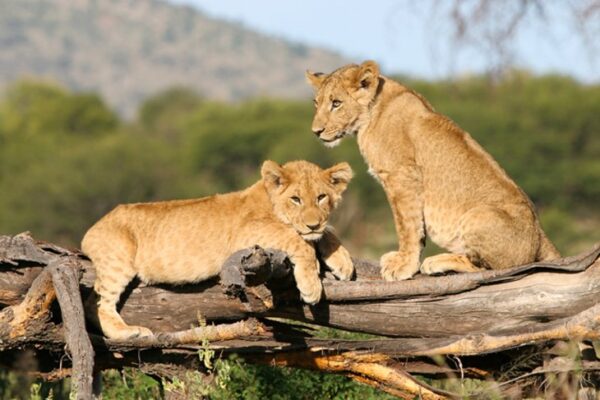
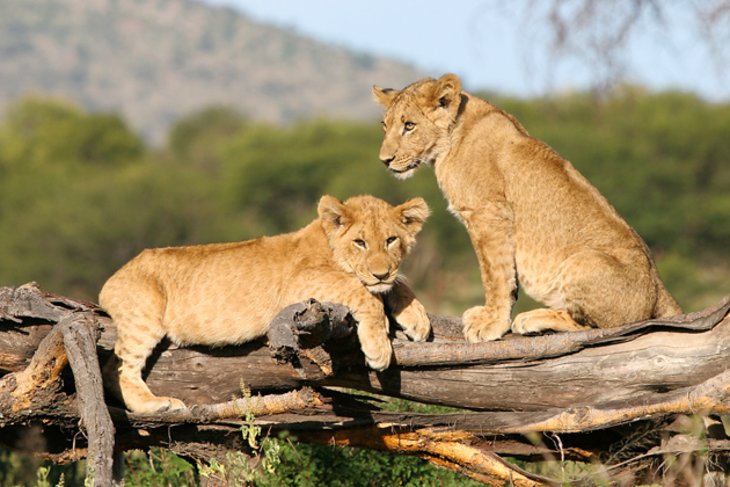
The Serengeti is where a family safari becomes an adventure. Its plains stretch to the horizon, lions lounge on granite kopjes, and depending on the season, hundreds of thousands of wildebeest move across the landscape in the Great Migration. For children aged six and older, this is the experience that turns curiosity into lifelong fascination with wildlife.
The Serengeti also offers moments that are rare elsewhere. In the calving season from late January to February, the southern plains around Ndutu fill with newborn wildebeest, and predators follow closely. In the northern Serengeti from July to October, families can watch herds cross the Mara River, an intense experience better suited to older children.
Family Considerations
Distances are the main challenge. The drive from Ngorongoro to central Serengeti takes three to four hours on rough roads, and driving back to Arusha takes most of a day. Most families drive in and fly out, which balances cost and comfort.
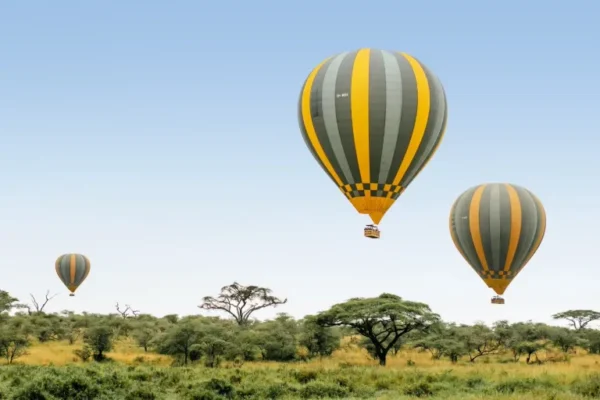
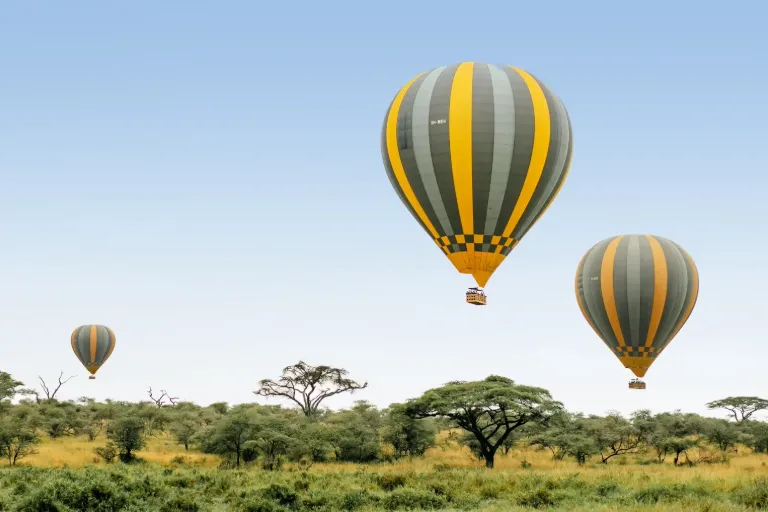
Many Serengeti camps are unfenced, and some have minimum age policies. Choose camps that welcome children and have family tents and clear night time escort procedures. Hot air balloon flights over the Serengeti usually accept children from about seven years old, and they make an unforgettable family morning for those who can afford them.
Where to Stay
Choose your location by season. Central Serengeti around Seronera works year round. Ndutu suits the calving season. Northern Serengeti near Kogatende suits July to October river crossings. Families should prioritise camps with family tents and flexible activities.
4. Lake Manyara and Mto wa Mbu:
Why It Works for Families
Lake Manyara National Park is compact, and that is precisely its family advantage. Within a short drive, the landscape shifts from groundwater forest to open floodplains and the shallow alkaline lake. Large troops of olive baboons are a guaranteed source of entertainment for children, and elephants, giraffes, hippos and blue monkeys are often seen. The park is known for tree climbing lions, though they are not seen on every visit.
The treetop walkway, a series of suspension bridges through the forest canopy, gives children a chance to get out of the vehicle and see the forest from above, a welcome change on a safari where most time is spent seated.
Mto wa Mbu Village
Just outside the park, the town of Mto wa Mbu is home to people from many different ethnic groups. Guided village walks and bicycle tours take families through banana plantations, rice fields and local markets, often with a stop to taste local food or watch artisans at work. These short, active excursions are ideal for children who need a break from wildlife viewing.
Family Considerations
Lake Manyara works best as a half day visit between Tarangire and Ngorongoro rather than a multi night stay. It suits families who want variety without adding long drives.
5. Zanzibar:
Why It Works for Families
Zanzibar is about an hour’s flight from Arusha or the Serengeti, and it turns a safari into a complete family holiday. After days of early starts and game drives, children need time to play, swim and rest, and parents need it just as much.
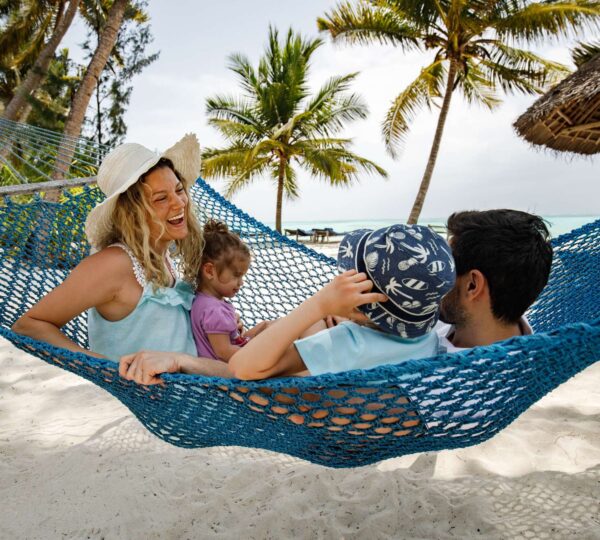
Familt tours in Zanzibar
The island offers more than beaches. Stone Town, a UNESCO World Heritage Site, introduces children to Swahili culture, ancient doors and busy markets. Spice farm tours are interactive and sensory. Jozani Chwaka Bay National Park is home to the endemic Zanzibar red colobus monkey, which children can watch at close range. Snorkelling trips to Mnemba Atoll reveal reef fish, turtles and, sometimes, dolphins.
Family Considerations
The east coast has large tides that leave shallow pools at low tide, fun for exploring but frustrating if children want to swim whenever they like. The north coast around Nungwi and Kendwa offers swimming at most tides. Choose resorts with pools, kids’ clubs and shaded areas.
When to Go
| Season | Family Advantages | Considerations |
| June to October | Dry, excellent wildlife, school holiday timing | Peak prices and busier parks |
| Late December to February | Calving season, warm beach weather | Christmas peak pricing |
| November to early December | Lower rates, green landscapes | Short showers |
| March to May | Lowest rates, fewer visitors | Long rains, some closures |
Budget Guidance
Family safari costs depend mainly on accommodation level, season and whether you fly. As a guide, mid-range family safaris in Tanzania commonly fall between US$450 and US$750 per adult per night, with reductions for children at many lodges. Budget options with simpler lodges outside the parks can reduce this considerably, while luxury camps and private houses cost more.
Health and Safety Across These Destinations
Parents understandably want to know how the health picture changes from one destination to the next. The good news is that the five places above share similar, manageable considerations.
Malaria
All five destinations fall within malaria risk zones, although the risk is lower on the cooler Ngorongoro highlands than in Tarangire, Lake Manyara or on Zanzibar. A travel clinic will recommend suitable antimalarial medication for each child, usually in a paediatric dose. Combine this with long sleeves after dark, child safe repellent and mosquito nets, which all reputable lodges provide.
Altitude and Temperature
The Ngorongoro Crater rim sits at more than 2,200 metres. Children rarely feel altitude effects at this height, but the temperature drop surprises many families. A morning on the rim can be around ten degrees, while the afternoon in Tarangire may reach thirty. Pack layers that children can add or remove easily.
Medical Access
Arusha has private hospitals and clinics used by international visitors, and Zanzibar has private medical facilities in and around Stone Town. In the parks, reputable safari companies carry first aid kits and can arrange evacuation through flying doctor services. Travel insurance that includes medical evacuation is essential for every family member.
Lodge Safety
Unfenced camps in the Serengeti have clear rules: children must be escorted after dark and must never walk alone between tents. Families with very young children often prefer fenced lodges for peace of mind, especially in the first part of the trip.