Top Things to Do in Mombasa
October 21, 2026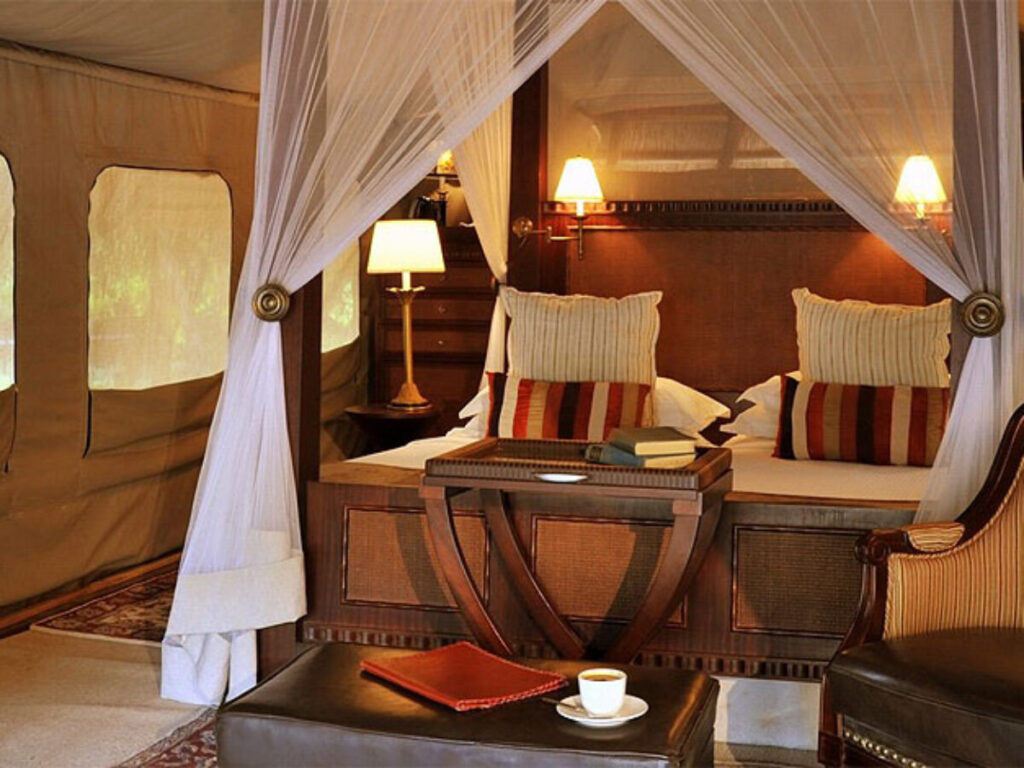
Where to Stay in Nyerere National Park
Nyerere National Park, the northern part of the former Selous Game Reserve in southern Tanzania, is one of the largest protected areas in Africa. The camps and lodges that sit along the Rufiji River and its chain of lakes number only a few dozen, and they differ more than their similar names suggest.
Some are tiny, open-fronted luxury camps that cost over US$1,000 a night. Others are budget camps near the eastern gate, where a bed can cost about US$110. Where you stay shapes what you do, from boat safaris and walks to game drives, and how far you travel to get there.
This guide explains how the park is laid out, which camps suit which budgets and travelers, what rates look like in 2026, how to get there, and when to go. It is written for travellers who want to pick a camp with confidence rather than start with a long list of names.
Understanding the Park and the Names
The park was renamed Nyerere National Park in 2019, after Tanzania’s first president, but most travelers and operators still say Selous, and many camps retain that word in their names. Several well-known camps have also been renamed or rebranded. Siwandu, for example, was formerly known as Selous Safari Camp, and some listings still use the old name, so check that you are looking at the same property.
The best lodges sit along the Rufiji River and its lakes in the northern part of the park. This is where Sand Rivers Selous, Siwandu, Roho ya Selous, Beho Beho, Lake Manze and Serena Mivumo River Lodge are located. Budget and mid-range camps cluster outside or near the eastern Mtemere gate, which is also the closest gate to Dar es Salaam by road, at about 240 kilometers.
Is Nyerere Right for You?
Nyerere suits travelers who want a southern Tanzania safari that mixes game drives with boat safaris and walking and who value space and quiet over crowds. It is especially good for repeat safari travelers, honeymooners and anyone who wants a river and lake landscape instead of open plains. Elephants, hippos, crocodiles, wild dogs and birdlife are highlights.
It is a poorer fit for travelers on a tight budget who want to see the maximum number of animals in a short time or families with young children, since many of the best camps set minimum ages of about 8 to 12 for walks and boat trips, and some, including Sand Rivers and Beho Beho, discourage young children entirely.
Sand Rivers Selous
Rates and What They Include
Rates are normally quoted per person per night, and luxury camps are usually full board with drinks and activities, while budget camps may charge separately for activities. Prices change by season, with peak demand in the dry months.
A wide spread exists, from about US$110 per person per night at the budget end to US$1,780 or more at the top.
Always ask what is included. Park entry, concession fees, boat trips, walking safaris, transfers and flights can all be additional at some camps. For fly-in camps, a scheduled flight or charter from Dar es Salaam, Zanzibar or another park is a major part of the cost.
| Tier | Camps (examples) | Approximate Per Person Per Night |
| Ultra-luxury | Sand Rivers Selous, Beho Beho | About US$1,065-2,000 |
| Luxury | Roho ya Selous, Siwandu, Kiba Point | About US$765-1,400 |
| Upper mid-range | Serena Mivumo River Lodge, Selous Serena Camp, Sable Mountain Lodge, Lake Manze, Impala Camp | About US$380-700 |
| Mid-range and value | Rufiji River Camp, Selous Kinga, Selous Mbega | About US$250-450 |
| Budget | Selous River Camp, Selous Safari Lodge | From about US$95-110 |
Luxury Camps on the Rufiji and Its Lakes
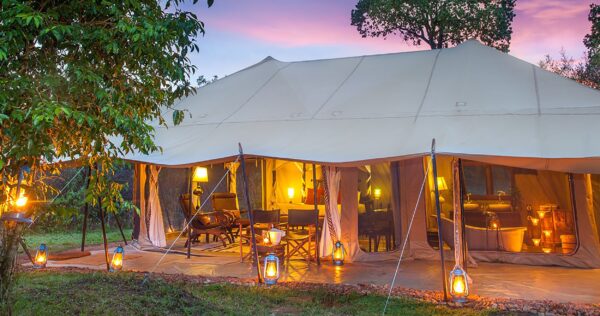
Sand Rivers Selous, run by Nomad Tanzania, is often called the grande dame of the Selous circuit, with eight open-fronted rooms on a quiet stretch of the Rufiji River, a strong walking and fly-camping tradition and a reputation for guiding.
It is quoted at about US$1,200 to US$2,000 per person per night. Beho Beho, a camp of traditional stone cottages in a peaceful setting, is among the most expensive, at about US$1,065 to US$1,780.
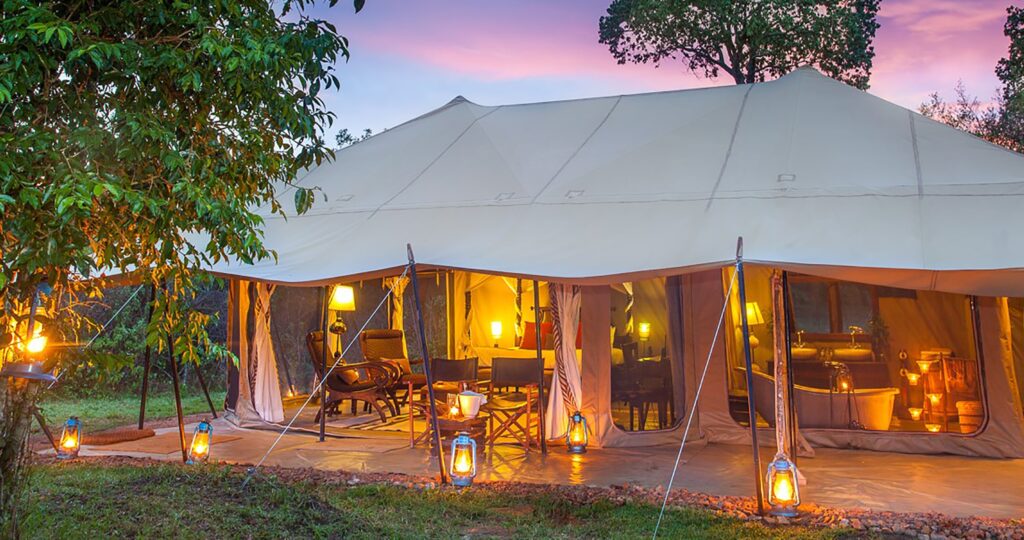
Roho ya Selous, run by Asilia, has eight tents with raised wooden decks and plunge pools on a small peninsula overlooking Lake Nzerakera, in the central game-viewing area, and is widely recommended for first-timers.
Siwandu, formerly Selous Safari Camp, is a lakeside tented camp on Lake Nzerakera quoted at about US$780 to US$1,210, and Kiba Point, an exclusive-use sister property of Sand Rivers, starts from about US$765. All offer boat safaris and flexible game drives, and most are accessed by fly-in.
Upper Mid-Range and Mid-Range Camps
In this middle band, camps offer comfortable tents or cottages without the full luxury price. Serena Mivumo River Lodge and Selous Serena Camp provide familiar service and facilities, with Selous Serena listed from about US$510.
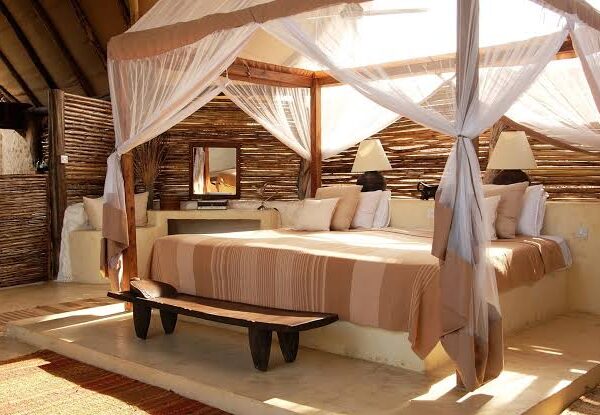
Lake Manze Camp is a classic tented camp on a lake known for hippos and wildlife. Sable Mountain Lodge is quoted from about US$580 for a safari experience that is more affordable than the luxury camps, and Selous Impala Camp is another popular choice.
Rufiji River Camp, run by the Fox family, was one of the first camps in the park and is described as an unpretentious riverfront camp with 14 tents. It is often named as the best-priced stay inside the park, with a figure of about US$450 per person per night in one listing, though other sources vary.
It is a good starting point for travelers who want to be inside the park without paying luxury rates.
Budget Camps Near the Park
Budget travelers have options along the Rufiji River near the eastern Mtemere gate, including Selous River Camp, Selous Mbega Camp, Selous Kinga Lodge and Selous Safari Lodge.
Selous River Camp is listed at about US$110 per person per night, and Selous Safari Lodge is roughly US$95, which makes them the cheapest honest beds near the park, though facilities are simpler and activities are often charged separately.
Staying outside the park means a short drive to the gate each day, and you will pay park fees on top. These camps work best for road travelers from Dar es Salaam and for groups who want a basic base and are prepared to organize activities separately.
How to Choose by Traveller Type
- First-timers to the south: Roho ya Selous for guiding, flexibility and fly-in access.
- Repeat safari guests and walkers: Sand Rivers Selous for walking, fly-camping, and river views.
- Honeymooners and couples: Beho, Siwandu or Roho ya Selous for privacy and plunge pools.
- Value-minded travelers: Rufiji River Camp for an in-park stay at a lower rate.
- Families: Check minimum ages, and consider more flexible mid-range camps.
- Budget road trippers: Selous River Camp or Selous Safari Lodge near the Mtemere gate.
Activities to Expect From Your Camp
Most camps offer morning and afternoon game drives, boat safaris on the Rufiji or its lakes and guided walking safaris, which are a strength of the southern circuit. Some also offer fly-camping, where you sleep out in a simple camp under the stars, and fishing for those who bring equipment.
Boat trips are particularly good for hippos, crocodiles and water birds, and walking is good for tracks, birds and smaller wildlife.
Because activity options vary, ask each camp which are included, how many guests share a vehicle, and whether night activities are allowed. Minimum ages for walks and boat trips are typically 8 to 12.
Getting There
Most guests fly into Nyerere from Dar es Salaam, Zanzibar or other southern parks on scheduled or charter flights to airstrips such as Mtemere, Siwandu and Beho Beho. The flight from Dar es Salaam takes about 45 minutes, and camps arrange pick-ups from the airstrip.
By road, the eastern Mtemere gate is about 240 kilometers from Dar es Salaam, a drive of several hours, and the Matambwe gate serves the northern part of the park.
Fly-in is the norm for the luxury camps, and road access is more common for budget camps near Mtemere. Check the transfer arrangements when you book, since the distance from the airstrip to the camp can add time.
Best Time to Go
The dry season, roughly June to October, is the best time for wildlife, when animals concentrate along the river and lakes and temperatures are cooler.
The wet season, from about November to May, brings lush landscapes and birdlife but heavier rains, thicker vegetation and, for some camps, seasonal closures. Peak demand is in July to September, so book early for the best camps.
reduces the risk of missed connections.
Frequently Asked Questions
Is Nyerere National Park the same as the Selous?
It is the northern part of the former Selous Game Reserve, renamed Nyerere National Park in 2019, and many camps still use the Selous name.
What is the best luxury camp?
Sand Rivers Selous is often called the benchmark, with Roho ya Selous, Siwandu and Beho Beho also highly rated.
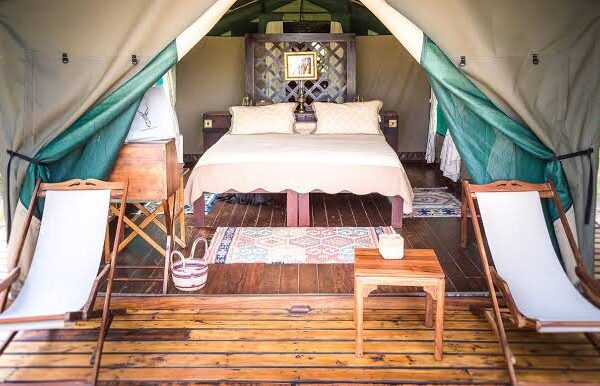
Selous Impala Camp
Where can I stay on a budget?
Near the eastern Mtemere gate, camps such as Selous River Camp and Selous Safari Lodge start from about US$95 to US$110.
How do I get to Nyerere?
Most guests fly from Dar es Salaam or Zanzibar to an airstrip, while the Mtemere gate is about 240 kilometers from Dar es Salaam by road.
When is the best time to visit?
June to October, the dry season, with peak demand in July to September.