Tsavo West National Park Fees
October 30, 2026
Sarova Salt Lick Lodge
October 30, 2026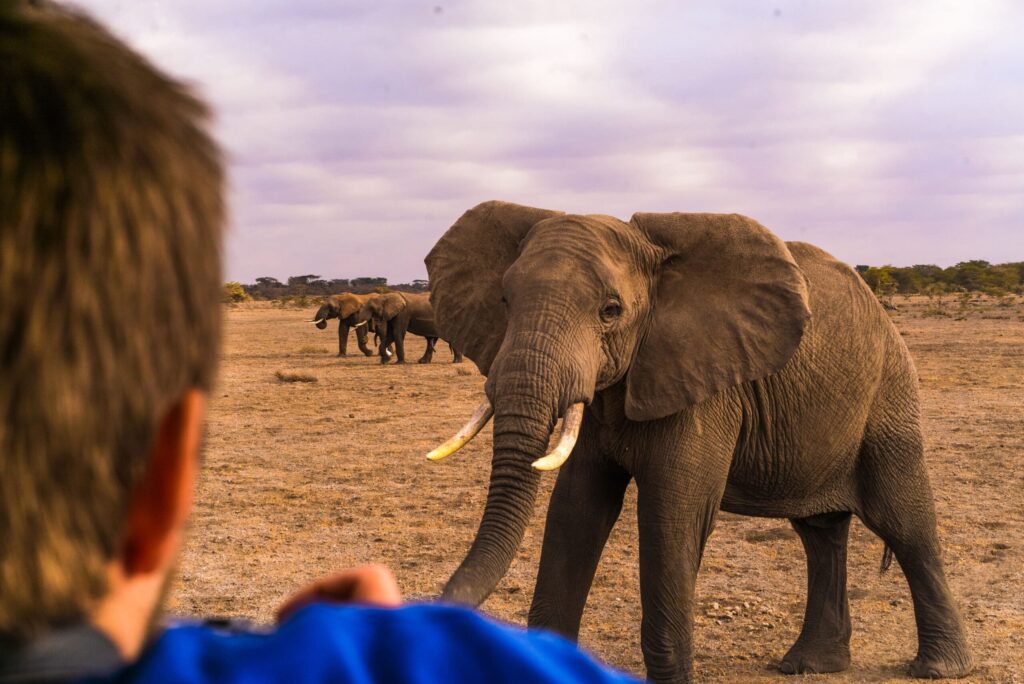
Tsavo East National Park Fees
Tsavo East National Park Fees : Tsavo East is one of Kenya’s largest and most atmospheric parks. It covers a vast plain of red earth and acacia scrub, with the Galana River running through it, herds of dust-red elephants and a sense of space that is hard to find in the busier parks. It sits on the Nairobi to Mombasa highway, which makes it an easy add-on to a coast holiday or a stop on the way between the capital and the sea.
Fees are a common source of confusion here. Prices have changed, older pages still show lower figures, a separate vehicle charge applies and payment is now made online rather than at the gate. This guide sets out the entry fees for 2026, the vehicle and camping charges, how to pay, the gates, what to see, how to get there, where to stay and when to go.
Is Tsavo East Worth Visiting?
Yes, if you want wide landscapes, fewer vehicles than the Maasai Mara and a chance to see the famous red elephants, which take their colour from the dust and mud they bathe in. Tsavo East is good for photographers, for travellers who prefer solitude and for anyone adding a short safari to a beach holiday on the coast.
It is a weaker choice if you want the highest density of predators and the migration. The park is large and wildlife is dispersed, and the vegetation can be thick in the wet season, so sightings require patience and a good guide. It is also hot, so plan early starts and a midday rest.
Entry Fees
For non-residents, the entry fee is US$80 per adult and US$40 per child aged 3 to 17 per 24 hours, with children under 3 free in at least one source. East African citizens pay KES 1,000 for adults and KES 500 for children, Kenya residents pay KES 1,350 for adults and KES 675 for children, and other African citizens pay US$40 for adults and US$20 for children. Tsavo East is classified as a wilderness park, and the fee is flat all year, with no separate high or low season rate.
Fees are charged per 24-hour period, and the ticket covers one park. If you visit both Tsavo East and Tsavo West, you pay two separate entries. A multi-park option for Tsavo East, Tsavo West and Amboseli appears in one source, with a non-resident adult price of US$215, so ask your operator whether a combined ticket suits your itinerary.
| Visitor Category | Adult (per 24 hrs) | Child (per 24 hrs) |
| East African citizen | KES 1,000 | KES 500 |
| Kenya resident | KES 1,350 | KES 675 |
| Other African citizen | US$40 | US$20 |
| Non-resident | US$80 | US$40 |
Vehicle, Camping and Other Charges
A vehicle fee applies on top of entry. A 2026 guide gives KES 600 for a typical safari vehicle, and an older listing shows KES 200 for vehicles under six seats and KES 600 for those with six to twelve seats, so the exact figure depends on the vehicle size. Aircraft landing fees apply to fly-in visitors, and vehicle recovery inside a park is charged at about KES 10,500 per incident.
Camping fees are charged per person. Public campsites cost non-residents about US$20 per adult and US$15 per child, and special campsites about US$35 and US$20, with lower rates in Kenya shillings for citizens and residents. Camping fees are in addition to the park entry fee. Special activities, such as night drives or walking safaris, are charged separately and may require advance arrangements with KWS.
How to Pay
Payment is now mainly online. Visitors or their operators pay through the KWS eCitizen platform (KWSpay) with M-Pesa, Airtel Money or a card, and the confirmation is used at the gate. Several 2026 sources state that cash is not accepted at the gate, which matters if you are self-driving.
Older guides describe a smartcard obtained at Voi Gate, topped up with cash and used at any gate, but this system appears to have been replaced. If you are travelling with an operator, they will usually pay for you and include the fees in your package. If you are independent, pay online before you arrive and keep the confirmation on your phone.
The Gates
Tsavo East has four main gates. Voi Gate is the main gate, on the Nairobi to Mombasa highway, and the busiest, used by most visitors and day trippers. Buchuma (also spelled Bachuma) Gate is in the south, closest to Mombasa, and is a convenient entry for coast visitors. Manyani Gate, further north, sees a fraction of the traffic and opens onto quieter country, including areas around Ithumba. Sala Gate is on the eastern side, best for visitors staying around Malindi or Watamu, with an approach that follows the Galana River.
Distances from Mombasa differ by source, with Buchuma given as about 110 kilometres in one listing and about 190 kilometres in another, so check with your driver. Voi Gate is about 156 kilometres from Mombasa and Manyani about 191 kilometres, all along the Mombasa to Nairobi highway.
What to See and Do
The park’s signature animals are the red elephants, along with lions, leopards, cheetahs, buffalo, giraffes, zebras, gerenuk, lesser kudu, hippos and crocodiles on the Galana River. The Yatta Plateau, Lugard Falls and the Aruba Dam are popular stops, and the park holds an exceptional bird list.
Game drives are the main activity, best in the early morning and late afternoon when it is cooler and animals are more active. Walking and night drives are available in some areas with prior arrangement, and camping or lodge stays allow longer time in the bush. A guide who knows the park will find animals more quickly than self-drive visitors.
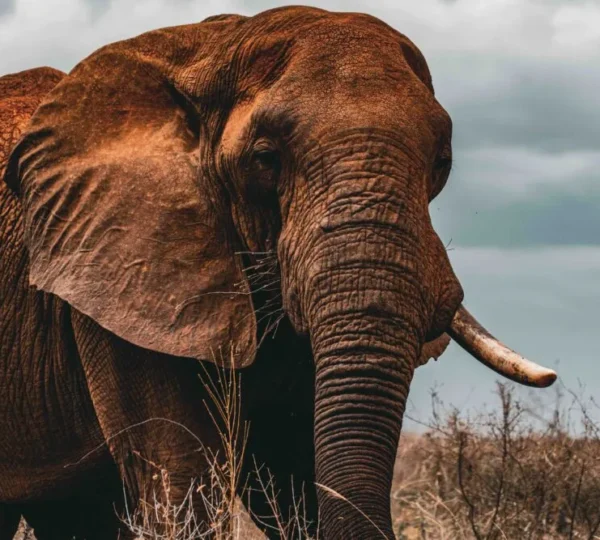
Tsavo west Elephants
Where to Stay
Accommodation near Tsavo East ranges from campsites and simple lodges to luxury tented camps. Options near Voi Gate include lodges and camps along the highway, while inside the park there are several established camps and lodges along the Galana River and near the Aruba Dam. Package prices usually include park fees, so compare inclusions carefully when you book.
If you are coming from the coast, base yourself near Buchuma or Sala gates for shorter drives. If you are coming from Nairobi, a lodge near Voi or Manyani helps you avoid a long drive on the same day.
Getting There
From Nairobi, the drive to Voi Gate takes about five to six hours along the Nairobi to Mombasa highway. From Mombasa, Buchuma Gate is about 2.5 to 3 hours away, making Tsavo East an easy add-on to a coast holiday. The Standard Gauge Railway stops at Voi station, about four hours from Nairobi, and lodges can arrange transfers from the station. Light aircraft land at airstrips inside the park.
Best Time to Go
The dry seasons, June to October and January to February, are best for wildlife viewing, since animals concentrate around water and vegetation is thinner. The wet seasons, March to May and November to December, bring greener landscapes and fewer visitors, but dense vegetation and muddy tracks can make wildlife harder to see. It can be very hot in the dry months, so plan for early starts.
Self-Drive Tips
Tsavo East is large, tracks are long and facilities are sparse, so self-drive visitors should be well prepared. Use a 4×4 with a full-size spare, carry plenty of water and food, fill your tank before entering and download offline maps. Cell coverage is patchy, so tell someone your route and expected return time.
Keep to the marked tracks, avoid driving at night and leave the park before gate closing time. If you break down, vehicle recovery is charged at about KES 10,500 per incident, so a reliable vehicle is worth more than any saving. Many visitors find that a local driver-guide makes the trip easier, since guides know where animals have been seen recently.
Combining Tsavo East With the Coast and the Railway
Tsavo East works well as a stopover between Nairobi and Mombasa. The Standard Gauge Railway stops at Voi station, about four hours from Nairobi, and lodges can arrange transfers from the station to the park. From Mombasa, Buchuma Gate is about 2.5 to 3 hours away, which makes the park an easy add-on to a beach holiday.
A common pattern is two nights in the park followed by three or four on the coast, or the reverse. If you are also visiting Tsavo West or the Taita Hills, ask your operator about multi-park fees and a sensible order for the route.
Frequently Asked Questions
How much is Tsavo East entry for non-residents?
US$80 per adult and US$40 per child aged 3 to 17 per 24 hours under the October 2025 KWS revision. Confirm the current rate.
Is there a separate vehicle fee?
Yes. A 2026 guide gives KES 600 for a typical safari vehicle, with smaller vehicles charged less in older listings.
Can I pay cash at the gate?
Recent sources say payment is online only through the KWS eCitizen platform, and cash is not accepted at the gate.
Which gate is the main one?
Voi Gate on the Nairobi to Mombasa highway. Buchuma, Manyani and Sala are the other main gates.
Do I pay twice if I visit both Tsavo parks?
Yes. Each park has a separate entry, though a multi-park ticket may be available.