
Sarova Salt Lick Lodge
October 30, 2026
Guide to Kenya Family Safari Activities
October 30, 2026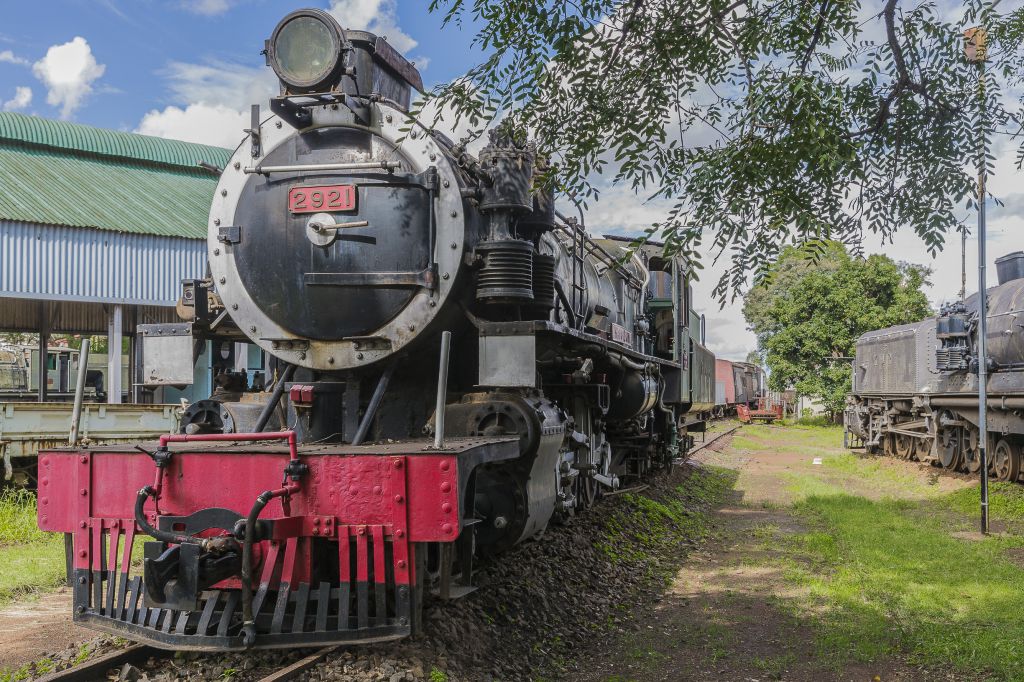
Nairobi Railway Museum
Nairobi exists because of a railway. In the late 1890s, the British built a line from Mombasa toward Uganda, and the spot where it paused to climb the highlands became a depot, then a town, then the capital. The Nairobi Railway Museum, beside the main station, tells that story with steam locomotives in a yard, coaches under cover and a small collection of artefacts and photographs. It is one of the cheapest and least crowded museums in the city, and one of the most rewarding for anyone curious about how Kenya was shaped.
This guide covers what the museum is, what to see, the fees and hours, how to get there and how to combine a visit with other sights. It is written for travellers who want a short, easy cultural stop between safari legs or on a layover day in Nairobi.
Is the Railway Museum Worth Your Time?
Yes, if you have an hour or two in central Nairobi and an interest in history, trains or the stories behind Kenya’s colonial era. It is easy to reach, inexpensive and, unlike many attractions, rarely crowded, which makes it a pleasant break from traffic and noise. Families enjoy the locomotives, and photographers like the old engines against the sky.
It is not a large or high-tech museum. Exhibits are modest, some signage is dated and the experience is as much about walking around the engines as reading labels. If you want a full overview of Kenya’s history and culture, pair it with the Nairobi National Museum, which covers human origins and natural history.
The Story Behind the Museum: The Lunatic Express
The railway the museum celebrates is known as the Lunatic Express, a nickname for the Kenya-Uganda Railway, built by the British from 1896, when work began at Mombasa, until the line reached Kisumu on Lake Victoria in 1901. The line was designed to give access to Uganda and the upper Nile, and it was built largely by labourers brought from India, with supervisors and local workers contributing to a vast and dangerous project.
The cost was high. One account estimates about four lives lost for every mile of track laid, from disease, accidents and attacks by wildlife. The nickname reflects how many people in Britain saw the project as a costly folly, and the story of its construction, with its difficulties, deaths and eventual triumph, helps explain how Nairobi became the centre of East Africa’s rail network.
The Tsavo Man-Eaters
The most famous episode in the railway’s history took place at Tsavo. During construction, two lions repeatedly attacked and killed workers, disrupting the work until a British engineer, John Henry Patterson, hunted them down in 1898. His book, The Man-Eaters of Tsavo, made the story famous around the world and inspired films and later retellings.
At the museum, the story comes alive through a small display that includes claws said to come from one of the lions and a first-class coach in which a police officer sat up armed in an attempt to shoot one of the animals. The coach is housed in a shed near the gate. It is a modest exhibit, but standing inside a carriage that is linked to a famous episode gives it more impact than a photograph.
What You Will See
The museum spreads across a few indoor rooms and a large yard. Inside, you will find a relief map of Kenya, photographs of the railway’s construction and expansion, uniforms, signal lamps, lanterns, track tools, telegraph equipment, vintage tickets and other memorabilia from the early railway era. A museum staff member often gives a short introduction to the history before you explore.
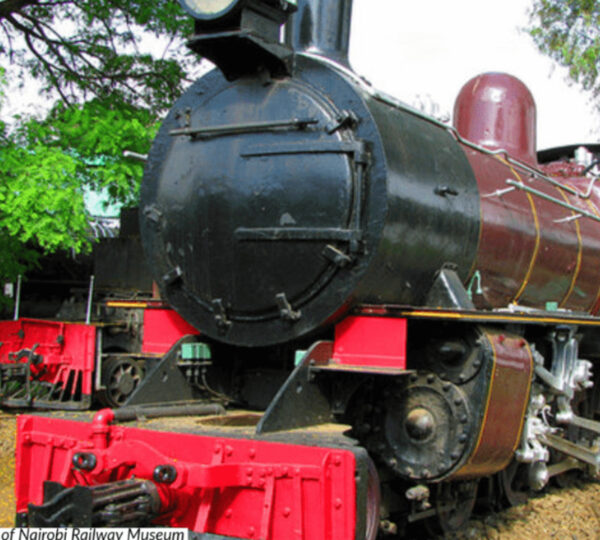
The yard is the highlight. It holds more than ten preserved steam and diesel locomotives, including rare engines from the East African Railways era and a giant Garratt locomotive named Karamoja. You can walk around the engines, step up to some of the cabs where allowed and see how the machines changed over time. The collection began as a personal project by a former railway engineer who gathered locomotives and memorabilia from Kenya, Uganda and Tanzania, and the museum opened in 1971 under East African Railways and Harbours.
Steam Trains and Special Excursions
Some of the engines are reported to remain operational, and the museum is connected by track to the main Nairobi station. Occasionally, steam trains are used for special tourist excursions from Nairobi to places such as Naivasha and Konza, though these are infrequent and depend on bookings and availability.
Nairobi Railway Museum
If you are a rail enthusiast, ask the museum or Kenya Railways whether any excursions are planned for your dates. Some sources also mention a miniature railway for children and families, which can add a fun element for younger visitors, but confirm availability before you go.
Entry Fees
Most recent sources put the entry fee at about KES 200 for Kenyan citizens, KES 400 for Kenya residents and KES 600 for non-resident adults, with lower child rates, around KES 100 for children and students in some listings. Older listings show non-resident adults paying US$6 to US$10 and children US$1 to US$2, which reflects the exchange rate and earlier tariffs.
Payment is cashless, usually through M-Pesa, eCitizen or a card, and a small service fee of around KES 50 has been reported. Remember to collect a visitor pass from security before going to the ticket counter. Bring a phone with mobile money or a card, since cash may not be accepted.
| Visitor Category | Approximate Adult Fee | Approximate Child Fee |
| Kenyan citizen | KES 200 | KES 100 |
| Kenya resident | KES 400-500 | KES 100 |
| Non-resident | KES 600 (older: US$6-10) | About KES 100 or US$1-2 (older) |
Opening Hours
Sources agree that the museum is open daily, including weekends and public holidays, but give slightly different times. The usual window is 8am to 5pm, with some listings giving 8:30am to 5:30pm. Allow one to two hours for a visit, though keen enthusiasts spend up to three. Mornings are quieter and cooler, and the light is good for photographs in the early morning and late afternoon.
Getting There
The museum is on Station Road, adjacent to the Nairobi Railway Station in the central business district, about ten minutes from the city centre. An alternative route that avoids the chaotic matatu area at the station is via Workshop Road from Haile Selassie Avenue, which leads to Station Road. The area around the station can be busy and congested, so if you are not familiar with Nairobi, take a taxi or ride-hailing car and ask the driver to wait or return for you.
From Nairobi National Park or Karen, the drive takes about 30 to 60 minutes depending on traffic. If you arrive by the Standard Gauge Railway at the Syokimau terminus, plan a taxi to the museum, since the SGR does not stop in the central station.
Where to Stay
Nairobi offers hotels at every level. Staying in the central business district puts you close to the museum, while Westlands, Karen and Gigiri have quieter settings and more restaurants. If you are connecting between safaris, choose a hotel close to the airport or the route you will use the next day. Book ahead in peak seasons, and ask your hotel to arrange a taxi for the museum.
Best Time to Go
The museum can be visited any day. The drier months, January to March and June to October, are best for walking around the open yard, while the rainy seasons, March to May and November, can make the yard muddy and some exhibits less comfortable. Go in the morning for cooler temperatures and quieter conditions, and avoid the busiest days if you can.
The Museum and the Modern Railway
The museum is a good companion to a ride on the modern Standard Gauge Railway between Nairobi and Mombasa. The new line follows a similar route to the old Lunatic Express, which makes it a striking way to see how far the railway has come, and the museum’s locomotives and photographs add context to the journey.
If you plan to take the train, visit the museum first, so that you recognise the places mentioned in the exhibits when you pass them. Tsavo, where the man-eaters story took place, lies on the route, and knowing the story changes how you see the landscape.
Photography at the Museum
The yard is a photographer’s playground. The locomotives are large and weathered, and the light is best in the early morning and late afternoon. Wide lenses capture the scale of the engines, while details such as plates, wheels and valve gear make good close-ups. Ask staff before climbing onto any engine, and respect any areas that are closed.
Frequently Asked Questions
What is the Nairobi Railway Museum?
A museum beside the Nairobi Railway Station that preserves steam and diesel locomotives and tells the story of the Kenya-Uganda Railway, known as the Lunatic Express.
How much is entry?
Recent sources give about KES 200 for citizens, KES 400 for residents and KES 600 for non-resident adults. Older pages show US$6 to US$10. Confirm the current fee.
Can I see the Tsavo man-eaters exhibit?
Yes. The museum has a first-class coach linked to the Tsavo man-eaters story and a display that includes claws said to come from one of the lions.
How long does a visit take?
One to two hours for most visitors, though enthusiasts can spend up to three.
Can I pay in cash?
Payment is reported as cashless, through M-Pesa, eCitizen or card, with a small service fee in some listings.