Nairobi Railway Museum
October 30, 2026
10 Best Hiking Trails in Kenya
October 30, 2026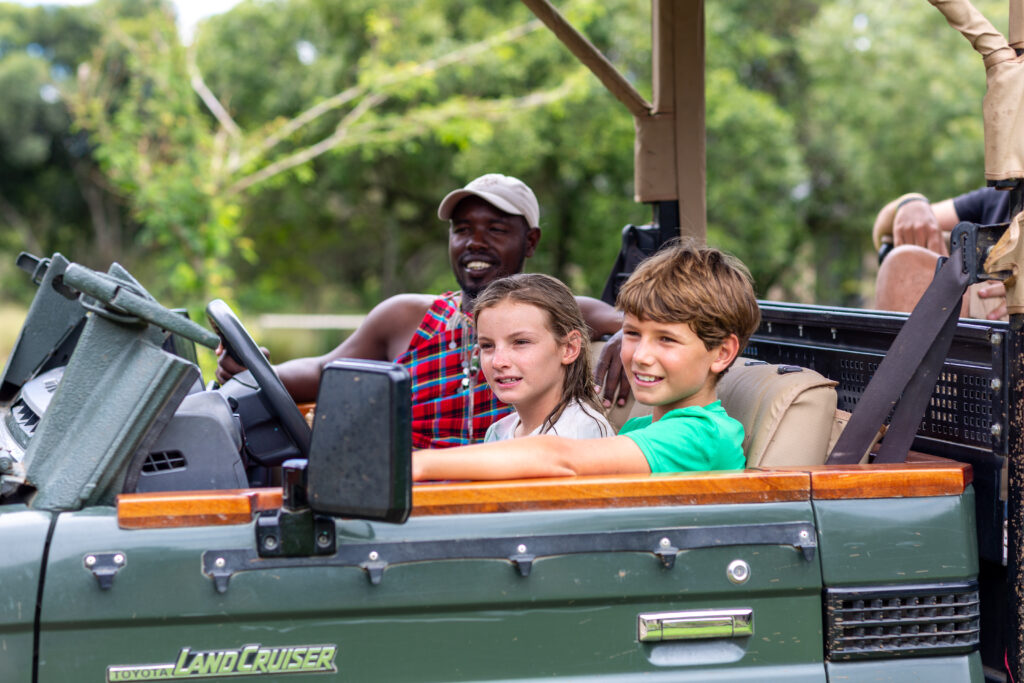
Guide to Kenya Family Safari Activities
A Kenya family safari works when the plan fits the youngest child. Kenya is one of the easier places to get that right: the parks are close enough to Nairobi that no single drive has to be punishing, lodges increasingly offer family rooms, pools and children’s programmes, and there are activities that suit a six-year-old as well as a sixteen-year-old. It is also a place where the wrong plan is easy to make, because many of the best camps set minimum ages and many activities have their own age limits.
This guide covers which parks suit which ages, what children can do on game drives and beyond, how age limits work for walking safaris and balloon flights, where to stay, what a family trip costs and how to sequence it. It also covers getting there and the best time to go, so you can match the trip to your children rather than the other way round.
Is Kenya the Right Place for a Family Safari?
For most families, yes. Kenya has a long safari tradition, reliable infrastructure, short flights and road transfers between the main parks and a wide range of lodges that welcome children. Wildlife is easy to see, which matters when children have limited patience: open savannah in Amboseli and the Mara means animals are visible without long searches, and Lake Nakuru’s compact loop roads keep drives short.
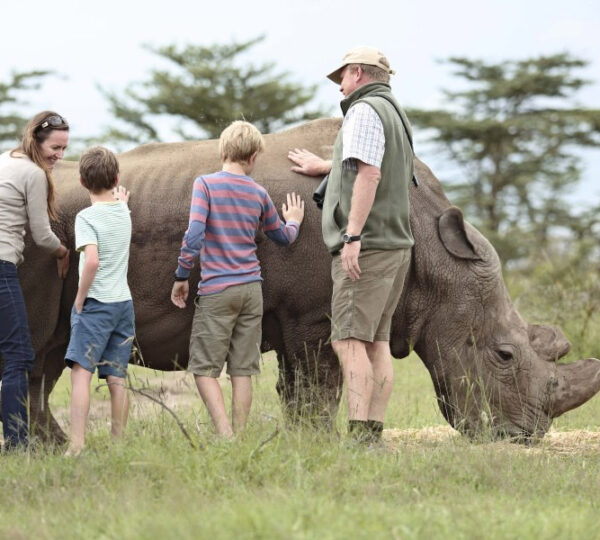
Ol pejeta conservancy
Kenya is a weaker fit if you have toddlers and want a fully flexible trip. Many tented camps decline children under about five or six, and several of the best conservancies set minimum ages of seven or eight for game drives. That does not rule out a family safari, but it means choosing lodges carefully and, for the youngest children, favouring fenced lodges with pools and shorter drives over remote camps.
What Age Is Right?
A useful way to plan is by age band. Children under four are best served by a Nairobi-based trip with day activities, a lodge with a pool and an easy first park such as Lake Nakuru or Ol Pejeta. Children from about five to seven can handle half-day drives in a private vehicle and enjoy lodges that cater to families. From about eight upwards, most camps and activities open up, and from twelve or so children are treated almost like adults, including access to walking safaris at some properties.
Typical activity limits are worth knowing in advance. Walking safaris usually start at 12 to 16 years. Hot-air balloon flights usually start at 7 or 8. Many luxury tented camps in the Mara and Amboseli set their minimum age at 6 or 7, while some family lodges have no minimum at all. A private vehicle makes a large difference, since it lets you leave a drive early, stop for snacks and bring a younger child back for a nap.
| Child Age | What Works Well | What to Expect |
| 0-4 | Pool lodges, family rooms, short drives | Many tented camps decline under-5s; naps limit drive length |
| 5-7 | Family lodges, private vehicle, half-day drives | Most camps accept 5+ in family units |
| 8-11 | Balloon flights (7-8+), conservancy drives, cultural visits | Longer drives, more activities, more camps open up |
| 12+ | Walking safaris, most camps, full-day drives | Treated close to adults on activity access |
Best Parks for Families
Amboseli National Park is often called the best single park for younger children. Elephants are easy to see, the terrain is flat and open, and Mount Kilimanjaro gives a memorable backdrop on clear mornings. It is also usually less crowded than the Maasai Mara, which gives children more space to take it in. Drives from lodges are short, and many have pools and fenced grounds.
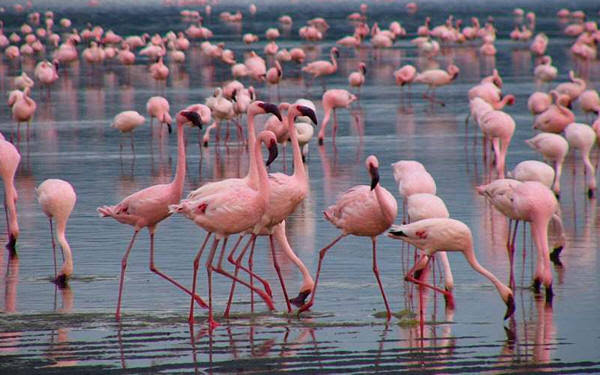
Lake Nakuru National Park is compact and around 2.5 hours from Nairobi, with flamingos, rhinos and loop roads that keep drives short. Ol Pejeta Conservancy, about 3.5 hours from Nairobi, adds a chimpanzee sanctuary, a rhino sanctuary and conservation activities, and is often recommended for children aged six and over. The Maasai Mara is the most dramatic, and the Big Five and migration seasons make it a highlight, but drives are longer and some camps set higher minimum ages. Lake Naivasha and Samburu are good additions for variety.
Activities That Work for Children
Game drives are the core, and they work best when kept to a manageable length. Early-morning and late-afternoon drives are the most productive for wildlife, and a midday break at the lodge keeps younger children rested. Ask your guide to focus on what interests your children, whether that is baby elephants, big cats or birds, and to leave room for stops.
Beyond drives, several activities are especially good for families. In Nairobi, the Giraffe Centre lets children feed Rothschild’s giraffes, and the Sheldrick elephant orphanage lets them see baby elephants. At Ol Pejeta, children can visit the chimpanzee sanctuary and meet a blind rhino. Lodges in Amboseli and the Mara often run nature talks, tracking sessions and children’s programmes, and cultural visits to Maasai villages add context for older children. Hot-air balloon flights over the Mara are a highlight for children of seven or eight and up.
Walking Safaris and Balloon Flights: Age Limits
Age limits exist for safety. Walking safaris put you close to wildlife on foot, so guides generally require children to be at least 12 to 16, and some conservancies run modified family walks that focus on birds, tracks and plants. If you want a walk with younger children, ask specifically, since options vary by property.
Balloon flights depart before dawn and last about an hour, followed by a champagne breakfast in the bush. Operators typically require a minimum age of seven or eight, partly for safety and partly because the early start and standing in a basket can be difficult for younger children. Balloon flights are an add-on rather than part of most packages, so ask about price and age rules at the time of booking.
Where to Stay With Children
Choose accommodation that fits your children’s ages. For younger children, look for lodges with solid walls or fences, connecting rooms, a pool and flexible meal times. For older children, tented camps with a family tent and a child-focused guide can be more memorable.
Examples frequently recommended for families include Amboseli Serena Safari Lodge and Ol Tukai Lodge in Amboseli, Sweetwaters Serena Camp at Ol Pejeta, Karen Blixen Camp in the Mara and Governors’ Camp, which sets a minimum age of eight for some activities but makes arrangements for younger children.
Always confirm the minimum age and child rate when you book. Child rates often apply under twelve or sixteen, and some lodges offer family suites or interconnecting rooms. Ask about babysitting, kids’ menus and any restrictions on game drives, since policies vary and sometimes depend on whether you have a private vehicle.
Costs for a Family Safari
A mid-range seven-day Kenya family safari for a family of four is commonly quoted at about US$6,000 to US$10,000, depending on the lodges, season and vehicle. Short family trips of five or six days are cheaper but cover fewer parks. Peak season, July to October, carries higher rates, while the green seasons offer lower prices and fewer vehicles.
Remember to budget for park fees, child supplements, optional activities such as balloon flights, the Kenya eTA, flights and tips. A private vehicle costs more but is often worth it for a family, since it gives you control over timing and pace.

Kenya Family Safaris
Getting There
Jomo Kenyatta International Airport in Nairobi is the entry point. Many family trips begin with a night or two in Nairobi, which helps adjust to jet lag. Road transfers to Lake Nakuru take about 2.5 hours, to Ol Pejeta about 3.5 hours, to Amboseli about four to five hours and to the Maasai Mara about five to six hours, though a scheduled or charter flight to the Mara is often an easier choice with children. Check the Kenya eTA requirement and apply online well before departure.
Best Time to Go
The dry seasons, June to October and January to February, offer the easiest wildlife viewing and the most comfortable roads. July to October is peak migration season in the Mara, with high demand and higher prices. The green seasons, March to May and November to December, have fewer visitors and lower prices, but rain can make roads muddy and some activities less predictable. School holidays are busy, so book at least six months ahead for peak periods.