Aberdares National Park Fees
November 14, 2026
Birding in Lake Nakuru National Park
November 14, 2026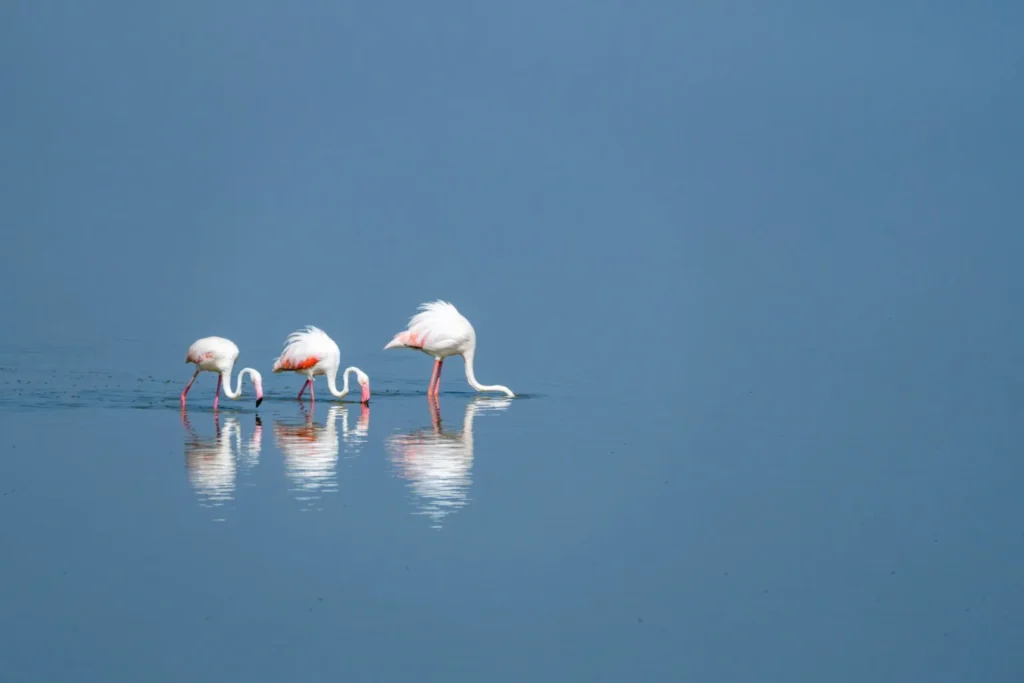
Birding in Amboseli National Park
Birding in Amboseli National Park; Most people come to Amboseli for the elephants and the mountain. Birders come for something else: a compact park where swamp, dry lake bed, open plain, acacia woodland and rocky scrub sit within a short drive of each other, and where more than 400 bird species have been recorded.
That mix is why a three- or four-night stay with a guide who knows the swamp edges can return a list of 100 to 150 species, a strong count for a park of only about 392 square kilometers.
This guide covers what makes Amboseli special for birds, the habitats and hotspots, the species to look for, when to go, what a birding trip costs, how to get there and where to stay. It is written for travellers who want to add serious birding to a classic Kenya safari rather than plan a specialist tour.
Is Amboseli Good for Birdwatching?
Yes. Amboseli is recognized as an Important Bird Area, and its bird list is long for its size. Species counts vary by source, from about 400 in most accounts to figures above 420 and, in one checklist, 488, which reflects how lists change with updates and which records are included. What is consistent is the range: waterbirds, raptors, ground birds, woodland species and migrants all appear.
It is an easier park for birders than most, because the open terrain makes birds visible and the habitats are close together. It also lets you combine birding with the big mammals, so a family or mixed group can enjoy different things on the same drive. If you are a specialist who wants rare forest endemics, other Kenyan sites will serve better, but for savannah and wetland birds, Amboseli is hard to beat.
The Habitats That Create the List
Five main habitats explain the diversity. The permanent swamps, fed by snowmelt from Kilimanjaro filtering through volcanic rock, hold water all year and attract herons, storks, egrets, ibises, spoonbills, kingfishers and crakes. The seasonal Lake Amboseli, a dry lake bed that floods after heavy rains, becomes a magnet for flamingos, pelicans, stilts and avocets when water is present. The open savannah and grassland suit ostriches, bustards, secretary birds, larks and plovers.
Acacia woodland supports hornbills, cuckoos, weavers, go-away birds and small insect eaters, while rocky and bushy areas, such as around Observation Hill, hold their own set of species. Dry, arid parts of the park have fewer birds than the wetlands, so a good plan spends most time near water and shifts to the plains in the cooler hours.
Species to Look For
Waterbirds are the strongest group. Look for lesser and greater flamingos, white pelicans, hamerkop, African jacana, goliath heron, rufous-bellied heron, African spoonbill, sacred ibis, crowned cranes, knob-billed duck, Egyptian goose, spur-winged goose and the African swamphen. In the swamps, kingfishers such as the malachite and striped kingfisher perch on reeds and branches, and crakes and rails skulk in the vegetation.
On the plains, the kori bustard, the heaviest flying bird, is often seen walking in pairs, alongside Hartlaub’s bustard, black-bellied bustard, the secretary bird, the ostrich, Kittlitz’s plover, the crowned lapwing, the long-toed lapwing, spike-heeled lark and the yellow-necked spurfowl. Raptors number more than 40 species, and 47 are cited in some accounts, including lanner falcon, Dickson’s kestrel, African goshawk, common buzzard and vultures such as the lappet-faced vulture. The Taveta golden weaver, a near-endemic species found in a limited range, is a prized sighting, and Von der Decken’s hornbill, rufous chatterer and bare-faced go-away bird are regular woodland birds.
Best Birding Spots Inside the Park
The Ol Okenya swamp and the other permanent swamps are the core of a birding day. Animals and birds gather here, particularly in the dry season, and the elevated views from tracks and the observation point give long scans over reeds and open water. Lake Amboseli is the seasonal highlight when flooded, with flamingos massing on the shallow water and pelicans, stilts and avocets feeding around the edges.
Observation Hill and its surrounds are good for plains birds and raptors, particularly in the late afternoon, and the acacia woodlands near the lodges hold woodland species and are easy to bird on foot where lodge rules allow. Lodge grounds can be surprisingly productive, with weavers, sunbirds, hornbills and starlings feeding around gardens and waterholes, so keep binoculars at hand at breakfast.
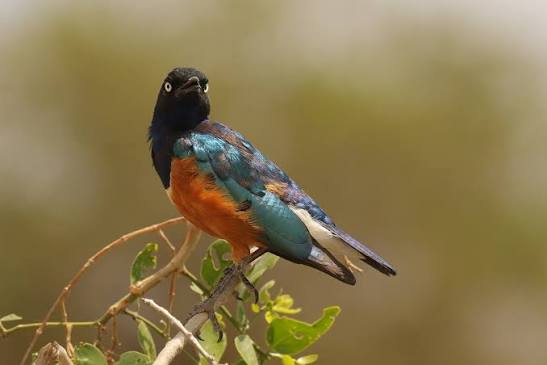
Birding in Amboseli National Park
Best Time for Birding
Amboseli can be birded all year because resident species are present in every season. The wetter months, roughly March to May and October to November, bring abundant food, lush vegetation and activity, and November to April is the main window for migrants arriving from Europe and Asia, boosting the list. Operators often describe November to April as the best period for birding, while the dry season, June to October, is better for mammals.
If you can choose, aim for November to April for the biggest list and fresh plumage, accepting that tracks may be muddier and Kilimanjaro cloudier. If you prefer clear mountain views, the dry months give better visibility, but fewer migrants and fewer birds around the shrinking water. Early mornings are best in every season, when birds are active and the mountain is more often visible.
How Long to Stay
A single day gives a taste, but birding needs time. Operators suggest a minimum of three days to explore the main habitats properly, and a stay of three to four nights with a knowledgeable guide typically returns 100 to 150 species. A longer stay lets you revisit the swamps at different times of day, watch for seasonal changes and spend time on lesser-known tracks.
If you are combining Amboseli with other parks, two nights is a workable minimum for birders, with early-morning and late-afternoon drives and a midday break.
Costs and Park Fees
Park entry is charged per person per day through the Kenya Wildlife Service, with non-resident adults paying a flat fee that one 2026 guide gives as US$90. A vehicle fee applies, and lodge or camp rates are separate. Most safari packages include entry, so compare what is included before you book.
A specialist birding guide adds to the cost but improves the result significantly, since they identify birds by call and know where to look. If you are on a standard safari, ask your driver-guide to slow down at water and to stop for birds you point out, and bring your own binoculars and field guide.
Getting There
Amboseli lies in Kajiado County near the Tanzanian border, about 240 kilometres from Nairobi, a drive of four to five hours by road, or a short flight from Wilson Airport to the park’s airstrips. Main gates include Meshanani and Kimana, and your lodge will advise on the best route. The road from Nairobi is largely tarmac, followed by a rougher section into the park.
Where to Stay
Choose a lodge with access to swamps and good grounds for birding. Options include Amboseli Serena Safari Lodge, Ol Tukai Lodge, Tortilis Camp and a range of mid-range and budget lodges and campsites around the park boundary. Ask your lodge whether they offer early-morning departures, birding guides and packed breakfasts, and whether they allow guided walks in their grounds.
Tips for a Better Birding Safari
- Bring binoculars of at least 8×42 and a Kenya or East Africa bird guide.
- Ask your driver to stop and turn off the engine when you spot birds.
- Go early for light and activity, and rest in the heat of the day.
- Use a notebook or app to track species and record the habitat.
- Respect park rules and keep to tracks, since off-road driving is not permitted.
Photographing Birds in Amboseli
The open terrain and the habit of elephants and cattle egrets sharing the same space make Amboseli a good place for bird photography. A lens of 300mm or more helps with small and distant birds, and a bean bag on the vehicle window gives stability. Shoot in the early morning and late afternoon, when the light is soft and the dust is lower.
Watch the background. Kilimanjaro often forms the backdrop for photographs of birds in the swamps, but cloud can hide it, so be flexible. Respect your guide’s advice about distance and never force a bird to fly, and give other vehicles space so that everyone has a chance to see.
Combining Amboseli With Other Birding Stops
Amboseli fits neatly into a Kenyan birding circuit. A common route begins in Nairobi, moves to Lake Naivasha and Lake Nakuru for waterbirds and the Rift Valley, continues to the Maasai Mara for raptors and marsh species and ends at Amboseli for swamp and plains birds. Each stop adds a different habitat and a different set of species.
If you have limited time, pair Amboseli with Tsavo West, which shares the same dry-country birds and adds springs and woodland. Whichever combination you choose, allow at least two nights in each park so that you can bird in the best hours of the day.
Frequently Asked Questions
How many bird species are in Amboseli?
More than 400 species in most accounts, with some lists giving higher totals. A three to four night stay with a good guide typically returns 100 to 150.
What is the best time for birding in Amboseli?
November to April, when migrants arrive and the wet season brings abundant food, though resident birds are present year-round.
Which birds are special to Amboseli?
Kori bustard, flamingos and pelicans on the seasonal lake, Hartlaub’s bustard, long-toed lapwing and the near-endemic Taveta golden weaver.
How many days do I need?
At least three days to explore the main habitats properly, though two nights works as a minimum.
Can I go birding without a specialist guide?
Yes, but a guide who knows calls and swamp edges will increase your list considerably.