Best Activities to do in Mabira Forest
November 14, 2026
Best Birding Destinations in Uganda
November 14, 2026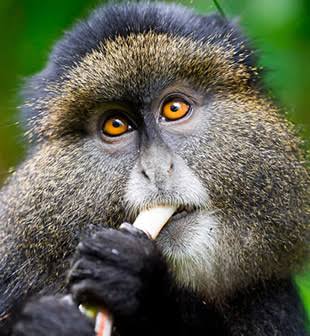
Best Activities in Volcanoes National Park Rwanda
This guide covers best Activities in Volcanoes National Park Rwanda including gorilla trekking, golden monkeys, the Dian Fossey hike, Mount Bisoke, Mount Karisimbi, the Musanze caves, the cultural village, the Twin Lakes and birding, and then turns the ranking into plans for one, two, three and four days. It also covers getting there, where to stay and the best time to go, and it flags the points on which current sources disagree.
The ranking reflects the typical visitor, not the extremes. A serious hiker might put Karisimbi at the top, and a family with young children might drop the volcanoes entirely. Use the order as a starting point.
| Rank | Activity | Permit (2026) | Effort | Best For |
| 1 | Gorilla trekking | US$1,500 | Moderate to hard, 1 to 4 hours of trekking | Everyone, the reason to come |
| 2 | Golden monkey tracking | About US$100 | Easy to moderate, half a day | Photographers, families, value |
| 3 | Dian Fossey tomb hike | About US$75 | Moderate, 2 to 3 hours up | History and conservation lovers |
| 4 | Mount Bisoke crater lake | About US$75 | Hard, 5 to 6 hours return | Active hikers |
| 5 | Cultural village visit | Modest fee | Easy, 1 to 2 hours | Rest days and community support |
| 6 | Musanze caves | About US$40 | Easy, 1 to 2 hours | Wet-weather option |
| 7 | Twin Lakes | Boat trip fee | Easy | Scenery and a quiet half day |
| 8 | Mount Karisimbi summit | About US$100 to US$400, plus equipment | Very hard, 2 days | Experienced trekkers only |
1. Gorilla Trekking
The permit costs US$1,500 per person in 2026, issued by the Rwanda Development Board, with groups limited to eight visitors per gorilla family and one hour with the gorillas once you find them. Several sources cite about 12 habituated families and about 98 permits a day, so permits often sell out. Trek times in Volcanoes are usually shorter than in Bwindi, ranging from about one to four hours, which is one reason travellers choose Rwanda for a short trip.
Nothing else in the park comes close in impact, so build the rest of your plan around the trek. Book permits months ahead, and aim to do the trek on your first full day, when you are fresh.
2. Golden Monkey Tracking
Golden monkeys are endemic to the Virunga volcanoes and live in the bamboo zone at lower altitude, and tracking them costs about US$100. The briefing starts at about 7:30am at the park headquarters, and the trek is usually shorter and easier than gorilla trekking, often finishing around midday. The animals are active, noisy and often close, which makes them easier to photograph than gorillas.
This is the best value in the park. If you can only add one extra, add this one. It suits families with older children and people who want a lighter second morning after the gorillas.
3. The Dian Fossey Tomb Hike
The hike to the tomb and the original Karisoke Research Centre costs about US$75 and takes two to three hours up through forest to about 3,000 metres. The gravesite lies beside the graves of gorillas she knew, including her favourite, Digit. Along the way you may see golden monkeys, forest buffalo and birds, and sometimes gorillas.
It rewards people who care about the history of gorilla conservation. It is steeper and muddier than it sounds, so wear boots and bring a rain jacket. If you have limited time, choose golden monkeys instead, which are easier and more joyful.
4. Mount Bisoke Crater Lake
Bisoke, at about 3,711 metres, is the most popular volcano hike. It is a full day of five to six hours return, with a crater lake at the summit and often fog rather than snow. The permit is about US$75. One source gives the lake’s altitude as 2,620 metres, which is probably a different measurement, so rely on the summit height.
The climb is steep and can be muddy, and weather can change quickly. It suits active hikers who want to see the Virunga landscape from above, and it is a good use of a third or fourth day. If your knees or lungs are not up to it, the Twin Lakes offer a calmer alternative.
5 to 7. Culture, Caves and Lakes
The Gorilla Guardians cultural village, formerly Iby’Iwacu, offers dance, traditional homesteads and community stories, and it supports local conservation. Sources describe it in different ways, and some link it to Batwa heritage, so ask your operator who runs it and how the money is used. A visit takes one to two hours and is a good rest-day option.
The Musanze caves, at about US$40, are lava tunnels formed by ancient eruptions and make an easy wet-weather activity. The Twin Lakes of Burera and Ruhondo, a short drive below the park, offer boat trips, kayaking and photography in one of Rwanda’s most beautiful landscapes, and many itineraries add a local coffee or tea cooperative visit.
8. Mount Karisimbi:
Karisimbi is Rwanda’s highest peak, at 4,507 metres, on the border with the Democratic Republic of Congo. The climb takes two days with an overnight camp, and it demands good fitness and acclimatisation. A recent park-focused site lists the summit at US$400, while older pages give about US$100 plus the cost of camping equipment and guides, so check the current price.
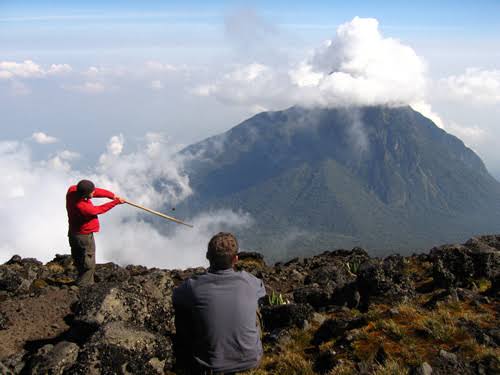
Mount Karisimbi
Leave it unless you are an experienced trekker or you have deliberately planned a trip around it. The summit is a big commitment, and the gorillas and golden monkeys deliver more per dollar and per hour.
Birding:
More than 200 bird species have been recorded in the park, and the forest and bamboo zones give you a chance to see Albertine Rift species and Virunga specialities. You do not need a separate permit for casual birding on the trek routes, but a dedicated bird walk with a guide adds species you would otherwise miss. Bring binoculars and a field guide.
Plans for One to Four Days
Always leave a rest day or a light activity after hiking a volcano, and keep the gorilla trek on a day when you are not exhausted. If you are combining Volcanoes with Akagera and Nyungwe, you may skip the volcano hikes altogether.
| Days | Plan | Approximate Permits (2026) |
| 1 day from Kigali | Gorilla trek only, with an early transfer | US$1,500 plus transport, with some one-day packages quoted from about US$1,800 |
| 2 days | Gorillas on day one, golden monkeys on day two | About US$1,600 |
| 3 days | Gorillas, golden monkeys and the Dian Fossey hike or a cultural village | About US$1,675 |
| 4 days | Add Bisoke or the Twin Lakes and caves for a rest day | About US$1,750 or more |
Getting There
The park is about 105 kilometres from Kigali near Musanze, roughly two to three hours by road on good tarmac. Most visitors take a private transfer, and a one-day trek from Kigali is feasible with an early start. Allow time for the briefing at the park headquarters and for the drive back in the afternoon. Many travellers also reach the park from Uganda’s Mgahinga national park or Bwindi via the Cyanika border.
Where to Stay
Lodges around Musanze and Kinigi range from budget guesthouses to luxury properties. Hotel Muhabura in Musanze is among the more affordable options, mid-range lodges fill the middle and flagship lodges such as Bisate, Singita Kwitonda and Sabyinyo Silverback sit at the top of the market. Pick a lodge close to the park headquarters to reduce the early-morning transfer, and book early in peak season.
Best Time to Go
The long dry season, June to September, and the shorter dry period in December and January are best, with firmer trails and safer volcano routes. The wetter months, March to May and October to November, bring mud and rain but also lower rates and, from November to May, a reduced gorilla permit price for qualifying multi-park itineraries. Bring waterproofs whatever the season.
Weather and Gear for the Volcano Hikes
Bisoke and Karisimbi are colder and wetter than most visitors expect, and weather can change within an hour. Wear layers, with a waterproof shell, warm hat and gloves, and carry a spare dry top in a plastic bag. Boots should be waterproof and well broken in, and gaiters help in mud and nettles.
Start early, carry more water than you think you need and eat regularly. Tell your guide if you feel altitude symptoms such as headache or nausea, and accept an early turn-back if conditions worsen. The summit will be there another day, and the safest hikers are the ones who listen to the mountain.