Best Places to See the Shoebill Stork in Uganda
November 14, 2026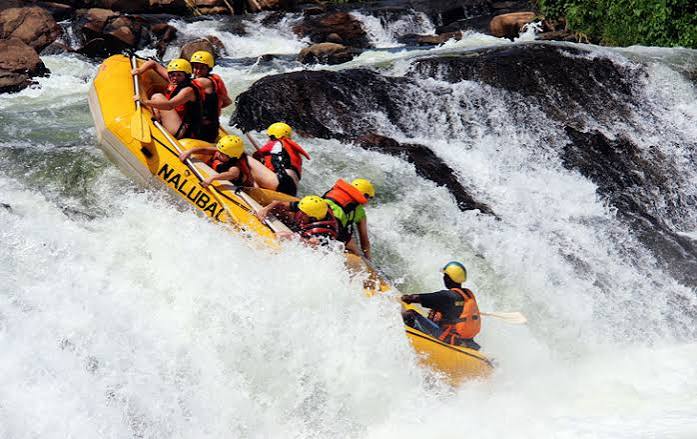
White Water Rafting in Jinja
White Water Rafting in Jinja; Rafting on the Nile is one of the most accessible big-water experiences in the world, and a little knowledge makes it better.
The guide runs through the day in order, gives a safety checklist, sets out costs and flags the conflicts you will meet when you read other pages. It also covers getting there, where to stay and when to go.
The River as It Is Now: What the Dams Changed
The Nile at Jinja is a regulated river. The Bujagali dam submerged the original Bujagali Falls in November 2011, and some of the most famous Grade 5 rapids, including Namizi and Kyabirwa, were lost. The Isimba dam, which began operating around 2019, shifted things further downstream, and trips now typically start near an area called Hair of the Dog. From there, rafters still tackle real Grade 3 to Grade 5 rapids, and Itanda Falls remains a genuine, undammed waterfall.
The practical result is that the old stories about Bujagali are out of date, but the rafting is still world class. A full-day trip runs over roughly 19 to 31 kilometres depending on the operator and route, with eight to ten major rapids, and the camps now sit on the lake formed by the Bujagali dam, which is described as safe for swimming.
A Full-Day Trip, Hour by Hour
The pace varies by operator, but the structure is the same: a briefing, a gentle start, a run of big rapids, a lunch break and a finale. A full-day trip takes six to eight hours including the safety talk and breaks, and three to four hours are spent on the water itself.
| Time | What Happens |
| 7:30 to 8:30 | Pick-up from Kampala, Entebbe or a Jinja hostel, or arrival at the rafting camp |
| 9:00 to 9:30 | Safety briefing, equipment fitting and a practice session on calm water: paddling, flipping and swimming drills |
| 9:30 to 11:30 | The first rapids, a run of easier water that builds confidence, with names such as Jaws and Pyramid on some routes |
| 11:30 to 1:00 | The first serious Grade 5 rapids, including Overtime, a rapid that offers serious white water and a chance of a waterfall drop while usually keeping you in the boat |
| 1:00 to 2:00 | Lunch on the riverbank, often with fresh fruit and a swim in calm water |
| 2:00 to 4:00 | The big finish: bigger rapids, including Itanda Falls, a vertical drop of about six meters, with the option to walk around the biggest drops |
| 4:00 onwards | Return to camp, a beer or soft drink, photos and video, and often a free night’s accommodation. |
Choosing Your Grade
If you are unsure, the Grade 5 full-day trip is more forgiving than its name suggests. Guides control the raft, you follow commands and the biggest rapids can be walked around. Choose the Grade 3 float if you are not comfortable swimming, have a medical concern or are travelling with children below the age limit.
| Trip | Distance and Rapids | Minimum Age | Best For |
| Grade 5 full day | About 19 to 31 km, 8 to 10 major rapids including four Grade 5 | About 14 to 16, commonly 15 | Fit adventurers and most first-timers who want the full experience |
| Half day | Fewer rapids, three to four hours on the water | As above | Visitors with limited time |
| Grade 3 family float | About 15 to 20 km of calmer water with playful Grade 3 rapids | About 6 to 8, varies by company | Families, nervous beginners and a gentler day |
| Extreme or big-day trips | Guaranteed high-water routes or multi-day expeditions | Adult | Experienced rafters |
The Rapids You Will Hear About
Silverback, Overtime, Itanda Falls and Hair of the Dog are the names most often mentioned for the main full-day section. Overtime is a fun Grade 5 rapid with the thrill of a waterfall drop and a good chance of staying in the boat, Itanda is the grand finale and the biggest drop, with multiple hydraulics, and Hair of the Dog marks the start of the main section on many trips. Some sources add rapids with colourful names, such as Nile Special or Vengeance, so ask your guide which ones you will run.
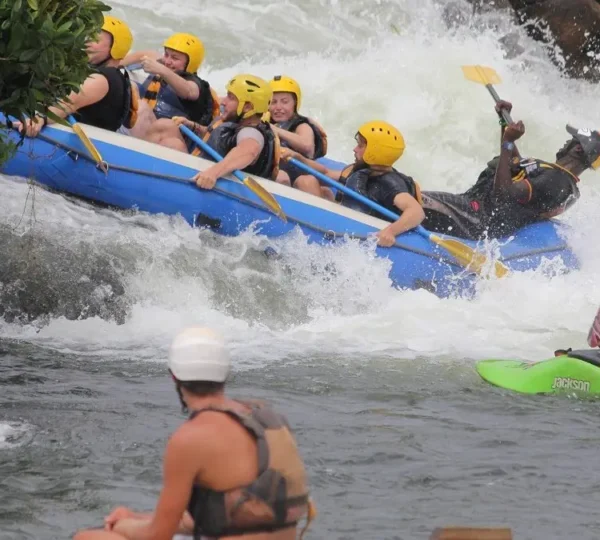
At the biggest drops, the lower portion may be graded lower than the top, so a raft may run part of a rapid and walk around the rest. You may also swim, which is a normal part of the day. Safety kayakers shadow the rafts to pick up swimmers.
A Safety Checklist Before You Book
Established operators such as Nalubale, Nile River Explorers and Adrift are the ones most often named, and several share the same stretch of river. Prices are very similar, so choose on safety culture, group size and camp facilities.
- Safety kayakers: two to three should accompany every trip, and the rafts should have rescue boats close by.
- Guides: ask about certification and experience, and whether the guide speaks clearly during the briefing.
- Equipment: helmets, life jackets and paddles should be modern and well maintained, with spare equipment on the river.
- Briefing: a proper practice session with flip and swim drills before the first rapid.
- Group size: smaller rafts and a good guide-to-guest ratio make for a safer, more enjoyable trip.
- Reviews and record: check recent reviews and avoid operators with no visible safety kayakers or a poor record.
- Medical: tell the operator about heart, back, shoulder or breathing issues, pregnancy or recent surgery.
Prices
Check what is included, especially transport from Kampala, lunch, drinks, photos and video and the free accommodation that many operators bundle. A cheaper trip that excludes these can end up costing more.
| Trip | Approximate Price Per Person |
| Full-day Grade 5 | About US$120 to US$165 (commonly US$140 to US$155) |
| Half-day | About US$80 to US$125 |
| Extreme | About US$140 to US$170 |
| Last-minute deals | From about US$130 where space allows |
What to Wear and Bring
- Swimwear or quick-dry shorts and a top, with a rash vest or lightweight shirt for sun protection.
- Secure sandals or old trainers, since the river bottom is rocky.
- A towel, a change of clothes and a waterproof bag for valuables.
- Sunscreen, a hat or cap with a strap and sunglasses with a strap.
- A little cash for tips for guides and safety kayakers.
Season: What the Sources Disagree About
Rafting runs year-round because the Nile is fed by Lake Victoria and regulated by dams. Beyond that, sources conflict on the details. Some say the dry months of June to September and December to February give bigger waves and the most powerful rapids, while others say higher flows come in March to May and October to November, with the drier months making rapids more technical but less violent.
Because the dams control release volumes, the safest advice is that conditions vary by day and operator, and that you should ask your guide about current water levels. The dry seasons are more comfortable for weather and camp life, and the green seasons bring fewer visitors and lower accommodation prices.
Getting There and Where to Stay
Jinja is about 80 kilometres from Kampala and a little over two hours by road, and the rafting camps sit around Bujagali, about eight kilometres from Jinja town. Most operators collect from Kampala or Entebbe, and minimum group sizes apply, such as two from Jinja or four from Kampala for some trips.
Stay at an operator’s riverside camp, many of which include two free nights with a full-day trip, or choose a lodge in Jinja town for a quieter evening. Rafting combines well with the Source of the Nile, bungee jumping, Mabira Forest and Sipi Falls.
After the Rafting: Looking After Your Body
Arms, shoulders and hands ache the next day, so plan an easy morning. Drink water, eat a proper meal and stretch gently. Wash cuts and scrapes carefully, and keep sunscreen on, since the river reflects strong light. If you took a hard knock, tell the operator and see a doctor if pain persists.
A gentle second day is a good idea: a short walk in Jinja, a boat trip to the Source of the Nile or a long lunch by the lake. Save the heavy activities such as bungee or quad biking for another day if you can.
Frequently Asked Questions
How hard is white water rafting in Jinja?
The full-day trip includes Grade 5 rapids but is run by trained guides, and most fit people can do it. A Grade 3 family float is gentler.
What is the minimum age?
Commonly 15, with some operators at 14 or 16, and family floats from about 6 to 8.
How much does it cost?
About US$120 to US$165 for a full day, with most operators at US$140 to US$155, including lunch and photos.
What happened to Bujagali Falls?
They were submerged in 2011 by the Bujagali dam, and the Isimba dam in 2019 moved the start of trips downstream.
Is it safe?
Established operators use safety kayakers, trained guides and modern equipment. Check the safety checklist and avoid operators without visible safety cover.