Kenya Attractions
September 20, 2026
How Much Does a Kenya Wildlife Safari Cost?
September 20, 2026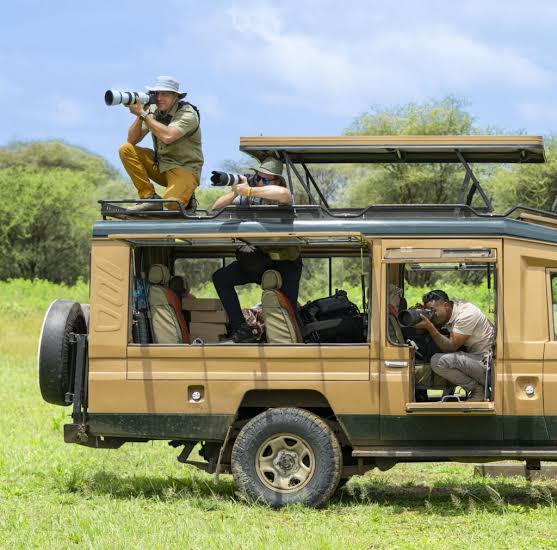
How Much Does a Tanzania Safari Cost?
When planning a Tanzania safari, every traveler brings their own budget. Some prioritize the most affordable option with basic accommodation; others are happy to spend more for extra comfort and a higher level of service.
Both approaches are entirely valid — Tanzania has private safaris built for every budget.
Below is a breakdown of what you can expect to pay at each tier, what’s typically included, and the factors that push the price up or down.
Quick Facts
| Budget Safari | Average $400-600 per person |
| Midrange Safari | Average $500-750 per person |
| Luxury Safari | Average $1,000-3,000 per person |
| Typical Group Size for These Prices | 2 to 10 people |
The Different Budget Packages for a Tanzania Safari
All tailored packages typically come with a private tour guide, a 4×4 Land Cruiser with pop-up roof, full-board meals, and accommodation matched to your chosen tier.
These prices generally assume a group size of 2 to 10 people. Solo travelers should expect noticeably higher costs, since you’ll be covering the cost of an entire vehicle and guide yourself rather than sharing it, and a single supplement often applies on top.
- Budget Safari (average $400-600 per person) — the most affordable tier, typically including overnight accommodation, game drives, a cultural visit, and full-board meals
- Midrange Safari (average $500-750 per person) — an upgrade from budget, with higher-standard accommodation, game drives, optional experiences, full-board meals, and transportation
- Luxury Safari (average $1,000-3,000 per person) — the premium tier, including luxurious accommodation, game drives, world-class experiences, elevated dining, and high-end service throughout
What’s Included in a Tanzania Safari Package
What’s covered varies by operator, so it’s worth checking carefully before booking. Here’s a typical breakdown of what a well-structured Tanzania safari package includes.
- Park fees — entry to Tanzania’s national parks on your chosen itinerary
- Driver-guide — a private 4×4 safari vehicle with an experienced driver-guide
- Accommodation — hotel, camp, guesthouse, or tented-camp-style lodging at each destination
- Meals — three meals a day as specified in the itinerary
- Transfers — transportation between safari destinations during your time in Tanzania
- Taxes and VAT — any applicable government taxes
- Water — unlimited drinking water in the vehicle throughout the trip
- Flights — chartered flights, where included in the itinerary
- Welcome drinks — a welcome drink on your first evening to mark the start of your safari
Types of Safari Activities and Their Costs
Specialized safari activities generally carry a higher price than a standard game drive, but they’re worth it if you have a specific interest. Here’s a rough breakdown of average costs by activity type — actual prices vary by park and operator.
- Wildlife trekking safaris (~$200 per person, per day) — hike and drive through the savannah, meet local communities, and track wildlife on foot with a guide or armed ranger
- Fly camping (~$400-500 per person, per day) — a private camp set up for the night in a national park, sleeping among the wildlife in a rustic or deluxe setting
- Photography safaris (~$200-500 per person, per day) — access to less-visited areas away from crowds, with dedicated time for photographing the Big Five
- Bird watching safaris (~$50 per person, per day) — a strong fit for Tanzania’s roughly 1,100 recorded bird species
- Hot air balloon safaris (~$400-700 per person, per day) — a sunrise flight over the plains for an aerial view of wildlife
- Canoe safaris (~$100-200 per person, per day) — paddle a national park’s calm waters for a different angle on wildlife viewing
High Season vs. Low Season Pricing
Season is one of the biggest factors in a Tanzania safari’s cost. High season brings the greatest demand, which pushes prices up. Some park fees rise seasonally too, though guide and game-drive rates generally stay flat.
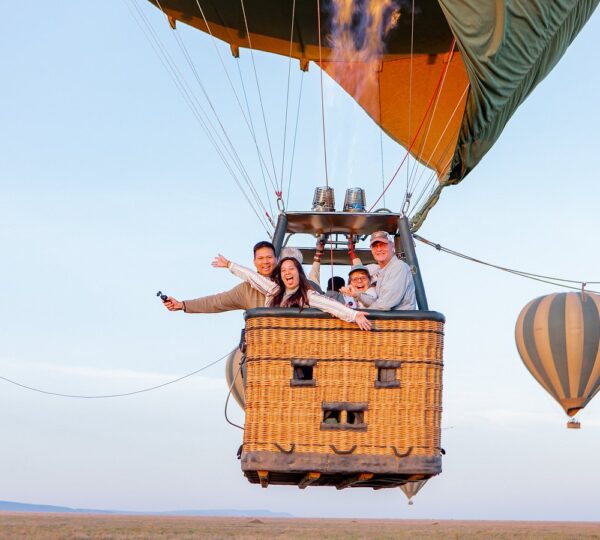
Hot air balloon in Serengeti
Accommodation is what really moves the needle. Camps, hotels, and lodges know demand spikes during high season and price accordingly. Travelers willing to visit during low season can often save 20-50%, since lodges aren’t operating at full capacity and are more open to negotiating rates.
What Else Affects the Cost of a Tanzania Safari
Time of Year
Tanzania’s weather is fairly predictable, with two main seasons. The dry season runs from June to October — the best time for game viewing thanks to minimal rainfall, warm and sunny conditions, and easier wildlife spotting. Because this is when most people travel, it’s also when prices peak.
The wet season runs November through May, with November and December typically drier than the months that follow. Rates during the wet season are consistently lower, making it a good option for travelers prioritizing value over guaranteed dry-season conditions.
Duration of the Safari
Cost scales fairly directly with the number of days on safari, since each additional day adds accommodation, park fees, meals, and vehicle time. Longer safaris also tend to bring a lower average daily rate, since fixed costs like flights and one-off park permits get spread across more days.
Type of Accommodation
Accommodation tier is usually the single biggest lever on total cost — a basic tented camp and an ultra-luxury lodge in the same park can differ by several hundred dollars per night, even though park fees and game drives cost the same either way.
Where You Choose to Stop
Some destinations cost more simply because they’re harder to reach. Remote parks that require a charter flight, or camps positioned deep inside a conservation area, generally carry a premium over more accessible, road-linked options.
Northern Circuit or Southern Circuit
Tanzania’s Northern Circuit — Serengeti, Ngorongoro, Tarangire, and Lake Manyara — is more developed and generally more affordable to reach, thanks to shorter drives and more frequent flights. The Southern Circuit — Ruaha, Selous/Nyerere, and Mahale — is more remote and typically relies on costlier charter flights, which pushes up the overall price despite fewer crowds.
Additional Costs to Budget For
Beyond the core package price, budget for international flights, visa fees, travel insurance, tips for your guide and camp staff, and any optional activities — hot air balloon flights, cultural visits, or extra game drives — not included in your base itinerary.
A Note on Tipping and Permits
Tipping isn’t included in most package prices and is worth budgeting for separately. A common guideline is $15-20 per day for your driver-guide, plus a smaller pooled amount for camp staff at each lodge, though this naturally varies with group size and length of stay.
If your Tanzania itinerary includes Ngorongoro Crater, note that a separate crater service fee applies on top of the standard conservation area fee — this is usually built into a reputable operator’s quoted price, but it’s worth confirming rather than assuming. Similarly, if your trip extends into Zanzibar, factor in the island’s own conservation and tourism levies, which aren’t part of a mainland safari quote.
Sample 7-Day Northern Circuit Cost Comparison
To put the tiers in concrete terms, here’s roughly what a 7-day Northern Circuit safari (Tarangire, Serengeti, and Ngorongoro Crater) for two people might cost at each tier, excluding international flights.
| Tier | Per Person, Per Day | 7-Day Total (2 People) |
| Budget | $400-600 | $5,600-8,400 |
| Midrange | $500-750 | $7,000-10,500 |
| Luxury | $1,000-3,000 | $14,000-42,000 |
Should You Add Zanzibar to Your Budget?
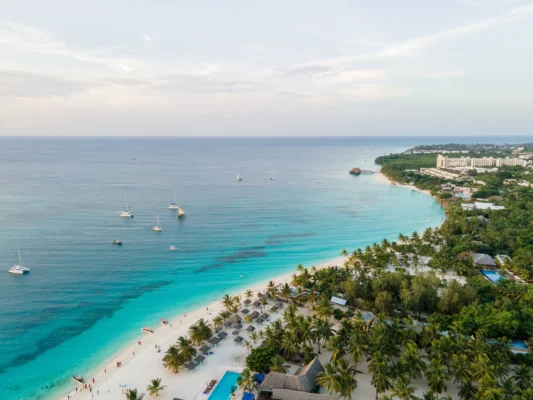
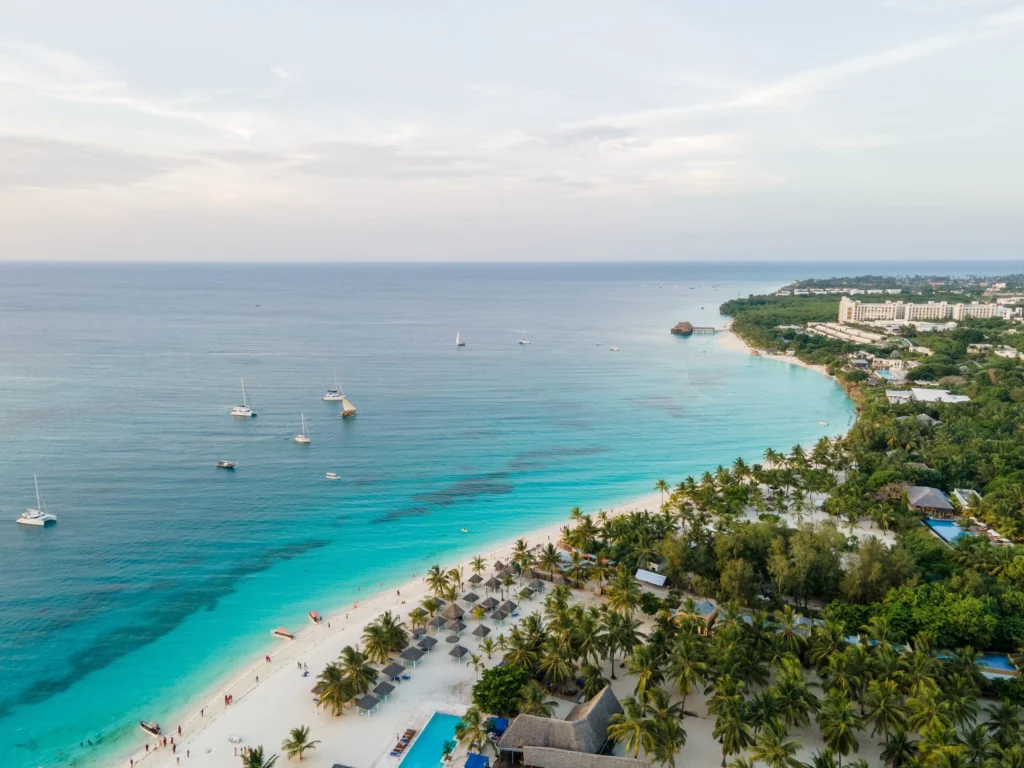
Many travelers combine a Northern Circuit safari with a few days in Zanzibar, and it’s worth budgeting for as a distinct cost rather than assuming it slots neatly into the same daily rate as the mainland safari.
Zanzibar accommodation is generally priced per room rather than per person on a full safari basis and ranges from budget beach guesthouses at $50-100 a night to five-star beachfront resorts well above $500 a night, plus a separate domestic flight from Arusha or Kilimanjaro to the island.