
Is It Safe to Travel to Kenya in 2026?
September 20, 2026
Where to Go in Zanzibar?
September 20, 2026
Ultimate Guide to Diani Beach Kenya
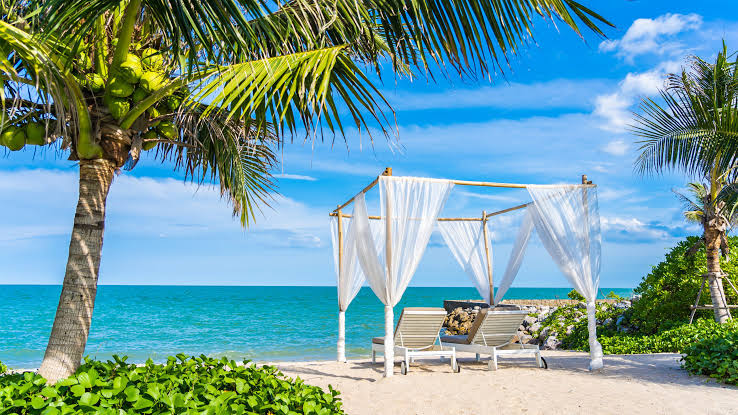
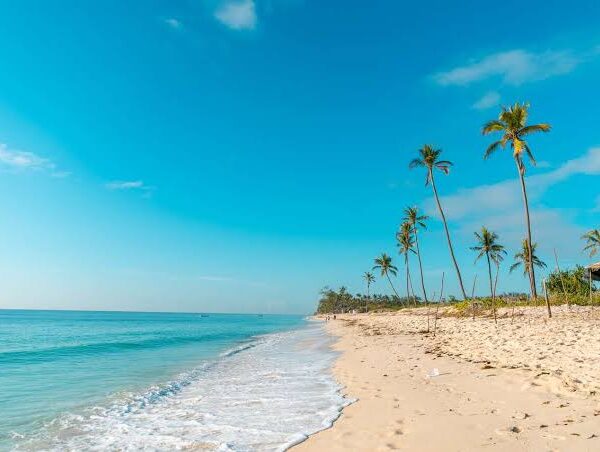
Diani Beach gets recommended a lot, and for good reason, but the reasons rarely get explained well. It is not just another white sand beach on a brochure. It is a 25 kilometre stretch of Kenya’s south coast with a coral reef running close to shore, a forest reserve behind it full of colobus monkeys, and enough range in accommodation and activity that it suits a honeymoon, a family holiday and a kitesurfing trip equally well, depending on which stretch of it you choose and when you go.
This guide covers where Diani sits, how to get there, when to go, what it costs at different comfort levels, and what fills the days once you arrive. It is written the way we would talk a guest through it before booking, with the trade offs included rather than glossed over, because the goal is a trip that matches what you actually want, not just a trip that looks good in photos.
Should You Add Diani to a Kenya Safari?
Most travellers reach Diani as the second half of a Kenya trip, after a safari in the Masai Mara or Amboseli, and this pairing works well for a practical reason: it gives your body and your camera roll a genuine change of pace. Safari mornings start early and days involve a lot of driving on rough roads. Diani is the opposite, slow mornings, warm water, and activities you can opt into or skip entirely.
It also suits travellers who want a beach stop without leaving Kenya, since Diani sits close to Mombasa and connects easily by short flight from Nairobi or directly from safari airstrips in some seasons.
For anyone weighing Diani against Zanzibar as a beach extension, the short version is that Diani offers a longer, less crowded reef edged coastline with strong diving and monkey conservation interest, while Zanzibar offers more variety of beach character across a wider island. Both are excellent. Diani tends to suit travellers staying inside Kenya or combining with a Kenya safari, while Zanzibar suits those already routing through Tanzania.
Where Diani Beach Is, and How to Get There
Diani sits on Kenya’s south coast, across the Likoni channel from Mombasa Island, and it stretches along roughly 25 kilometres of coastline protected by an offshore coral reef that keeps the water calm and shallow for a long way out.
That reef is one of the reasons Diani feels different from more exposed beach destinations, since it produces the wide, gentle lagoon that makes swimming easy for nearly the whole family.
The nearest airport is Ukunda, known locally as Diani Airstrip, which handles short scheduled flights from Nairobi’s Wilson Airport in around an hour, landing you within a fifteen to twenty minute drive of most hotels. Travellers arriving via Mombasa’s larger Moi International Airport have a longer transfer, roughly an hour to ninety minutes depending on traffic through Likoni, since the route involves either the ferry crossing or the newer Likoni floating bridge. For a straightforward arrival with the least hassle, flying into Ukunda directly is worth the modest extra cost.
When to Go: Reading Diani’s Seasons Correctly
Diani sits close enough to the equator that temperatures stay warm year round, generally between 26 and 32 degrees Celsius, so there is no genuinely bad time to visit from a temperature standpoint. What changes through the year is rainfall and, for some travellers, the wind, and getting this right matters more than people expect.
| Period | Conditions | Best For |
| January to March | Dry, hot, minimal rain | Swimming, snorkelling, diving, peak season crowds and rates |
| April to June | Long rains, frequent showers | Quiet beaches, lower rates, less ideal for diving visibility |
| July to October | Cooler, dry, lower humidity | Diving, deep sea fishing, comfortable outdoor days |
| November to December | Short rains, then clearing | Family holidays, festive season, generally reliable by mid December |
Diani Beach Kenya
The short version for planning purposes: January through March and July through October are the two dry windows and the safest bets for a first trip. April to June brings the long rains, which is not a reason to avoid Diani entirely, since showers tend to be short and heavy rather than constant, and hotel rates drop noticeably, but it is worth knowing before you book a honeymoon around it.
Kitesurfers should note that Diani’s wind is present through much of the year but is strongest and most consistent from roughly December through March and again from June through September, so it is worth confirming current wind conditions with a kite school directly if that is the main draw.
Accommodation Styles and Budget Tiers
Diani’s accommodation range is one of its real strengths, running from simple beach cottages through mid range family resorts to five star properties with full spa and conference facilities, often within a few hundred metres of each other. Knowing which tier fits your trip before you start browsing saves a lot of scrolling.
Budget and Mid Range
Independent beach cottages, guesthouses and smaller family run hotels sit mostly toward the quieter southern end of Diani and inland from the main beach road. These suit travellers prioritising value, longer stays, or a more local feel, and many include kitchenettes for guests who want some self catering flexibility. Expect simpler rooms and fewer on site facilities, but often genuinely warm, personal service.
Midrange to Upper Midrange Resorts
The bulk of Diani’s hotel stock sits in this bracket, offering full board or half board options, multiple pools, a beachfront restaurant, and organised activities desks. This tier suits families and couples who want convenience and a reasonable range of facilities without paying five star rates, and it is where most first time visitors end up comfortably.
Luxury and Five Star
At the top end, resorts along Diani’s central beachfront offer extensive grounds, multiple dining venues, full spa facilities, and suite or villa categories with private plunge pools or Jacuzzis. This tier suits honeymooners, milestone celebrations, and travellers who want a genuine resort holiday with everything on site. Prices vary significantly by season and room category and should always be confirmed directly with the property or your travel planner at time of booking.
What There Is to Do in Diani
Water Sports and the Reef
Diani’s protected lagoon and nearby reef make it one of East Africa’s better watersports destinations. Snorkelling and scuba diving are strong here, with more than twenty recognised dive sites in the wider area and easy boat access to Kisite Mpunguti Marine Park further south, known for reliable dolphin sightings. Kitesurfing and windsurfing are well established thanks to consistent onshore winds for large parts of the year, with several kite schools offering lessons and equipment rental directly on the beach. Deep sea fishing trips run from Diani’s boat operators, targeting sailfish, marlin and tuna depending on season.
Colobus Monkeys and the Forest
Diani sits beside a belt of coastal forest that is home to the Angolan colobus monkey, a striking black and white species found in this pocket of Kenya’s coast and little else in the country. The Colobus Conservation centre works to protect the species and its forest habitat, and a visit there gives real insight into the pressures facing this population, including road crossings and habitat fragmentation, alongside a good chance of seeing the monkeys themselves in the trees around the property and along the beach road.
Shimba Hills Day Trips
Roughly an hour’s drive inland from Diani, Shimba Hills National Reserve offers a genuine forest and savannah safari day trip without needing to travel far from the coast.
It is best known as a stronghold for the rare sable antelope, alongside elephants and more than two hundred recorded bird species, and its elevated, forested terrain feels distinctly different from the open plains safari experience most travellers associate with Kenya. It suits guests who want one safari style day mixed into an otherwise beach focused trip, rather than a full multi day safari.
Dhow Cruises and Wasini Island
Traditional dhow sailing trips run along the coast and out toward Wasini Island further south, often combining sailing with snorkelling, dolphin watching and a seafood lunch on board or on the island. These make an easy, low effort day out and suit travellers who want an ocean experience that is relaxed rather than adrenaline focused, in contrast to diving or kitesurfing.
Who Diani Suits Best
| Traveller Type | Why Diani Works | Best Fit |
| Families | Calm shallow lagoon, family resorts, monkeys and easy day trips | Midrange to upper midrange resort |
| Honeymooners | Romantic dining, spa facilities, quieter southern stretches available | Luxury resort or boutique property |
| Divers and watersports travellers | Reef access, established dive operators, consistent wind | Any tier, close to a dive centre |
| Safari add on travellers | Short flight from Nairobi, genuine change of pace after a safari | Midrange resort for a relaxing finish |
| Budget travellers | Wide range of guesthouses and cottages, lower cost of living than the north coast resorts | Budget guesthouse or self catering cottage |
Planning Advice
Combine It With Safari Sensibly
If Diani is following a safari, build in at least one full rest day before starting activities, since travellers consistently underestimate how tired a safari leaves them. A common and effective structure is four to five nights of safari followed by four to five nights in Diani, giving enough time to properly unwind rather than feeling like an afterthought tacked onto the itinerary.
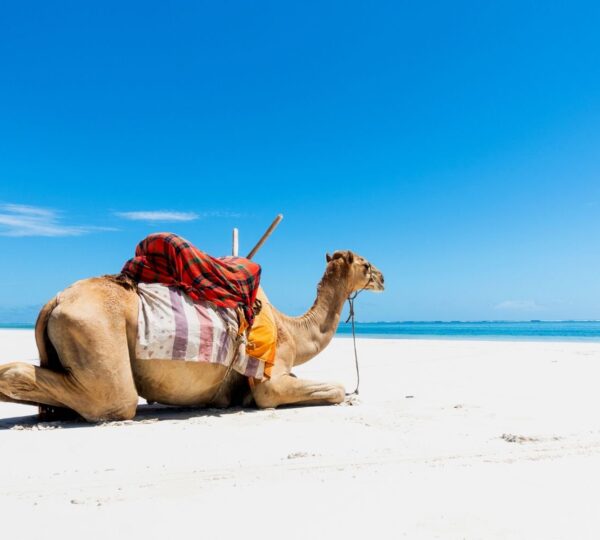
Camel Ride
Book Water Activities Early in High Season
Diving trips, kite lessons and dhow cruises fill up during the busy December through March window, so booking these once your hotel is confirmed, rather than waiting until arrival, avoids disappointment during peak weeks.
Consider Which End of the Beach Suits You
The northern end of Diani, nearer Ukunda, tends to be busier with more shops, restaurants and beach vendors, while the southern stretch is quieter and more residential in feel. Travellers wanting an active, social base should look north, while those wanting peace and quiet should look south.
Frequently Asked Questions
How many days do you need in Diani?
Four nights is a comfortable minimum to settle in and fit in one or two activities without feeling rushed. Six nights or more allows a proper mix of watersports, a Shimba Hills day trip, and genuine downtime, and suits travellers using Diani as the relaxing half of a longer Kenya itinerary.
Is Diani good for families with young children?
Yes, generally more so than many other East African beach destinations, largely because the reef keeps the lagoon calm and shallow for a long distance from shore. Several resorts also run kids’ clubs and family focused activity programmes, which is worth checking directly when comparing properties.
Can you see wildlife without leaving the coast?
To a degree, yes. Colobus monkeys are genuinely present around the forested parts of Diani itself, and dolphin sightings are common on boat trips toward Kisite Mpunguti. For larger game, a Shimba Hills day trip or a longer inland safari is needed, since Diani itself is a beach and forest environment rather than open savannah.
Is Diani safer and easier for a first time visit than other Kenyan coastal towns?
Diani has a long established tourism industry, a wide choice of reputable hotels and tour operators, and is generally considered one of the more straightforward and well set up coastal destinations in Kenya for first time visitors, though ordinary travel precautions such as using vetted transport and activity operators still apply, as anywhere.
Does Diani suit a honeymoon better than Zanzibar?
Both suit honeymoons well, and the decision usually comes down to itinerary logistics rather than one being better than the other. Diani fits naturally if the rest of your trip is inside Kenya, while Zanzibar fits naturally after a Tanzania safari. On atmosphere alone, Diani’s reef protected lagoon and forest setting offer a slightly different, quieter character than Zanzibar’s more varied coastline.