
Great Migration Myths
September 19, 2026
Tree Climbing Lions
September 19, 2026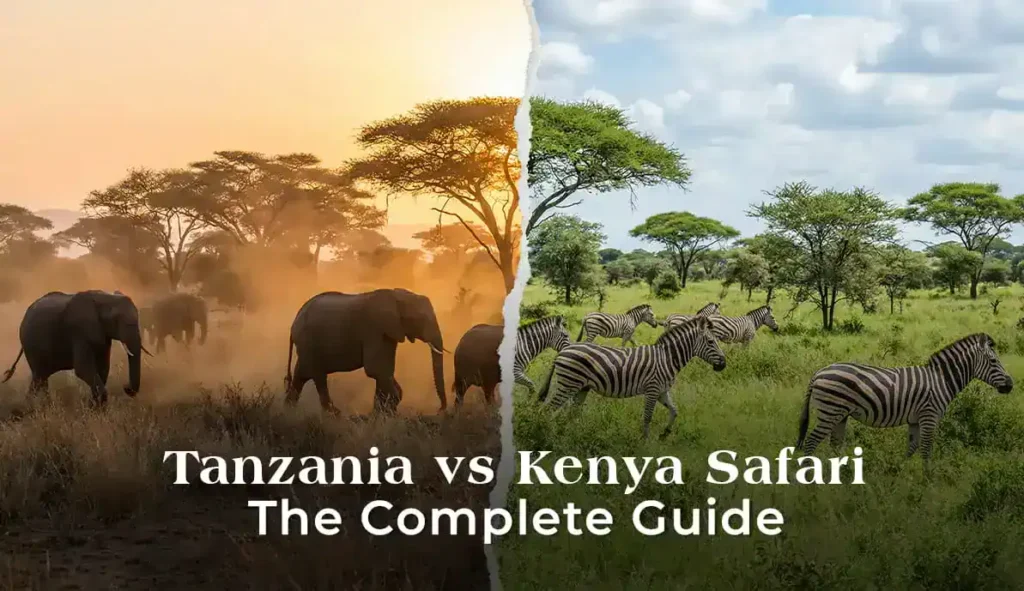
Kenya or Tanzania: Which Is Best for a Safari?
Kenya or Tanzania: Kenya and Tanzania are Africa’s two greatest safari destinations, each offering world-class wildlife viewing, dramatic landscapes, and genuinely unforgettable moments in nature. Choosing between them is one of the most common questions we hear from first-time safari travelers—so here’s a side-by-side look to help you decide.
Wildlife and Safari Experience
The Masai Mara in Kenya and Serengeti National Park in Tanzania are the headline destinations in each country, and they’re part of the same Serengeti-Mara ecosystem—meaning animals move freely across the border depending on the season.
The Serengeti is larger, wilder, and more spread out, while the Masai Mara is more compact, making it easier to find wildlife in a shorter window. The Great Migration is one of the biggest draws to both countries: the dramatic movement of millions of wildebeest and zebra across the Serengeti’s plains and into the Masai Mara, including the famous Mara River crossings.
Because most of this annual journey unfolds on the Tanzanian side, you can witness the migration over a longer stretch of the year in the Serengeti; the Mara typically hosts the herds between July and October, especially during the river crossings.
Both destinations deliver excellent Big Five sightings, but the Masai Mara’s smaller size often means faster, easier game viewing. The Serengeti delivers more of a wild, untouched feeling, with vast plains and fewer crowds—a strong fit if you enjoy long-game drives through open landscapes. If you’d rather have high-density sightings in a shorter time, Kenya’s Masai Mara is the stronger option.
Landscapes and Iconic Parks
Scenery is one of the biggest differences between the two countries. Tanzania’s Serengeti ecosystem is famous for its endless golden plains, creating a striking sense of scale and wilderness. Kenya’s Mara savannah is somewhat greener and more compact, making it easier to follow wildlife through its rolling grassland.
Tanzania also offers a natural wonder Kenya doesn’t have: the Ngorongoro Crater, a UNESCO World Heritage Site and volcanic caldera that functions like a giant, self-contained wildlife enclosure. A game drive inside the crater feels like stepping into a living documentary, with lions, elephants, zebra, buffalo, and flamingos all sharing the same dramatic setting.
Both countries offer strong scenic diversity—Tanzania with its crater landscapes, vast plains, and volcanic highlands; Kenya with grassland safaris that combine easily with rivers, lakes, and the high-altitude scenery around Mount Kenya. Travelers who want wide horizons and untouched wilderness tend to prefer Tanzania; those wanting more scenic variety within easy reach of abundant wildlife often prefer Kenya.
Culture and Local Experiences
Cultural experiences are a genuine part of a safari in either country. In Kenya, you can visit Maasai villages around the Masai Mara for traditional dance, storytelling, and a glimpse into daily tribal life, deepening your appreciation for the country’s heritage.
Datoga People
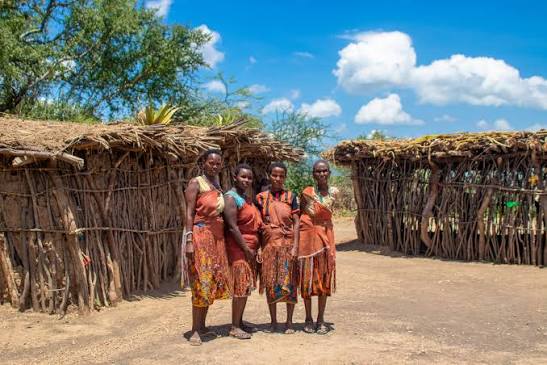
Tanzania offers a wider range of cultural encounters, especially in the northern circuit near Arusha, Ngorongoro, and Lake Eyasi, where you can meet groups such as the Hadzabe hunter-gatherers or the Datoga, both of whom maintain genuinely ancient customs. These experiences tend to feel less commercial and more traditional, which appeals to travelers who want cultural context alongside their wildlife.
If you want accessible, vibrant Maasai culture, Kenya is likely the better fit. If you’re after a wider mix of tribal experiences with deep-rooted tradition, Tanzania delivers a richer cultural journey alongside the wildlife.
Accessibility and Travel Logistics
Getting to Kenya is generally slightly easier, thanks to Nairobi’s role as a major regional aviation hub with frequent international connections. Tanzania is also well served, particularly through Kilimanjaro International Airport for Northern Circuit safaris, though flight options are typically fewer and sometimes pricier.
Once you arrive, Kenya’s tourism infrastructure is well developed, with smoother roads and shorter distances between parks such as the Masai Mara, Amboseli, and Lake Nakuru. Tanzania’s safari areas are also well connected, but parks like the Serengeti and Ngorongoro Crater often require longer drives or a small charter flight, given the country’s vast, open landscapes.
It’s entirely possible to combine both destinations in one trip. Many travelers start in Kenya’s Masai Mara and continue into Tanzania for the Serengeti and Ngorongoro—since the two countries share an ecosystem, moving between them creates a richer, more complete safari, especially during migration season.
Budget vs. Luxury Comparison
A Kenya safari is generally considered more affordable than a Tanzania safari, particularly for shorter, road-based itineraries. Shorter distances between parks mean lower fuel and transport costs, keeping the overall price down—a strong fit for budget-conscious travelers who still want a memorable trip.
Tanzania offers a more exclusive feel thanks to its vast landscapes and lower visitor density, which can push prices higher, especially for longer stays in remote parks like the Serengeti or Ngorongoro. Tanzania is also home to some of Africa’s finest luxury safari experiences, with elegant eco-lodges, private camps, and high-end guided activities.
Both countries offer strong lodge choices across every budget, from simple, comfortable camps to private villas, high-end tented camps, and hot air balloon flights. Whether you’re after a simple bush adventure or a premium holiday in nature, both destinations deliver real value—it comes down to your preferred level of comfort.
Beach Extensions: Kenya or Tanzania
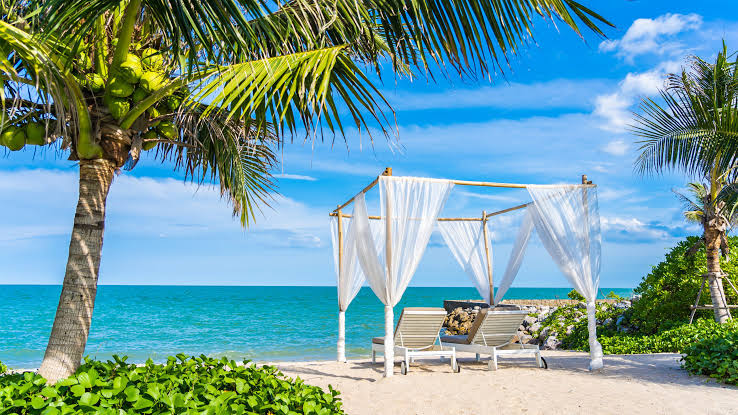
One of the best parts of an East Africa trip is pairing your safari with a relaxing stretch on the Indian Ocean coast. Both countries offer beautiful beaches, with a genuinely different feel in each.
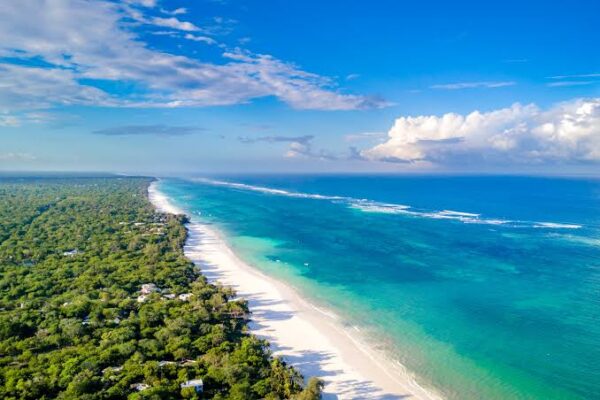
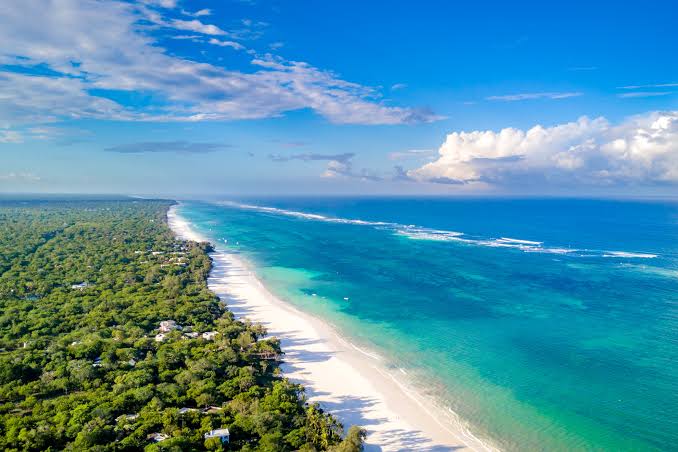
Kenya is known for its soft sand beaches in Watamu, Malindi, and Diani, with coastal resorts easily reached from Nairobi after a Masai Mara or Amboseli safari—lively, scenic, and well suited to travelers who want restaurants, activities, and cultural excursions nearby.

Hemingways Watamu-Kenya
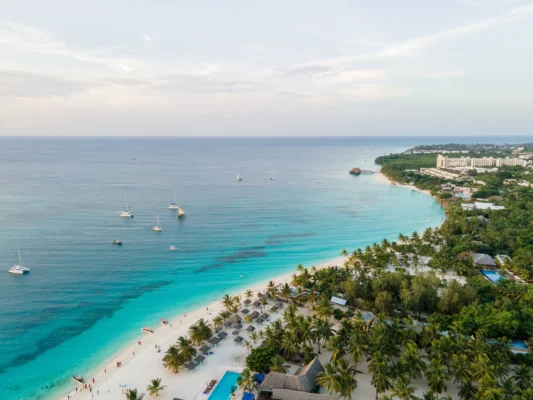
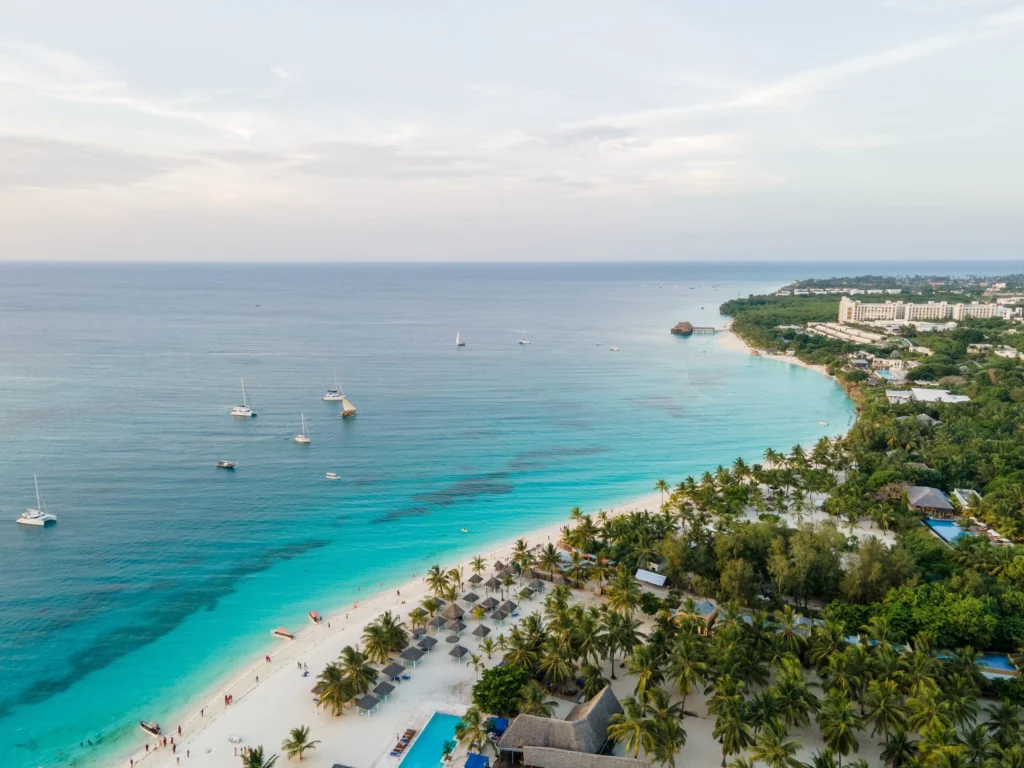
Zanzibar, Tanzania’s island getaway, is arguably the most famous beach destination in Africa: turquoise water, spice farms, and a genuinely peaceful atmosphere. It offers a quieter, more exotic feel than mainland Kenya, making it a strong choice for honeymooners or anyone wanting a calm, romantic close to their trip.
Whether you prefer vibrant beach life or a tranquil island escape, both countries deliver on the Indian Ocean coast—Kenya for easy logistics and social beaches, and Zanzibar for a laid-back, romantic finish to a wildlife safari.
Which Country Fits Your Travel Style?
Beyond the general comparison above, a few traveler types tend to lean clearly one way or the other.
| Traveler Type | Better Fit | Why |
| First-time safari-goers | Kenya | Shorter transfers, compact parks, faster wildlife sightings |
| Honeymooners | Tanzania | Ngorongoro Crater plus a quiet Zanzibar beach finish |
| Families with young children | Kenya | Shorter drives between parks, more family-oriented camps |
| Photographers wanting open landscapes | Tanzania | The Serengeti’s scale and lower vehicle density |
| Travelers on a tighter budget | Kenya | Lower transport costs and more budget-tier options |
| Travelers wanting deep cultural immersion | Tanzania | Hadzabe and Datoga encounter near Lake Eyasi |
Visas and Entry Requirements
Both countries operate straightforward e-visa systems for most nationalities, applied for online before departure. Kenya’s e-visa and Tanzania’s e-visa are separate applications with their own fees, so combining both countries in one trip means budgeting for two visas rather than one.
Travelers planning to cross overland between the Masai Mara and the Serengeti, or visiting both countries within 90 days, may want to look into the East Africa Tourist Visa, a single visa covering Kenya, Tanzania, and Rwanda, which can work out more convenient and often cheaper than applying separately—though eligibility and current terms vary by nationality, so it’s worth confirming before you commit to that route over individual visas.
Your choice between Kenya and Tanzania ultimately comes down to the kind of trip you want. If you prefer fast access to the parks, shorter travel times, and a lively mix of culture and wildlife, Kenya is the better fit—particularly for first-time visitors, families with young children, or anyone who wants a memorable safari without long travel days. Tanzania suits travelers seeking longer safaris, dramatic scenery like the Ngorongoro Crater, deeper immersion in nature, and a more classic, unhurried wildlife experience with fewer crowds.