
5 Days Serengeti Wildlife Safari
September 18, 2026
Why Are Kenya Safaris Expensive?
September 19, 2026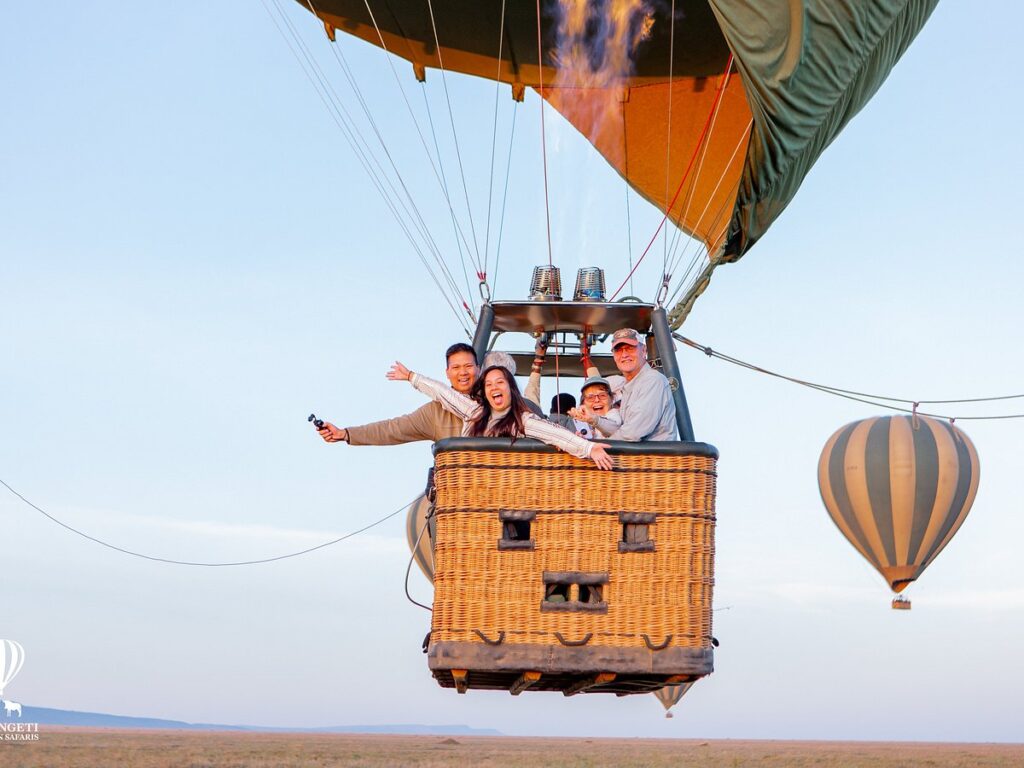
Serengeti Tours | Northern & Southern Serengeti
Serengeti tours take you to the world-famous Serengeti National Park in Tanzania, one of the most iconic safari destinations anywhere on the continent. A Serengeti tour puts you in the park’s endless grasslands, with strong odds of spotting the Big Five and many of Tanzania’s other headline wildlife species.
Expect sightings of lions, leopards, buffalo, elephants, rhinos, cheetahs, hippos, giraffes, zebras, and wildebeest, among many others. If you’re lucky enough to travel during the Great Wildebeest Migration, you may witness one of the natural world’s seven wonders: the iconic Mara River crossing, when millions of wildebeest and zebra move through the park together.
Where Do Serengeti Tours Take You?
Serengeti tours can take you to different parts of the park depending on your preference and the time of year. The Serengeti is a vast savannah landscape — far too large to see in a single day — and is generally divided into central Serengeti (the Seronera area), northern Serengeti (also known as Kogatende, or the Mara River area), southern Serengeti (commonly called Ndutu), and the western and eastern Serengeti.
The Great Wildebeest Migration moves through the park throughout the year, passing through each of these regions in turn. If witnessing the migration is your main priority, make sure to tell your safari planner so your itinerary can be built around the migration’s current stage.
That said, central Serengeti — the Seronera area, home to the Seronera River — is a strong year-round destination regardless of migration timing, since resident wildlife gathers here for water throughout the year.
Types of Serengeti Tours
Most Serengeti tours are built around morning and afternoon game drives, but the park offers a genuine range of activity styles worth considering depending on what you want out of your visit.
- Classic game drives — the standard way to explore the park, typically in a 4×4 with a pop-up roof, run in the morning and again in the afternoon to take advantage of when wildlife is most active
- Hot air balloon safaris — a sunrise flight over the plains, usually followed by a Champagne bush breakfast, offering an aerial view of the park and, during migration season, the sheer scale of the herds below
- Walking safaris — available in select areas with an armed ranger, giving a slower, more intimate encounter with the park’s smaller details: tracks, plants, and insects that a vehicle-based drive moves past too quickly to notice
- Mobile camping safaris — for travelers who want to follow the migration closely, some operators run tented camps that relocate with the herds through the year, keeping you close to the action wherever it currently is
- Private, fly-in safaris — flying between airstrips rather than driving cuts down significantly on transfer time between regions of the park, or between the Serengeti and other Northern Circuit parks
Where to Stay on a Serengeti Tour
Accommodation inside and around the Serengeti spans every budget tier, and where you stay often matters as much as when you visit.
Budget and midrange travelers will typically find public campsites and tented camps with straightforward but comfortable facilities, generally located in or near central Serengeti for easy access to game drives.
Luxury travelers have a wide choice of permanent lodges and high-end tented camps, many positioned in the north or south depending on the season, to keep guests close to the migration. Mobile camps sit in their own category — smaller, more rustic, and built specifically around following the herds rather than staying fixed in one location year-round.
Getting to the Serengeti
Most Serengeti tours begin in Arusha, Tanzania’s main safari gateway, reached via Kilimanjaro International Airport. From there, you have two main options: driving, which takes you through Ngorongoro Conservation Area with the chance to stop at the crater rim and Olduvai Gorge along the way, or flying directly into one of the Serengeti’s several airstrips, which cuts a multi-hour drive down to under an hour.
Driving is the better choice if you want to see Ngorongoro and the surrounding countryside as part of the journey; flying is the better choice if you’re short on time or want to maximize time actually inside the park rather than in transit.
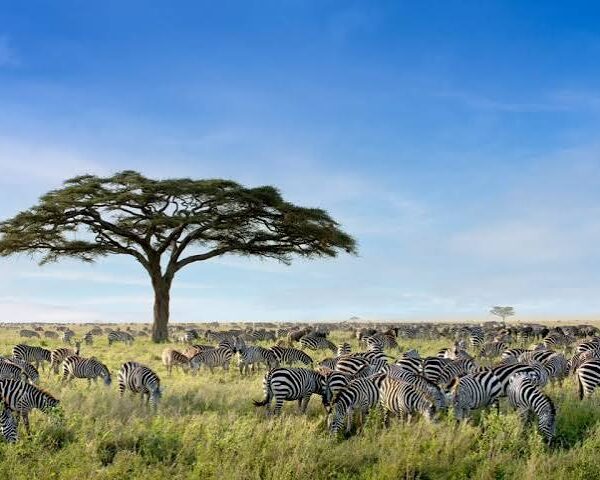
Zebras in Serengeti
How Many Days to Spend in the Serengeti
The Serengeti rewards a longer stay more than most parks, simply because of its size and the distance between its different regions. A minimum of two full days lets you get a genuine sense of central Serengeti’s wildlife, but three to four days gives you enough time to explore more than one region, whether that means adding a day in the north for the migration or a day in the south for the Ndutu Plains.
For travelers building a longer Northern Circuit itinerary, a common structure is two nights in Tarangire, one or two in Ngorongoro, and three to four in the Serengeti itself — reflecting how much more ground there is to cover once you’re actually inside the park.
What to Pack for a Serengeti Tour
Neutral-colored clothing (khaki, olive, tan) works best for game drives, both for comfort in the heat and to avoid standing out to wildlife. Mornings and evenings can be genuinely cool, even during the dry season, so a warm layer is worth packing alongside lighter clothes for midday.
A good pair of binoculars, sunscreen, a wide-brimmed hat, and a dust-proof bag or cover for camera equipment round out the essentials — the Serengeti’s roads are unpaved throughout the park, and dust finds its way into everything.
Combining a Serengeti Tour With Other Parks
Very few visitors treat the Serengeti as a standalone destination, and for good reason — it sits at the heart of Tanzania’s Northern Circuit, within reasonable driving distance of Ngorongoro Crater, Tarangire National Park, and Lake Manyara.
A typical combined itinerary might spend two days in Tarangire, one to two days at Ngorongoro Crater, and three to four days in the Serengeti, moving overland between each with wildlife sightings along the way rather than treating the transfers as dead time.
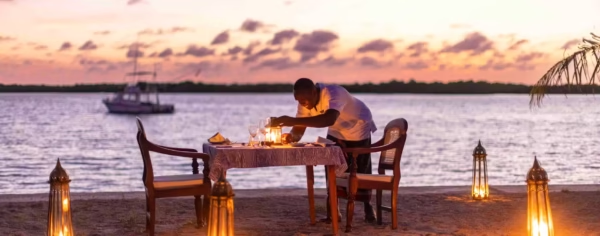
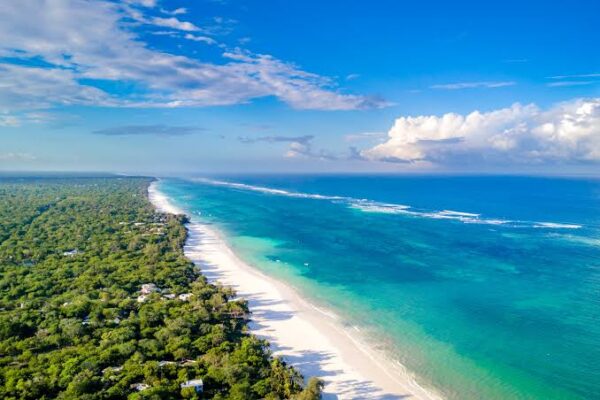
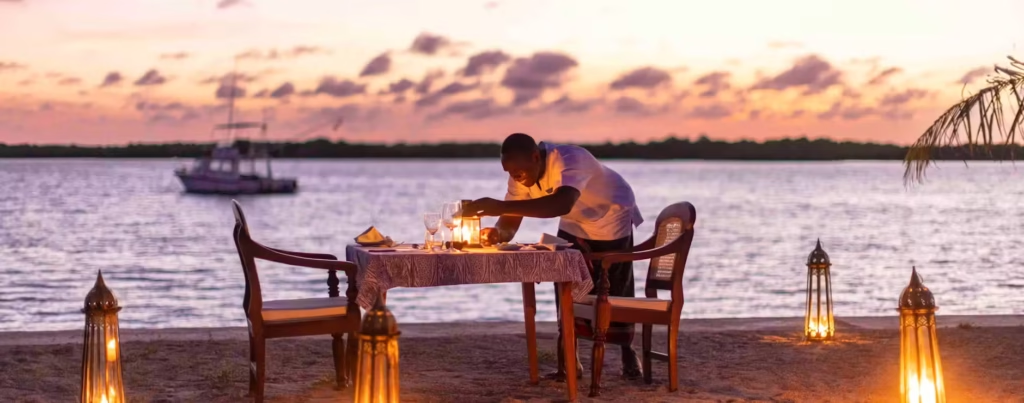
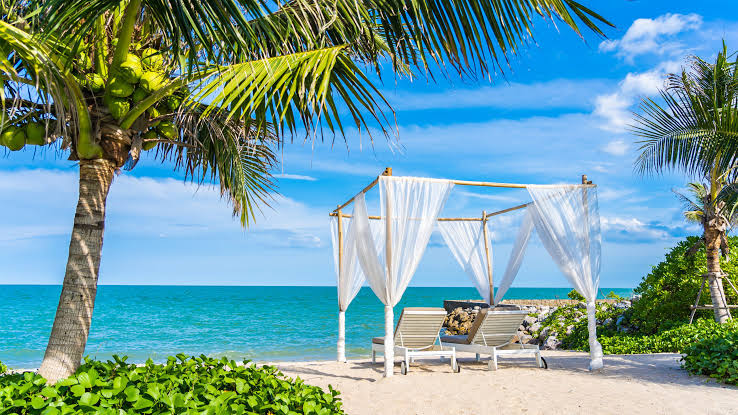
For travelers with more time, a Serengeti tour also combines naturally with a few days on Zanzibar’s beaches, reached by a short flight from Arusha or directly from an airstrip inside the park itself — a genuinely popular way to close out a Tanzania safari with some time to relax.
When to Go for Serengeti Tours
Serengeti tours run year-round, though the dry season is generally considered the best time to visit. The dry season runs December to March and June to October; the rest of the year is the wet season, which is a strong window for birding safaris and comes with fewer crowds.
The Serengeti remains open throughout the year, so travelers can visit whenever suits them best. If you specifically want to follow the Great Migration, keep this rough timeline in mind: December to March is calving season in the southern Serengeti; April, May, and early June bring the herds to the western Serengeti for the Grumeti River crossing; June sees the migration move through central Serengeti; July to October is Mara River crossing season in the northern Serengeti, as the herds cross toward Kenya’s Masai Mara; and November sees the migration move through the eastern Serengeti as it heads back south, passing through central Serengeti once again.
| Region | Best Months | What to Expect |
| Southern Serengeti (Ndutu) | December – March | Calving season, high predator density |
| Western Corridor | April – June | Grumeti River crossings, fewer crowds |
| Central Serengeti (Seronera) | Year-round | Resident wildlife, reliable water sources |
| Northern Serengeti (Kogatende) | July – October | Mara River crossings |
| Eastern Serengeti | November | Herds returning south, quieter game viewing |
A Tanzania safari without the Serengeti feels genuinely incomplete. Serengeti tours pair naturally with other Tanzania parks such as Ngorongoro Crater and Tarangire National Park, or with a few relaxing days on the fine white sand beaches of Zanzibar.
Get in touch for a tailor-made Serengeti safari tour, and beyond.