Where to Stay in Bwindi for Gorilla Trekking
September 1, 2026
What to Expect on a Typical Day on a Safari
September 1, 2026
Ultimate Guide to Planning an African Safari Trip; An African safari is rarely just a holiday; it’s the kind of trip people spend years dreaming about before they finally book it, and that weight of expectation is exactly why planning it well matters so much.
Too many travelers land in Africa for a long-awaited safari and spend the first two days in road transfers, crowded sightings, or the wrong seasonal weather window, mistakes that almost always trace back to decisions made, or skipped, at the planning stage.
This guide walks through the framework I use with clients planning their first, or fifth, African safari: defining what you actually want from the trip, choosing where and when to go, understanding realistic costs, and getting the logistics right so the on-the-ground experience matches the trip you pictured when you first started dreaming about it.
Step 1: Define the Actual Purpose of the Trip
Before choosing a single destination or date, get honest about what this specific trip is actually for. A honeymoon, a milestone birthday, a family celebration spanning three generations, or a first safari taken purely out of curiosity all call for genuinely different itineraries, different accommodation styles, different paces, and different budgets.
A couple celebrating an anniversary might prioritize privacy and romance over covering as much ground as possible, while a family with young children needs age-appropriate activities and flexible pacing built in from day one.
I always ask clients this question first, before destination or dates, because the answer shapes every subsequent decision. Skipping it tends to produce itineraries that look impressive on paper but don’t actually deliver the specific experience the traveler was hoping for.
Step 2: Choose One Region and Commit to It
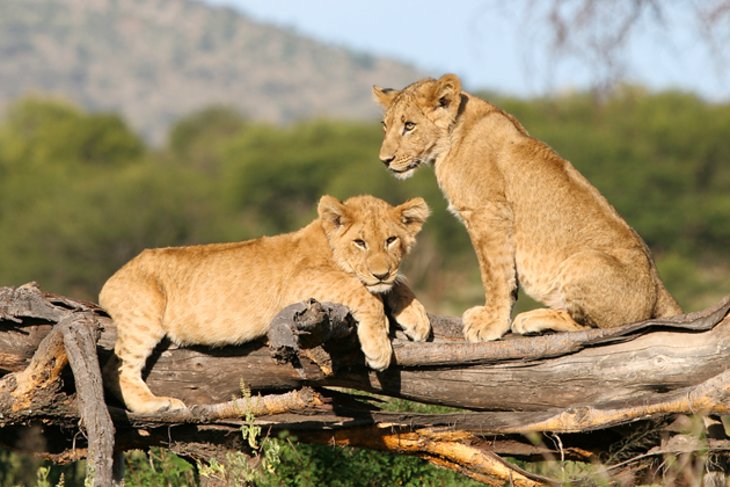
For a first safari specifically, resist the temptation to combine too much within a single trip. Kenya and Tanzania deliver the classic safari image many travelers have in mind before they ever book: open plains, large herds, strong predator action, and a sense of visual grandeur that feels unmistakably African. Uganda and Rwanda offer primate trekking and denser, more forested landscapes. Southern Africa’s Kruger region and Botswana’s Okavango Delta offer their own distinct character again.
Do not try to cram Kenya, Tanzania, gorilla trekking, and a beach extension into one short trip simply because they all sit on the same side of the continent. A focused itinerary covering two or three areas that genuinely complement each other almost always beats a rushed, country-hopping circuit, both in terms of what you actually experience and how rested you feel by the end of the trip.
Step 3: Select the Best Time to Go
Timing genuinely matters more than most first-time travelers expect, and it varies significantly by region. East Africa runs on two dry seasons and two wet seasons annually, with June through October the classic peak window for game viewing and the Great Migration‘s river crossings, while Southern Africa runs on a single dry season roughly May through September. If witnessing the Great Migration specifically is part of your vision, it helps to understand exactly where the herds are likely to be during your travel dates before locking in specific camps, since the migration’s location shifts by month across the Serengeti-Mara ecosystem.
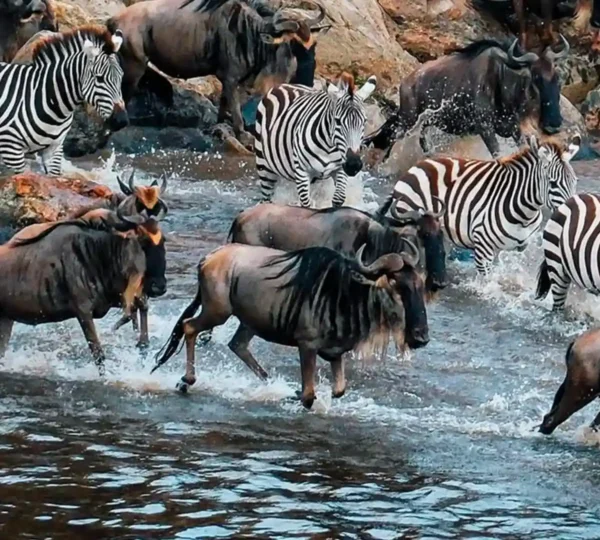
Great Migration
Shoulder and green seasons, generally the months just before or after the classic peak windows, offer a genuinely compelling trade-off for budget-conscious or crowd-averse travelers: meaningfully lower rates, dramatically fewer other vehicles at sightings, and lush, photogenic scenery, in exchange for slightly less predictable game concentration.
Step 4: Choose Your Safari Style
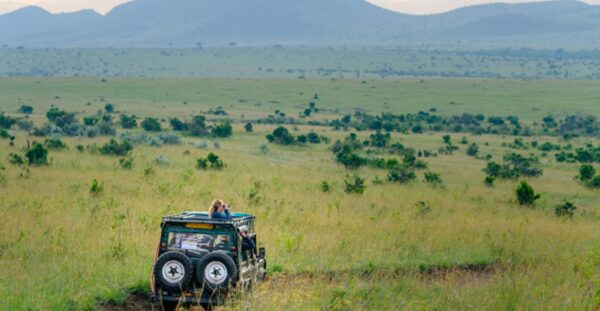
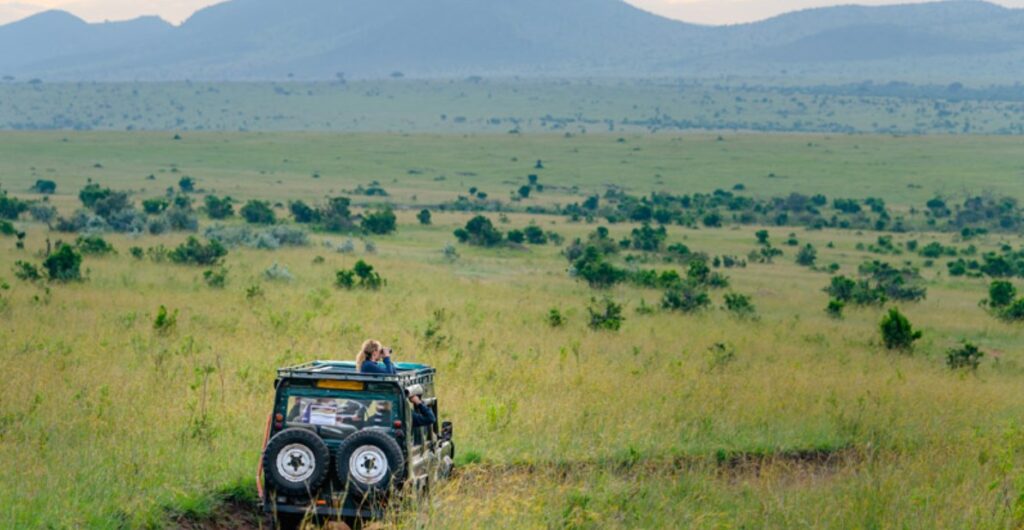
Safaris break down into several genuinely distinct styles, and understanding the difference helps you brief a consultant properly rather than defaulting to whatever a generic search result suggests. Vehicle-based game drives remain the foundation of most safaris, but walking safaris, boat-based safaris, primate trekking, and even horseback or camel safaris in select regions all deliver genuinely different experiences of the same broad landscape.
Accommodation style is a related but separate decision: luxury versus budget, adventure-paced versus relaxation-focused, family-friendly versus honeymoon-oriented. Being specific with a consultant about which of these matters most, rather than simply saying “luxury” or “budget” without further context, produces a considerably better-matched itinerary.
Step 5: Decide on Trip Duration
A genuinely worthwhile safari rarely works well at under five to seven days once you account for international flight time and at least one internal transfer day. Seven to ten days allows a proper two-to-three-location itinerary without feeling rushed, while two weeks or more opens up genuinely comprehensive, multi-country circuits or the addition of a beach extension at the end.
I generally advise clients to under-plan rather than over-plan the number of destinations for a given trip length; two or three well-chosen locations with enough nights at each to properly settle in almost always outperforms five rushed one-night stops chasing every possible highlight.
Step 6: Consider Group Size and Travel Companions
Traveling as a couple, a family, or a larger multi-generational group each shape the ideal safari structure differently. Larger groups may benefit from a private vehicle and guide for the full trip, giving genuine flexibility around pace and activity choice, while couples or solo travelers might find a small-group scheduled departure delivers strong value alongside the social element of shared game drives.
Solo travelers specifically should budget for the single supplement that many camps apply to solo occupancy of a room built for two, though a growing number of properties are moving away from this practice or waiving it during shoulder season, worth asking about directly when comparing quotes.
Step 7: Evaluate Safety, Health, and Documentation Requirements
Visit a travel clinic four to six weeks before departure; clinics stay current on changing vaccination requirements and can offer destination-specific advice on malaria prophylaxis, which varies depending on which parks and regions your specific itinerary includes. Confirm visa requirements well in advance, since some countries offer e-visas processed online while others require documentation submitted in person or on arrival, and East African Tourist Visa options exist for travelers combining Kenya, Uganda, and Rwanda on a single trip.
Comprehensive travel insurance with medical evacuation coverage is genuinely non-negotiable for safari travel, given how remote many camps are from the nearest hospital-level care, and this is one area where I’d never recommend a client skip coverage simply to save on trip cost.
Step 8: Identify Any Bucket-List Experiences
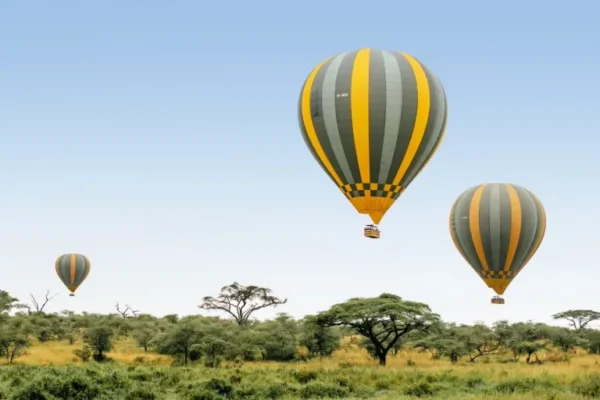
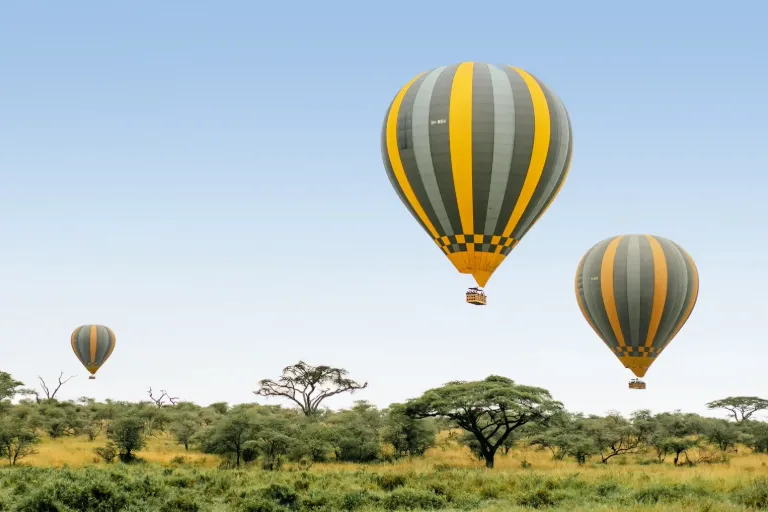
Be specific and upfront about anything you consider non-negotiable, witnessing a river crossing, gorilla trekking, a hot air balloon flight, a specific species sighting, since these priorities directly shape which parks, camps, and travel dates actually make sense. A consultant working from a vague brief will build a generically strong itinerary; a consultant working from specific priorities can build one genuinely tailored to what will make the trip memorable for you personally.
Step 9: Set a Realistic Budget
Most budget African safaris run roughly $150 to $400 per person per day depending on destination, travel style, accommodation level, group size, and season, while mid-range and luxury safaris climb considerably higher, often $600 to well over $2,000 per person per day at the very top end. Luxury pricing in particular is driven by season, wildlife access, camp exclusivity, and transfer style, private vehicle versus shared, road transfer versus bush flight, so understanding what specifically drives the cost difference between two quotes matters more than comparing bottom-line numbers alone.
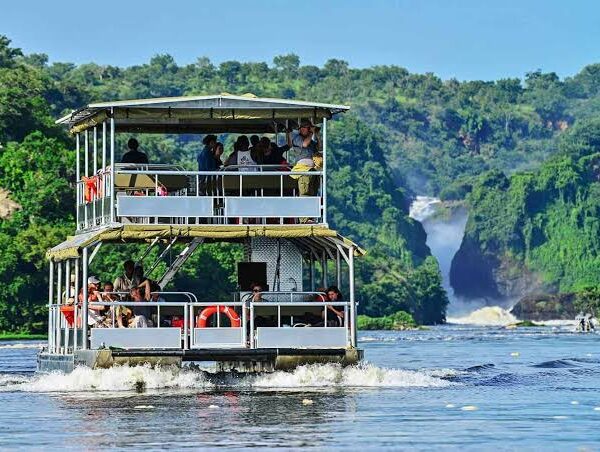
Boat Cruise on Murchison Falls
Booking early genuinely protects you from price increases and secures access to mid-range accommodation before it sells out, particularly for high-demand permits like gorilla trekking, where limited daily permit numbers mean popular dates can sell out many months in advance.
Step 10: Work With an Experienced Safari Consultant
A knowledgeable specialist can genuinely save you money by navigating complex, layered pricing structures, flagging hidden costs before they surprise you, and matching your specific priorities and budget to the best-value combination of destinations and camps. This isn’t simply a booking convenience; a good consultant’s first-hand, on-the-ground experience across multiple properties and seasons is difficult to replicate through independent research alone, particularly for first-time safari travelers who don’t yet have the context to evaluate competing quotes accurately.
Step 11: Make the Booking, and Understand the Logistics
Once you’ve settled on a destination, season, and style, book promptly, particularly for peak-season dates or high-demand permits. Respect the practical logistics that come with remote safari travel: many camps require bush flights on small aircraft with strict soft-luggage weight limits, typically around fifteen kilograms including hand luggage, and remote-area coordination between camps, guides, and transfers isn’t a side note to the trip, it genuinely is the trip, and a well-organized operator handles this seamlessly so you never have to think about it.
Step 12: Pack Appropriately
Neutral-coloured, breathable clothing in khaki, olive, and tan works best for game drives, avoiding bright colours and pure white, which can startle wildlife or show dust too readily, alongside genuine avoidance of blue and black in tsetse fly areas, since both colours are known to attract them. Layer for genuinely cold early mornings even in warm destinations, since open vehicles at dawn can be surprisingly cold regardless of daytime temperatures, and pack a good pair of binoculars, a wide-brimmed hat, high-SPF sunscreen, and insect repellent as non-negotiable essentials.
If your itinerary includes bush flights, pack according to the specific soft-luggage weight limit your operator provides well before departure, since exceeding it can mean genuinely difficult last-minute decisions about what to leave behind at the airstrip.
A Quick-Reference Planning Checklist
| Planning Step | Key Question to Answer |
| Purpose | What is this specific trip actually for? |
| Region | Which one or two areas genuinely complement each other? |
| Timing | Does my target season align with my priority wildlife or activities? |
| Style | Vehicle-based, walking, boat, or primate-focused? |
| Duration | Minimum 5-7 days; ideally 7-10+ for a proper multi-location trip |
| Budget | What’s realistic per person per day for my chosen style and season? |
| Booking Timeline | Have I booked early enough for peak dates and high-demand permits? |
Frequently Asked Questions
How far in advance should I book an African safari?
Nine to twelve months ahead for peak season travel or high-demand experiences like gorilla trekking permits, given how quickly the best camps and limited daily permits sell out. Shoulder and green season trips generally allow more flexibility.
Is it worth using a safari consultant instead of booking independently?
For most travelers, yes, particularly first-timers. A knowledgeable consultant can navigate complex pricing, flag hidden costs, and match your specific priorities to the right combination of destinations and camps, often saving money and time compared with independent research alone.
What’s a realistic daily budget for a safari?
Budget safaris run roughly $150 to $400 per person per day, mid-range options considerably more, and luxury safaris often $600 to well over $2,000 per person per day, depending on destination, season, and accommodation style.
Should I combine multiple countries on my first safari?
Generally not recommended. A focused itinerary covering one region, or two areas that genuinely complement each other, tends to deliver a more satisfying experience than a rushed, country-hopping circuit, especially for a first trip.
What vaccinations or health precautions do I need for an African safari?
Requirements vary by destination, so visiting a travel clinic four to six weeks before departure is strongly recommended. Malaria prophylaxis in particular depends on which specific parks and regions your itinerary covers.