Where Is the Best Place to See the Wildebeest Migration?
September 19, 2026
Nyungwe Forest National Park 2026 / 2027 Prices
September 20, 2026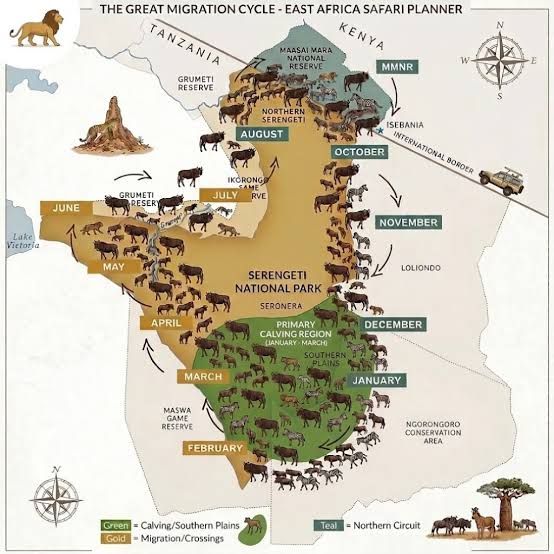
What Is the Best Month to Visit Masai Mara National Reserve?
What Is the Best Month to Visit Masai Mara National Reserve? As one of the most popular safari destinations on the planet, the Masai Mara National Reserve delivers an authentic African wildlife experience nearly any time of year.
But as with most destinations, the timing of your visit shapes what you’ll actually see and experience.
The best month to visit depends entirely on what you’re hoping to get out of your Masai Mara safari — this guide breaks down the reserve’s two main seasons and what each month typically offers.
The Seasons of the Masai Mara
The Masai Mara experiences two main seasons — dry and wet — each with its own advantages and trade-offs. Understanding both is key to planning the safari you actually want.
The Dry Season (June to October)
The dry season is widely considered the best overall window to visit, with warm, sunny weather and little to no rainfall.
Wildlife visibility peaks during this period: thinning vegetation forces animals to congregate around remaining water sources, such as the Mara River and its tributaries, making sightings noticeably easier.
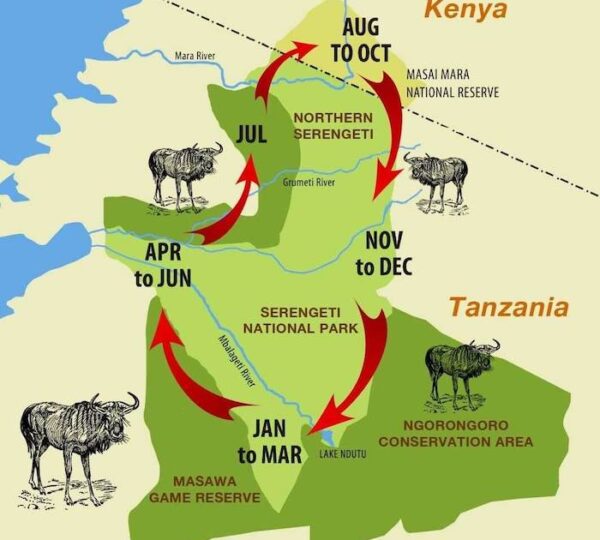
This is also when the Great Wildebeest Migration typically arrives. Between July and October, more than 1.5 million wildebeest, along with hundreds of thousands of zebra and gazelle, move from Tanzania’s Serengeti into the Masai Mara in search of fresh grazing — and witnessing a dramatic river crossing here is, for many visitors, a genuine once-in-a-lifetime moment.
The dry season also offers the best conditions for photography, with clearer skies, better visibility, and more predictable animal movement, plus more accessible roads and trails. The trade-off: this is peak season, so expect larger crowds — especially during the migration’s climax — and higher prices at lodges and camps, which are worth booking well in advance.
The Wet Season (November to May)
The wet season runs November through May, with the heaviest rain typically falling March through May. Tourist numbers drop significantly during this window, offering a different but genuinely rewarding experience.
The landscape transforms into a lush, vibrant green with flowers in bloom — a strong pull for travelers who love dramatic scenery.
As an off-peak period for both the Mara and Kenya more broadly, the wet season brings a quieter, more intimate safari and generally lower accommodation prices, making it a solid choice for travelers prioritizing privacy or budget.
Month-by-Month Guide to the Best Time to Visit
June to September (Peak Season)
Great Migration
Peak season across the Mara and Kenya more broadly, offering some of the best chances to witness the Great Wildebeest Migration, especially the dramatic river crossings. Weather is dry and pleasant with minimal rain — ideal safari conditions — though the reserve is at its busiest and lodge prices reach their highest point of the year.
October and November (Shoulder Season)
October is an excellent choice for travelers wanting a strong shot at the migration with noticeably fewer tourists — the grassland is still relatively dry and wildlife remains abundant.
November marks the start of the wet season, but rains typically stay light until later in the month, so early November can still offer good travel conditions.
December to February (Short Dry Season)
This quieter window between the two rainy seasons brings warm, dry weather. The migration has largely moved south by this point, but the Mara still delivers strong wildlife viewing, with animals concentrated around the remaining water sources — a good fit for travelers who prefer moderate crowds and a more peaceful setting.
March to May (Low Season)
The wettest stretch of the year also brings a wave of new wildlife births, particularly among antelope and zebra. The landscape turns lush and green, rewarding travelers willing to brave the rain, and it’s a strong window for birders hoping to spot migrant species. Costs are lower and crowds are thinner, making it ideal for travelers prioritizing solitude and value over guaranteed dry conditions.
Masai Mara Weather and Wildlife at a Glance
| Month | Season | Rainfall | Best For |
| January – February | Short dry season | Low | Good wildlife viewing, moderate crowds |
| March – May | Long rains | High | Lush scenery, low prices, fewer visitors |
| June | Start of dry season | Low | Migration herds beginning to arrive |
| July – September | Peak dry season | Very low | Great Migration and river crossings |
| October | Late dry season | Low | Migration tail end, thinner crowds |
| November | Short rains begin | Moderate | Transitional, generally still good conditions |
| December | Short dry spell | Low-moderate | Good game viewing, holiday season crowds |
Frequently Asked Questions
Is the Masai Mara worth visiting outside migration season?
Yes. The Mara holds a resident population of lions, leopards, elephants, and other wildlife year-round, migration or not. Outside migration season, you trade the spectacle of the moving herds for a quieter, often more affordable safari with excellent standard game viewing.
How far in advance should I book for the dry season?
For travel between July and October, we’d recommend booking six to twelve months ahead, particularly for well-known camps near the Mara River. Popular properties sell out early for this window, and prices tend to rise as availability tightens closer to the date.
What should I pack for each season?
For the dry season (June-October), pack layers for cool early mornings that warm up quickly, along with sunscreen, a hat, and sunglasses for the strong midday sun. Dust is a real factor during this period, so a scarf or buff for open-vehicle game drives is worth having.
For the wet season (November-May), waterproof or quick-dry clothing matters more than warmth, along with sturdy, closed shoes rather than sandals, since camps and paths can get muddy. A dry bag or waterproof cover for camera equipment is genuinely useful during the heaviest rains in March through May.
How does the Masai Mara’s climate compare to other parts of Kenya?
The Mara sits at a higher elevation than parks like Tsavo or Amboseli, which keeps temperatures noticeably milder year-round — daytime highs typically in the mid-20s Celsius rather than the low-30s common at lower-elevation parks.
Nights and early mornings can be genuinely cool, particularly during the June-to-August dry season, so it’s worth packing a warm layer even if you associate Kenya with heat.
Choosing a Month Based on What You Want to See
Beyond the broad dry-season-versus-wet-season framing, it helps to think in terms of the specific experience you’re chasing, since “best” genuinely depends on your priorities.
If the river crossing itself is the goal, narrow your window to August and September specifically, when crossing activity tends to peak in the Mara, rather than the wider July-to-October range.
If you’re mainly after reliable, general Big Five sightings without the crowds or price premium of peak season, the short dry spell from December to February offers a strong middle ground — dry enough for good visibility, without the August rush.
And if photography is your main interest, the shoulder months of late October and early November combine thinning crowds with a landscape still holding some green from the short rains, giving images more depth and color than the dustier peak of the dry season.
Travelers building a first Kenya trip around a fixed vacation window, rather than choosing dates specifically for the Mara, shouldn’t feel they need to force a visit into peak season. The reserve’s resident wildlife is substantial enough that a well-guided safari in almost any month delivers a genuinely strong experience.