Best Time to Visit Rwanda
July 21, 2026
Gorilla Trekking vs the Great Migration
July 21, 2026
How to Choose the Best African Safari Tours
Planning an African safari is the kind of thing that starts with a single image and quickly becomes a spreadsheet. The image is usually something dramatic, a lion in golden morning light or a wildebeest river crossing you saw in a documentary, and it is followed by the discovery that there are dozens of countries, hundreds of parks, thousands of operators, and a range of prices from a few hundred dollars a day to several thousand.
This guide answers the questions that actually matter before you commit your budget and your annual leave to a safari in Africa. It covers how to decide which country is right for your specific interests, how to identify a reliable operator, what the different safari types deliver and who they suit, how to read an itinerary and understand what is and is not included, the questions that reveal whether an operator knows what they are doing, the budget tiers and what each one honestly delivers, the timing considerations for different wildlife priorities, and the health and logistics preparation that separates well-prepared travellers from underprepared ones.
Step One: Be Honest About What You Actually Want
The single most useful thing you can do before researching operators, destinations, or prices is to write down, without reference to anything you have read online, what you are specifically hoping to experience. Not a general statement about wildlife and being in nature, but a specific list. Is it the Great Wildebeest Migration? Gorilla trekking?
A particular landscape? A beach extension at the end? Big cats? Birds? A honeymoon with specific romantic touches? Children who need age-appropriate activities? A physically active trip with walking safaris? The answer shapes every subsequent decision in a way that the generic best safari in Africa framing simply cannot.
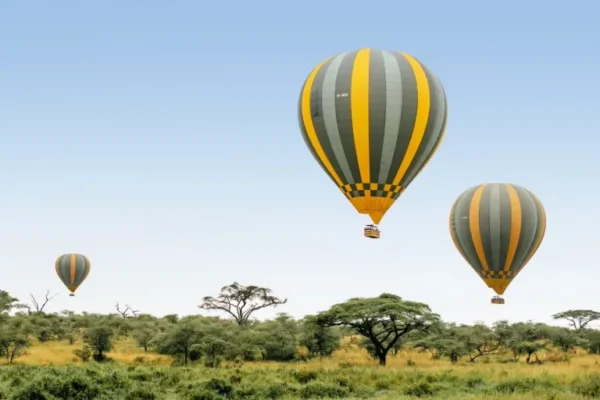
This matters because Africa is not a single safari destination. It is a continent with a range of ecosystems, wildlife concentrations, cultural contexts, and infrastructure levels that produce fundamentally different experiences. The open plains safari in the Masai Mara or the Serengeti is one thing: an open vehicle on flat terrain with abundant large mammals visible at distance.
The forest primate experience in Uganda’s Bwindi or Rwanda’s Volcanoes is entirely different: on foot in dense forest, quiet and close, with animals whose biology is close enough to yours that the encounter has a different register.
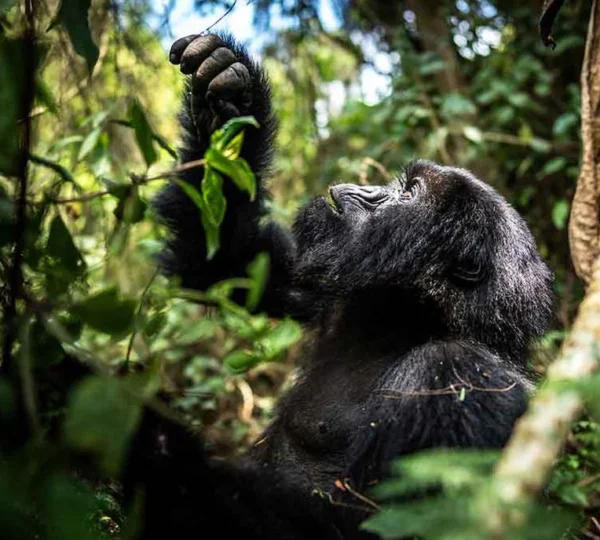
Gorilla
Botswana’s Okavango Delta is a water-based ecosystem where the wildlife experience is partly from a traditional mokoro canoe and partly from walking floodplain islands. South Africa offers malaria-free reserves, self-drive options, and tourist infrastructure that no East African park can match.
Step Two: Choose the Destination That Fits Your Priorities
East Africa — Kenya, Tanzania, Uganda and Rwanda
Kenya’s Masai Mara is the most accessible introduction to the African safari experience: open grassland, abundant large mammals, experienced guides, and the Great Migration river crossings between July and October. Tanzania’s Serengeti is larger, wilder, less visited per square kilometre, and holds the full migration cycle within its own boundaries.
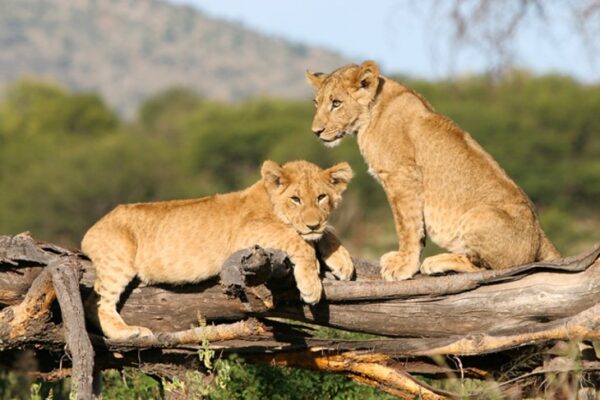
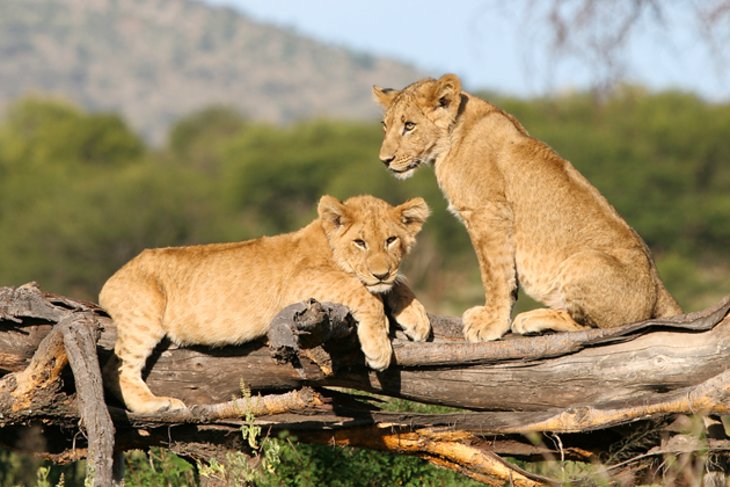
Tanzania also has the Ngorongoro Crater, the world’s largest intact volcanic caldera with a permanently resident lion population and the best black rhino viewing in East Africa. These destinations suit first-time safari visitors whose primary interest is open savannah wildlife viewing.
Uganda and Rwanda belong in a different planning category. If gorilla trekking is on the list, Uganda’s Bwindi Impenetrable Forest offers permits at USD 800 per person and a forest experience of density and physical engagement that the East African plains cannot replicate. Rwanda’s Volcanoes National Park offers the same gorillas at USD 1,500 per permit in a more polished tourism infrastructure.
Uganda also holds over 1,080 bird species, the world’s most powerful waterfall at Murchison Falls, and tree-climbing lions in the Ishasha sector of Queen Elizabeth National Park. Rwanda has Nyungwe Forest for chimpanzee trekking and Akagera for the Big Five.
Southern Africa — Botswana, Zambia, Zimbabwe, South Africa
Botswana’s Okavango Delta is the most acclaimed single safari ecosystem in the world by many experienced travellers. The water-based landscape, walking safaris on seasonal islands, and the strict low-volume high-cost tourism model produce an exclusive, uncrowded experience unlike East Africa. Zambia’s South Luangwa and Zimbabwe’s Mana Pools are the best destinations for walking safaris.
South Africa offers the most accessible safari infrastructure on the continent, with malaria-free reserves, a good road network, and self-drive options in Kruger for the most independent-minded visitors. For first-time safari visitors travelling with young children for whom malaria medication is a concern, South Africa’s Limpopo and Eastern Cape malaria-free zones are the logical starting point.
Step Three: Understand What the Different Safari Types Deliver
Group Safaris
A group safari places you in a vehicle with other travellers on the same itinerary. Guide and vehicle costs are shared, the per-person price is lower, and the experience is shaped partly by the group’s composition. Well-managed group safaris with experienced guides produce excellent wildlife viewing at lower cost than private safaris.
The trade-offs are fixed departure times, limited stopping time at sightings relative to the group schedule, and the constraint of other people’s pace and interest. Group safaris suit solo travellers who want the social dimension of sharing the experience and budget travellers covering multiple parks.
Private Safaris
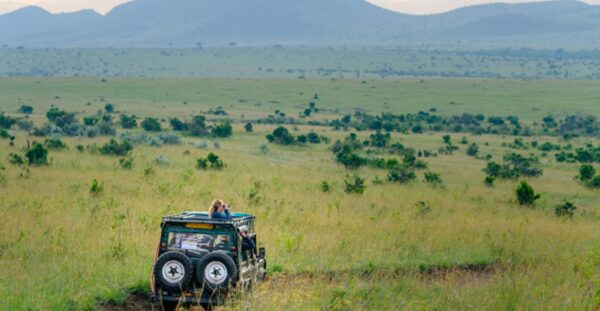
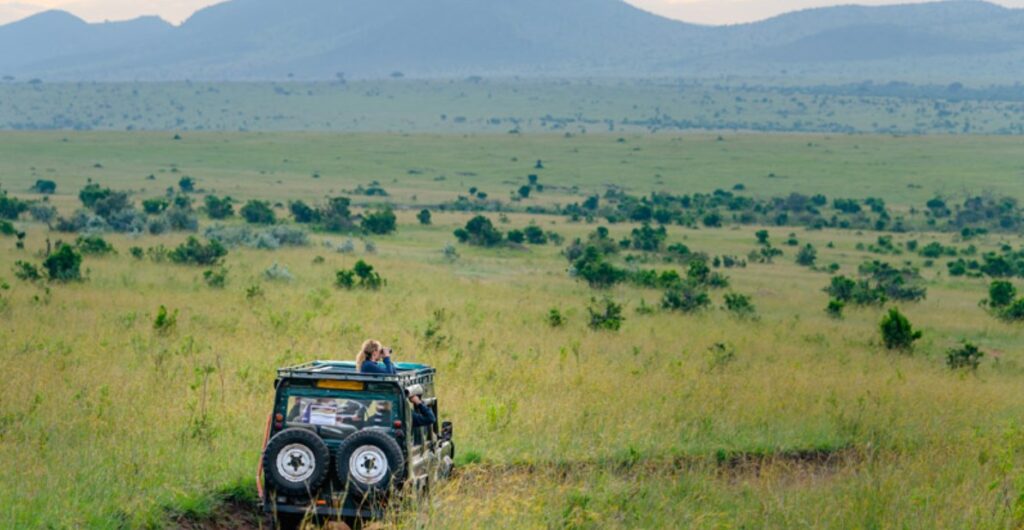
A private safari gives exclusive use of a vehicle and a guide. You set the schedule, decide where to stop and for how long, and the guide gives undivided attention to your specific interests. Private vehicles can access off-road routes in private concession areas where group vehicles cannot.
The cost is higher, as the fixed vehicle and guide costs are not shared, but the experience quality, particularly at significant sightings, is substantially better. Private safaris suit couples, families, photographers with specific needs, and anyone who finds the group dynamic constraining.
Self-Drive Safaris
Self-drive using a hired 4WD is viable in South Africa’s Kruger and in destinations with good road networks. It is not appropriate for gorilla trekking or for the Okavango Delta, and is not recommended as the first approach for anyone unfamiliar with wildlife behaviour and off-road driving. The advantage is freedom and cost. The disadvantage is the absence of a guide’s knowledge, which is the single largest contributor to the quality of most wildlife experiences.
Fly-In Safaris
A fly-in safari connects destinations by light aircraft rather than road. Thirty to forty-five minutes replaces a full driving day between parks. The cost is significant but the time saving justifies it for itineraries covering two or more parks in ten days or fewer. Road transfers have their own overland value when time allows.
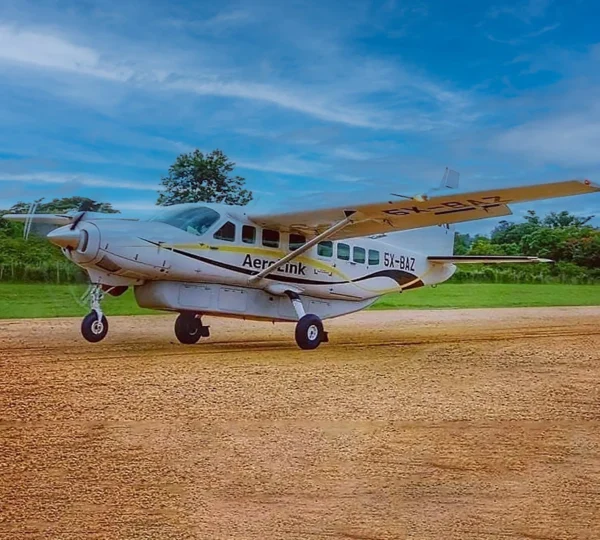
Flying Safaris in Uganda
Step Four: How to Identify a Reliable Safari Operator
Your safari operator controls more variables in your experience than any other single factor: the vehicle condition, the guide’s knowledge, the accommodation selection, the logistics between parks, and the contingency planning when something goes wrong.
Choosing the wrong operator is the most common source of safari disappointment and the one least amenable to correction after booking has been made.
Credentials and Association Membership
The first check for any safari operator is membership in the relevant national tourism or tour operator association. In Tanzania, look for TATO (Tanzania Association of Tour Operators). In Kenya, KATO (Kenya Association of Tour Operators). In Uganda, AUTO (Association of Uganda Tour Operators). In South Africa, SATSA (Southern Africa Tourism Services Association).
These associations require member companies to maintain standards of financial solvency, professional insurance, and operational conduct. Membership indicates the operator is working within a regulated framework rather than outside it.
An operator with no traceable association membership, no physical address in the country they operate in, and no independently verifiable contact information is a high-risk booking.
Step Five: Timing Your Safari Around Wildlife Priorities
Most people choose travel dates based on when they can take annual leave and then try to match a destination to those dates. The better approach is to identify the wildlife event you most want to experience and plan the dates around that.
The Great Migration
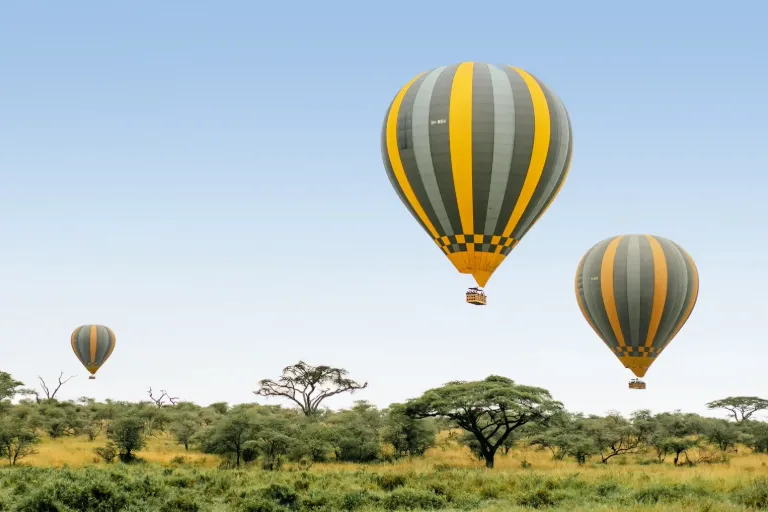
The Great Migration moves approximately two million animals around the Serengeti-Mara ecosystem year-round. The Mara River crossings, the peak spectacle, occur most frequently between late July and October. The calving season in the southern Serengeti and Ndutu between December and February is less famous and equally extraordinary: 400,000 calves born in a concentrated period with predator activity at its annual peak.
Choosing between the two requires understanding which experience you are actually choosing rather than defaulting to the July-to-October peak because it is more widely advertised.
Gorilla Trekking Season
Gorilla trekking in Uganda and Rwanda is available year-round. The dry season months of June through September and December through February give the most reliable trail conditions.
The gorillas are present regardless of season. Permits sell out earlier in the dry season and are more available in the wet season. There is no single best month, but dry season months offer the most comfortable physical conditions for the trek.
Dry Season versus Wet Season
The dry season, broadly June through October and January through February, produces shorter grass, better wildlife visibility, firmer tracks, and greater animal concentration around permanent water.
First-time visitors usually benefit most from dry season conditions. The wet season produces lush green landscapes, exceptional birdwatching, lower prices, and quieter parks. Experienced safari travellers often prefer the wet season for the light quality and the absence of other vehicles.
Step Six: Understanding Safari Budget Tiers
Budget Safari — USD 150 to USD 400 per person per day
At the budget tier, accommodation typically involves camping in national park campsites or basic tented camps with shared facilities. Game drives use shared vehicles. Guide quality is the most critical variable and varies significantly between operators.
Budget safaris in Kenya, Tanzania, and Uganda can be excellent with the right operator and an experienced guide. They are not the right format for visitors who require privacy, flexibility, or extended waiting time at specific sightings.
Mid-Range Safari — USD 400 to USD 800 per person per day
At the mid-range tier, accommodation moves to comfortable lodge rooms or well-equipped tented camps with en-suite facilities and reliable food. Game drives may be shared or semi-private. Quality variation between operators at this tier is larger than at any other price point: a well-chosen mid-range safari in a good wildlife area produces a very satisfying experience. A poorly chosen one produces a comfortable room with mediocre guiding.
Luxury Safari — USD 800 to USD 2,500+ per person per day
At the luxury tier, the most significant improvements are in guide quality, vehicle exclusivity, camp positioning, and access to private concessions that budget and mid-range cannot access.
A private vehicle with a guide who has spent a decade working the same ecosystem, stopping when and where the guests want, accessing private concession tracks, and conducting night drives when the resident animals are most active: this is where the price difference is earned.
The difference in wildlife experience between budget and luxury is not primarily about which animals you see. It is about how long you see them, how close you see them, how deeply the guide explains what you are watching, and what options exist when the standard route is not producing the best encounters on a given morning.
Step Seven: Conservation and Responsible Safari Choices
The relationship between safari tourism and wildlife conservation in Africa is direct and documented. The permit fees paid by visitors to Uganda’s national parks fund ranger salaries, anti-poaching patrols, veterinary response, and the community revenue-sharing programmes that give people living around the parks a financial stake in their continued existence.
When you pay USD 800 for a Uganda gorilla trekking permit, you are contributing to the funding system that has allowed the global mountain gorilla population to grow from under 700 individuals in the early 2000s to over 1,000 today.
Step Eight: Health, Safety
Yellow fever vaccination is required for entry to Uganda, Rwanda, Kenya, and several other African countries for travellers arriving from or transiting through endemic areas. A certificate should be obtained at least ten days before departure.
Hepatitis A and B, typhoid, and meningococcal vaccination are also recommended for most East and Southern African destinations. Malaria prophylaxis is strongly recommended for all safari destinations in sub-Saharan Africa: discuss the appropriate medication with a travel health physician before departure, as the right choice depends on specific destinations and individual health status.