Where to Hike Mountains in East Africa
September 1, 2026
The Best African Safari
September 1, 2026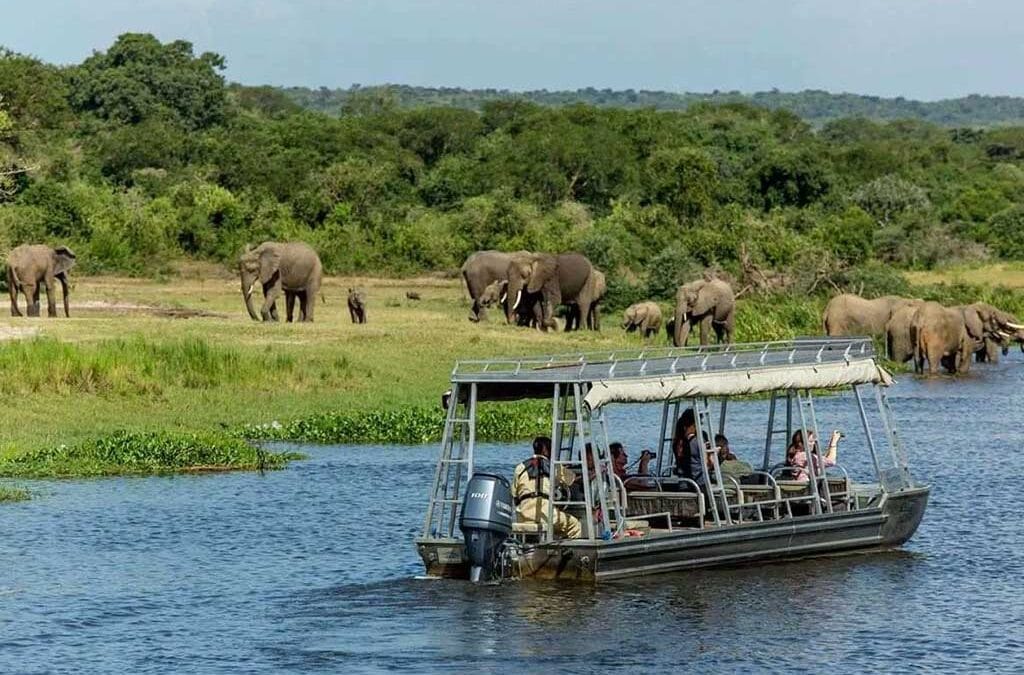
Top Reasons to Visit and Explore Uganda, the Pearl of Africa; Winston Churchill coined the phrase “Pearl of Africa” following his 1907 visit to Uganda, later documented in his book My African Journey, and more than a century on, the name has stuck for good reason. Uganda sits at the heart of East Africa, where savanna, rainforest, lakes, wetlands, and volcanic mountains converge within a single, remarkably compact country, and a single journey here can take you from misty jungle trails tracking mountain gorillas to open plains filled with elephant, then onward to riverbanks where hippo and crocodile dominate the scene.
As a travel consultant, I find Uganda is often the destination clients discover almost by accident, having originally planned a trip built entirely around Kenya or Tanzania, only to realize Uganda offers something genuinely distinct: greater habitat diversity per square mile than almost anywhere else on the continent, dramatically lower visitor numbers than its more famous neighbours, and a level of personal, unhurried guiding that larger, more commercialized safari destinations have sometimes lost. This guide walks through the reasons Uganda genuinely earns its nickname, and why 2026 in particular represents something of a sweet spot for visiting.
Mountain Gorilla Trekking Unlike Anywhere Else
Uganda is one of only three countries in the world, alongside Rwanda and the Democratic Republic of Congo, where travelers can trek to see mountain gorillas in their natural habitat, and it holds the highest number of habituated gorilla families of the three. Bwindi Impenetrable National Park alone is home to roughly half the world’s remaining mountain gorilla population, and the experience of trekking through genuinely ancient rainforest before spending an hour in the company of a wild gorilla family remains one of the most profound wildlife encounters available anywhere on earth.
Uganda’s gorilla permits, currently priced at $800 for foreign non-residents, sit meaningfully below Rwanda’s $1,500 equivalent, making Uganda a genuinely more accessible entry point for travelers specifically prioritizing this experience without sacrificing its emotional impact. Mgahinga Gorilla National Park offers a second, considerably quieter gorilla trekking destination in Uganda’s far southwest, for travelers wanting the same experience away from Bwindi’s relatively higher visitor numbers.
A Genuinely Extraordinary Concentration of Biodiversity
Uganda covers just 0.02 percent of the earth’s land surface, yet hosts an estimated 18 percent of Africa’s bird species and 7 percent of its mammal species, a genuinely remarkable concentration of biodiversity packed into a country roughly the size of the United Kingdom.
Ten national parks and numerous additional reserves protect this diversity, spanning savanna, tropical rainforest, wetland, alpine, and lakeshore ecosystems, meaning a single well-planned Uganda itinerary can move between habitats that would otherwise require visiting several different countries to experience.
This diversity translates directly into a genuinely varied travel experience: gorilla and chimpanzee trekking through rainforest in the south and west, classic savanna game drives in Murchison Falls and Kidepo Valley, wetland boat safaris along the Kazinga Channel and the Nile, and alpine trekking in the Rwenzori Mountains, all within a single country and, for a sufficiently long trip, a single well-sequenced itinerary.
The Source of the Nile and World-Class Adventure Activities
The Nile River, the longest river on earth, begins its journey at Lake Victoria in the town of Jinja, and the stretch of river here has become East Africa’s premier hub for adventure activities, including genuinely serious white-water rafting through Grade 5 rapids, kayaking, bungee jumping, and quad biking through the surrounding countryside. For travelers wanting to pair wildlife-focused safari days with a burst of genuine adrenaline, Jinja offers a natural, easily reached addition to a wider Uganda itinerary.
Beyond the rafting and adventure sports, boat cruises along the Nile within Murchison Falls National Park itself offer a completely different, far more tranquil way to experience the same river, close encounters with hippo, crocodile, and riverine birdlife building toward the thunderous approach to the base of Murchison Falls.
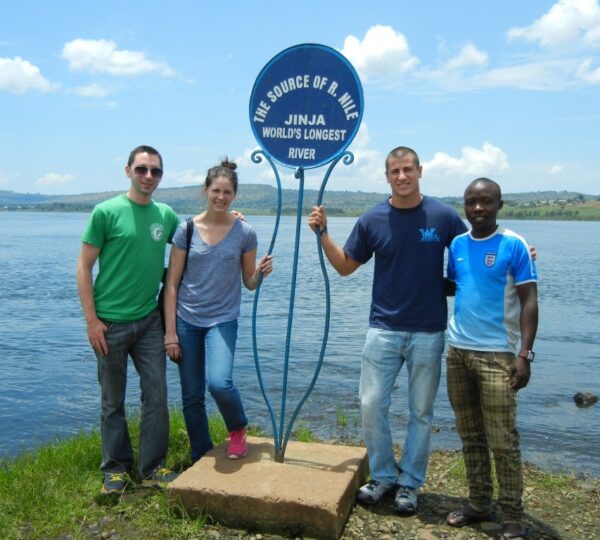
Source of the Nile
Landscapes That Feel Genuinely Varied Within One Country
Uganda’s geography includes the snow-capped peaks of the Rwenzori Mountains, nicknamed the “Mountains of the Moon” and rising to over 5,000 metres, an alpine drama rarely associated with equatorial Africa; the rolling savanna of Murchison Falls and remote Kidepo Valley National Parks; pristine freshwater lakes including Lake Victoria and the terraced, island-dotted beauty of Lake Bunyonyi; and dense tropical rainforest sheltering both gorillas and chimpanzees. Few countries anywhere in the world offer this degree of landscape variety within distances short enough to genuinely combine on a single trip.
This variety also means Uganda rewards repeat visits in a way some single-ecosystem destinations don’t; a first trip built around gorilla trekking and a second built around the northern savanna parks or the Rwenzori foothills can feel like genuinely different journeys despite staying within the same country.
Chimpanzee Trekking and a Deeper Primate Story
Beyond the mountain gorillas, Uganda offers some of the finest chimpanzee trekking anywhere in Africa, with Kibale National Park alone home to more than a dozen primate species, and Budongo Forest, adjacent to Murchison Falls National Park, holding more than 800 habituated chimpanzees. For travelers whose interest lies specifically in primates rather than classic Big Five game viewing, Uganda arguably offers a richer, more varied primate-focused itinerary than any other single African country.
Authentic Cultural Encounters, Not Staged Performances
Uganda’s cultural heritage runs as deep as its wildlife credentials, and community-based tourism initiatives across the country offer genuinely respectful, meaningful interaction with local people rather than staged, commercialized performances. Batwa cultural experiences near Bwindi offer particular insight into forest life and tradition; the Batwa, known as the “Keepers of the Forest,” are among the oldest surviving indigenous peoples in Africa and were displaced from the forest when Bwindi was established as a protected gorilla habitat, giving these visits a genuine historical and ethical weight beyond simple cultural tourism.
Across the rest of the country, visits to Buganda kingdom sites, working tea and coffee plantations, and rural villages offer further, genuinely varied cultural touchpoints for travelers wanting their trip to include more than wildlife alone.
Genuine Value Relative to Kenya and Tanzania
Compared with Kenya’s Maasai Mara or Tanzania’s Serengeti, Uganda offers considerably lower visitor density and, in many cases, more competitive pricing for a comparable standard of guiding and accommodation, without sacrificing wildlife quality.
Kenya delivers the massive migration spectacle that Uganda simply doesn’t have, and Tanzania’s Serengeti offers vast, open plains on a scale Uganda’s more compact, forested parks don’t replicate, but Uganda’s gorilla trekking, chimpanzee encounters, and sheer ecosystem diversity give it a genuinely different, complementary appeal rather than a lesser one.
In 2026 specifically, Uganda sits at something of a sweet spot: tourism infrastructure and accessibility have continued to improve steadily following the pandemic-era downturn, while visitor numbers remain considerably lower than its more famous neighbours, meaning travelers can still expect a genuinely uncrowded, personal safari experience.
A Country Defined by Resilience
Uganda’s modern history includes real hardship, colonial exploitation, post-independence upheaval, and the scars of dictatorship under Idi Amin’s regime, and the country has never stopped moving forward despite these challenges. Today, Uganda ranks among East Africa’s most visited destinations for eco-tourism, and its conservation efforts, from gorilla habituation programmes to community-led wildlife protection, are increasingly recognized internationally. This context adds a genuine layer of meaning to a Uganda visit for travelers who appreciate understanding the fuller story behind a destination rather than experiencing it purely as scenery.
A Genuinely Personal Style of Guiding
Because Uganda’s overall visitor numbers remain considerably lower than Kenya’s or Tanzania’s, guiding here tends to feel more personal and less rehearsed. Guides frequently have deep, generational knowledge of specific parks and forests, having grown up in or near the communities bordering them, and vehicles at most sightings are noticeably fewer than the sometimes crowded scenes that can develop around a single sighting in the Maasai Mara or Serengeti during peak season.
This translates into a genuinely different pace of travel: more time spent at a single sighting without another vehicle pulling up, more flexibility to adjust a day’s plan around what a guide is specifically hearing or noticing, and a level of attentive, unhurried service that larger-volume destinations sometimes struggle to maintain consistently across every property and every season.
Practical Considerations for Planning a Uganda Trip
Most Uganda itineraries begin and end in Entebbe, near the shores of Lake Victoria, with onward travel to the country’s various parks typically covered by road, given Uganda’s genuinely well-developed road network relative to some of its neighbours, though domestic flights are increasingly used to connect more distant parks like Kidepo Valley or to save time on longer, multi-park circuits.
A Uganda e-visa can be arranged in advance online, and East African Tourist Visa options exist for travelers planning to combine Uganda with Kenya and Rwanda on a single trip.
Given the country’s genuine habitat diversity, packing for a Uganda trip requires more range than a single-ecosystem safari destination: warm layers for early-morning game drives and higher-altitude gorilla trekking, breathable rain gear for rainforest activities regardless of season, and comfortable, broken-in hiking boots for any trekking-focused days. A good travel consultant will typically walk through this packing list activity by activity rather than leaving clients to guess at what a single trip covering savanna, rainforest, and possibly the Rwenzori foothills actually requires.
Frequently Asked Questions
Why is Uganda called the Pearl of Africa?
Winston Churchill coined the phrase following his 1907 visit, documented in his book My African Journey, to convey the beauty, variety, and natural wealth he encountered. The name has remained part of Uganda’s tourism identity ever since.
Is Uganda safe to visit?
Yes, Uganda’s main tourism circuits, including Bwindi, Murchison Falls, Kibale, and Queen Elizabeth National Parks, are well established and regularly visited by international travelers. As with any destination, standard travel precautions apply, and a reputable local operator will guide you appropriately.
How does Uganda compare to Kenya and Tanzania for a first safari?
Kenya and Tanzania offer the classic Great Migration spectacle and vast open savanna that Uganda’s more compact, forested parks don’t replicate. Uganda’s distinct strength is gorilla and chimpanzee trekking combined with genuinely varied landscapes, savanna to rainforest to alpine, within a single country, alongside lower visitor density and often better value.
What is the best time of year to visit Uganda?
Uganda’s dry seasons, roughly December through February and June through September, offer the most comfortable trekking and game-viewing conditions, though gorilla and chimpanzee trekking remain possible year-round given the habituated groups’ consistent presence.
How many days should I spend in Uganda?
A minimum of seven to ten days allows a meaningful combination of gorilla or chimpanzee trekking with at least one savanna park, such as Murchison Falls or Queen Elizabeth. Two weeks or more allows a genuinely comprehensive circuit covering the north, west, and southwest of the country.